
 EN
EN

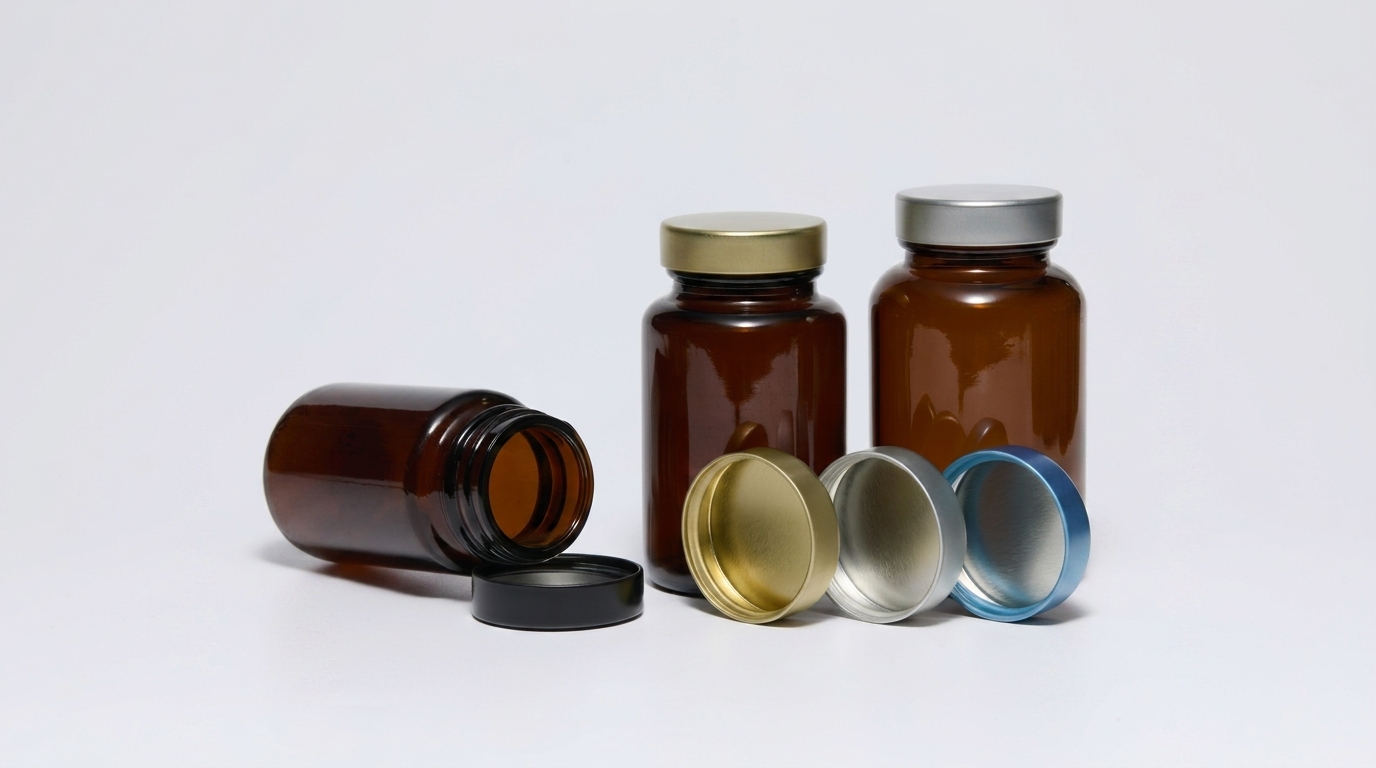
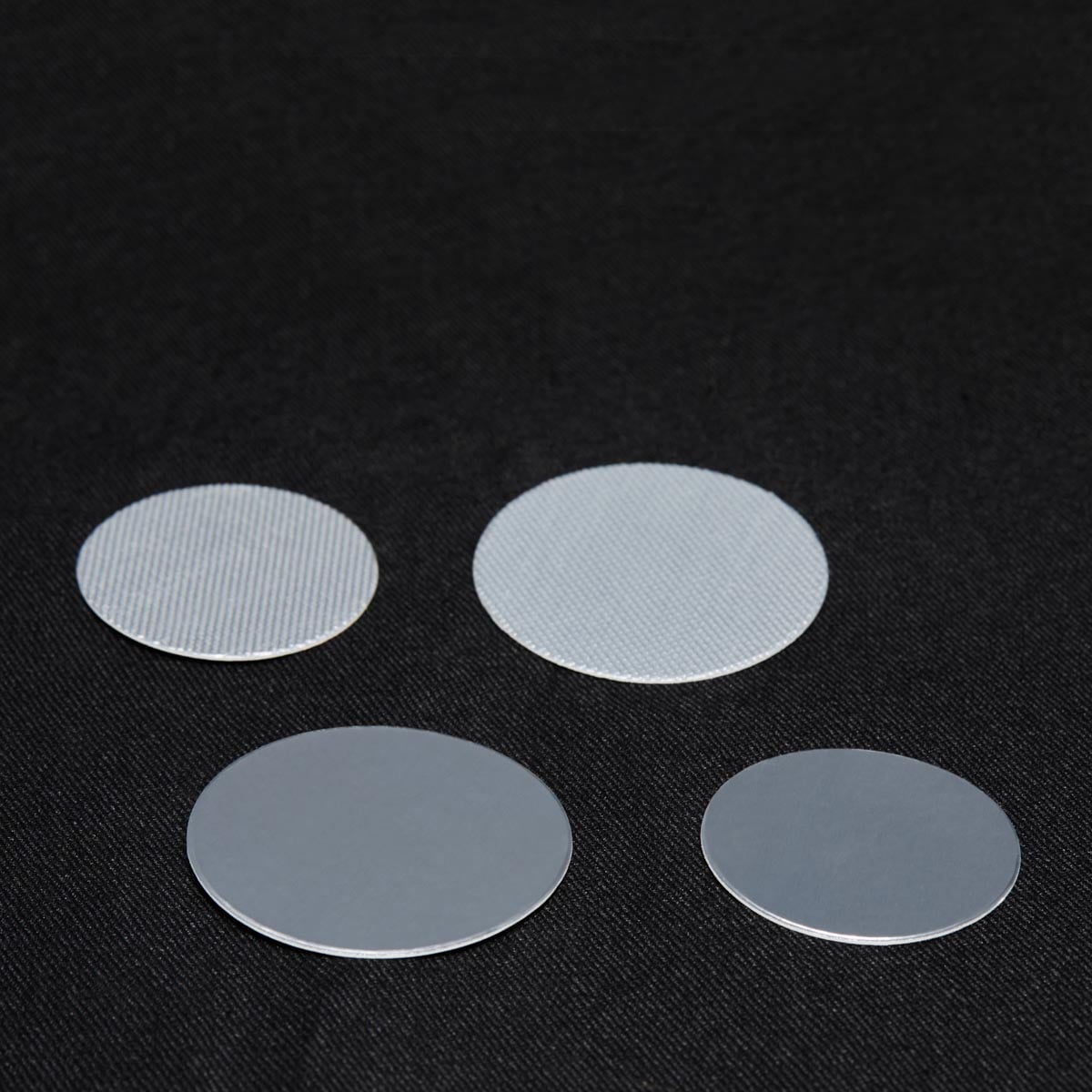
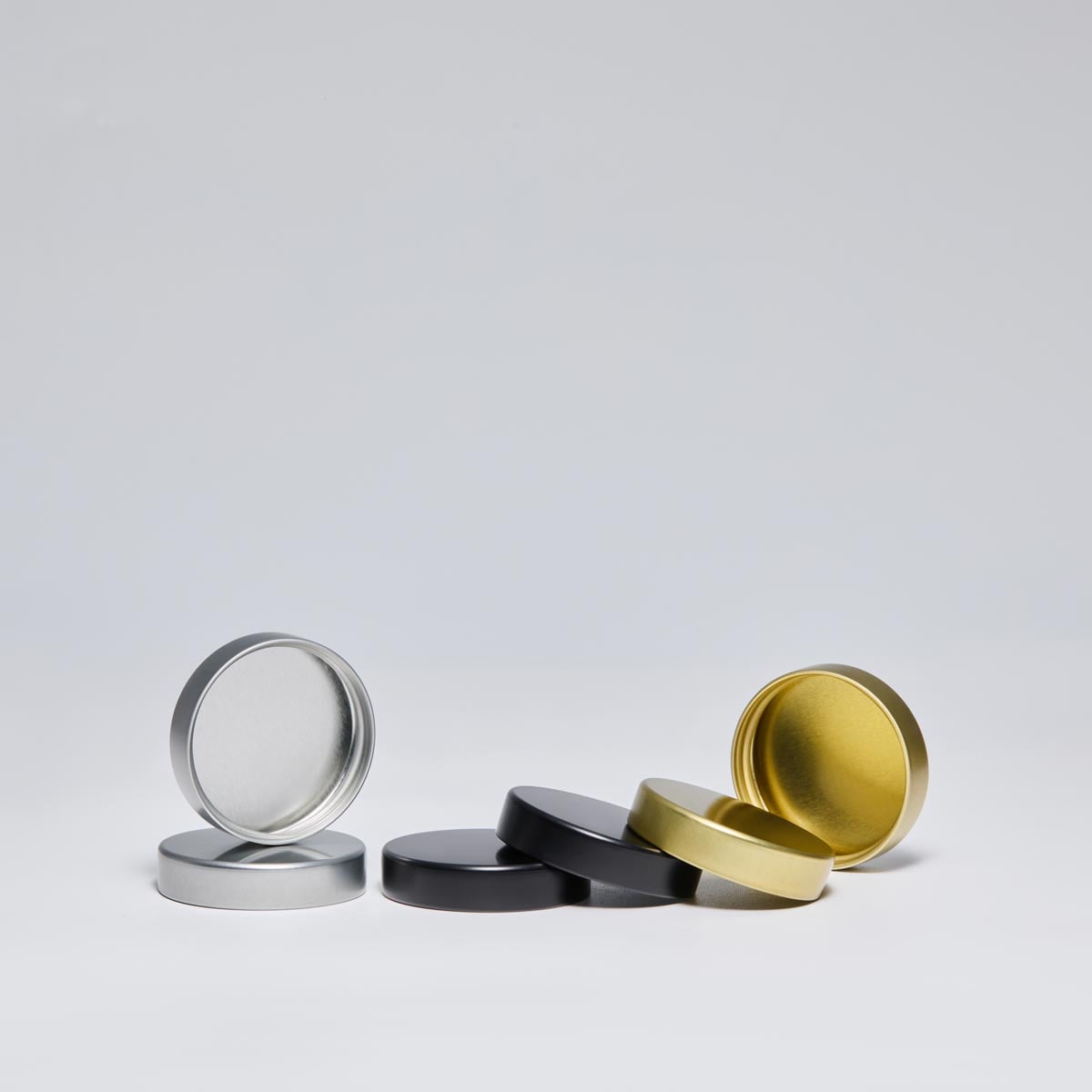
In the world of packaging, safety is never a feature to be compromised. Whether a product sits on a retail shelf, travels through a complex distribution chain, or reaches a consumer's hands after months in storage, the integrity of its seal is the single most visible guarantee of product safety. The induction heat seal liner has emerged as the most trusted solution for achieving that guarantee across virtually every demanding packaging application. Understanding why requires a closer look at what this technology actually does and why it outperforms every conventional alternative.
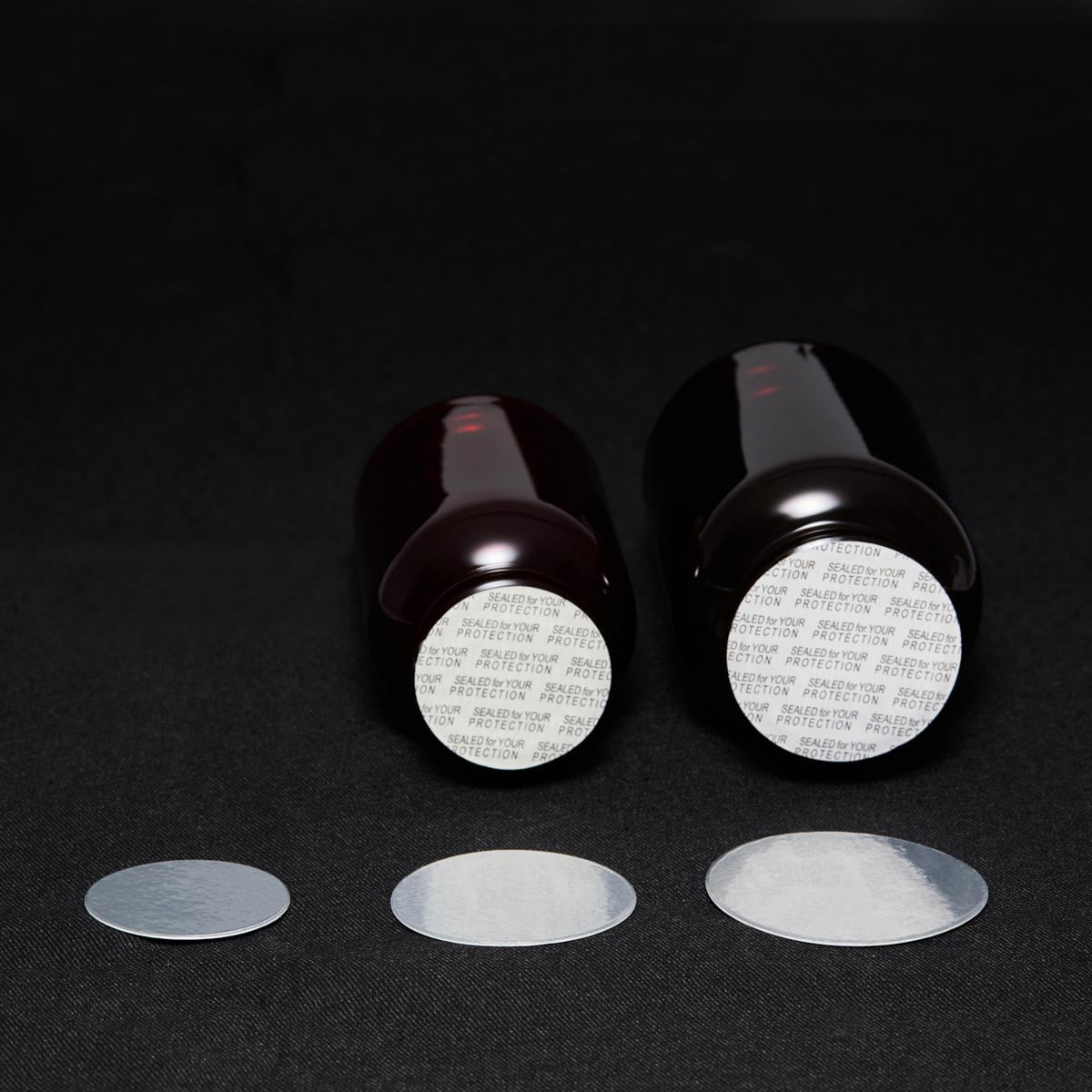
An induction heat seal liner uses electromagnetic energy to bond an aluminum foil layer directly to the rim of a container without requiring direct physical contact between the sealing element and the package. This contactless, precision-driven process creates hermetic, tamper-evident closures that are mechanically stronger, chemically more reliable, and visually more obvious to consumers than any other available sealing method. The combination of these properties is exactly why the induction heat seal liner is consistently rated as the best choice for maximum safety in pharmaceutical, food, beverage, chemical, and personal care packaging.
The Science Behind the Induction Heat Seal Liner's Safety Performance
How Electromagnetic Bonding Creates Unbreakable Seals
The operational principle of an induction heat seal liner is rooted in physics rather than mechanical pressure. When a capped container passes through an induction sealing machine, an electromagnetic field is generated around the cap. This field excites the aluminum foil layer within the liner, generating intense localized heat. That heat melts a polymer bonding layer on the underside of the liner, fusing it permanently and uniformly to the container's rim.
Because the heat is generated within the liner itself rather than applied externally, the bonding process is extraordinarily consistent. There are no pressure variations, no cold spots, and no reliance on operator skill. Every seal produced by this method exhibits the same structural integrity, which is a fundamental reason why the induction heat seal liner is considered best-in-class for safety-sensitive packaging.
The resulting bond is hermetic, meaning it prevents gas exchange, moisture ingress, and microbial contamination. For products like pharmaceuticals, nutritional supplements, or food ingredients where oxidation or contamination can render contents harmful or ineffective, this hermetic quality is not a luxury but a strict safety requirement.
Why the Tamper-Evident Feature Sets a Safety Standard
One of the most critical safety dimensions of an induction heat seal liner is its tamper-evident functionality. Once sealed, the liner adheres to the container rim so firmly that any attempt to open the package destroys the liner visibly. Consumers immediately recognize whether a seal has been compromised before they consume or use the product.
This visible tamper evidence is not merely cosmetic. It creates a documented, legally recognized safety barrier between the manufacturer and the end user. Regulatory bodies across the pharmaceutical and food industries often mandate tamper-evident sealing, and the induction heat seal liner satisfies these requirements more reliably than pressure-sensitive or adhesive-based alternatives.
The tamper-evident property also protects brand equity. A damaged or missing liner immediately signals a problem, enabling retailers and consumers to identify and remove compromised products from circulation before any harm is done. This proactive safety mechanism is one of the clearest reasons the induction heat seal liner is best suited to high-stakes packaging environments.
Material Composition and Its Role in Maximum Protection
The Aluminum Foil Layer as a Barrier Against Contamination
The aluminum foil component of an induction heat seal liner is not incidental to its design. It serves as an absolute barrier against oxygen, moisture, light, and volatile compounds. Aluminum is impermeable to gases at the molecular level, which means properly sealed containers using this liner type maintain internal atmospheres precisely as the manufacturer intended.
For pharmaceutical products, this means active ingredients remain stable and potent throughout their shelf life. For food products, it means freshness, flavor, and nutritional value are preserved without reliance on chemical preservatives. For industrial chemicals, it means dangerous volatility or reactivity is contained safely inside the package until intentional opening.
The thickness and grade of the aluminum foil in a quality induction heat seal liner are calibrated to match the specific demands of the container and product. A liner designed for PET plastic containers, for example, must account for the flexibility and thermal properties of PET while still delivering a hermetic seal. This precision engineering is what elevates the induction heat seal liner above generic sealing methods.
Multi-Layer Construction and Its Contribution to Seal Reliability
Modern induction heat seal liners are multi-layered structures, with each layer serving a specific protective or functional purpose. A typical construction includes a backing layer for structural support, an aluminum foil barrier layer, a heat-activated bonding layer, and sometimes additional foam or pulp layers for cushioning or chemical resistance.
This layered architecture allows the induction heat seal liner to be tailored for different container materials, closure types, and product chemistries. The polymer bonding layer, for instance, can be formulated to adhere specifically to PET, HDPE, PP, or glass, ensuring that the seal is both strong and compatible with the container material.
The multi-layer design also adds a redundancy factor to safety. Even if one layer experiences a localized imperfection, adjacent layers continue to provide barrier protection. This engineering redundancy is why the induction heat seal liner consistently outperforms single-layer or pressure-sensitive alternatives in long-term shelf-life and safety testing.
Regulatory Compliance and Industry Safety Standards
Meeting Pharmaceutical and Food Safety Regulations
Industries with strict regulatory frameworks have converged on the induction heat seal liner as their preferred sealing solution precisely because it meets or exceeds the requirements set by governing bodies such as the FDA, USP, and equivalent international agencies. The hermetic seal and visible tamper evidence it provides align directly with regulations designed to protect consumers from adulterated, contaminated, or counterfeit products.
In pharmaceutical packaging, for example, regulations require that over-the-counter and prescription products in certain categories carry tamper-evident features. The induction heat seal liner is one of only a handful of technologies that delivers tamper evidence, hermetic sealing, and compatibility with high-speed automated lines simultaneously. This multi-dimensional compliance capability is a key reason it is best positioned among all sealing options for regulated industries.
Food safety standards similarly require that packaging prevent contamination and indicate tampering. The induction heat seal liner satisfies these requirements while also being compatible with materials that meet food-contact safety standards. This ensures that the liner itself introduces no chemical risk to the product it protects.
Traceability, Consistency, and Quality Control in Sealed Production
An often-overlooked safety advantage of the induction heat seal liner is the consistency it enables in manufacturing quality control. Because induction sealing parameters such as power, conveyor speed, and cap torque can be precisely controlled and monitored, it is possible to build rigorous quality assurance protocols around every sealed unit produced.
Automated inspection systems can verify seal integrity in real time, flagging or rejecting containers that fall outside defined parameters. This level of traceability is critical in pharmaceutical and high-value food production, where a single compromised seal can trigger a recall or, more importantly, a consumer safety incident.
The induction heat seal liner supports these quality systems better than alternatives because its sealing physics are inherently stable and reproducible. Once the correct parameters are established for a given container and liner combination, they can be applied consistently across millions of units with minimal variation. That consistency is itself a form of safety infrastructure.
Applications Where the Induction Heat Seal Liner Delivers the Highest Safety Value
Pharmaceutical and Nutraceutical Packaging
In pharmaceutical and nutraceutical markets, product efficacy depends entirely on the preservation of active ingredients from the point of manufacture to the moment of consumption. An induction heat seal liner creates the controlled internal environment these products need. It prevents oxidation of sensitive compounds, blocks moisture that could degrade capsules or tablets, and seals in volatile or hygroscopic substances that would otherwise deteriorate rapidly.
Beyond product preservation, the induction heat seal liner provides the tamper evidence that patients and regulators demand. A consumer reaching for a vitamin supplement or an over-the-counter medication expects a visible, unbroken seal. Its absence or damage is an immediate safety signal. The reliability with which this liner delivers that signal is unmatched in the industry.
Food, Beverage, and Chemical Product Safety
In food and beverage applications, an induction heat seal liner protects against spoilage organisms, oxygen-driven degradation, and flavor contamination from external sources. For products like spices, powders, sauces, and dairy alternatives, the hermetic barrier provided by this liner directly extends shelf life without additional chemical preservation, which is increasingly valued in clean-label formulations.
For chemical and industrial products packaged in PET or similar containers, the induction heat seal liner provides a critical safety layer that prevents accidental leakage, vapor escape, and cross-contamination during storage and transport. In this context, safety extends beyond the consumer to include warehouse workers, logistics personnel, and retailers who handle sealed containers throughout the supply chain.
The versatility of the induction heat seal liner across these diverse applications underscores a fundamental truth: maximum safety in packaging is not industry-specific. It is a universal requirement, and the induction heat seal liner is uniquely equipped to meet it across the full spectrum of demanding applications.
FAQ
What makes an induction heat seal liner more effective than a regular cap liner?
A regular cap liner relies on pressure or adhesive contact to create a seal, which can vary with temperature, torque inconsistencies, and surface irregularities. An induction heat seal liner uses electromagnetic heat generated within the liner itself to create a fused, hermetic bond directly to the container rim. This results in a seal that is significantly stronger, more consistent, and tamper-evident in a way that ordinary liners cannot replicate.
Is the induction heat seal liner compatible with PET plastic containers?
Yes. The induction heat seal liner is specifically engineered to bond with PET plastic containers. The polymer bonding layer within the liner is formulated to adhere reliably to PET surfaces under induction sealing conditions, creating a hermetic, tamper-evident seal that maintains its integrity across a wide range of storage temperatures and handling conditions.
How does an induction heat seal liner support regulatory compliance in pharmaceutical packaging?
Regulatory bodies require tamper-evident and hermetically sealed packaging for many pharmaceutical products. An induction heat seal liner satisfies both requirements simultaneously. It provides a visible tamper-evident membrane that consumers and inspectors can immediately assess, and it creates a hermetic barrier that preserves active ingredient stability as required by product stability testing and shelf-life standards.
Can the induction heat seal liner be used for products with liquid or volatile contents?
Absolutely. The hermetic nature of the seal created by an induction heat seal liner makes it highly suitable for liquid, semi-liquid, and volatile products. The aluminum foil barrier prevents vapor transmission and liquid seepage, protecting both the product and its surroundings during storage and transit. This makes it a preferred choice for chemical products, liquid supplements, and food products with significant moisture content.