
 EN
EN



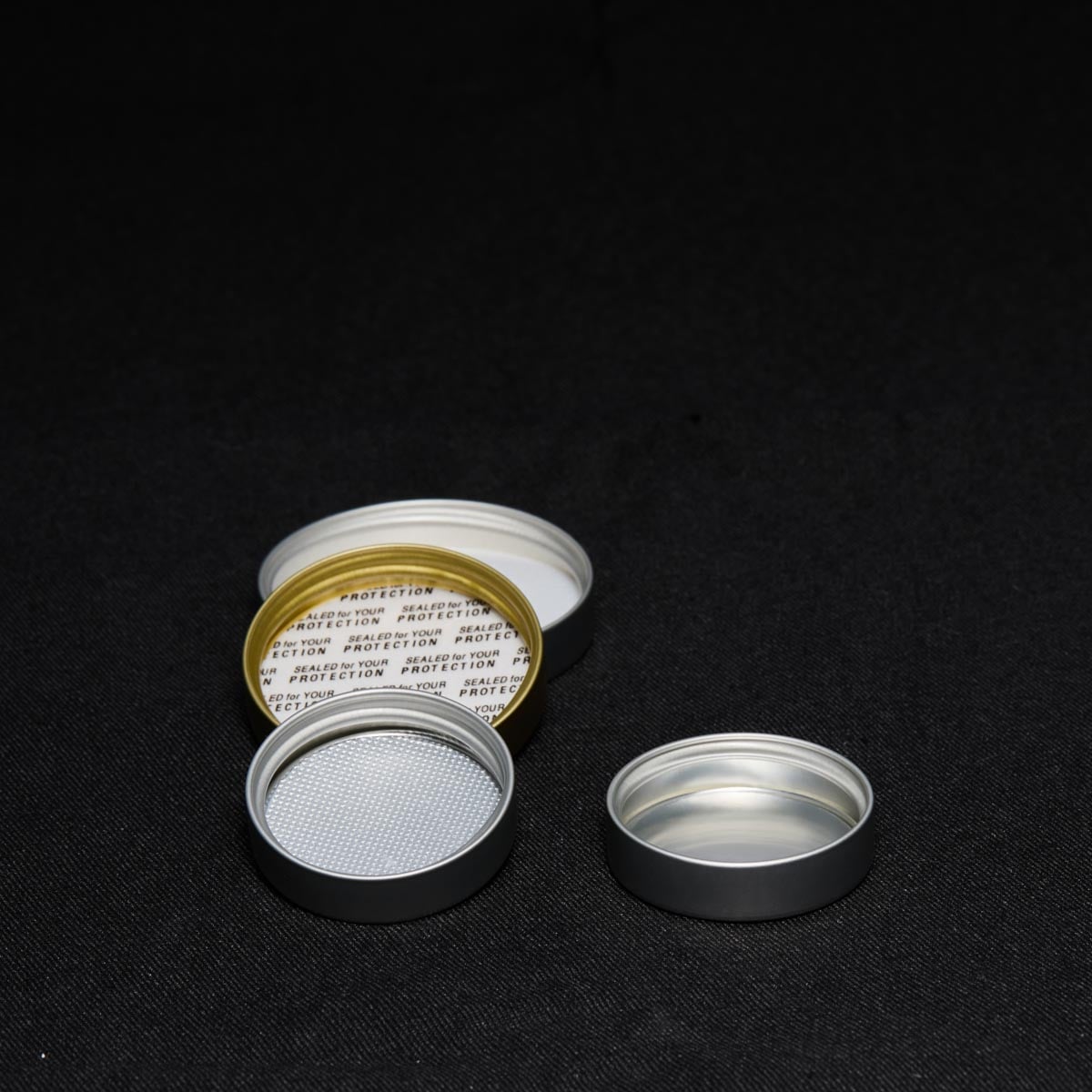
Pressure sensitive liner caps represent a critical sealing solution in pharmaceutical packaging, particularly for liquid medicine applications. These specialized closures combine protective functionality with ease of use, making them increasingly popular across the pharmaceutical industry. Understanding whether pressure sensitive liner caps are suitable for your liquid medicine requires examining their technical characteristics, compatibility factors, and regulatory compliance standards.
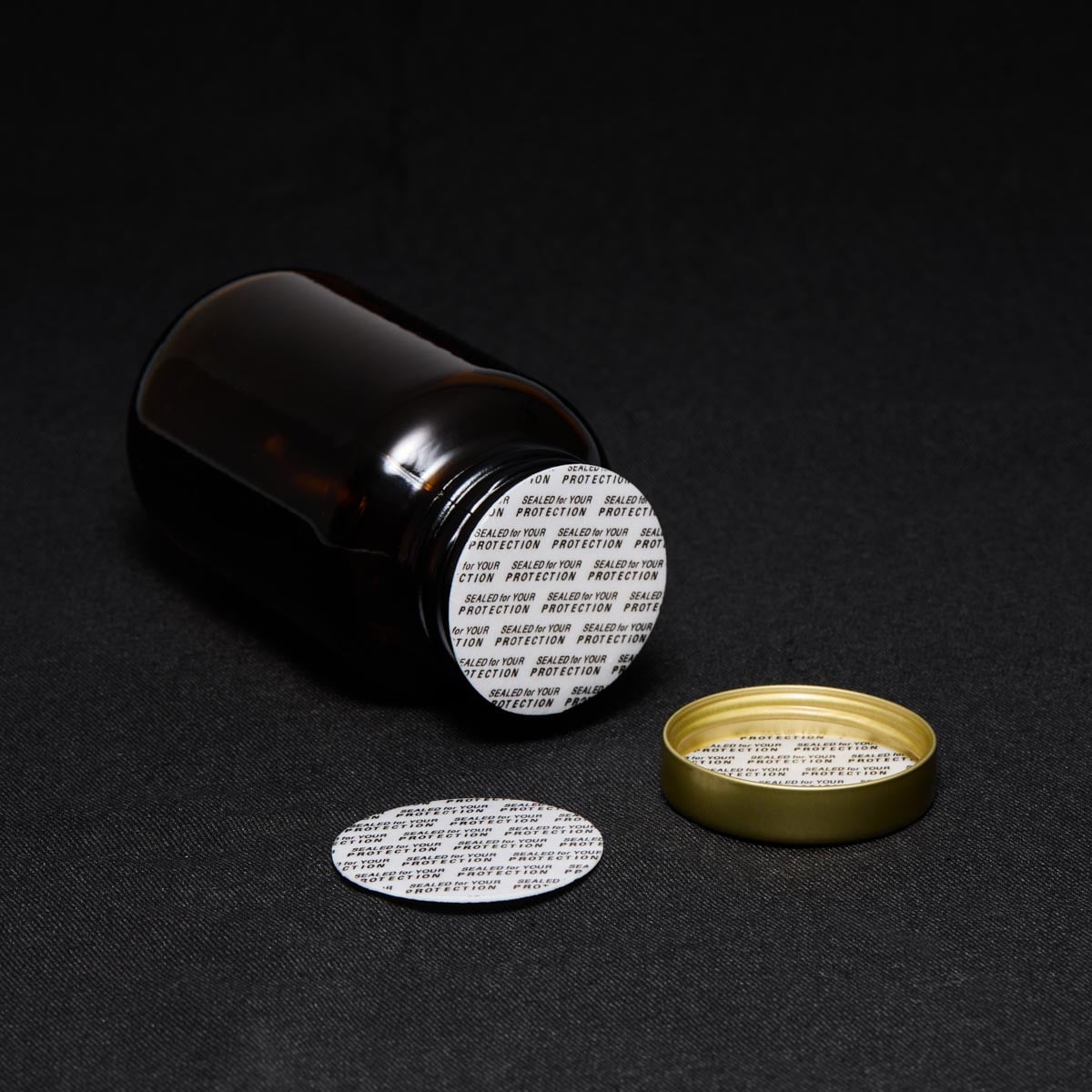
The suitability of pressure sensitive liner caps for liquid medicines depends on multiple factors, including the chemical composition of your medication, storage duration, temperature conditions, and regulatory requirements in your target market. Pressure sensitive liner caps offer significant advantages over traditional screw-on caps, particularly regarding contamination prevention and user convenience. This article explores the practical and technical considerations that determine whether pressure sensitive liner caps meet your specific pharmaceutical needs.
Understanding Pressure Sensitive Liner Caps Technology
How Pressure Sensitive Liner Caps Function
Pressure sensitive liner caps work through an innovative adhesive-based sealing mechanism that activates upon application pressure rather than mechanical threading. When applied to a bottle or container, pressure sensitive liner caps create an immediate, tamper-evident seal without requiring manual twisting or machine equipment. The internal liner material bonds directly to the container rim, establishing an airtight barrier that protects liquid medicines from environmental contamination, oxidation, and evaporation throughout the shelf life.
The technology behind pressure sensitive liner caps involves specialized thermoplastic or elastomeric liner materials engineered for consistent, repeatable sealing performance. These pressure sensitive liner caps utilize pressure-activated adhesive systems that remain inert until application, ensuring they maintain their integrity during storage and transportation. The activation mechanism means pressure sensitive liner caps require minimal operator training and eliminate common sealing failures associated with improper threading or cross-threading on traditional bottle caps.
Material Composition and Liner Properties
Pressure sensitive liner caps typically feature a rigid plastic outer shell combined with a specialized inner liner formulated for specific pharmaceutical applications. The liner material in pressure sensitive liner caps must resist chemical degradation from liquid medicines, including aqueous solutions, alcohols, oils, and complex pharmaceutical formulations. Quality pressure sensitive liner caps employ liners that maintain their adhesive properties across a wide temperature range, typically from 2°C to 40°C, ensuring consistent performance in various storage environments.
The composition of pressure sensitive liner caps requires careful selection based on the specific liquid medicine's chemical profile. Pressure sensitive liner caps designed for aqueous medicines differ from those formulated for oil-based or alcohol-containing formulations, as the liner must resist swelling, dissolution, or degradation from contact with these substances. Premium pressure sensitive liner caps incorporate multi-layer liner construction that provides superior chemical resistance while maintaining optimal adhesive performance for reliable sealing throughout product shelf life.
Suitability Assessment for Liquid Medicines
Chemical Compatibility Considerations
Determining whether pressure sensitive liner caps suit your liquid medicine requires thorough chemical compatibility testing between the cap's liner material and your specific pharmaceutical formulation. Pressure sensitive liner caps must resist penetration, swelling, or degradation from common liquid medicine components including water, ethanol, glycerin, dimethyl sulfoxide, and various active pharmaceutical ingredients. Testing pressure sensitive liner caps involves immersion studies where samples remain in contact with your formulation for extended periods, simulating actual storage conditions and validating seal integrity over the intended shelf life.
Many liquid medicines contain preservatives, antioxidants, or surfactants that can potentially interact with pressure sensitive liner caps materials, causing liner softening or adhesive loss over time. Pressure sensitive liner caps specifically engineered for pharmaceutical use incorporate liner formulations that resist degradation from these common additives, maintaining robust sealing performance even with complex pharmaceutical mixtures. Compatibility testing of pressure sensitive liner caps should include accelerated stability studies at elevated temperatures, such as 40°C for 6–12 months, to confirm suitability before commercial production launch.
Moisture Barrier and Contamination Prevention
Pressure sensitive liner caps excel at providing moisture barriers essential for protecting liquid medicines from environmental humidity that can compromise potency or promote microbial growth. The airtight seal created by pressure sensitive liner caps dramatically reduces oxygen permeation rates compared to traditional screw caps, preventing oxidation-related degradation of sensitive liquid medicines. This barrier function makes pressure sensitive liner caps particularly suitable for medications requiring long-term stability, such as vitamin solutions, herbal extracts, or complex therapeutic formulations prone to degradation.
The tamper-evident design of pressure sensitive liner caps provides visual confirmation of package integrity, immediately revealing any unauthorized opening or contamination attempts. Pressure sensitive liner caps create an intact liner that remains visually connected to the cap after removal, offering consumers and healthcare providers definitive proof that the liquid medicine remained sealed and protected from tampering. This security feature aligns perfectly with current pharmaceutical regulatory requirements and consumer safety expectations for liquid medicine products.
Regulatory Compliance and Implementation Factors
Pharmaceutical Regulatory Standards
Pressure sensitive liner caps must comply with rigorous pharmaceutical packaging standards established by regulatory agencies including the FDA, European Medicines Agency, and various international pharmacopeial organizations. Pressure sensitive liner caps intended for liquid medicines require formal qualification demonstrating that the cap material composition, liner formulation, and sealing performance meet or exceed relevant pharmaceutical standards. Documentation for pressure sensitive liner caps must include biological compatibility testing, extractables and leachables analysis, and long-term stability data validating the cap's suitability across the full range of intended storage conditions.
Regulatory acceptance of pressure sensitive liner caps varies by jurisdiction and medicine classification, making it essential to confirm compliance requirements before selecting these closures for your pharmaceutical product. Pressure sensitive liner caps undergo formal drug master file registration in many jurisdictions, requiring manufacturers to provide comprehensive technical documentation proving safety and efficacy. Your pressure sensitive liner caps supplier should provide certificates of compliance, regulatory approvals, and technical documentation supporting use in pharmaceutical applications within your target markets.
Application Equipment and Production Integration
One significant advantage of pressure sensitive liner caps is their compatibility with existing production equipment, as many formulations require minimal or no specialized machinery for application. Pressure sensitive liner caps can be applied using hand-placement methods or integrated with automated production lines, offering flexibility for small-scale pharmaceutical operations and large-scale manufacturers alike. The straightforward application process for pressure sensitive liner caps reduces training requirements, minimizes application errors, and eliminates the mechanical stresses that sometimes compromise traditional screw cap sealing.
Production efficiency with pressure sensitive liner caps remains high across various manufacturing scales, as these closures activate consistently regardless of application force variations within reasonable parameters. Quality control verification of pressure sensitive liner caps requires confirmation that adequate pressure was applied during capping and that the liner properly bonded to the container rim. Pressure sensitive liner caps can be visually inspected post-application to confirm proper sealing, reducing the need for complex validation equipment and enabling rapid identification of any sealing failures before product release.
FAQ
Can pressure sensitive liner caps work with highly acidic liquid medicines?
Pressure sensitive liner caps can work effectively with acidic liquid medicines when formulated with acid-resistant liner materials such as fluoropolymer or specialized polypropylene compounds. However, not all pressure sensitive liner caps are suitable for highly acidic formulations, so compatibility testing is absolutely essential before product commercialization. Pressure sensitive liner caps designed specifically for acidic applications maintain liner integrity and adhesive strength when exposed to pH values ranging from 2 to 7, protecting the liquid medicine while preserving container integrity throughout the shelf life period.
How long does the seal from pressure sensitive liner caps remain effective?
The seal from pressure sensitive liner caps typically remains effective for the entire labeled shelf life of the liquid medicine, often spanning 2–5 years depending on storage conditions and formulation type. Pressure sensitive liner caps maintain their barrier properties through standard storage temperatures of 15–25°C, with accelerated degradation occurring only at temperatures exceeding 40°C for extended periods. Properly selected pressure sensitive liner caps will maintain seal integrity throughout real-time and accelerated stability studies, confirming their suitability for the declared shelf life under normal storage conditions.
Are pressure sensitive liner caps suitable for liquid medicines requiring refrigerated storage?
Yes, pressure sensitive liner caps are generally suitable for refrigerated liquid medicines, as the liner adhesive systems in pharmaceutical-grade pressure sensitive liner caps remain stable at refrigeration temperatures of 2–8°C. Pressure sensitive liner caps actually perform well in cold storage environments, as lower temperatures enhance the adhesive properties and reduce moisture permeation rates compared to room temperature conditions. However, pressure sensitive liner caps should be evaluated for condensation exposure during transitions between refrigeration and room temperature, ensuring the seal remains intact through normal pharmaceutical distribution and use scenarios.