
 EN
EN

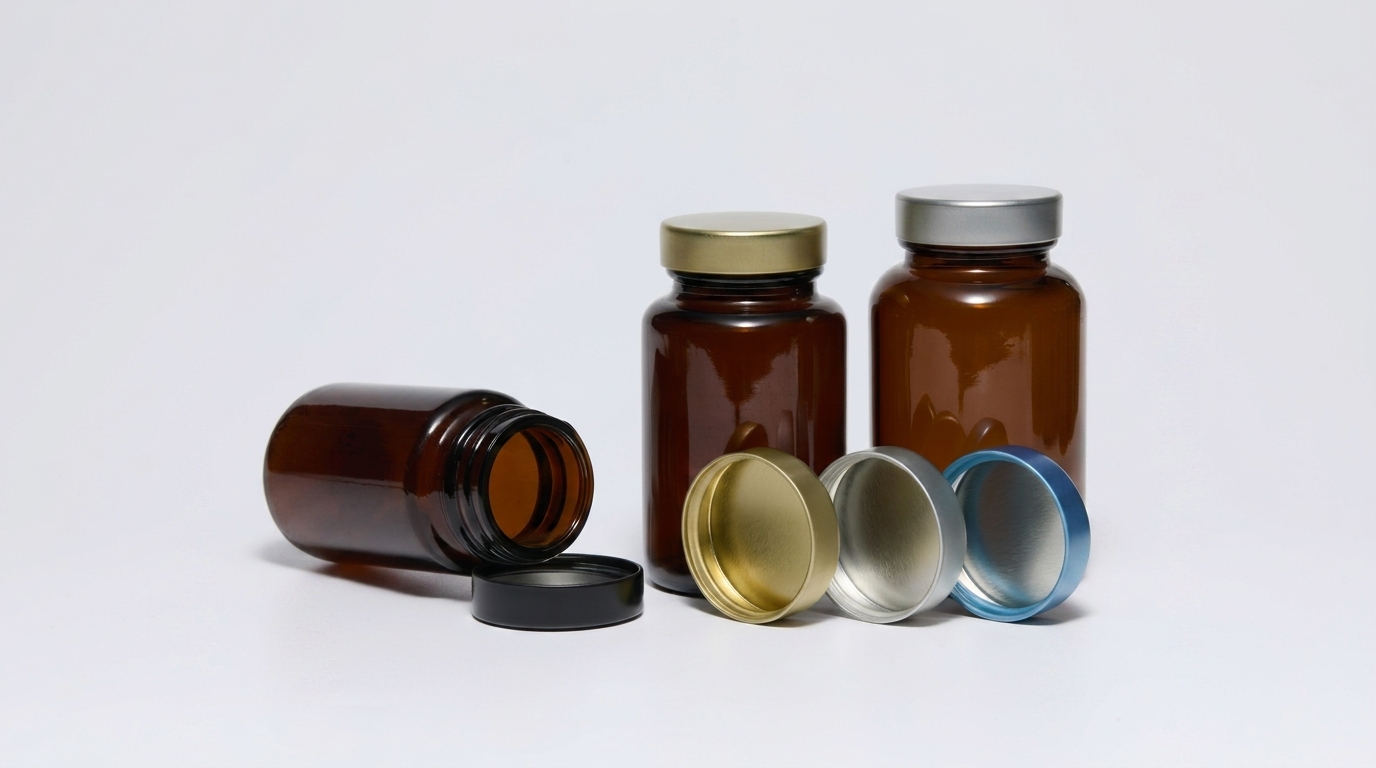
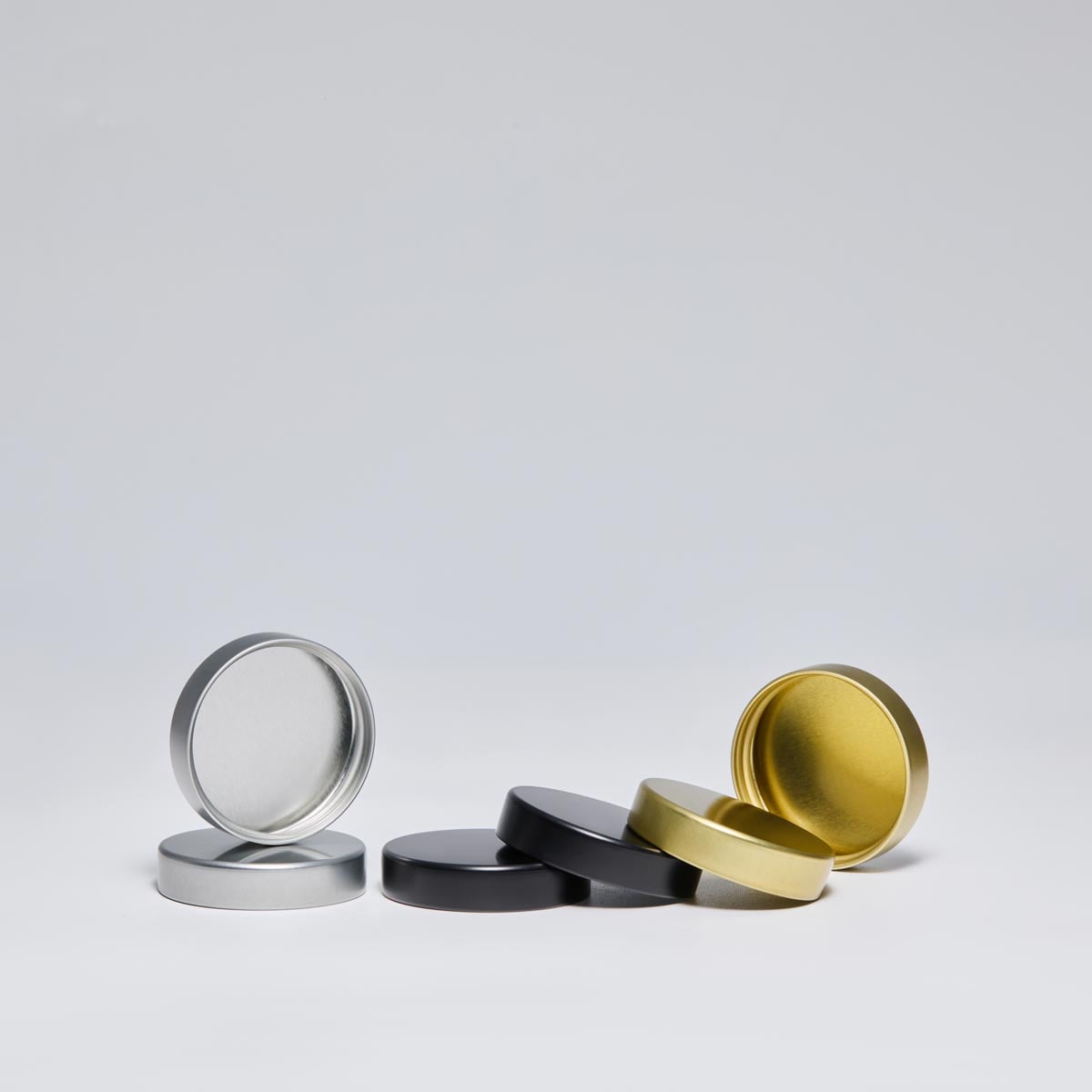
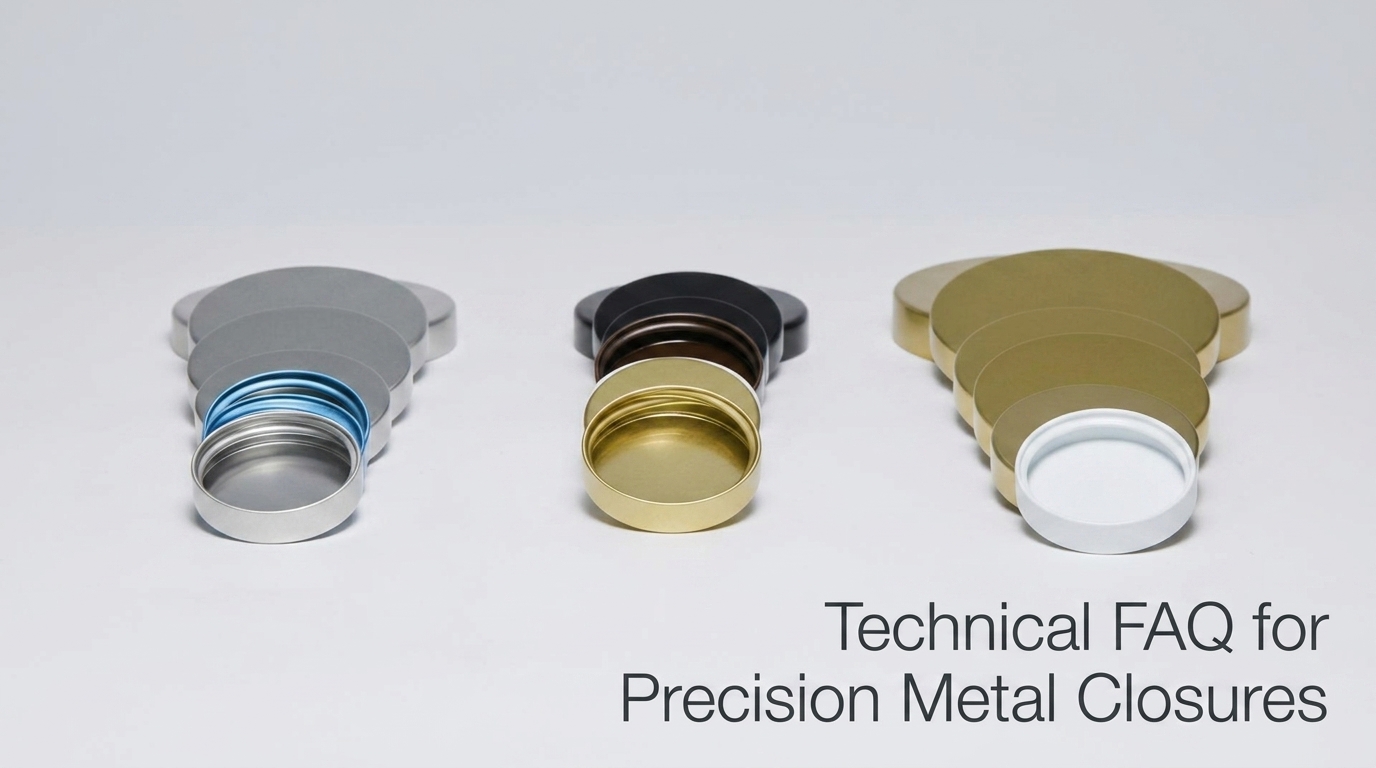
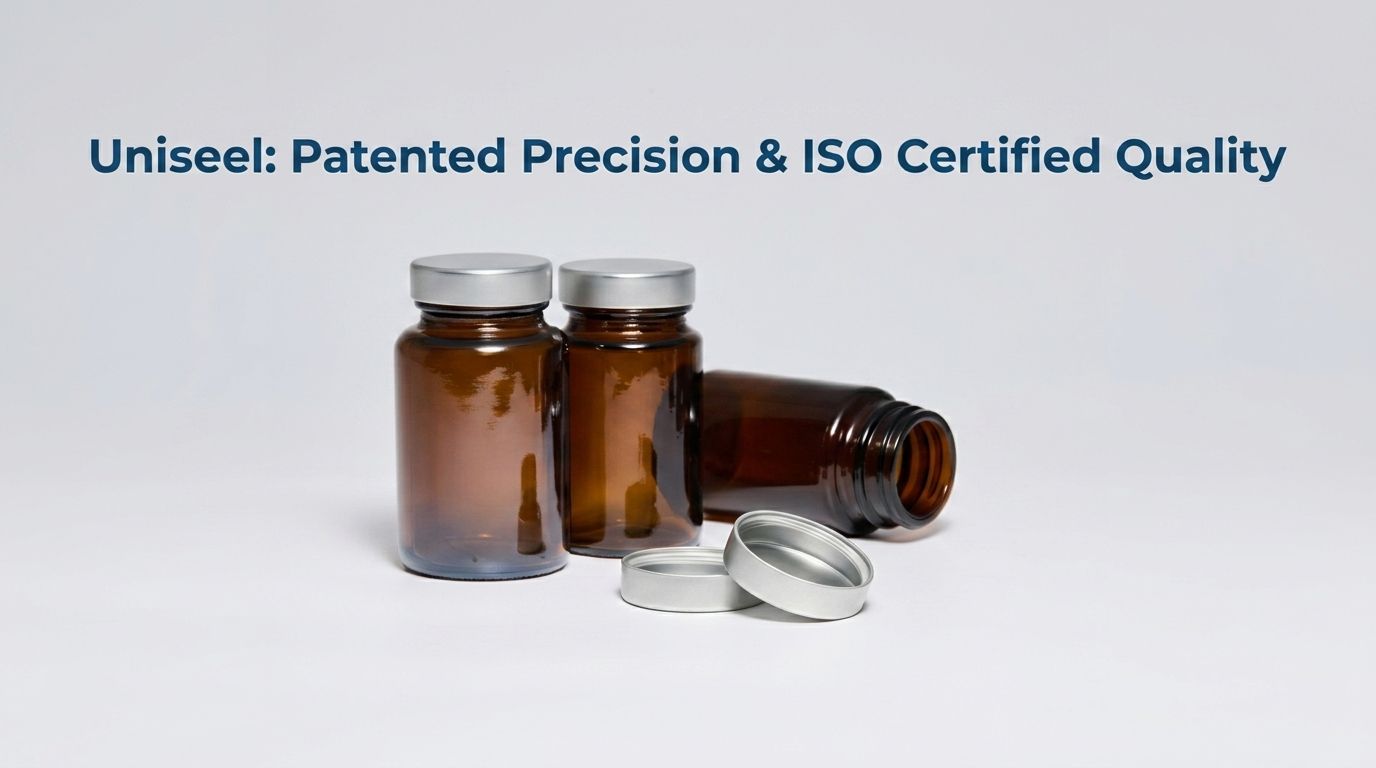
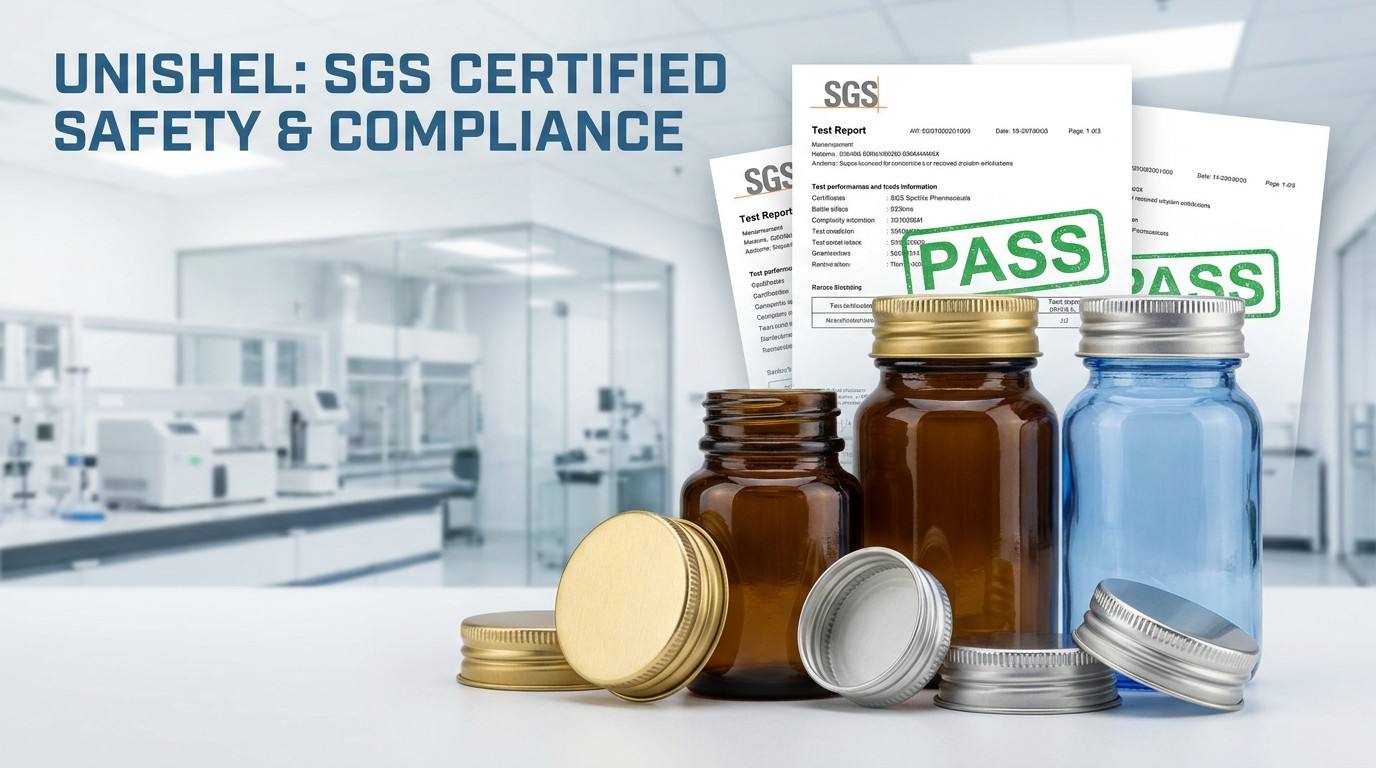
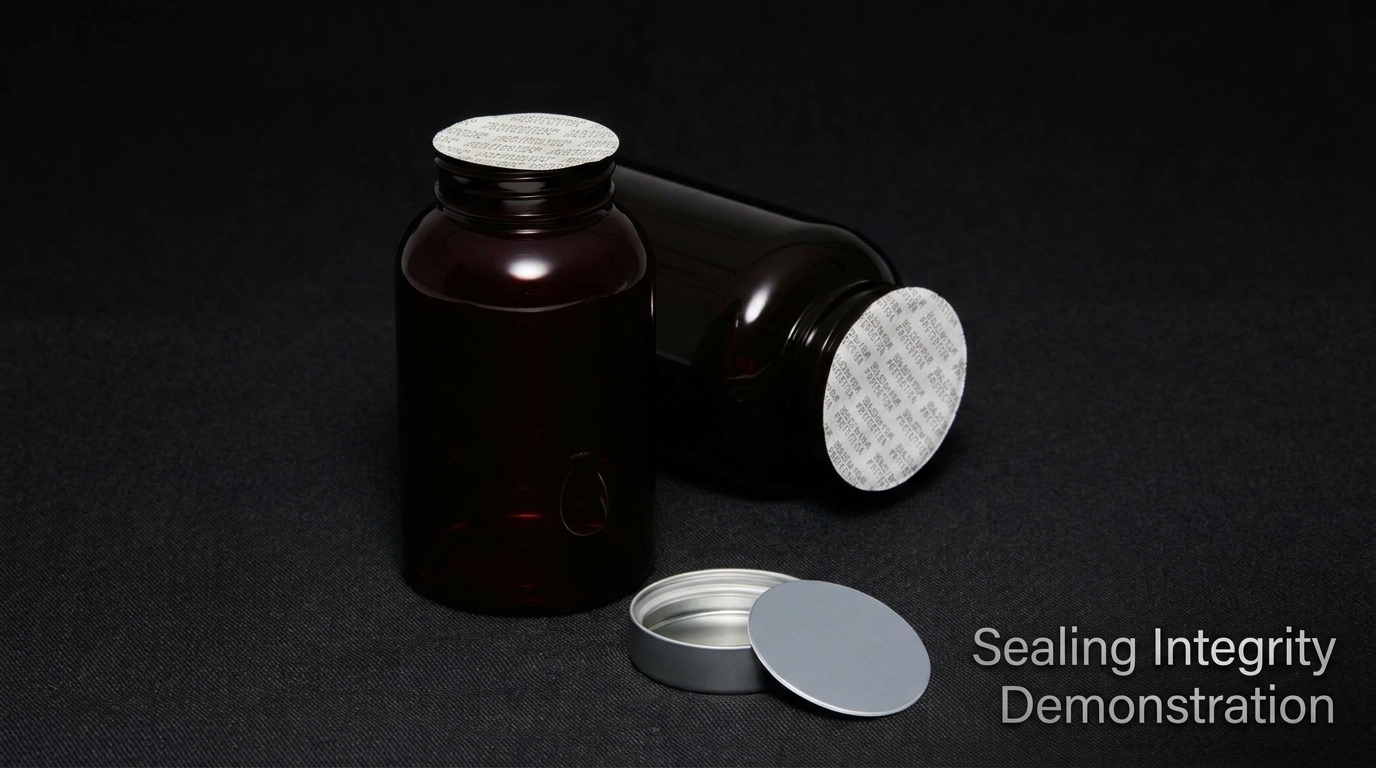
A konzisztens, hermetikus zárás elérése a gyógyszeripari, táplálékkiegészítő és kozmetikai szektorok globális piacain a termék integritásának alapköve. Bár az indukciós hőzáró (IHS) belső zárók a szivárgás megelőzésének és a hamisításbizonyítéknak az aranystandardja, a 100%-os ragadás eléréséhez pontos szinkronizáció szükséges a belső záró, a kupak és a záróberendezés között. A Hangzhou Uniseel Technology Co., Ltd. havonta milliókban szállít egységeket, és nem kapott egyetlen minőségi panaszt sem a főbb globális piacokról. Ugyanakkor tisztában vagyunk azzal, hogy a gyakorlati körülmények – például a berendezés nyomatéka és teljesítménybeállításai – befolyásolhatják a teljesítményt. Ez az útmutató gyakran ismétlődő kérdéseket (GYIK-stílusban) tartalmaz az IHS belső zárók optimalizálásával kapcsolatos leggyakoribb műszaki kérdésekről.
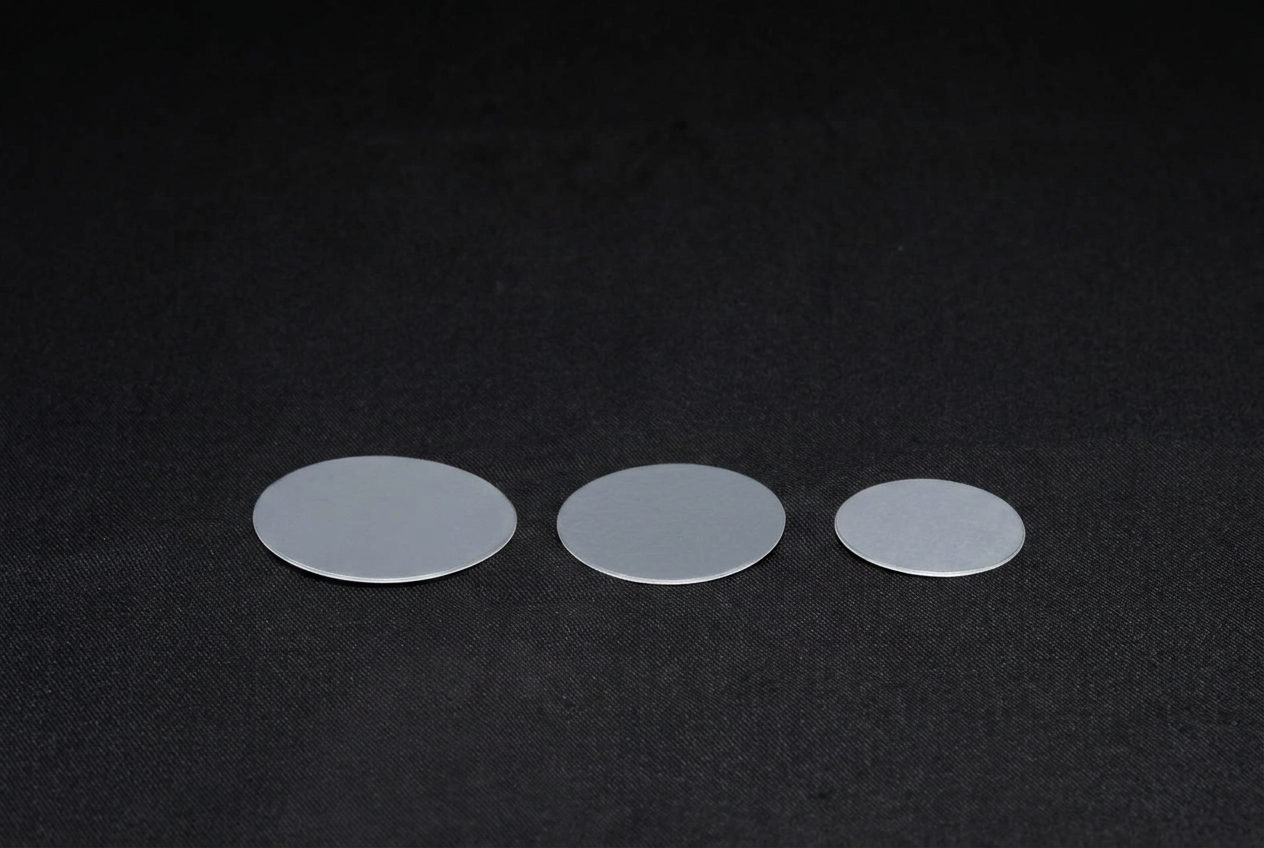
K1: Miért nem ragad meg megfelelően az IHS belső záróm a palack peremén?
A leggyakoribb oka a hiányos ragasztásnak a „nyomás” elégtelensége – az indukciós zárás három műszaki oszlopa közül az első (nyomás, teljesítmény és idő). Ha a kupakozás során nem alkalmazunk megfelelő befeszítési nyomatékot, az alumíniumfólia nem tudja fenntartani a teljes, egyenletes érintkezést a palack peremével a fűtési ciklus alatt. Már egy apró rés is megakadályozza a hőre ragadó réteg hatékony összekapcsolódását. Az Uniseel 38 mm-es zárókupakok esetében ajánlott cél-nyomaték 17–21 hüvelyk-font (in-lb); a 45 mm-es zárókupakoknál 20–25 hüvelyk-font (in-lb). Ha a zárás egyenetlen, akkor a nyomaték növelése a felső határ felé gyakran azonnal megoldja a problémát.
K2: Hogyan határozom meg a megfelelő teljesítményt és gyártósori sebességet (időt) a termelősoromhoz?
Az optimalizálás az energia és a tartási idő közötti egyensúlyt jelenti. A szokásos PET- vagy HDPE-palackok esetében az indukciós teljesítményt általában 60–80% között kell beállítani. A üvegpalackok, amelyek hőelnyelőként működnek, esetében a teljesítményt 80–90%-ra lehet növelni (feltéve, hogy üveghez kifejlesztett belső gyűrűket használnak). Az indukciós fej alatt eltöltött hatékony tartási időnek 0,6–1,5 másodperc között kell maradnia. Ha a teljesítmény túl alacsony, a zárógyűrű nem kötődik megfelelően; ha viszont túl magas, vagy a gép sebessége túl lassú, a belső gyűrű „átég” a palackon. Javasoljuk, hogy fokozatosan végrehajtott „lépéspróbát” végezzen a saját berendezésén, hogy megtalálja a legmegfelelőbb beállítást a palack–kupak kombinációhoz.
K3: A belső gyűrűnek szüksége van-e speciális kezelésre az indukciós fej áthaladása után?
Igen – a „lehűlési szabály” kritikus fontosságú. A termoplasztikus hőre ragadó rétegnek néhány másodpercre van szüksége ahhoz, hogy megkeményedjen és tartós kötést alakítson ki a palack peremével. Ha a palackkupakot azonnal kicsavarják a zárás után a eredmény ellenőrzése céljából, a kötés megszakadhat, amíg az anyag még félfolyós állapotban van. A lehúzásos teszt elvégzése vagy a kupak kicsavarása előtt mindig várja meg, amíg a záróelem eléri a környezeti hőmérsékletet. Ez biztosítja, hogy a kémiai kötés elérje maximális szerkezeti szilárdságát.
K4: Hogyan oldhatók meg a többfejes záróberendezésen tapasztalható egyenetlen zárások?
A gyártási sorozatban tapasztalható inkonzisztencia gyakran a mechanikus zárásra utal. Ellenőrizze, hogy bármelyik kupakot esetleg enyhe dőléssel helyezték-e fel; a dőlt kupak egyenetlen nyomást eredményez a palack peremén, ami „félhold alakú” zárakhoz vezet. Emellett ellenőrizze, hogy a palackok peremei tiszták-e, és nincs-e rajtuk folyadék- vagy porhulladék a töltési folyamatból. Már egy mikroszkopikus olaj- vagy porréteg is akadályt jelenthet az indukciós kötés kialakulásában. Végül győződjön meg arról, hogy az indukciós fej és a kupak teteje közötti távolság állandó (általában 2–3 mm).
K5: Hogyan ellenőrzi az Uniseel a belső zárógyűrű minőségét a szállítás előtt?
Az Uniseelnél a műszaki megbízhatóságot több szakaszban ellenőrizzük. Minden IHS-bélés tételünket alapos mintavételi vizsgálatoknak vetjük alá – ideértve az ipari szabványoknak megfelelő tárolókonténerekkel és különféle PET/HDPE geometriákkal való kompatibilitási teszteket is – mielőtt engedélyeznénk a gyártását. Csak 2025-ben is több mint 70 millió fémmel zárható csomagolóelemet szállítottunk különféle bélésekkel, amelyek anyagstabilitásával kapcsolatban 0 %-os panaszarányt értünk el. Gyártási folyamataink szigorú, ISO-szabvány szerint tanúsított protokollok szerint zajlanak, így minden olyan bélés, amely az Ön létesítményébe érkezik, 100 %-os teljesítménykészségre van optimalizálva.
Következtetés: Pontos mérnöki megoldás a tökéletes tömítés érdekében
A tömítési problémák ritkán az anyag hibájából adódnak, hanem inkább a paraméterek összehangolatlanságából. Az Ön csavarozási nyomatékának, teljesítményének és hűtési protokolljainak optimalizálásával teljes mértékben kihasználhatja az Uniseel IHS rendszer védőképességét.
Uniseel – „Egységes minőség, biztonságosan lezárva.”