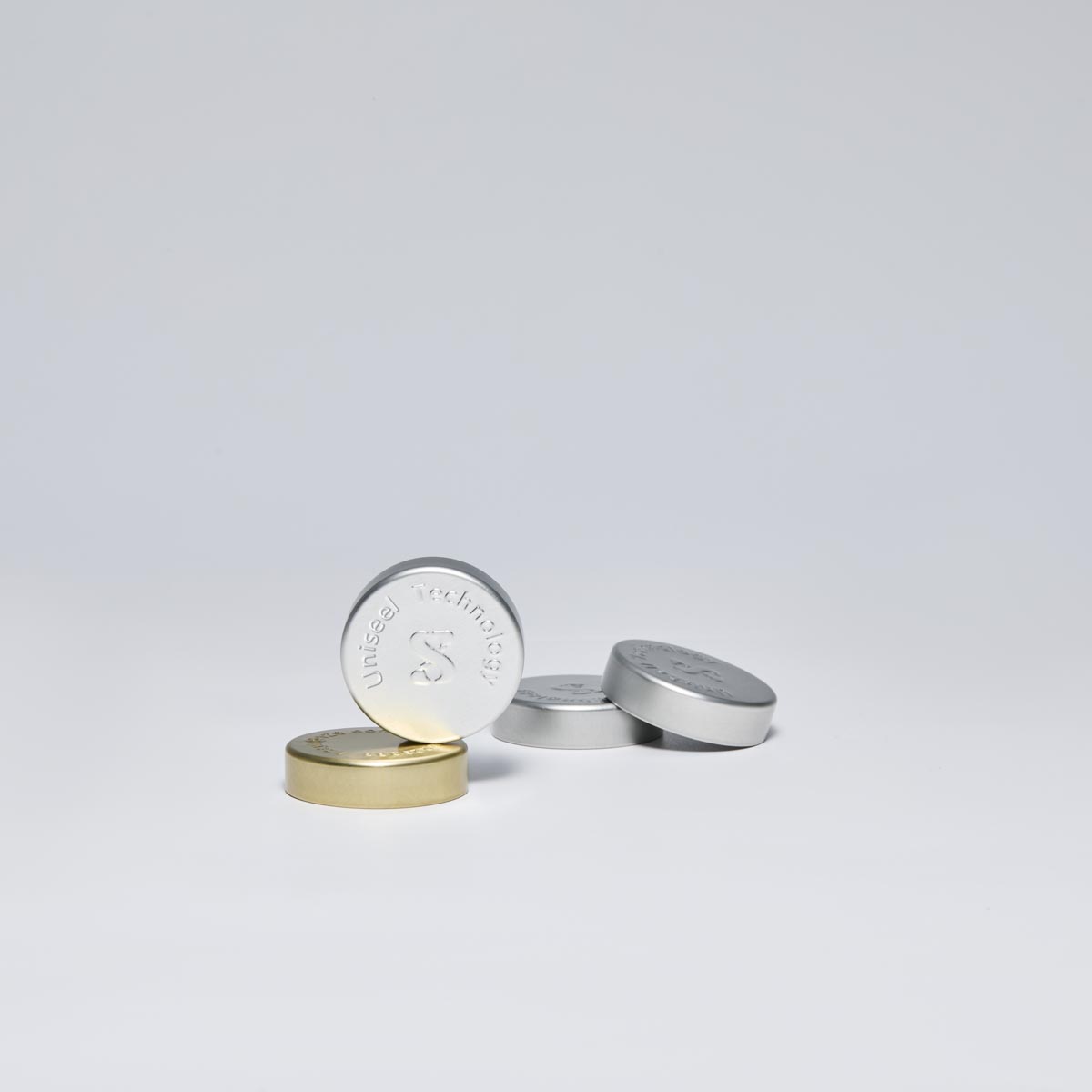
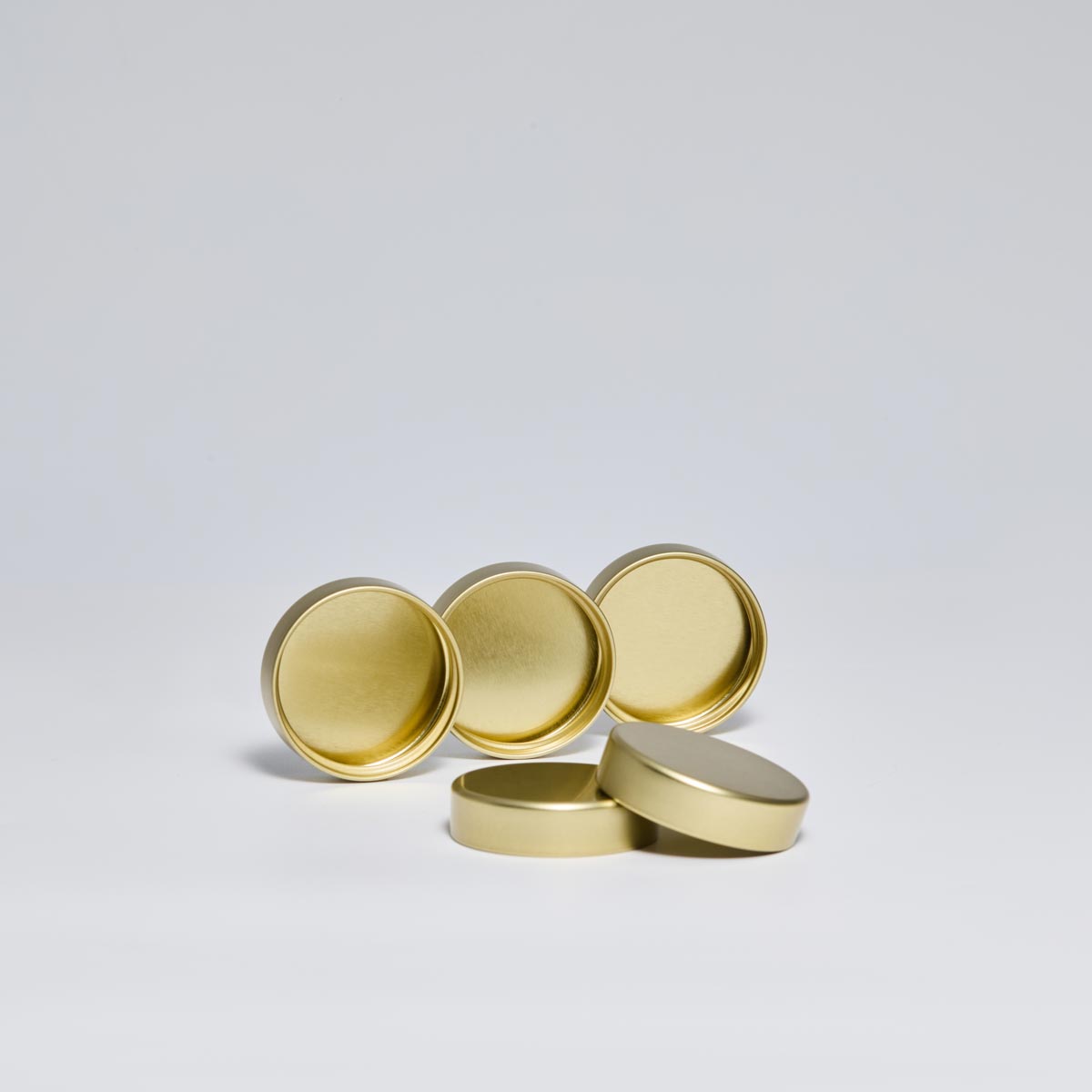
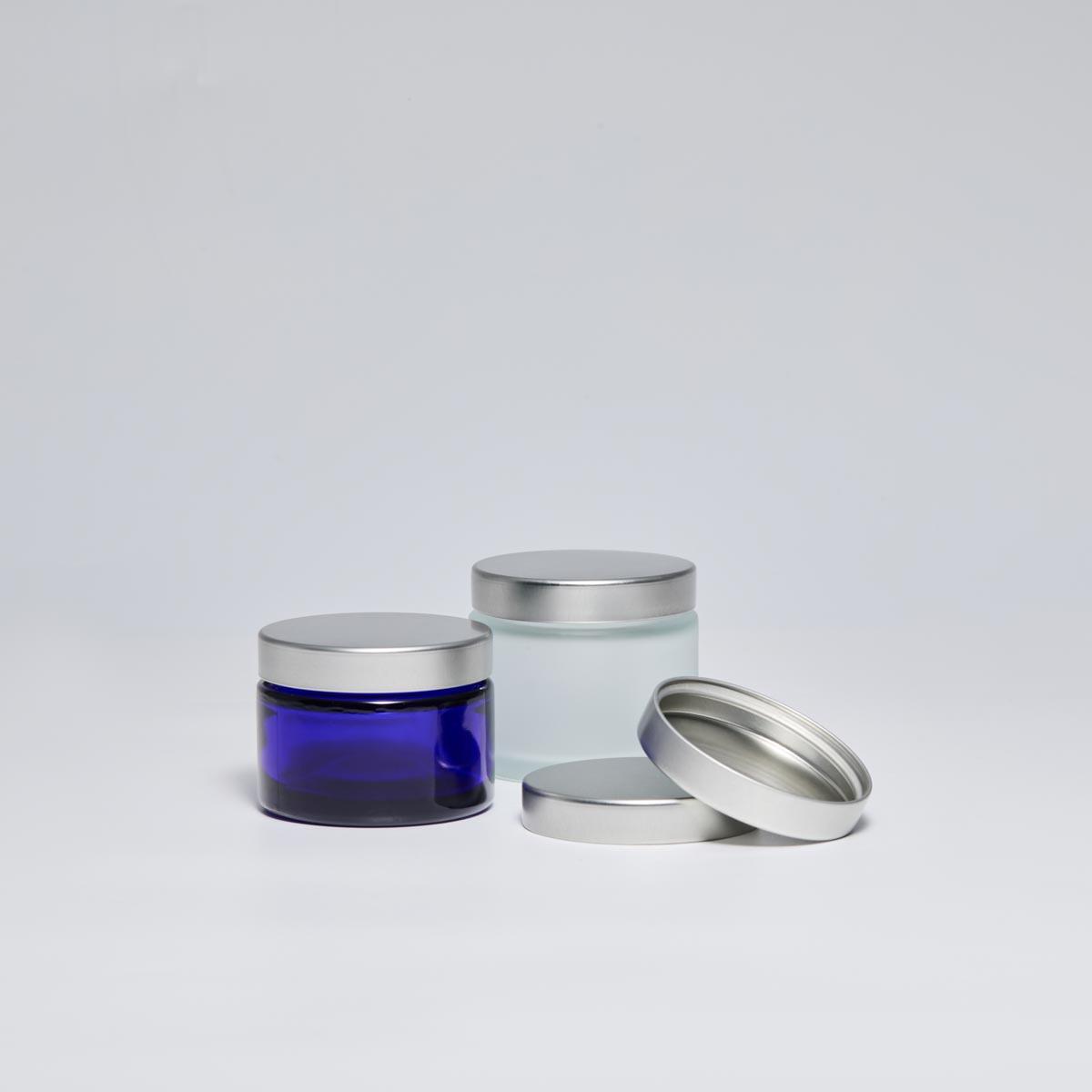
Bottle Cap Price Guide: Cost & Value Factors

Premium Unishell Caps & Sealing Liners contact us

bottle cap price

Understanding bottle cap price is essential for businesses in beverage, pharmaceutical, cosmetic, and food packaging industries. The bottle cap price encompasses the cost per unit for various closure solutions, including plastic screw caps, metal crowns, flip-top caps, and specialized dispensing closures. These components serve critical functions beyond simple sealing—they maintain product freshness, prevent contamination, ensure tamper evidence, and enhance brand recognition through customizable designs. Technological features influencing bottle cap price include material composition such as polypropylene, polyethylene, or aluminum, manufacturing processes like injection molding or compression molding, liner systems for enhanced sealing, and decorative options including embossing, printing, or color matching. Applications span carbonated beverages requiring pressure-resistant caps, pharmaceutical containers needing child-resistant closures, cosmetic bottles demanding elegant dispensing mechanisms, and food products requiring hermetic sealing. The bottle cap price varies significantly based on order volume, customization requirements, material selection, and functional specifications. Buyers evaluating bottle cap price must consider compatibility with bottle neck finishes, performance requirements such as torque specifications, regulatory compliance for food contact materials, and total cost of ownership including application equipment needs. Market dynamics affecting bottle cap price include raw material costs, manufacturing location, tooling investments for custom designs, and supplier capabilities for quality assurance and consistent delivery schedules.

New Products

Evaluating bottle cap price strategically delivers substantial value to purchasing decisions across multiple business dimensions. When you assess bottle cap price comprehensively, you gain clarity on budget allocation while ensuring product protection meets your specific requirements. The transparent understanding of bottle cap price enables accurate forecasting for production costs, helping you maintain competitive pricing in your market segment. Operational benefits emerge when bottle cap price aligns with your volume needs—bulk purchasing at optimized bottle cap price points reduces per-unit costs significantly while maintaining consistent quality standards. Your production efficiency improves when the bottle cap price reflects reliable supply chain partnerships, minimizing downtime from inventory shortages or quality inconsistencies. Application suitability becomes clearer through bottle cap price analysis, as premium closures with advanced features justify higher investment for products requiring extended shelf life, specialized dispensing, or regulatory compliance. Conversely, cost-effective options at competitive bottle cap price levels serve adequately for applications with less demanding performance criteria. Decision-useful context around bottle cap price includes understanding the relationship between initial purchase cost and long-term value—investing in quality closures at reasonable bottle cap price prevents product spoilage, reduces customer complaints, and protects brand reputation. Your negotiating position strengthens when you understand market-standard bottle cap price ranges, enabling informed supplier discussions and contract terms. The bottle cap price ultimately represents an investment in customer satisfaction, as proper closures ensure product integrity from manufacturing through end-user experience, justifying the cost through reduced waste, enhanced brand perception, and regulatory compliance assurance.

Latest News

The Engineering of a Perfect Seal: Decoding Uniseel Technical Drawings for Global Packaging Compatibility

07

Jun

The Engineering of a Perfect Seal: Decoding Uniseel Technical Drawings for Global Packaging Compatibility

View More
Uniseel Technology Achieves EU CE & RoHS Certification: A New Benchmark for Premium Metal Closures in the European Market

08

Jun

Uniseel Technology Achieves EU CE & RoHS Certification: A New Benchmark for Premium Metal Closures in the European Market

View More
The Critical Barrier: Decoding the SGS EU FCM Report for Uniseel IHS Aluminum Foil Liners

08

Jun

The Critical Barrier: Decoding the SGS EU FCM Report for Uniseel IHS Aluminum Foil Liners

View More
Troubleshooting IHS Sealing: Expert FAQ on Induction Heat Seal Liner Optimization

07

Jun

Troubleshooting IHS Sealing: Expert FAQ on Induction Heat Seal Liner Optimization

View More

Get a Free Quote

Our representative will contact you soon.
Email
Mobile/WhatsApp
Name
Company Name
Message
0/1000

bottle cap price

Material Quality Impact on Bottle Cap Price

Material Quality Impact on Bottle Cap Price

The relationship between material selection and bottle cap price fundamentally affects your product's performance and cost structure. Premium materials like virgin polypropylene or specialized compounds with UV resistance, enhanced flexibility, or food-grade certifications command higher bottle cap price points but deliver superior sealing performance and durability. These advanced materials prevent product degradation, especially for sensitive contents like pharmaceuticals or premium beverages, where product loss from inadequate sealing far exceeds the incremental bottle cap price difference. Recycled or economy-grade materials offer lower bottle cap price alternatives suitable for non-critical applications, though you should evaluate potential trade-offs in consistency and performance. The bottle cap price variation between material options typically reflects differences in raw material sourcing, processing requirements, and certification costs. Understanding this connection helps you select appropriate material grades that balance cost management with performance needs, ensuring your bottle cap price investment delivers optimal value without over-specifying for applications where standard materials suffice or under-investing where product protection demands premium closures.
Volume Purchasing and Bottle Cap Price Optimization

Volume Purchasing and Bottle Cap Price Optimization

Your order quantity dramatically influences bottle cap price economics through manufacturing efficiencies and supplier pricing structures. Large-volume commitments reduce bottle cap price substantially because tooling costs, setup expenses, and production runs spread across more units, lowering per-piece costs. Suppliers offer tiered bottle cap price schedules where quantities reaching 100,000, 500,000, or million-unit thresholds unlock progressively better pricing. This bottle cap price structure rewards planning and consolidated ordering, making inventory management strategies critical to cost optimization. However, balancing bottle cap price savings against storage costs, capital tied in inventory, and product design flexibility requires careful analysis. Smaller businesses or those with diverse product lines may find mid-volume bottle cap price points more practical despite higher per-unit costs, as they maintain agility and reduce obsolescence risk. Strategic partnerships with suppliers can sometimes secure preferential bottle cap price treatment even at moderate volumes when you demonstrate consistent ordering patterns and long-term commitment. Understanding these volume dynamics within bottle cap price structures empowers you to negotiate effectively and structure purchasing agreements that optimize total cost while maintaining operational flexibility.
Customization Features and Bottle Cap Price Considerations

Customization Features and Bottle Cap Price Considerations

Customization options significantly influence bottle cap price while creating powerful branding and functional differentiation opportunities. Standard stock closures offer the lowest bottle cap price but limited brand expression, whereas custom colors, logos, embossing, or specialized dispensing features increase bottle cap price proportionally to complexity and tooling requirements. The bottle cap price premium for customization typically includes initial tooling investments ranging from hundreds to several thousand dollars, then incremental per-unit costs for specialized manufacturing processes. This bottle cap price structure makes customization more economically viable at higher volumes where tooling costs distribute across many units. Functional customizations like tamper-evident bands, child-resistant mechanisms, or precision dispensing orifices command premium bottle cap price levels but deliver essential regulatory compliance or user experience advantages that justify the investment. Evaluating customization against bottle cap price requires assessing brand positioning, competitive differentiation needs, and regulatory requirements. For premium products, the enhanced brand perception from custom closures often justifies higher bottle cap price, while value products may prioritize minimizing bottle cap price through standardized solutions. Understanding this customization-cost relationship within bottle cap price helps you make strategic decisions about where to invest in differentiation versus where to optimize for cost efficiency.
Bottle Cap Price Guide: Cost & Value Factors

Get a Free Quote

Our representative will contact you soon.
Email
Mobile/WhatsApp
Name
Company Name
Message
0/1000