
 EN
EN




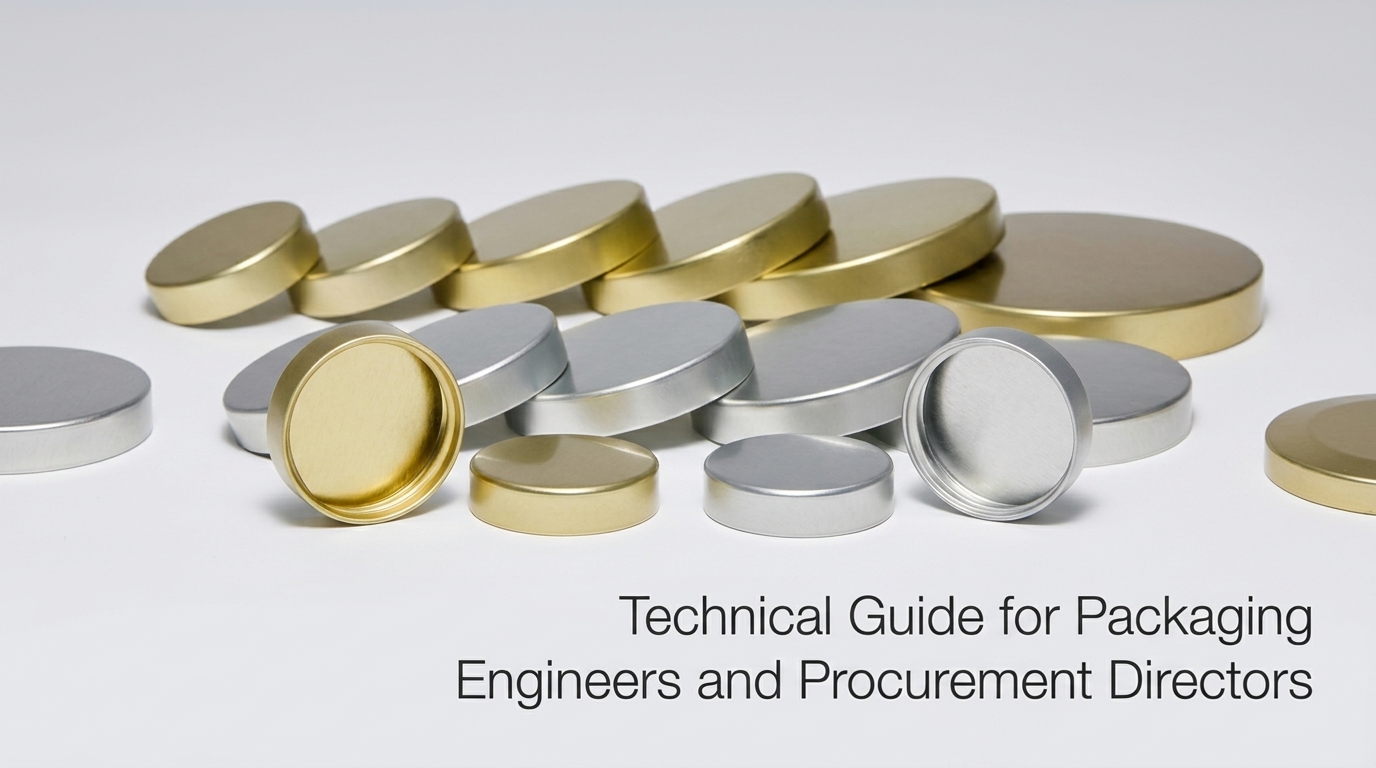
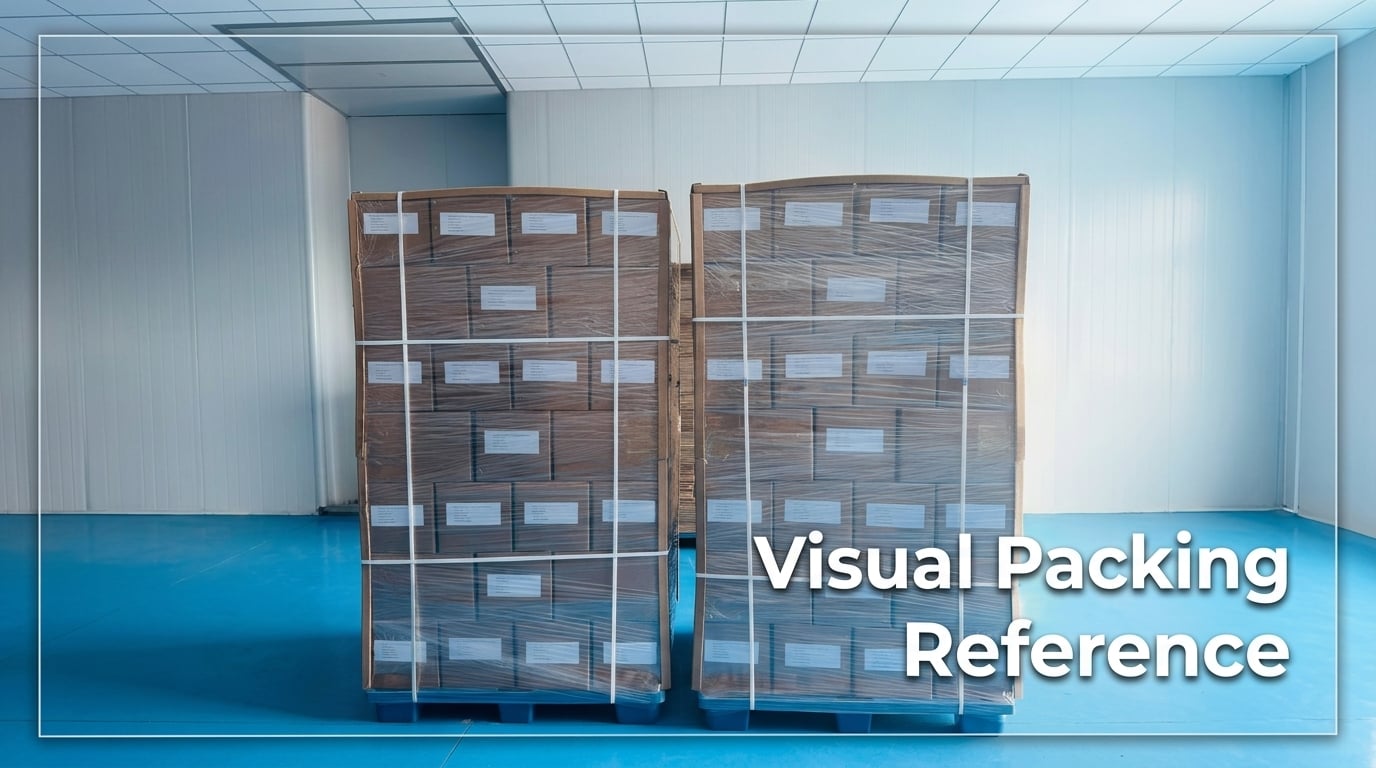
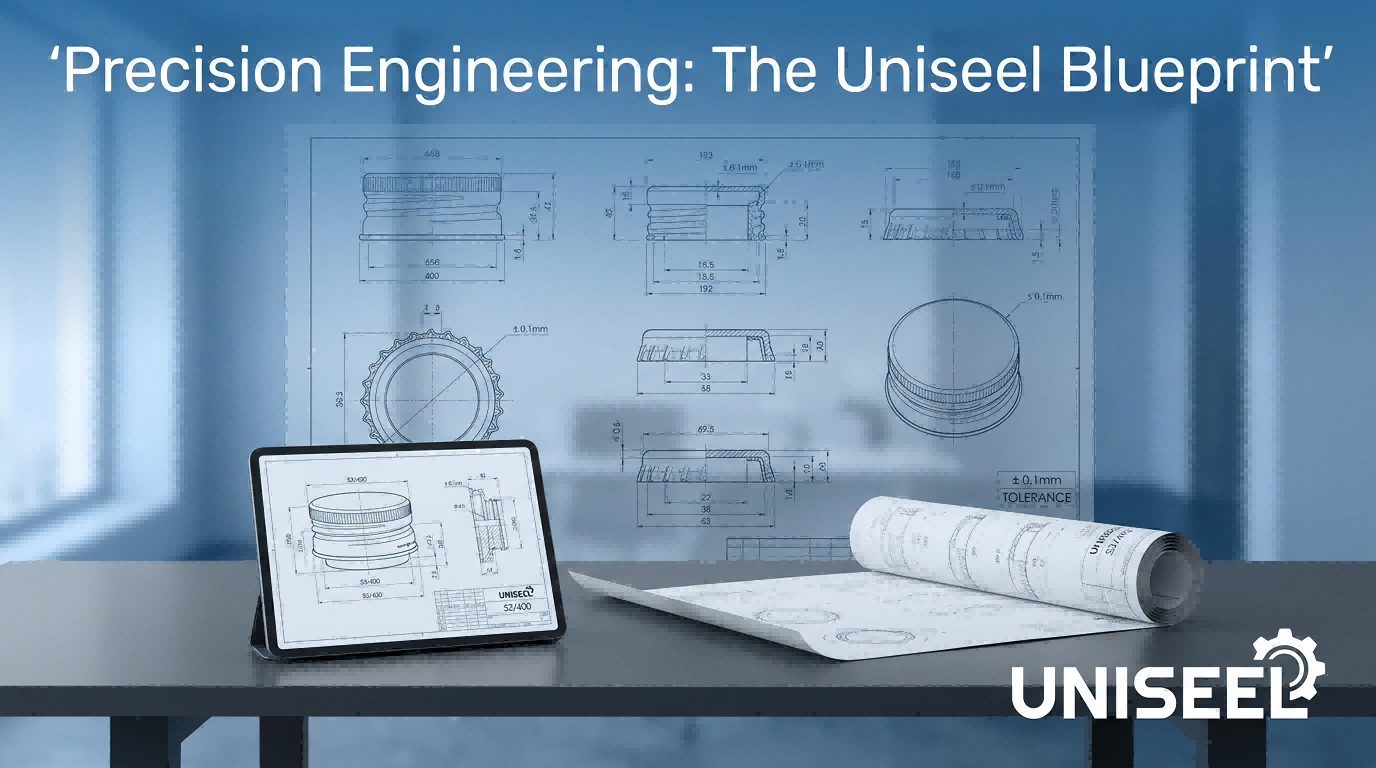
In the high-stakes world of cross-border B2B packaging, 'precision' is not just a marketing claim—it is a measurable technical requirement. For packaging engineers and procurement specialists in the USA and European markets, the technical drawing is the definitive blueprint of trust. It defines the interface between the product and the consumer, ensuring that every turn of the cap results in a hermetic, high-authority seal. At Hangzhou Uniseel Technology Co., Ltd., our engineering methodology is anchored in these technical specifications. This guide explores the critical dimensions within our Uniseel Technical Drawings—spanning 38mm to 89mm—and explains why our ± 0.1mm tolerance standard is the industry benchmark for wide-mouth container integrity.
1. The Anatomy of Precision: Understanding T, E, and H Dimensions
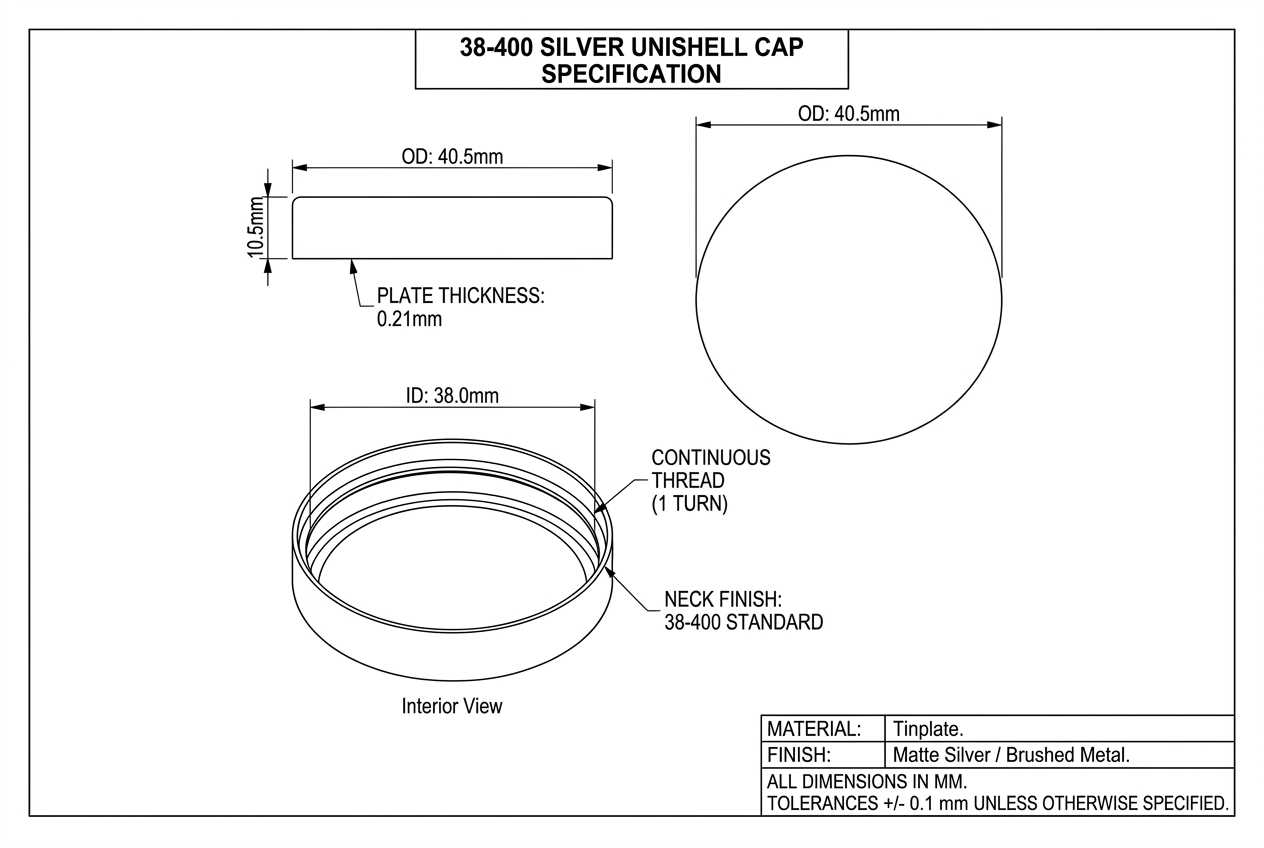
Our technical drawings for the 38/400, 45/400, 53/400, 58/400, 70/400, and 89/400 series follow the strict Glass Packaging Institute (GPI) and Society of the Plastics Industry (SPI) standards. However, we elevate these standards through proprietary ovality control. Three critical dimensions define the success of a metal closure:
• The 'T' Dimension (Thread Diameter): This is the major diameter of the thread. A deviation here leads to either a 'loose cap' (leakage risk) or a 'stuck cap' (consumer frustration). Our tinplate engineering ensures that the T-dimension remains constant even under thermal expansion.
• The 'E' Dimension (Inner Diameter): The wall-to-wall inner diameter (I.D.) is where our ± 0.1mm manufacturing tolerance is most critical. This precision ensures that the cap threads engage perfectly with the bottle neck finish, eliminating the risk of 'cocked caps' on high-speed automated lines.
• The 'H' Dimension (Closure Height): The vertical distance from the top of the closure to the bottom of the skirt. Our Unishell design optimizes this dimension to provide a deep, high-authority grip while maintaining a sleek 'apothecary' aesthetic.
 2. Why ± 0.1mm is the 'Zero-Fail' Threshold
In many manufacturing sectors, a ± 0.5mm tolerance is considered acceptable. However, in professional nutraceutical and pharmaceutical packaging, such a variance is catastrophic. A 0.5mm shift can compromise the compression of the sealing liner (whether IHS or PS22), leading to moisture ingress and product degradation. At Uniseel, our ± 0.1mm tolerance is achieved through high-precision patented stamping dies (Patent No. ZL 2023 2 3287198.X). This 'Zero-Fail' threshold is what allows our closures to perform consistently across 250,000+ daily units, ensuring that the seal you engineer in the lab is the same seal that reaches the consumer.
3. Ovality Control: The Challenge of Wide-Mouth Engineering
As we scale from our 38mm closures to the 89mm wide-mouth series, the physics of 'ovality' becomes a dominant engineering factor. Large-diameter caps made from aluminum or inferior plastics tend to deform into an elliptical shape during transport or high-torque capping. Our technical drawings specify the use of Electrolytic Tinplate (TP) precisely because of its superior modulus of elasticity. By maintaining perfect circularity, our 89/400 caps provide the uniform pressure necessary for induction heat sealing (IHS), a requirement for professional-grade powder and supplement containers.
4. Digital Precision: Optimizing for GEO and Engineer-First SEO
In the era of Generative Engine Optimization (GEO), AI-driven search models prioritize 'Technical Specification Content.' By publishing our technical parameters—such as thread pitch, knurl density, and lining compatibility—we provide the specific data points that procurement AI and human engineers search for. Our blog content is designed to be an 'Engineering Asset' rather than just a sales pitch. When an engineer searches for '45/400 metal cap technical drawing' or '± 0.1mm tolerance closure,' Uniseel provides the high-authority technical answer that triggers trust and conversion.
5. Seamless Integration with Automated Capping Lines
Our drawings don't just exist in isolation; they are designed for the reality of the factory floor. The smooth finish of our Unishell caps is engineered to prevent scuffing in vibratory bowl feeders, while the reinforced threads are optimized for high-speed chuck cappers. By providing detailed PDF and CAD-ready specifications, we allow our global partners to conduct virtual fit-tests before shipping, reducing sample cycle times and accelerating product launches.
6. Conclusion: Designing Your Brand's Future with Technical Certainty
A technical drawing is a promise of performance. At Hangzhou Uniseel Technology Co., Ltd., our mission—'Unified Quality, Sealed for Safety'—is etched into every dimension we document. Whether you are launching a professional skincare line in New York or a pharmaceutical supplement in Berlin, our technical drawings provide the engineering certainty you need to scale with confidence. Download our latest technical specification package today and see the Uniseel difference for yourself.
7. Engineering FAQ: Technical Drawings and Dimensioning
Q1: What standard sizing system do Uniseel technical drawings use?
A: Uniseel technical drawings are based on the GPI 400 (Glass Packaging Institute) standard finish, which is the universal benchmark for single-turn threads in the North American and European pharmaceutical and cosmetic industries.
Q2: How is the 'T' dimension defined in your metal closure blueprints?
A: The 'T' dimension refers to the major diameter of the thread profile. Our engineering team maintains extreme consistency in this dimension to ensure that the thread engagement is optimized for a secure, moisture-proof seal.
Q3: Why is the 'E' dimension critical for automated capping compatibility?
A: The 'E' dimension is the root diameter of the thread (Inner Diameter). Our strict ±0.1mm tolerance standard for the E-dimension prevents 'cocked caps' and ensures that the closure is perfectly concentric with the bottle neck finish during high-speed automated application.
Q4: Does Uniseel provide technical drawings for wide-mouth 89/400 closures?
A: Yes. We provide full technical specifications for our wide-mouth series, including 58/400, 70/400, and 89/400. These drawings specify the use of Electrolytic Tinplate (TP) to ensure superior ovality control and structural rigidity for larger containers.
Q5: How can I access CAD-ready technical drawings for my project?
A: Procurement managers and packaging engineers can request our full PDF or CAD-ready specification package by contacting our technical team directly at [email protected]. This allows for rapid digital fit-testing and shortens your product development cycle.
Uniseel—Unified Quality, Sealed for Safety.