
 EN
EN


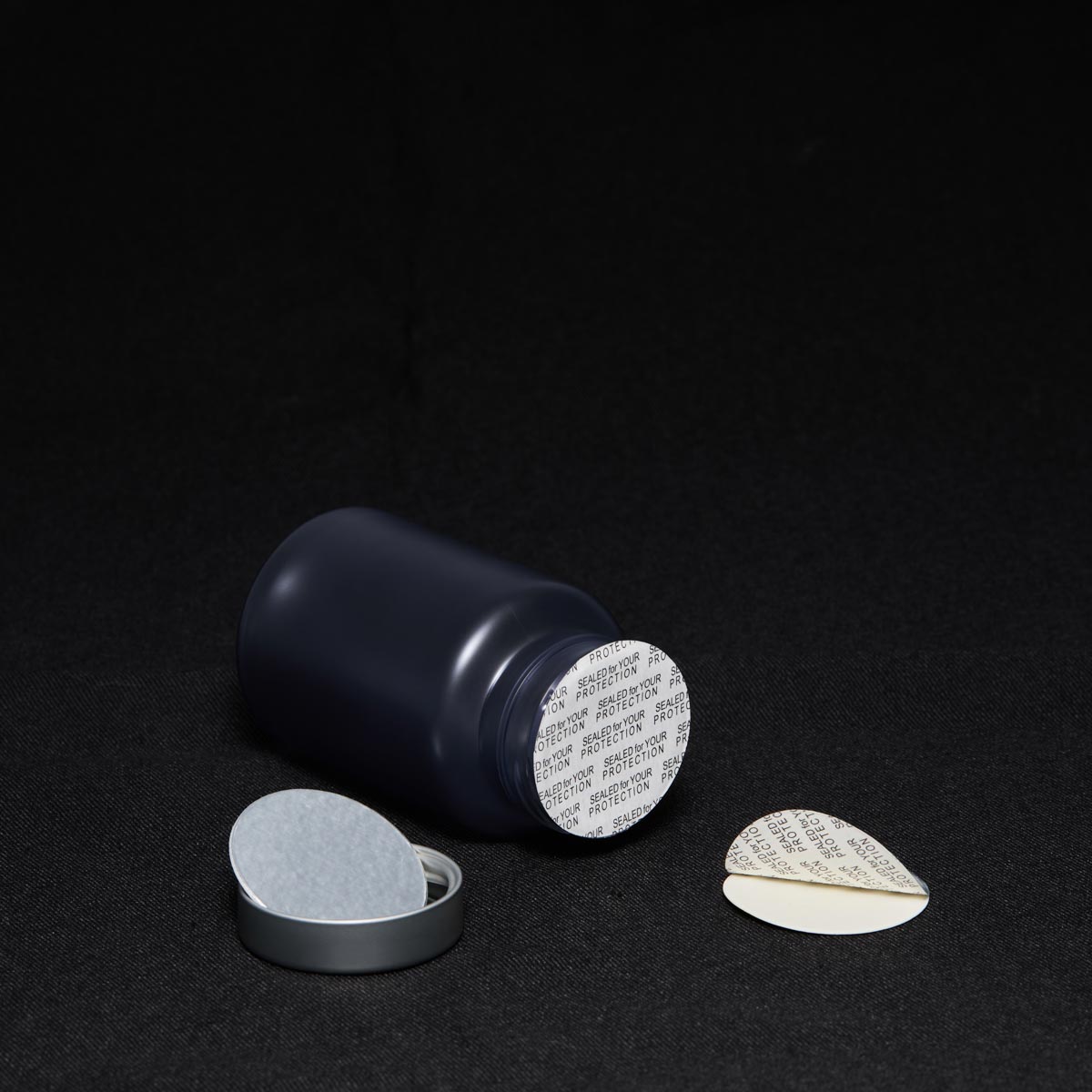




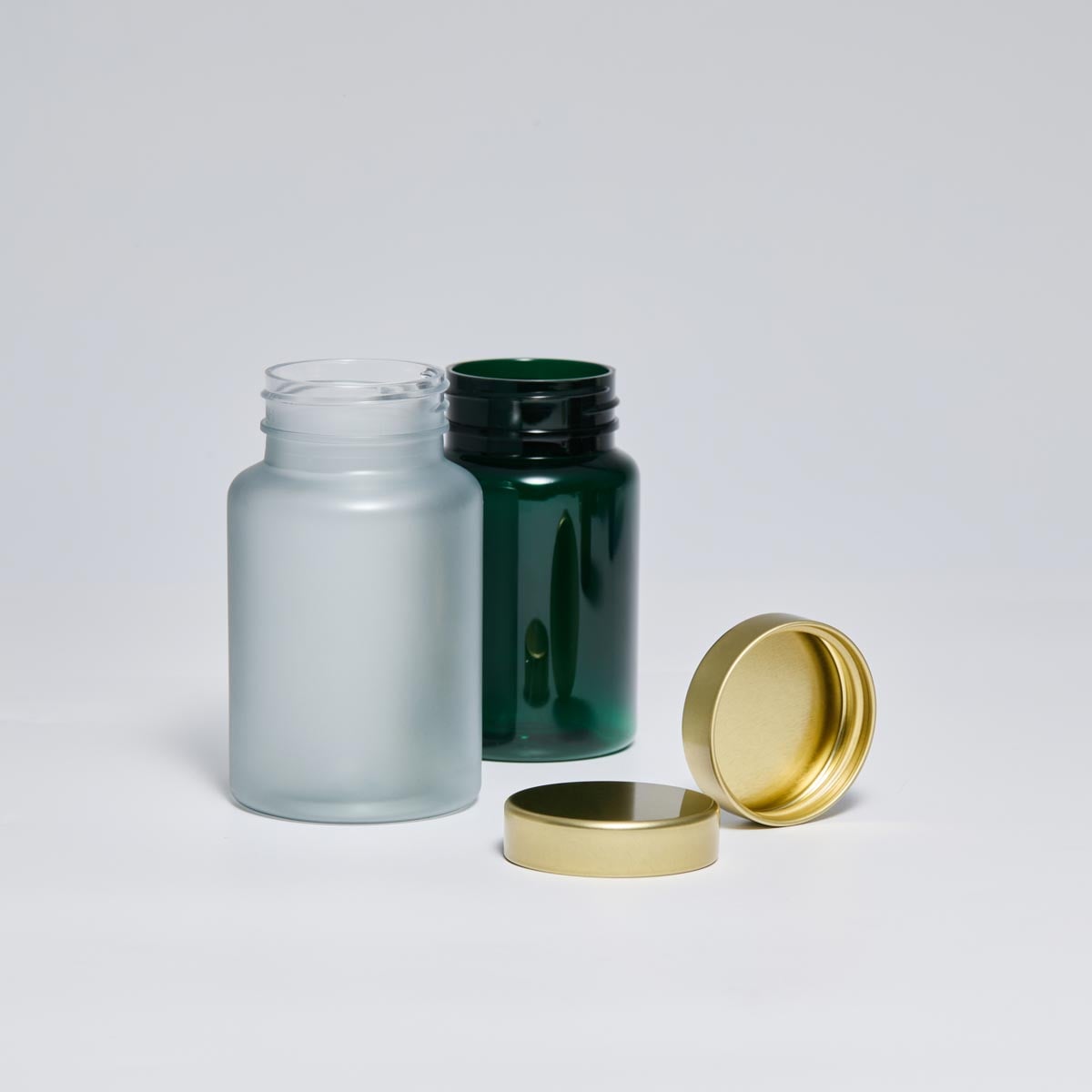
When packaging professionals and product manufacturers evaluate closure systems for glass jars and bottles, the decision carries significant weight. The right closure affects shelf life, consumer safety, brand perception, and operational efficiency all at once. metal unishell closures have emerged as a preferred solution across food, beverage, pharmaceutical, and specialty packaging sectors precisely because they address these demands with a single, well-engineered format. Understanding what makes them advantageous helps procurement teams, packaging engineers, and brand owners make more confident decisions.
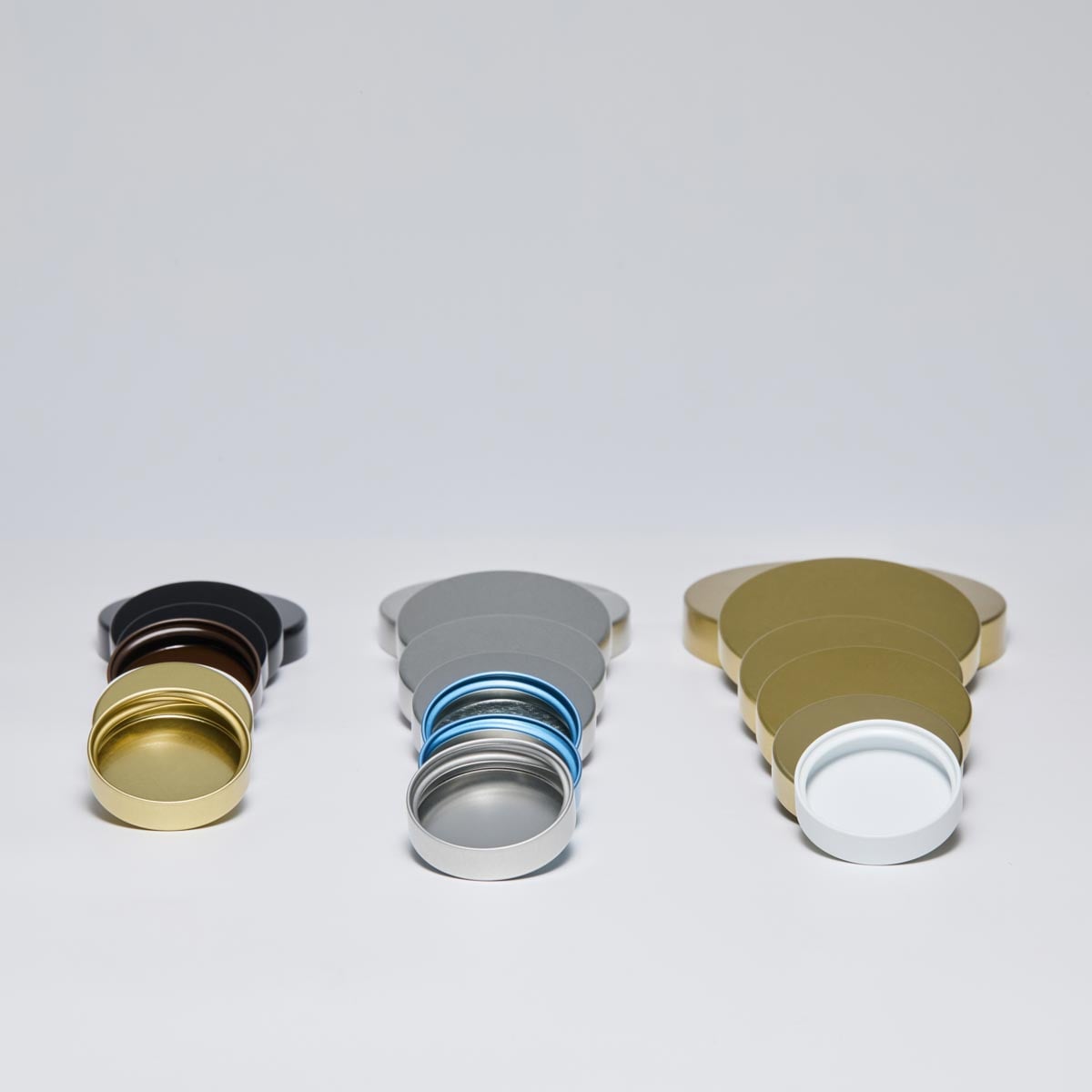
Metal unishell closures combine the structural integrity of tinplate metal with a continuous-thread or lug-style sealing mechanism that delivers consistent, reliable performance across a wide range of container sizes. From 38mm to 89mm diameters, these closures are engineered to meet the demands of both high-speed automated filling lines and artisan production environments. The advantages they offer are not superficial — they are rooted in material science, manufacturing precision, and real-world packaging performance that has been validated across industries and geographies.
Superior Sealing Performance and Product Preservation
Airtight Integrity That Extends Shelf Life
One of the most critical advantages of metal unishell closures is their ability to create and maintain an airtight seal over extended periods. The tinplate shell, combined with a precisely applied plastisol or compound liner, conforms tightly to the glass finish of the container, eliminating pathways for oxygen ingress or moisture transfer. This is especially important for food products such as sauces, jams, pickles, and preserved vegetables, where oxidation directly degrades flavor, color, and nutritional value.
Metal unishell closures are designed to retain their sealing properties even under the thermal stress of hot-fill, retort, and pasteurization processes. Unlike some plastic alternatives that can warp or lose elasticity under heat, the metal shell maintains dimensional stability, ensuring the liner compound continues to perform its sealing function throughout the product's intended shelf life. This thermal resilience is a defining advantage for manufacturers who process products at elevated temperatures.
The vacuum seal created during the filling and sealing process also serves as a tamper-evidence indicator. When the vacuum is intact, the center panel of the metal unishell closure remains concave. Any compromise to the seal causes the panel to flex outward, providing an immediate visual cue to consumers and retailers. This built-in safety signal adds a layer of consumer confidence that is difficult to replicate with other closure formats.
Consistent Sealing Across High-Speed Production Lines
In industrial packaging environments, consistency is as important as performance. Metal unishell closures are manufactured to tight dimensional tolerances, which means they perform predictably on automated capping equipment. The uniformity of the shell geometry and liner application ensures that each closure seats and seals correctly, reducing the incidence of leakers, rejects, and line stoppages that cost manufacturers time and money.
The compatibility of metal unishell closures with standard capping machinery also reduces the need for specialized equipment investments. Packaging lines already configured for twist-off or lug-style closures can typically accommodate these closures with minimal adjustment, making them a practical choice for facilities looking to standardize their closure systems without significant capital expenditure.
Material Strength and Physical Protection
Robust Protection Against Physical Damage
Tinplate, the primary material used in metal unishell closures, offers a combination of strength, formability, and corrosion resistance that few other packaging materials can match at comparable cost. The metal shell provides a rigid protective barrier over the container opening, shielding the contents from physical impact, compression, and environmental contamination during storage, transit, and retail display.
This physical robustness is particularly valuable in supply chains where products are stacked, palletized, and transported over long distances. Metal unishell closures resist deformation under stacking loads, maintaining the integrity of the seal even when containers are subjected to the compressive forces typical of warehouse storage. For exporters and distributors operating across international logistics networks, this durability translates directly into reduced product loss and fewer customer complaints.
The strength of metal unishell closures also provides meaningful protection against tampering. The metal shell cannot be easily re-sealed after removal without visible evidence of interference, which reinforces the tamper-evident properties already provided by the vacuum seal mechanism. This dual-layer tamper resistance is a significant advantage in regulated product categories including pharmaceuticals, nutraceuticals, and premium food products.
Corrosion Resistance and Long-Term Stability
Modern metal unishell closures are produced from electrolytic tinplate that is coated and lacquered to resist corrosion from both internal product contact and external environmental exposure. The internal lacquer system is selected based on the chemical profile of the product being packaged, ensuring compatibility with acidic, alkaline, or oil-based contents without degradation of the metal or contamination of the product.
External coatings protect metal unishell closures from humidity, condensation, and handling abrasion, preserving the appearance of the closure throughout the product's retail life. For brands that invest in premium label design and shelf presentation, the ability of the closure to maintain its visual integrity from production through point of sale is a commercially meaningful advantage.
Branding and Customization Potential
A Versatile Canvas for Brand Identity
Metal unishell closures offer exceptional customization potential that supports brand differentiation at the point of sale. The flat top panel of the closure provides a clean, printable surface that can carry brand logos, product information, regulatory markings, and decorative graphics in full color. Offset lithographic printing on tinplate delivers sharp, vibrant imagery that communicates quality and attention to detail — attributes that resonate strongly with premium and specialty product consumers.
The ability to customize metal unishell closures in a wide range of colors, finishes, and graphic treatments allows brands to create visual consistency across product lines and size variants. When a consumer sees a cohesive closure design across an entire product range, it reinforces brand recognition and builds the kind of shelf presence that influences purchase decisions. This is a strategic advantage that generic or unbranded closures simply cannot provide.
Beyond printing, metal unishell closures can be produced with embossed or debossed details, specialty lacquer finishes, and metallic effects that elevate the perceived value of the packaged product. For manufacturers in the premium food, gourmet condiment, and artisan beverage segments, these finishing options allow the closure itself to become part of the brand story rather than merely a functional component.
Size Range Flexibility for Diverse Container Formats
Metal unishell closures are available across a broad diameter range, typically from 38mm through to 89mm, which covers the majority of standard glass jar and bottle finishes used in food, beverage, and specialty packaging. This size flexibility means that a single closure system can serve multiple container formats within a product portfolio, simplifying procurement, inventory management, and supplier relationships.
The availability of metal unishell closures in multiple sizes also supports product line extensions and new format launches without requiring a complete re-evaluation of the closure strategy. Manufacturers can introduce new container sizes with confidence that compatible closures are available within the same product family, maintaining consistency in sealing performance, branding approach, and operational handling.
Sustainability and Environmental Credentials
Tinplate as a Recyclable Packaging Material
Sustainability considerations are increasingly central to packaging decisions across all industries, and metal unishell closures offer meaningful environmental credentials. Tinplate is one of the most recycled packaging materials in the world, with established collection and processing infrastructure in most major markets. Consumers can separate metal closures from glass containers and place them in standard metal recycling streams, supporting circular economy objectives without requiring special handling or consumer education.
The recyclability of metal unishell closures aligns with the sustainability commitments that many brands are now required to communicate to retailers, regulators, and consumers. Choosing a closure material with a well-documented recycling pathway supports environmental reporting, packaging compliance declarations, and sustainability marketing claims in a way that is credible and verifiable.
Tinplate recycling also recovers the steel and tin content at high efficiency, meaning that the material value embedded in metal unishell closures is not lost at end of life. This contrasts favorably with many plastic closure materials, where recycling rates remain low and material recovery is less complete. For brands building long-term sustainability strategies, the end-of-life profile of metal unishell closures is a genuine advantage.
Compatibility With Glass Packaging for a Fully Recyclable System
Metal unishell closures are designed specifically for use with glass containers, and the combination of glass and metal creates a packaging system where both primary components are fully recyclable through mainstream collection infrastructure. This compatibility supports the growing consumer preference for packaging formats that are perceived as natural, safe, and environmentally responsible.
The glass-and-metal combination also avoids the mixed-material complexity that can complicate recycling for composite or multi-layer packaging formats. When consumers can easily identify and separate the closure from the container, recycling participation rates improve, and the environmental benefit of choosing metal unishell closures is more fully realized in practice.
Operational and Commercial Advantages
Compatibility With Existing Filling and Sealing Equipment
From an operational standpoint, metal unishell closures integrate smoothly into established packaging line configurations. Their dimensional consistency and predictable mechanical behavior make them well-suited to automated torque application, vacuum sealing, and inline inspection systems. Manufacturers transitioning to metal unishell closures from other closure formats typically find that the changeover process is straightforward, with minimal disruption to line efficiency or output rates.
The robustness of metal unishell closures also reduces the frequency of closure-related line stoppages caused by damaged, deformed, or non-conforming closures. Because the metal shell resists the handling stresses of bulk feeding, orientation, and application, the reject rate at the capping station tends to be lower than with more fragile closure formats. This operational reliability contributes to overall equipment effectiveness and reduces the cost of quality management on the production floor.
Cost-Effectiveness Over the Full Packaging Lifecycle
While the unit cost of metal unishell closures may be higher than some basic plastic alternatives, the total cost of ownership across the packaging lifecycle is often more favorable when all factors are considered. Reduced product loss from seal failures, lower reject rates on the filling line, fewer customer complaints, and the brand value generated by premium presentation all contribute to a cost picture that extends well beyond the purchase price of the closure itself.
For manufacturers supplying retail channels where shelf presence and product integrity directly influence reorder rates and buyer relationships, the investment in metal unishell closures delivers returns that are measurable in commercial terms. Buyers and category managers respond positively to packaging that communicates quality and reliability, and the closure is often the first detail they examine when evaluating a new product for listing consideration.
Metal unishell closures also support premium pricing strategies by elevating the perceived value of the packaged product. Consumers associate metal closures with quality, freshness, and craftsmanship — associations that allow brands to position their products at higher price points and defend those positions against lower-cost competitors using less distinctive packaging formats.
FAQ
What types of products are best suited for metal unishell closures?
Metal unishell closures are well suited to a wide range of food and beverage products including jams, sauces, pickles, honey, condiments, baby food, and preserved vegetables. They are also used in pharmaceutical and nutraceutical packaging where tamper evidence and airtight sealing are regulatory requirements. Any product that benefits from vacuum sealing, extended shelf life, or premium presentation is a strong candidate for metal unishell closures.
Are metal unishell closures compatible with hot-fill and retort processing?
Yes. Metal unishell closures are specifically engineered to withstand the thermal demands of hot-fill, pasteurization, and retort processing. The tinplate shell maintains dimensional stability under heat, and the liner compound is formulated to retain its sealing properties through thermal cycling. This makes metal unishell closures a reliable choice for manufacturers who process products at elevated temperatures as part of their preservation or sterilization protocols.
How do metal unishell closures support sustainability goals?
Tinplate, the material used in metal unishell closures, is fully recyclable through mainstream metal recycling infrastructure. When used with glass containers, the combination creates a packaging system where both components can be recycled efficiently. This supports brand sustainability commitments, packaging compliance requirements, and consumer preferences for environmentally responsible packaging formats.
Can metal unishell closures be customized for branding purposes?
Metal unishell closures offer extensive customization options including full-color offset lithographic printing, specialty lacquer finishes, embossed or debossed details, and a wide range of base colors. The flat top panel provides a high-quality printable surface for brand logos, product information, and decorative graphics. This customization capability makes metal unishell closures a powerful branding tool as well as a functional packaging component.