
 EN
EN


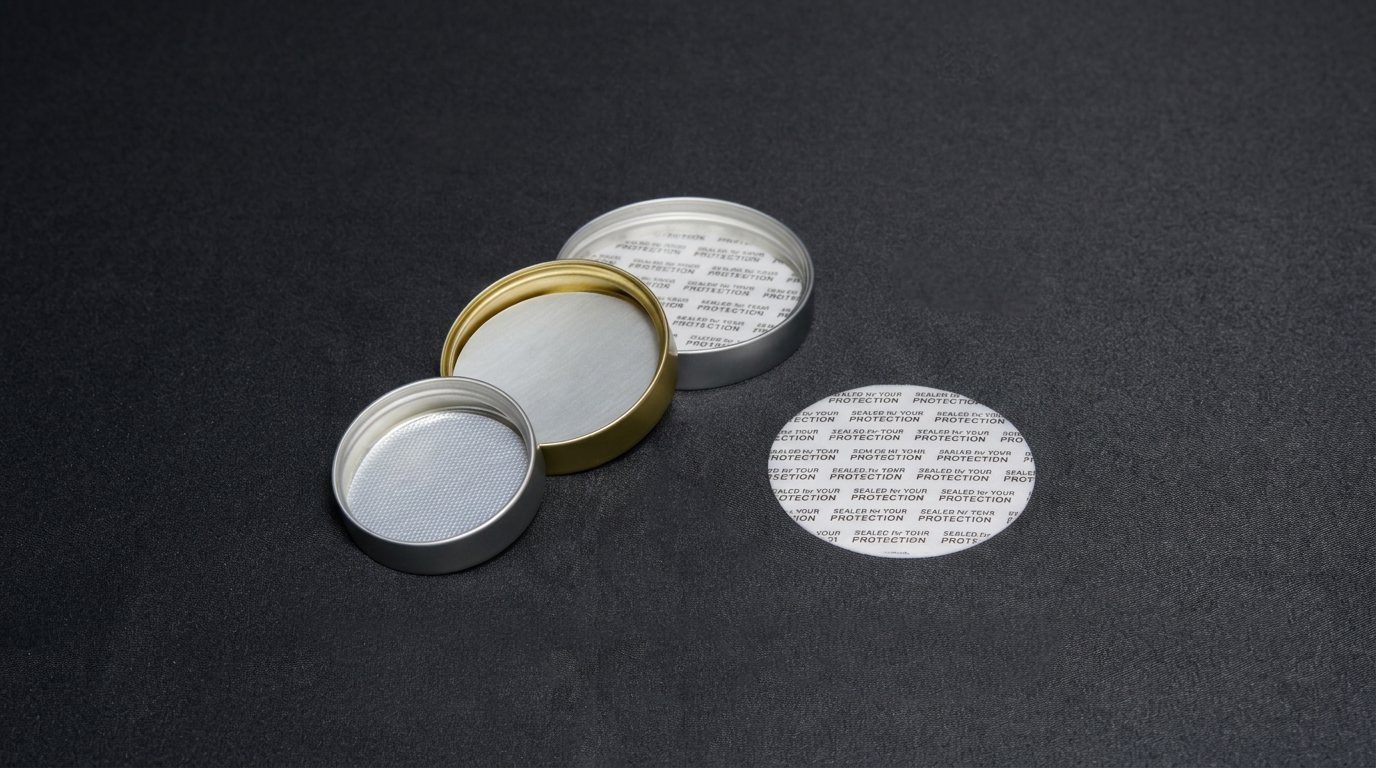

If you have been using plastic caps on your jars or bottles and have started questioning whether they are still the right choice for your product, you are not alone. Across food processing, beverage production, cosmetics, and specialty packaging industries, businesses are actively reconsidering their closure solutions. The Unishellcap has emerged as a compelling alternative that addresses many of the practical shortcomings associated with plastic closures, offering a premium tinplate metal solution designed for both performance and presentation.
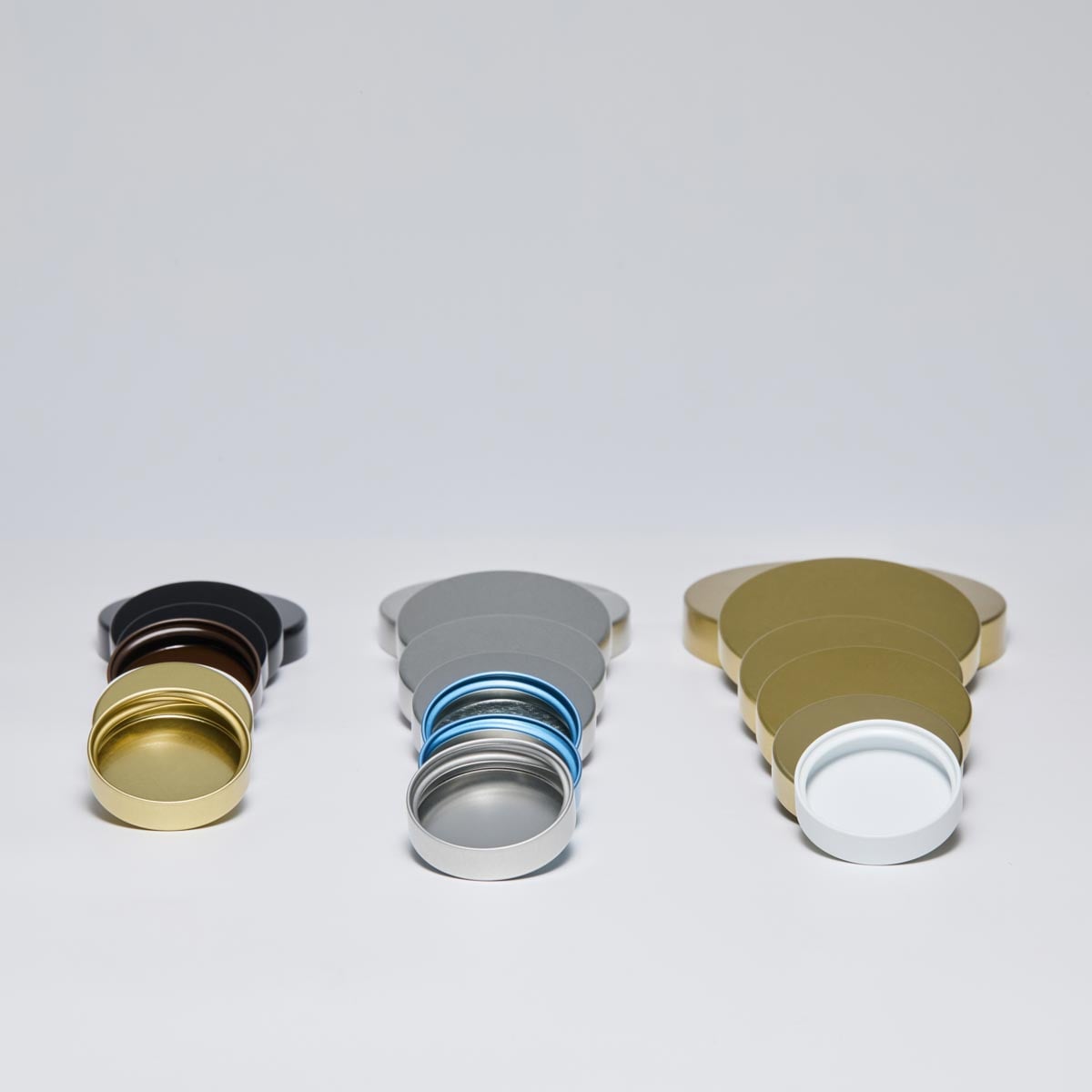
Making the switch from plastic caps to a Unishellcap is a decision that touches on product quality, brand image, sustainability commitments, and long-term operational efficiency. This article walks you through the key reasons why so many businesses are making this transition, what to expect from the Unishellcap in practical terms, and how to evaluate whether it is the right fit for your specific packaging needs. Whether you run a small artisan food brand or manage large-scale production, understanding the full picture will help you make a confident and well-informed decision.
Why Plastic Caps Are No Longer Meeting Modern Packaging Demands
The Structural Limitations of Plastic Closures
Plastic caps have been a packaging staple for decades, largely because of their low cost and ease of manufacture. However, as packaging requirements have become more sophisticated and consumer expectations have shifted, the structural limitations of plastic closures have become increasingly difficult to ignore. Plastic caps are prone to warping under temperature fluctuations, which can compromise the seal integrity of your product over time.
In high-humidity or high-temperature environments such as commercial kitchens, warehouse storage, or retail displays, plastic caps can degrade, crack, or lose their sealing tension. This is especially problematic for products that rely on airtight or vacuum-sealed packaging to extend shelf life. The Unishellcap, constructed from premium tinplate metal, does not share these vulnerabilities, offering a far more dimensionally stable and durable closure solution.
Furthermore, plastic caps often struggle to maintain consistent torque performance across varying container neck finishes. This can lead to over-tightening, under-sealing, or uneven application on high-speed filling lines. For producers looking for reliability at scale, these inconsistencies create real operational headaches that compound over time.
The Brand Image Problem with Plastic
Beyond the functional concerns, plastic caps carry a perception problem in today's market. Consumers increasingly associate plastic closures with lower-quality or commodity products. When your brand competes in a premium, artisanal, or health-conscious segment, every visual and tactile detail matters, and the cap is one of the first things a customer sees and touches.
Metal closures like the Unishellcap convey a sense of quality, craftsmanship, and permanence that plastic simply cannot replicate. The visual weight and finish of a tinplate metal cap signals premium positioning before the product is even opened. For businesses investing in label design, bottle shape, and branding, upgrading to a Unishellcap ensures the closure matches the rest of the packaging story.
Brand perception is not a superficial concern. Research consistently shows that packaging design influences purchase decisions, repeat buying behavior, and willingness to pay a premium price. Replacing your plastic cap with a Unishellcap is one of the most direct and cost-effective ways to elevate that first impression.
What Makes the Unishellcap a Superior Replacement
Premium Tinplate Construction and Seal Performance
The Unishellcap is manufactured from high-grade tinplate metal, a material known for its combination of strength, corrosion resistance, and food-safety compliance. Tinplate has been trusted in food and beverage packaging for over a century precisely because it maintains its integrity across a wide range of environmental conditions. When you replace your plastic cap with a Unishellcap, you are upgrading to a material with a proven long-term track record.
One of the most important functional advantages of the Unishellcap is its sealing performance. The metal construction allows for consistent application torque and precise fit across standard jar and bottle neck finishes, ranging from 38mm to 89mm. This size range makes the Unishellcap highly versatile, covering a broad spectrum of container formats used across food, condiment, sauce, cosmetic, and specialty product categories.
The seal created by a Unishellcap is not only mechanically strong but also resistant to moisture ingress, gas exchange, and contamination. For producers of vacuum-packed goods, fermented products, or sensitive cosmetics, this level of seal reliability is not optional — it is essential. Switching from plastic to the Unishellcap can directly contribute to improved shelf life and product integrity.
Customization Options That Plastic Cannot Match
One area where the Unishellcap genuinely outshines plastic alternatives is in customization capability. Tinplate metal closures can be printed, embossed, and finished in ways that are either impossible or prohibitively expensive with plastic caps. Custom colors, brand logos, text printing, and specialty coatings are all achievable with the Unishellcap, making it a powerful branding asset in addition to a functional closure.
For businesses that want their packaging to stand out on a crowded retail shelf, the ability to customize the Unishellcap to match brand colors and visual identity is a significant advantage. This level of customization helps create a cohesive, professional packaging system that reinforces brand recognition at every consumer touchpoint.
Additionally, the Unishellcap supports tamper-evidence features that are critical for consumer safety and regulatory compliance. These features are more reliably engineered in tinplate metal than in plastic, where material fatigue and transparency limitations can reduce the effectiveness of tamper-evident mechanisms.
Evaluating the Switch: Key Considerations Before You Replace
Compatibility with Your Existing Container Necks
Before committing to replacing your plastic caps with a Unishellcap, the most practical first step is to verify compatibility with your existing container neck finishes. The Unishellcap is available across a full range from 38mm to 89mm, which covers the vast majority of standard jar and bottle formats in commercial use. Measuring your container neck diameter accurately and confirming the thread type will ensure a seamless transition.
In most cases, producers transitioning from plastic caps to a Unishellcap do not need to modify their containers or filling equipment. The Unishellcap is engineered to integrate with standard capping machinery, making the operational switch far less disruptive than many producers initially anticipate. However, it is always advisable to conduct a trial run to confirm compatibility before switching over full production volumes.
If you are introducing new container formats alongside the closure change, using the Unishellcap as the closure standard from the outset simplifies the packaging specification process and ensures a consistent, premium finish across your entire product range.
Cost Comparison and Long-Term Value
A common concern when considering the move from plastic caps to a Unishellcap is the upfront cost differential. Tinplate metal closures do carry a higher per-unit cost than standard plastic caps, and this is a legitimate factor to evaluate honestly. However, the full cost picture is more nuanced than a simple per-unit comparison suggests.
When you factor in the reduced risk of seal failures, product returns, and spoilage-related losses, the Unishellcap often delivers a net financial benefit over time. Additionally, for businesses selling in premium retail channels, the improved packaging presentation can directly support higher price points, effectively offsetting the additional closure cost through increased margin per unit.
There is also the sustainability dimension to consider. As extended producer responsibility regulations and consumer pressure on plastic usage continue to intensify, transitioning to a metal closure like the Unishellcap reduces your brand's plastic footprint and aligns with growing retailer and consumer preferences for recyclable packaging materials. This alignment can open new retail and distribution channels that prioritize sustainability credentials.
Industries and Applications Where the Unishellcap Excels
Food, Condiment, and Sauce Producers
The Unishellcap is particularly well suited to food producers who package products in glass jars and bottles. Sauces, condiments, jams, preserves, pickled goods, honey, and specialty food items all benefit from the robust seal and premium appearance that a Unishellcap provides. In these categories, product differentiation is intensely competitive, and the packaging closure plays a more significant role in purchase decisions than many producers realize.
For producers supplying delicatessens, specialty food retailers, online direct-to-consumer channels, and export markets, the visual quality of the Unishellcap reinforces the artisanal or premium positioning that supports higher price points and stronger brand loyalty. Replacing a generic plastic cap with a Unishellcap can be a relatively simple change that delivers a disproportionately positive impact on shelf appeal and perceived product value.
Vacuum-sealed and heat-processed food products also benefit from the superior seal retention of the Unishellcap, ensuring that the product arrives at the consumer in the intended condition regardless of transit conditions or storage duration.
Cosmetics, Personal Care, and Specialty Products
Beyond the food sector, the Unishellcap is gaining traction among cosmetics and personal care brands that package creams, serums, scrubs, and specialty formulations in glass or high-quality plastic jars. In these categories, the closure is a visible luxury signal, and metal closures are strongly associated with high-end positioning in consumer perception research.
The Unishellcap's resistance to chemical interaction with cosmetic formulations is another practical benefit. Certain preservatives, acids, and active ingredients used in skincare products can degrade or discolor plastic caps over time, creating an unsightly appearance and potentially compromising the seal. The tinplate construction of the Unishellcap does not share this vulnerability when appropriately lined or coated for the specific formulation.
For specialty products such as premium candles, aromatherapy goods, and luxury food gifts, the Unishellcap also serves as a design element that adds to the overall unboxing experience. The tactile and visual quality of a metal closure elevates the perceived value of the entire product, making it a smart investment for brands in the gifting and lifestyle categories.
FAQ
Is the Unishellcap compatible with standard capping machines?
Yes, the Unishellcap is designed to work with standard commercial capping equipment. Because it is produced in consistent dimensions and manufactured to tight tolerances, it integrates smoothly with most automated and semi-automated capping machines used in food, beverage, and cosmetics production. A brief trial run is always recommended when transitioning from plastic caps to confirm settings and torque calibration.
What sizes does the Unishellcap come in?
The Unishellcap is available across a full size range from 38mm to 89mm, covering the most commonly used jar and bottle neck diameters in commercial packaging. This broad size range makes it suitable for a wide variety of container formats and product categories, from small specialty food jars to larger cooking sauce containers and cosmetic cream jars.
Can the Unishellcap be customized with brand colors and logos?
Yes, the Unishellcap supports a range of customization options including custom colors, printed branding, and specialty finishes. This is one of the distinct advantages of tinplate metal closures over plastic caps, which offer very limited customization at commercially viable volumes. Custom Unishellcap orders allow brands to create a cohesive and distinctive packaging identity that reinforces premium positioning.
How does the Unishellcap support sustainability goals?
Tinplate metal is one of the most recyclable packaging materials in the world, and the Unishellcap contributes directly to reducing a brand's reliance on plastic closures. As consumer expectations and retailer sustainability requirements continue to evolve, transitioning to a Unishellcap helps brands align with circular economy principles, reduce plastic waste, and communicate a credible sustainability commitment to their customers and retail partners.