
 EN
EN


When a container leaves a filling line and travels through distribution, retail shelving, and finally into a consumer's hands, the integrity of its seal determines whether the product inside arrives safe, fresh, and exactly as intended. The induction heat seal liner is the engineered component that makes this possible, forming a hermetic barrier so complete that moisture, oxygen, contaminants, and even the faintest trace of microorganisms cannot breach the interface between the cap and the container. Understanding precisely how this barrier is created — from the physics of electromagnetic induction to the molecular behavior of the sealing film — gives formulators, packaging engineers, and brand managers the clarity they need to make confident decisions about container protection.
The term 'hermetic barrier' carries real technical weight. It refers to a seal so complete that gas and vapor transmission across the interface is effectively zero under normal storage and handling conditions. Achieving that standard is not simply a matter of pressing a foil disc onto a bottle finish — it requires a precise multi-layer construction, a carefully controlled energy transfer mechanism, and an intimate bond that fuses the liner material directly to the container rim. This article traces every step of that process, explaining why each element of the induction heat seal liner design contributes to the final, airtight result.
The Multi-Layer Architecture of an Induction Heat Seal Liner
How the Layers Work Together as a System
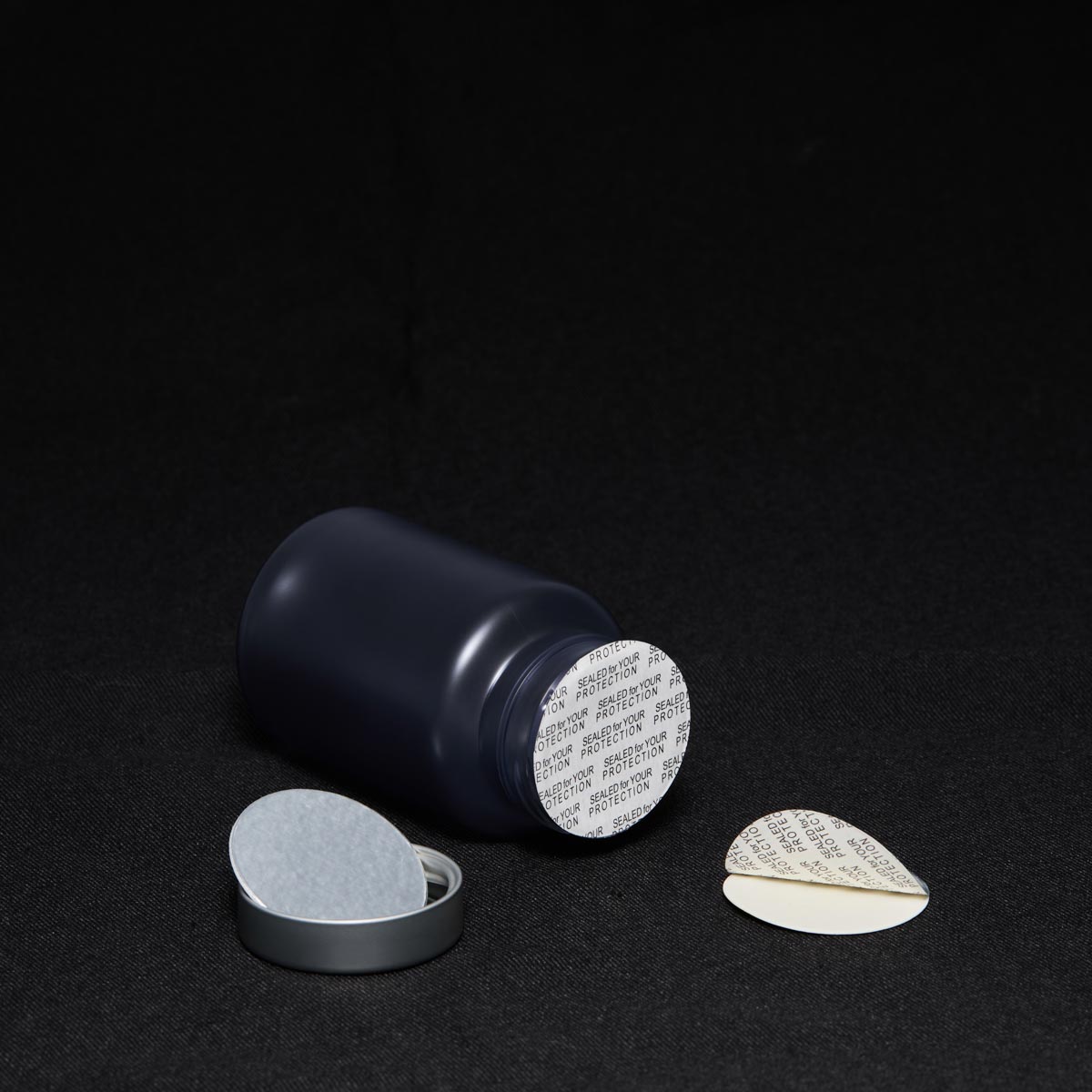
A standard induction heat seal liner is not a single-material disc. It is a carefully engineered laminate in which each layer performs a distinct function, and the cumulative result of those functions is a hermetic bond. The outermost layer, which faces the interior of the cap, is typically a foam or pulp-board backing. This backing provides cushioning against the container finish, compensating for minor surface irregularities and ensuring even pressure distribution during capping. Without consistent pressure, the induction-generated heat would not transfer uniformly to the sealing film, and weak spots could appear in the final bond.
Beneath the backing sits the aluminum foil layer, and this is the heart of the induction heat seal liner. Aluminum is a highly conductive metal that responds rapidly and intensely to an alternating electromagnetic field. When the capped container passes under an induction sealing head, the electromagnetic field induces eddy currents within this foil layer, and those eddy currents generate resistive heat almost instantaneously. The foil heats from within, rather than receiving heat from an external surface, which is what makes induction sealing both fast and highly controllable.
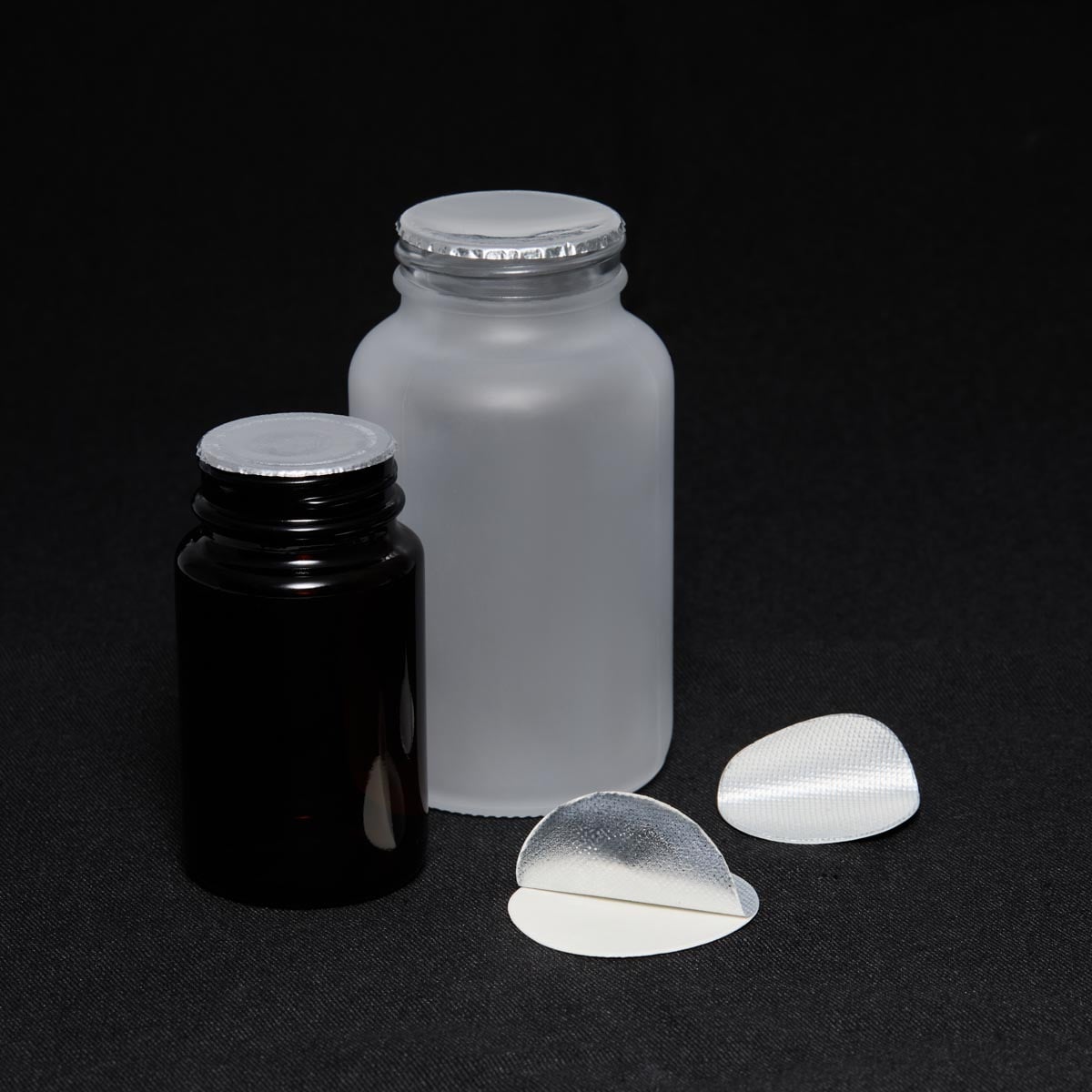
Below the foil is a polymer sealing film, most often a heat-activated adhesive or a wax-bonded thermoplastic layer. This film is what actually bonds to the container's rim. When the foil heats up, it conducts that heat directly into the polymer film, causing it to soften, flow slightly, and then fuse permanently to the container finish as it cools. The result is a molecular-level adhesion that creates the hermetic barrier. The induction heat seal liner thus functions as an integrated heat-generation and heat-application device, combining energy conversion, pressure delivery, and adhesive bonding in one compact laminate.
Material Selection and Its Impact on Barrier Performance
The choice of materials at each layer of the induction heat seal liner directly determines the quality and durability of the hermetic barrier. Foil thickness affects both the intensity and the uniformity of heating — thicker foils absorb more energy and maintain temperature longer, which is beneficial for containers with wide or uneven rim surfaces. Thinner foils heat faster and are preferred for high-speed lines where dwell time under the sealing head is minimal.
The sealing film polymer is selected based on the container material and the product being packaged. For glass containers, the film must achieve intimate contact with a rigid, often slightly textured surface. Polymers with lower melt-flow temperatures allow bonding at lower foil temperatures, reducing the risk of thermal degradation for heat-sensitive products stored inside. For applications demanding exceptional chemical resistance — such as solvents, acidic compounds, or aggressive nutraceutical formulations — specialty film compositions provide barrier performance that extends beyond simple airtight closure into active chemical containment.
The backing material also influences barrier quality indirectly. A firm, resilient foam backing maintains consistent liner-to-rim contact throughout the capping process, and this consistency is what prevents any localized gaps in the heat-activated bond. When the induction heat seal liner is correctly matched in its full multi-layer specification to the container and product requirements, every element reinforces the others, and the hermetic outcome is highly repeatable across millions of production cycles.
The Physics of Induction Heating and Hermetic Bond Formation
Electromagnetic Induction as the Energy Source
The mechanism that powers the induction heat seal liner is electromagnetic induction, a principle first described by Michael Faraday in the nineteenth century and now applied at industrial scale across countless manufacturing sectors. In induction sealing, a coil inside the sealing head carries a high-frequency alternating current, typically operating in the range of 200 kHz to 500 kHz. This current generates a rapidly alternating magnetic field that extends a short distance below the sealing head.
When a capped container passes through or beneath this field, the alternating magnetic flux penetrates the cap material — which is typically non-conductive plastic — and couples with the aluminum foil layer of the induction heat seal liner. The alternating field drives circulating electrical currents, called eddy currents, within the foil. These eddy currents encounter the natural electrical resistance of the aluminum, and that resistance converts the electrical energy into heat — a process governed by Joule's law. The heating occurs entirely within the foil itself, with no need for the external heat source to contact the liner or the container.
This non-contact energy delivery is one of the most important features of induction sealing from a barrier-formation standpoint. Because the heat originates inside the liner rather than being conducted inward from the surface, it reaches the sealing film layer quickly and evenly. The film softens simultaneously across its entire area rather than heating from one edge inward, which means the bond forms uniformly and the hermetic barrier is continuous rather than patchy. The induction heat seal liner is thus uniquely suited to producing the complete, uninterrupted seal that 'hermetic' truly requires.
From Softened Polymer to Permanent Bond
Once the foil has reached the target temperature — a value determined by the liner specification and validated during line qualification — the heat flows conductively into the polymer sealing film. The film transitions from a solid state to a softened, slightly viscous state that allows it to conform intimately to the container rim's surface topology. Even minor surface irregularities in the glass or plastic finish are accommodated as the softened polymer flows into micro-contours that rigid materials could never bridge.
As the container moves away from the induction field and the foil ceases to be heated, the temperature drops rapidly. The cap's compressive force, applied during capping and maintained by the threaded engagement, holds the liner firmly against the rim while the polymer re-solidifies. This cooling and solidification phase is when the hermetic barrier actually locks into place. The polymer chains that flowed into the container finish's surface texture become entangled and bonded at that interface, creating adhesion that is partly mechanical, partly chemical, and altogether highly resistant to the forces that tend to break ordinary seals.
The induction heat seal liner therefore creates its hermetic barrier through a controlled thermal cycle: electromagnetic energy converts to heat within the foil, heat softens the sealing film, the film conforms and bonds to the container rim, and then cooling locks the bond permanently. Each phase must be correctly managed — correct field intensity, correct dwell time, correct cap torque, correct liner specification — for the hermetic outcome to be reliable. When those parameters are validated and maintained, the induction heat seal liner delivers a barrier that is consistent, repeatable, and capable of meeting even the most demanding regulatory and shelf-life standards.
Factors That Determine Hermetic Seal Quality in Practice
Container Finish Condition and Liner Compatibility
The hermetic barrier created by an induction heat seal liner is only as good as the interface it is bonding to. The container finish — the rim surface that the sealing film contacts — must be free from contamination, chips, mold seams of excessive height, and dimensional variations outside specification. Oil, dust, or product residue on the rim will prevent the polymer film from achieving direct molecular contact with the container material, introducing pathways through which gases and vapors can migrate. Quality filling operations include rim-wipe steps specifically to protect the integrity of the induction heat seal liner bond.
Liner-to-container compatibility is equally critical. Different container materials — glass, HDPE, PET, PP, and others — require different sealing film formulations because the adhesion mechanism between the film and the substrate varies by material. An induction heat seal liner specified for HDPE may not create a reliable hermetic bond on PET, even if the physical dimensions are identical. Packaging engineers must validate liner selection against the specific container material and finish geometry to ensure that the softened film achieves proper wetting and adhesion during the induction cycle.
Cap torque is another frequently overlooked variable. The cap applies the compressive force that holds the liner against the rim during the heating and cooling cycle. If the torque is below specification, the liner may not maintain intimate contact with the rim throughout the bond-formation phase, and the hermetic barrier will be incomplete. If torque is excessive, the liner may be deformed or the cap may strip, introducing mechanical damage. Consistent, validated capping torque is a prerequisite for reliable induction heat seal liner performance.
Line Speed, Power Settings, and Process Validation
In a production environment, the induction sealing head must be calibrated to deliver the correct energy dose to every container on the line, regardless of minor variations in line speed or container positioning. Power settings are expressed in terms of the electromagnetic field intensity and the duration of exposure, and these two parameters together determine the total thermal energy delivered to the induction heat seal liner's foil layer. Under-sealing — too little energy — produces a bond that appears intact but fails prematurely under vibration, pressure differential, or temperature cycling. Over-sealing — too much energy — can degrade the sealing film, cause foil wrinkling, or damage the product through excessive heat.
Manufacturers and packers validate their induction sealing processes using a combination of torque testing, seal integrity testing, and visual inspection. Torque testing checks whether the sealed liner requires the expected force to remove, confirming adequate bond strength. Seal integrity testing — using methods such as vacuum decay, dye immersion, or gas permeation measurement — directly confirms that the hermetic barrier is complete and that no micro-channels exist across the sealed interface. These tests are performed during line qualification and at regular intervals during production to detect any drift in process parameters before it results in non-conforming product reaching consumers.
The induction heat seal liner contributes passively to seal quality once it is correctly specified and installed, but the sealing process itself demands active management. Facilities that treat induction sealing as a 'set and forget' operation typically encounter inconsistent barrier performance. Those that implement systematic process monitoring and maintain validated parameters consistently achieve hermetic seals that meet or exceed their stated shelf-life and compliance targets.
Applications Where Hermetic Barrier Performance Is Non-Negotiable
Pharmaceutical and Nutraceutical Packaging
In pharmaceutical and nutraceutical packaging, the hermetic barrier provided by an induction heat seal liner is not a performance enhancement — it is a regulatory and safety requirement. Tablets, capsules, powders, and liquid formulations are sensitive to both moisture and oxygen. Even fractional increases in moisture content can trigger chemical degradation, microbial growth, or caking that renders a product ineffective or unsafe. An induction heat seal liner creates the vapor-tight interface that prevents ambient humidity from migrating into the container throughout its stated shelf life.
Beyond moisture control, the hermetic seal provides tamper evidence that is both visible and verifiable. When a consumer opens a product and peels back the foil liner, they have confirmation that the container has not been previously opened. Regulators in many jurisdictions mandate tamper-evident features for over-the-counter pharmaceutical products, and the induction heat seal liner satisfies this requirement with a seal whose rupture is visibly irreversible. The same liner that creates the hermetic barrier also functions as an authentication layer, linking product safety to brand trust.
Food, Beverage, and Chemical Containment
Food manufacturers rely on the induction heat seal liner to preserve flavor compounds, prevent oxidative rancidity, and maintain the sterility of products packaged under aseptic or near-sterile conditions. Edible oils, spice blends, honey, nutritional powders, and condiments all benefit from a hermetic barrier that prevents the oxygen ingress that would otherwise accelerate quality degradation. Glass containers, which are themselves impermeable, paired with a correctly applied induction heat seal liner create a packaging system with essentially zero headspace gas exchange over the intended storage period.
In chemical and agricultural applications, the hermetic barrier serves a containment function as much as a preservation function. Solvents, concentrated cleaning agents, and pesticide formulations must be sealed to prevent both product loss through vapor permeation and environmental contamination from accidental release. The induction heat seal liner provides a reliable first line of containment, ensuring that the cap alone — which offers only mechanical closure — is backed by a bonded foil barrier that maintains integrity even under pressure differentials caused by temperature changes or altitude variation during transport.
FAQ
What makes an induction heat seal liner different from a standard foam liner?
A standard foam liner provides cushioning and a basic mechanical seal through compression, but it does not create a hermetic bond. An induction heat seal liner uses an aluminum foil layer that, when activated by an electromagnetic field, generates heat and fuses a polymer film permanently to the container rim. The result is a bonded, airtight barrier that a foam liner cannot replicate, making the induction heat seal liner the correct choice whenever product protection, tamper evidence, or extended shelf life is required.
Can an induction heat seal liner be used on glass containers specifically?
Yes, and glass containers are in many respects an ideal application for an induction heat seal liner. Glass is dimensionally consistent, chemically inert, and provides a smooth, stable rim surface for the sealing film to bond to. The rigidity of glass also ensures that the cap torque translates directly into consistent liner pressure during the induction cycle. Liner selection for glass containers should account for the specific glass finish geometry and the product formulation to ensure full hermetic contact across the entire rim surface.
How do I know if the induction heat seal liner has created a proper hermetic seal?
Several practical tests confirm hermetic seal integrity. A simple torque test checks that the sealed liner requires the specified removal force, indicating adequate bond strength. Visual inspection looks for complete, even adhesion around the full circumference of the container rim with no lifting, bubbling, or gaps. For higher-stakes applications, formal seal integrity testing using vacuum decay or dye penetration methods provides quantitative confirmation that the hermetic barrier is complete. These tests should be conducted during initial process validation and monitored routinely during production.
Does the induction heat seal liner affect the product inside the container?
When properly specified and applied, the induction heat seal liner does not contact or affect the product. The heat is generated within the foil layer and conducted downward to the sealing film, not inward toward the container contents. The brief duration of the induction cycle — typically fractions of a second — means that even heat-sensitive products experience no meaningful temperature rise. The liner's inner surface, which faces the product, is selected for chemical compatibility with the formulation to ensure that no migration or interaction occurs during storage.