
 EN
EN

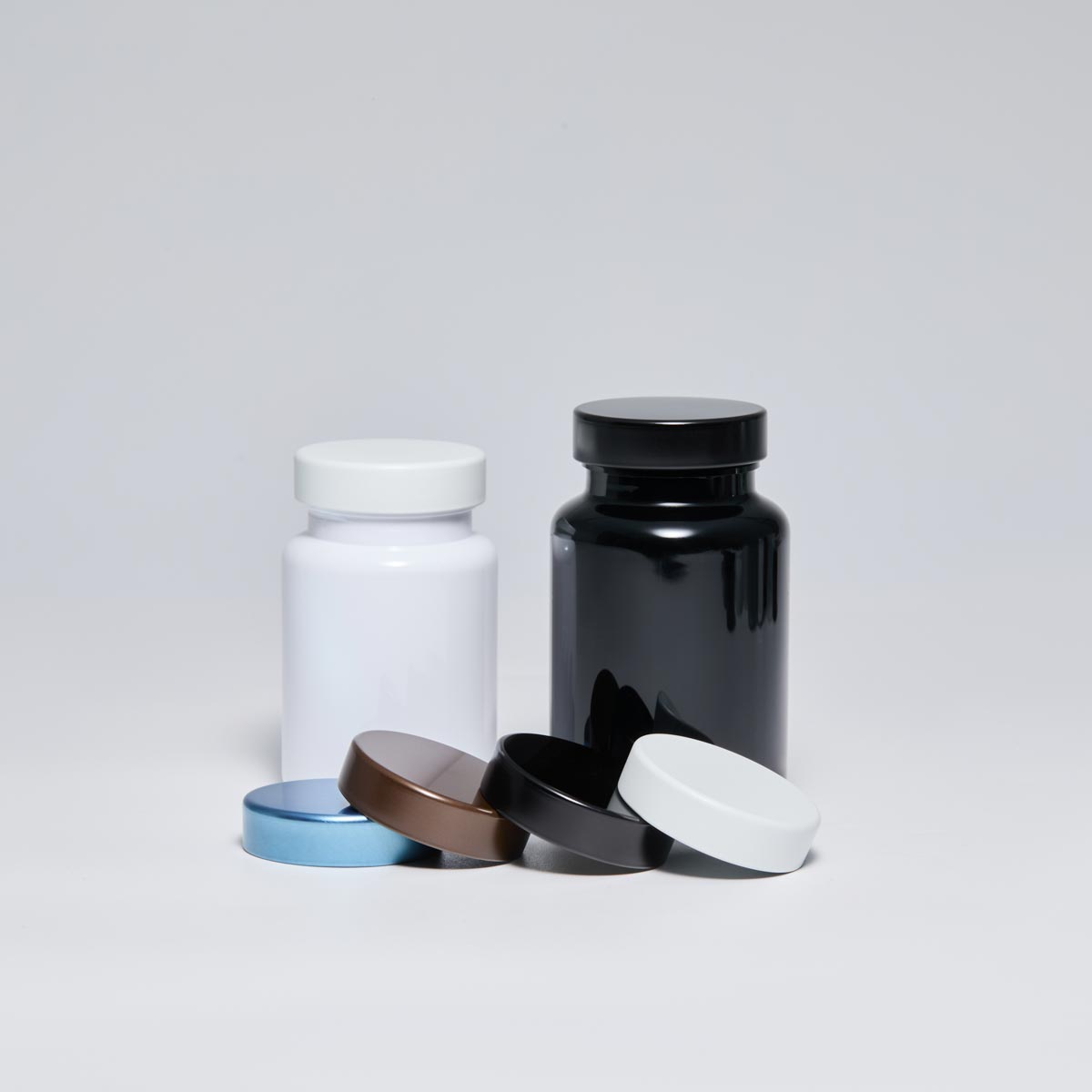

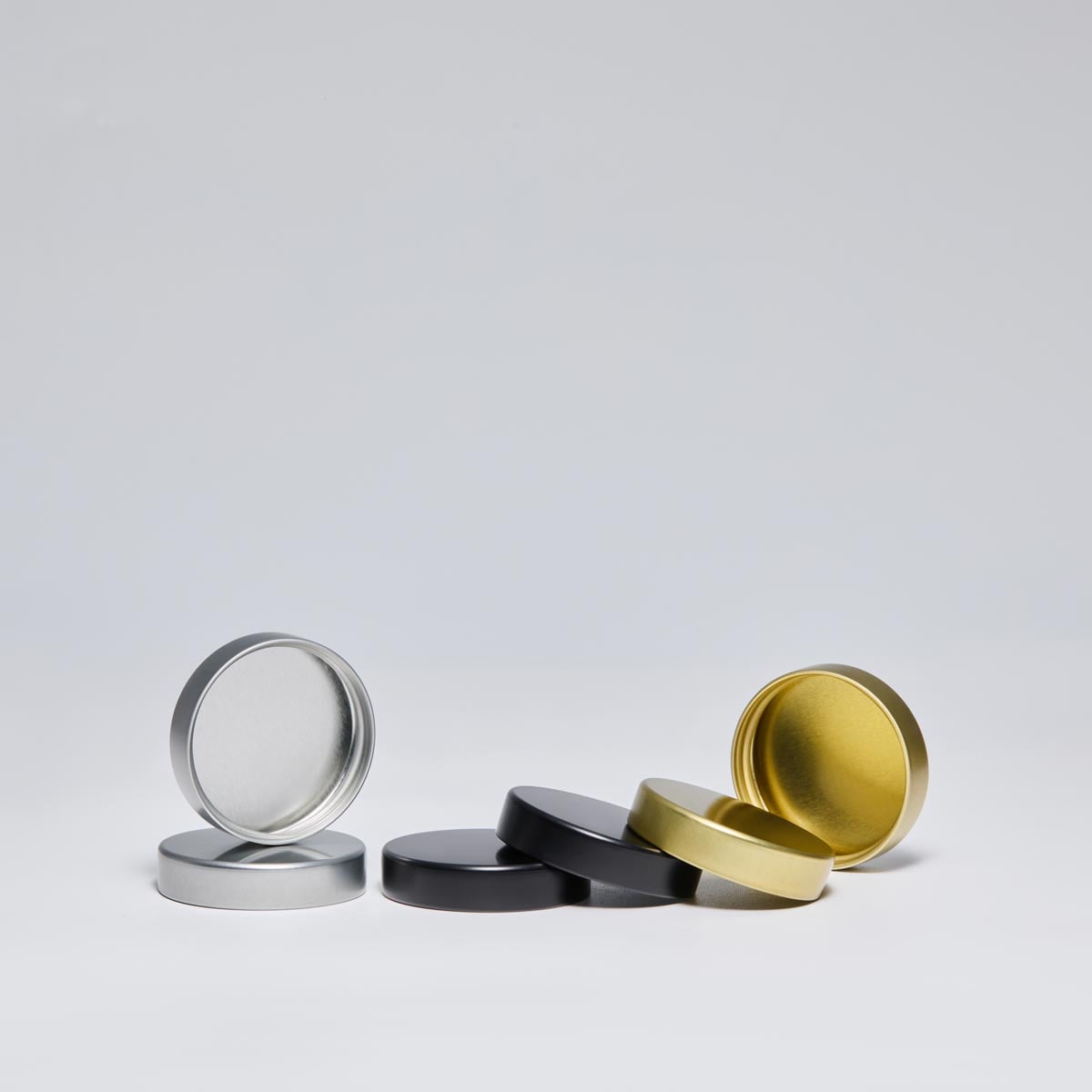
When packaging operations run in coastal facilities, tropical climates, or humid warehouses, the integrity of metal packaging components becomes a genuine concern. tinplate closures are widely trusted for their strength, barrier performance, and tamper-evident qualities, yet they are not entirely immune to the effects of prolonged moisture exposure. Understanding how humidity affects these closures is the first step toward protecting both your packaging investment and your product's shelf life.
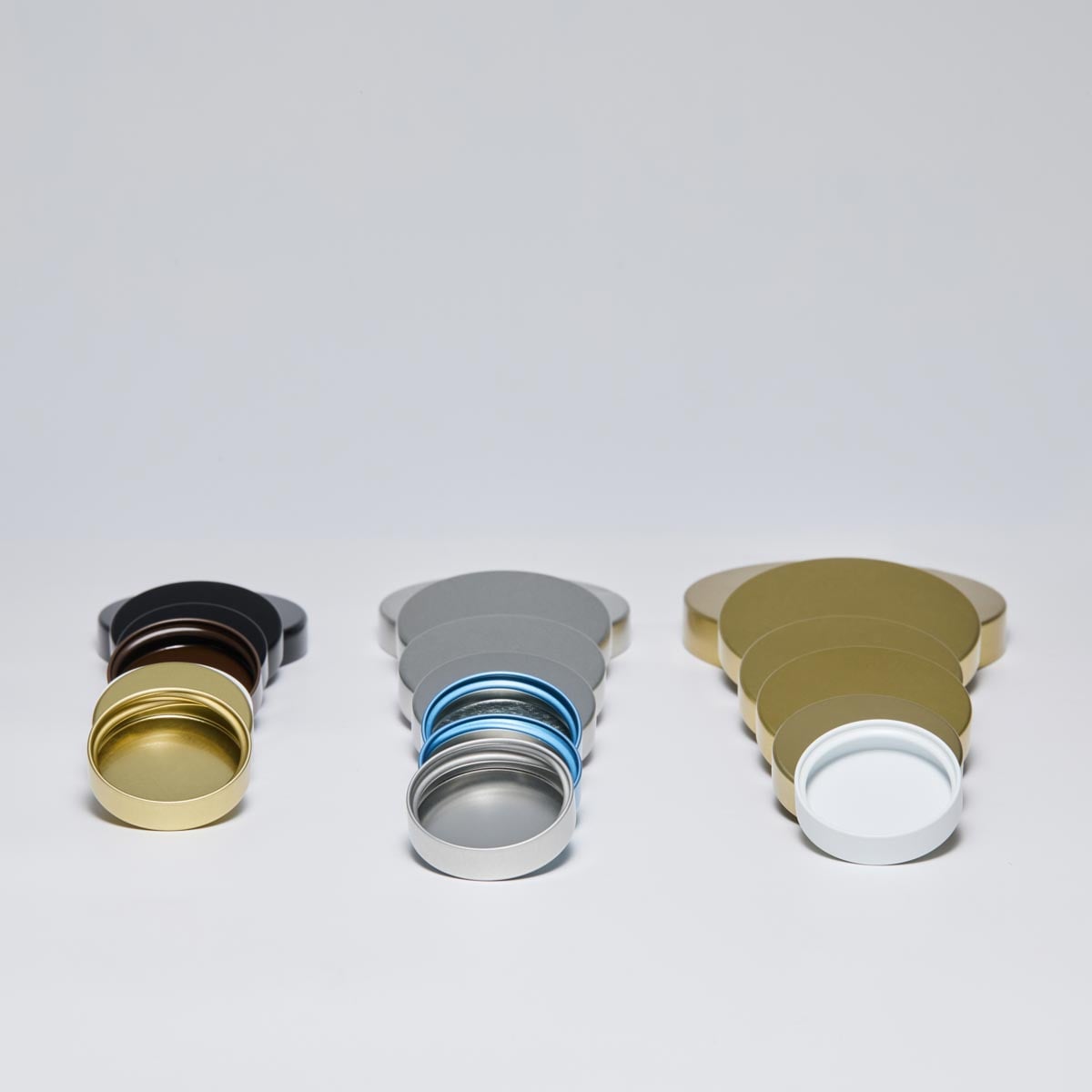
Protecting tinplate closures from high humidity environments is not simply a matter of storing them in a dry room. It requires a layered approach that addresses coating integrity, storage conditions, handling procedures, and supplier specifications. This guide breaks down the practical methods that packaging engineers, procurement specialists, and production managers can apply to keep tinplate closures performing exactly as intended, even in the most demanding moisture-rich environments.
How Humidity Damages Tinplate Closures
The Mechanism of Moisture-Induced Corrosion
Tinplate is steel coated with a thin layer of tin, and while tin itself offers significant corrosion resistance, it is not a perfect barrier when exposed to consistently high relative humidity. When moisture condenses on the surface of tinplate closures, it creates a thin electrolyte film that accelerates the electrochemical reactions between the tin layer and any exposed steel beneath. Over time, this results in surface rust spots, a phenomenon known as 'white rust' caused by tin oxidation, and in more advanced cases, structural weakening of the closure body.
The pores and microscopic imperfections in the tin coating are particularly vulnerable. Even a well-manufactured tinplate closure can develop oxidation in these micro-defects when stored in environments where humidity consistently exceeds 70 percent relative humidity. The rate of degradation accelerates significantly when temperature fluctuations cause repeated condensation cycles, as happens in poorly insulated warehouses near loading docks or in facilities exposed to seasonal weather changes.
Understanding this mechanism clarifies why corrosion protection for tinplate closures must go beyond surface appearance. A closure that looks undamaged may already have compromised coating adhesion, weakened sealing compound integrity, or microscopic corrosion pathways that will only become visible after the product has reached the retail shelf or the consumer's hands.
Impact on Sealing Performance and Product Safety
The sealing function of tinplate closures depends on both the rigidity of the metal shell and the integrity of the plastisol or compound lining inside the cap. High humidity environments can cause the lining compound to absorb moisture, altering its elasticity and sealing force. This change in compound behavior can result in inadequate vacuum seal formation during the capping process, leading to premature lid lifting, seal failure, or contamination risk.
For food and beverage producers, this is not merely a quality concern but a safety one. A tinplate closure that has been compromised by moisture exposure may pass a basic visual inspection but fail to create the airtight environment required to prevent microbial growth. Regulatory compliance in many markets requires documented evidence of closure integrity under realistic storage and distribution conditions, making moisture management a compliance issue as well as a technical one.
Protective Coatings and Surface Treatments for Tinplate Closures
Lacquer Systems That Resist Moisture
The most fundamental protection for tinplate closures against humidity begins at the manufacturing stage, specifically with the application of interior and exterior lacquer coatings. Epoxy-phenolic lacquers are particularly well regarded for their adhesion strength and moisture resistance, forming a dense crosslinked barrier that prevents water molecules from reaching the steel substrate. When specifying tinplate closures for humid environments, procurement teams should confirm that the lacquer system used meets the intended application requirements and has been validated under accelerated humidity testing.
Exterior coatings on tinplate closures serve a dual purpose: they carry the printed decoration and they protect the outer metal surface from environmental exposure during storage and distribution. A UV-cured or high-gloss varnish topcoat not only enhances visual appeal but also adds a hydrophobic surface layer that reduces the rate at which moisture adheres to the cap surface. When selecting suppliers of tinplate closures, it is worth asking specifically about the type of topcoat applied and whether it has been tested in high-humidity conditions.
Some formulations of tinplate closures incorporate an additional passivation treatment, typically a chromate or non-chromate chemical conversion layer applied before lacquering. This passivation layer acts as a secondary barrier against oxidation and improves the adhesion of the lacquer system. For operations in tropical climates or coastal industrial zones, specifying closures with this additional treatment level can meaningfully extend the corrosion-free service life of the product.
Compound Lining Specifications for Humid Conditions
The sealing compound used inside tinplate closures must also be evaluated for its behavior under humid conditions. Standard plastisol compounds perform well across a broad range of applications, but in environments where the closures will be stored for extended periods at high humidity before use, a compound formulated with lower moisture absorption characteristics is preferable. Silicone-based or modified plastisol compounds can offer improved sealing stability under these conditions.
The thickness and uniformity of the compound application also matter. Thinner or inconsistently applied compound layers are more susceptible to moisture-related performance degradation because there is less material to absorb the dimensional changes induced by humidity before the sealing surface is affected. Reputable suppliers of tinplate closures will be able to provide compound weight specifications and application uniformity data as part of their quality documentation.
Warehouse and Storage Practices for Tinplate Closures
Controlling Relative Humidity in Storage Areas
Even the best-coated tinplate closures will suffer damage if stored in uncontrolled humid environments over an extended period. Industrial dehumidification systems represent a practical and cost-effective investment for any facility that stores significant volumes of metal closures. The target relative humidity for storing tinplate closures should generally be maintained below 60 percent, with temperature stability being equally important since temperature swings drive condensation events that are often more damaging than consistently high humidity.
Storage areas should be designed to prevent tinplate closures from direct contact with cold walls or floors, which can become condensation surfaces when ambient air humidity is high. Pallets should be elevated on appropriate racking systems, and closures should never be stored directly adjacent to external walls without vapor barrier protection. Facilities in humid climates should invest in regular monitoring of storage area conditions using data-logging hygrometers, allowing operations teams to respond quickly when conditions move outside acceptable parameters.
The layout of the storage area also matters. Ensuring adequate air circulation around stacked tinplate closures prevents the formation of localized humid microclimates within pallet stacks. Tight packing with no airflow can trap moisture between layers of closures or within corrugated packaging, creating conditions that accelerate surface oxidation even when the broader warehouse environment appears well-controlled.
Packaging and Handling of Tinplate Closures Before Use
The secondary packaging in which tinplate closures are delivered and stored plays a significant role in their moisture protection. Polyethylene-lined corrugated cartons provide a basic level of vapor barrier performance, but for operations in very high humidity environments, additional desiccant packets placed inside each case can provide meaningful supplementary protection. Silica gel sachets are commonly used for this purpose and are effective at absorbing residual moisture trapped within the packaging headspace.
Handling practices during production line feeding also deserve attention. Tinplate closures should not be exposed to open air on a production line for extended periods before capping, particularly if the line is running in a poorly ventilated area with high ambient humidity. First-in, first-out (FIFO) inventory management ensures that no batch of tinplate closures sits in storage long enough for meaningful degradation to occur, and it is a practice that should be enforced rigorously in humid climates where the storage risk is amplified.
Quality Inspection and Testing for Humidity-Exposed Tinplate Closures
Visual and Physical Inspection Protocols
A systematic inspection regime for incoming and pre-use tinplate closures is essential in any operation where humidity is a known risk factor. Visual inspection should look for early signs of surface oxidation, including 'white rust' patches, discoloration of the exterior lacquer, or any visible lifting of the decoration print. These signs may appear subtle at first but are reliable indicators that the protective coating system has been compromised and that the sealing performance of the affected tinplate closures may already be degraded.
Physical checks should include a simple torque test to confirm that the closure's skirt and thread profile have not been altered by moisture-induced dimensional changes, as well as a manual inspection of the compound lining for any tackiness, cracking, or surface discoloration that could indicate moisture absorption. Closures that fail these checks should be quarantined and evaluated before any production decision is made.
Accelerated Humidity Testing and Supplier Validation
For packaging operations in consistently humid environments, it is worth requesting accelerated humidity test data from your supplier of tinplate closures as part of the qualification process. Standard accelerated corrosion tests, such as those performed in salt spray or humidity chambers, provide comparative data on how different closure specifications and coating systems perform under stress conditions. This data allows buyers to make informed comparisons between closure options without waiting for real-world failures to occur.
Supplier qualification audits should include a review of the manufacturing environment's humidity controls, as tinplate closures that are produced, coated, and packed in poorly controlled factory conditions may already carry elevated moisture exposure before they are shipped. Verifiable quality management practices, including in-process humidity monitoring and finished goods inspection, are indicators of a supplier's commitment to delivering tinplate closures that will perform reliably in the field.
Periodic real-world testing is also valuable. Sealing integrity tests such as vacuum measurement, hot water immersion, or torque retention testing should be conducted on samples from each production run that will be used in high-humidity applications. These tests confirm that tinplate closures are meeting performance specifications under the actual conditions of your operation rather than only under ideal laboratory assumptions.
Operational Adjustments for High-Humidity Production Lines
Environmental Controls in the Capping Area
The capping area itself is a critical control point when it comes to protecting tinplate closures from moisture-related performance degradation. If the production environment regularly experiences high ambient humidity, localized dehumidification or air conditioning directed at the capping station can reduce the moisture exposure that closures experience during the brief but important window between leaving storage and being applied to the container. Even a modest reduction in relative humidity at the point of application can improve sealing consistency and reduce the risk of compound-related failures.
If the filling and capping process involves hot-fill products or steam-heavy environments, the resulting condensation risk on tinplate closures is particularly acute. In these cases, engineering controls that shield the closure feed system from direct steam exposure and ensure that containers are at the correct temperature before capping will preserve both the closure's mechanical integrity and the quality of the seal formed during the capping cycle.
Adjusting Capping Parameters to Compensate for Humidity Effects
When tinplate closures have been exposed to moderate humidity levels that fall short of causing visible corrosion but may have slightly altered compound behavior, fine-tuning the capping machine parameters can compensate. Adjusting the application torque or the sealing head pressure within the manufacturer's recommended range can help achieve adequate sealing force even when the compound has absorbed a small amount of moisture. Regular torque monitoring and seal integrity testing during production runs in humid conditions provide the feedback needed to make these adjustments confidently.
Keeping detailed production records that correlate environmental conditions with capping performance data is a best practice that helps identify patterns and trigger preemptive adjustments before quality issues escalate. When tinplate closures are being used at high volumes in climate-sensitive environments, this data-driven approach to process management is what separates operations that experience chronic seal failures from those that maintain consistent output quality regardless of the season or location.
FAQ
What is the maximum storage humidity recommended for tinplate closures?
Most manufacturers recommend storing tinplate closures in environments where relative humidity does not exceed 60 percent. Above this threshold, the risk of surface oxidation and compound degradation increases meaningfully, particularly if storage extends beyond a few weeks. Facilities in humid climates should invest in active dehumidification systems and monitor storage conditions continuously using calibrated humidity data loggers.
Can tinplate closures that show early rust signs still be used safely?
Tinplate closures showing visible surface rust or coating discoloration should not be used without a thorough quality evaluation. While minor surface oxidation on the exterior may not immediately compromise sealing performance, it is a reliable indicator that the protective coating system has been breached. These closures should be tested for sealing integrity and compound condition before any production decision, and in many cases, quarantine and disposal is the safest course of action to protect product safety and brand reputation.
Do lacquer coatings on tinplate closures fully prevent moisture damage in tropical climates?
High-quality lacquer systems significantly extend the corrosion resistance of tinplate closures in tropical climates, but no coating provides absolute protection under all conditions. The combination of a robust lacquer system, appropriate passivation treatment, controlled storage, and timely use within the recommended shelf life is what delivers reliable performance. Relying solely on coating quality without addressing storage and handling conditions is unlikely to be sufficient in persistently high-humidity environments.
How long can tinplate closures be stored in a high-humidity environment before performance is affected?
The answer depends on the specific coating system, compound type, secondary packaging, and the severity of the humidity exposure. As a general guideline, tinplate closures stored in uncontrolled conditions exceeding 70 to 80 percent relative humidity may begin to show measurable performance changes within four to eight weeks. Closures stored in properly controlled environments with desiccant protection and vapor barrier packaging can remain within specification for twelve months or more. Always follow the supplier's stated shelf life recommendations and conduct periodic quality checks when approaching the end of the recommended storage period.