
 EN
EN



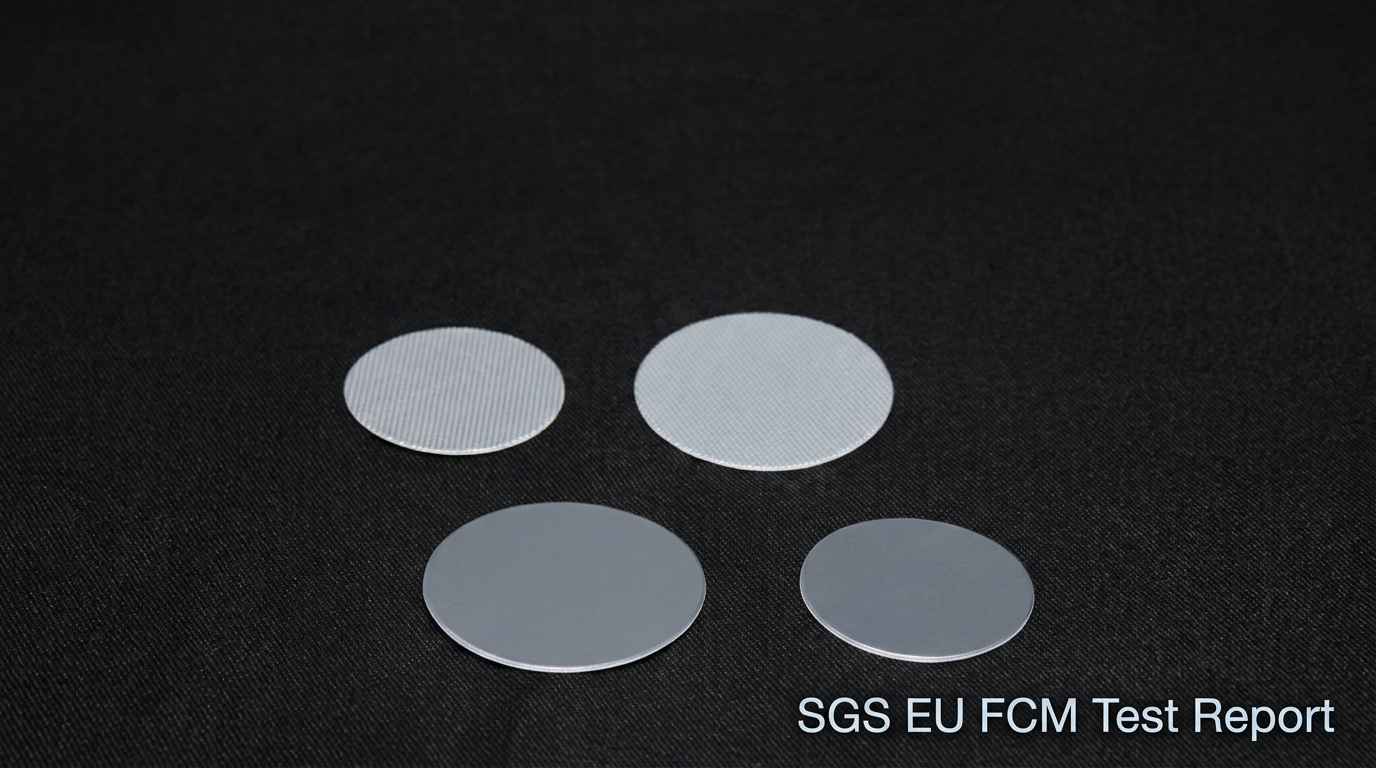
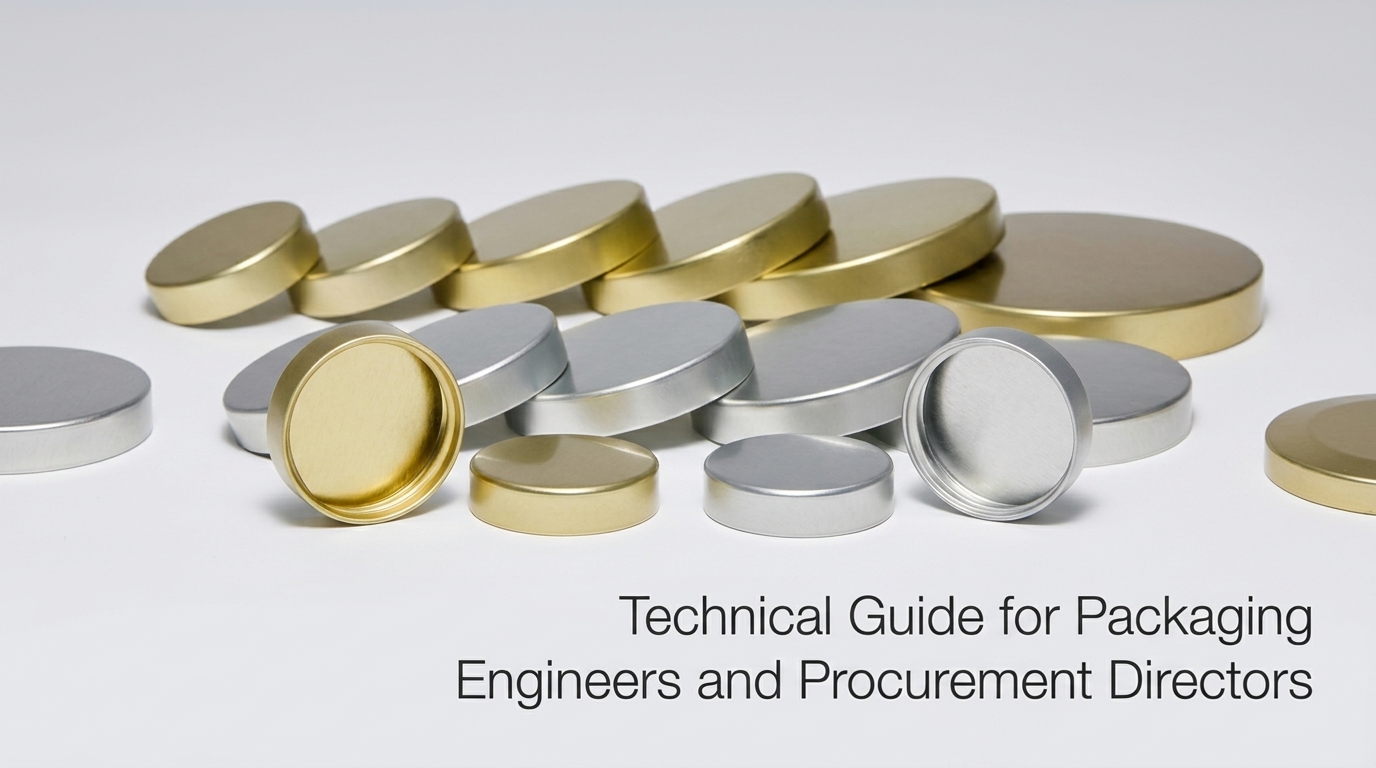

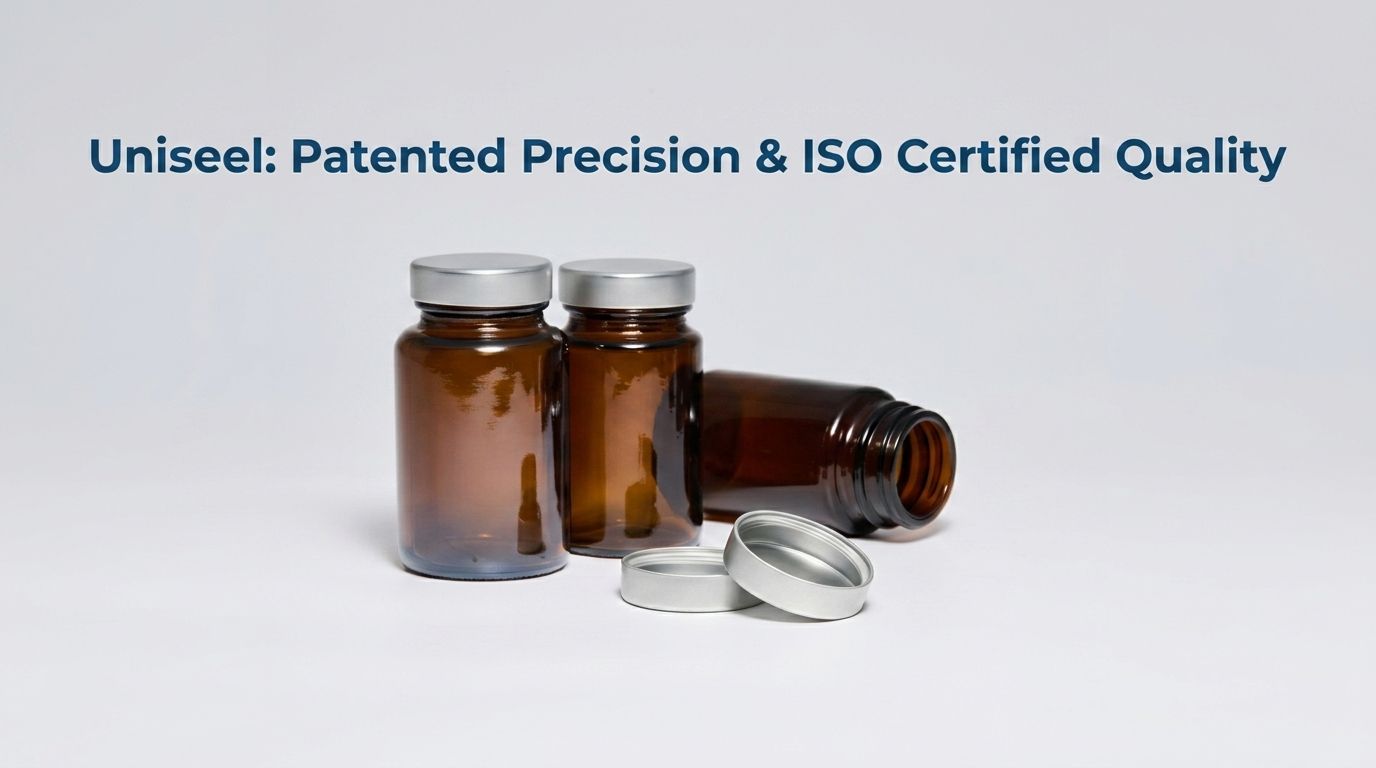
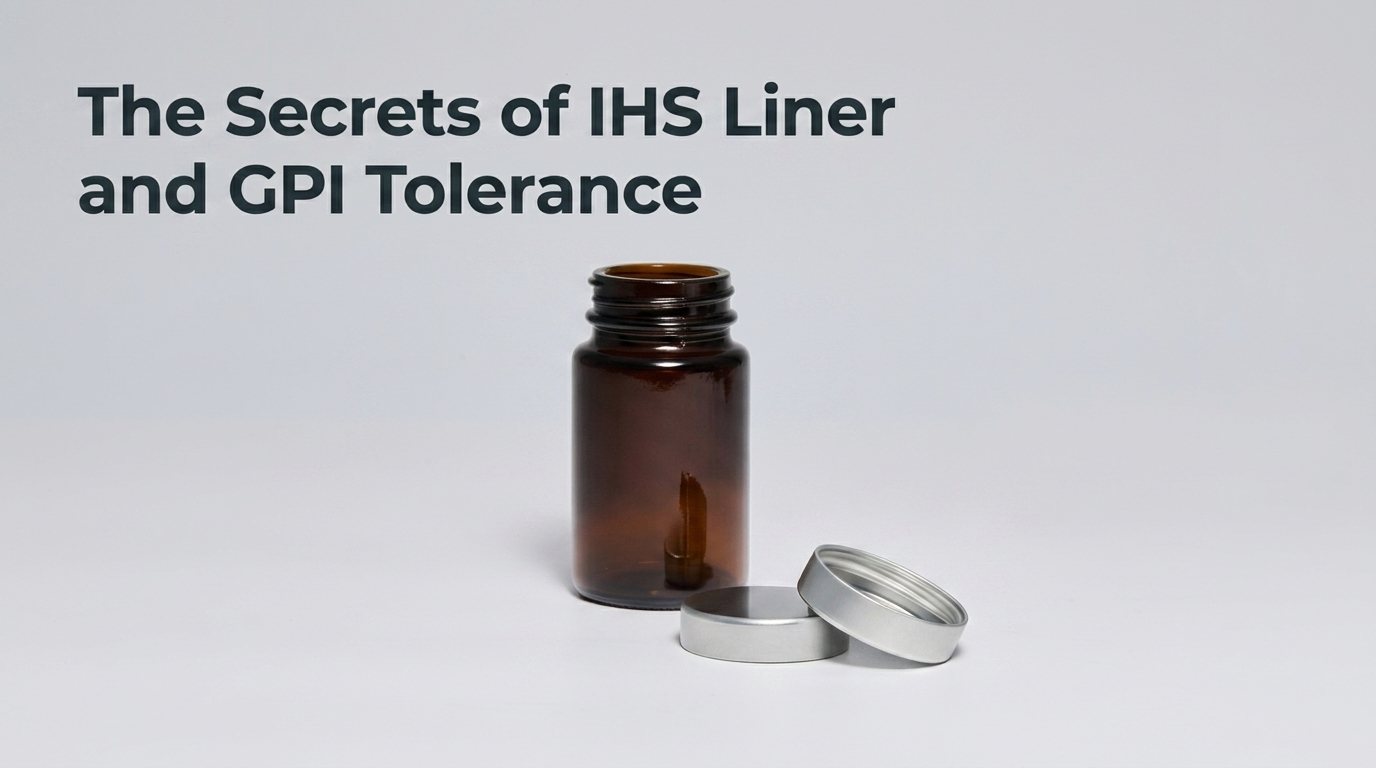
In the high-stakes world of pharmaceutical and cosmetic packaging, a failed seal isn't just a leak—it is a risk to brand integrity and product safety. While most suppliers blame the induction liner or the machine settings, at Hangzhou Uniseel Technology Co., Ltd., we look deeper into the physics of the interface. This case study explores how our engineering team diagnosed a complex sealing failure by identifying the 'Tolerance Trap' and why our strict ±0.1mm standard is the ultimate solution for hermetic consistency.
1. The Challenge: Why Did a High-Quality IHS Liner Fail?
Recently, one of our international clients encountered a frustrating challenge: our Induction Heat Seal (IHS) liners were not bonding correctly to their bottles. In the high-stakes pharmaceutical and cosmetic packaging industries, a failed seal isn't just a leak—it is a risk to brand integrity and product safety.
Initially, the primary suspect was the liner quality. Was the foil too thin? Was the sealing layer defective? At Uniseel, we treat every feedback as a technical audit.
2. Validation: The Proof is in the Lab
Our technical department immediately conducted cross-tests using the client’s bottles and our stock liners under controlled conditions.
Our lab tests demonstrated a 100% successful bond, confirming the chemical and structural integrity of the Uniseel IHS liner.
We then investigated torque settings. If the liner is perfect, was the capping machine providing enough downward pressure? We provided the client with our recommended torque data (17-25 in-lb).
3. The Discovery: The 'Tolerance Trap'
The breakthrough came when our engineers measured the actual bottles with precision instruments. We discovered a hidden variable: Dimensional Tolerance.
Even though a bottle is labeled as '45/400 GPI Standard,' not all manufacturing tolerances are identical:
- Industry Standard: Most factories operate at ±0.5mm.
- Generic Market Standards: Many technical drawings allow for ±0.25mm.
- The Uniseel Edge: Our factory operates at a strict internal standard of ±0.1mm.
4. The Proactive Solution: Bespoke Tolerance Matching
To eliminate these invisible variables, Uniseel has updated its quality protocol. We don't just sell standard caps; we provide guaranteed sealing solutions through a physical calibration workflow:
• Mandatory Bottle Samples: We request 2–4 target bottles for every new specification to map the actual neck finish.
• Thread Micro-Adjustment: Our engineers adjust the cap thread profile specifically for your container batch.
• Pre-Production Simulation: We perform real-world induction sealing tests in our lab before mass production starts.
5. Conclusion: Engineering Trust, One Micron at a Time
By bridging the gap between the cap and the bottle with ±0.1mm precision, we ensure that your product's journey from our factory to the consumer is safe and leak-free. Partner with Uniseel—'Unified Quality, Sealed for Safety.'
6. Technical FAQ: Troubleshooting Sealing Failures and Tolerances
Q1: What are the common causes of Induction Heat Seal (IHS) liner failure?
A: While liner quality and machine settings are important, the most frequent 'hidden' cause is dimensional tolerance mismatch between the bottle neck and the cap. Even small deviations in the neck outer diameter can prevent the uniform 360-degree pressure required for a hermetic bond.
Q2: What is the recommended application torque for Uniseel caps with IHS liners?
A: For our standard 38mm and 45mm Unishell caps, we recommend a precise application torque of 17 to 25 in-lb. This range ensures optimal compression of the induction foil against the bottle lip, facilitating a consistent and reliable seal during the induction process.
Q3: How does Uniseel's ±0.1mm tolerance standard benefit B2B buyers?
A: Our strict ±0.1mm manufacturing tolerance eliminates mechanical interference and ensures a silk-smooth fit on high-speed automated lines. By reducing variance, we provide a consistent 'mechanical bite' that prevents stripped threads and ensures every cap reaches its required sealing torque.
Q4: Why does Uniseel request physical bottle samples from clients?
A: We utilize a process called Collaborative Calibration. By measuring 2 to 4 target bottles from your actual production batch, our engineers can micro-adjust our forming dies specifically for your containers, ensuring a perfect mechanical fit that 'commodity' caps cannot provide.
Q5: Can Uniseel troubleshoot sealing issues for existing pharmaceutical packaging lines?
A: Yes. We offer comprehensive technical audits. Our team can analyze your current cap/bottle interface, provide recommended torque data, and perform lab simulations to resolve moisture ingress or leakage issues, protecting your brand's integrity.