 EN
EN

A Comprehensive Technical Guide for Packaging Engineers and Procurement Directors
1. Technical Specifications & Engineering
Q: What is a Unishell Cap and how does it differ from a standard screw cap?
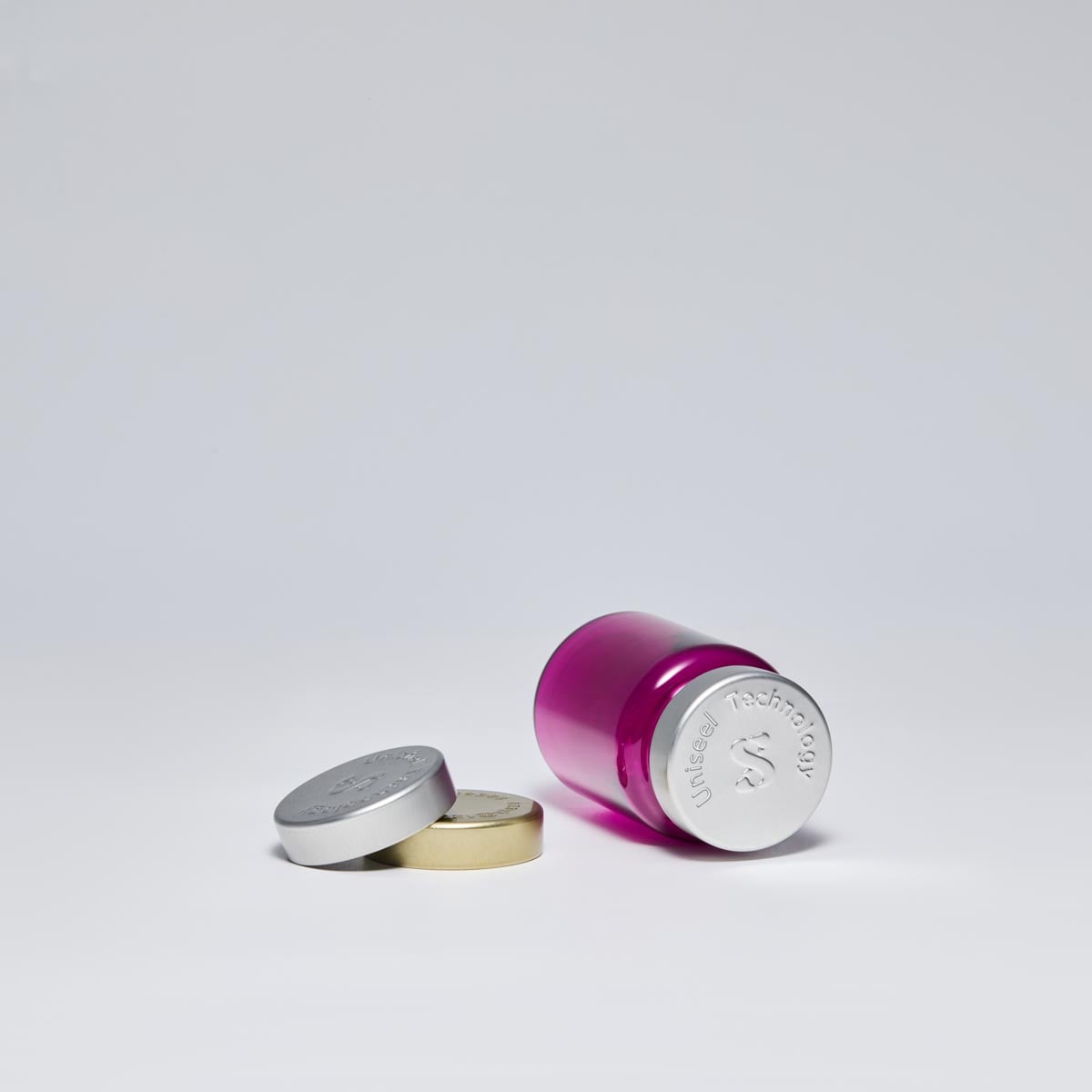
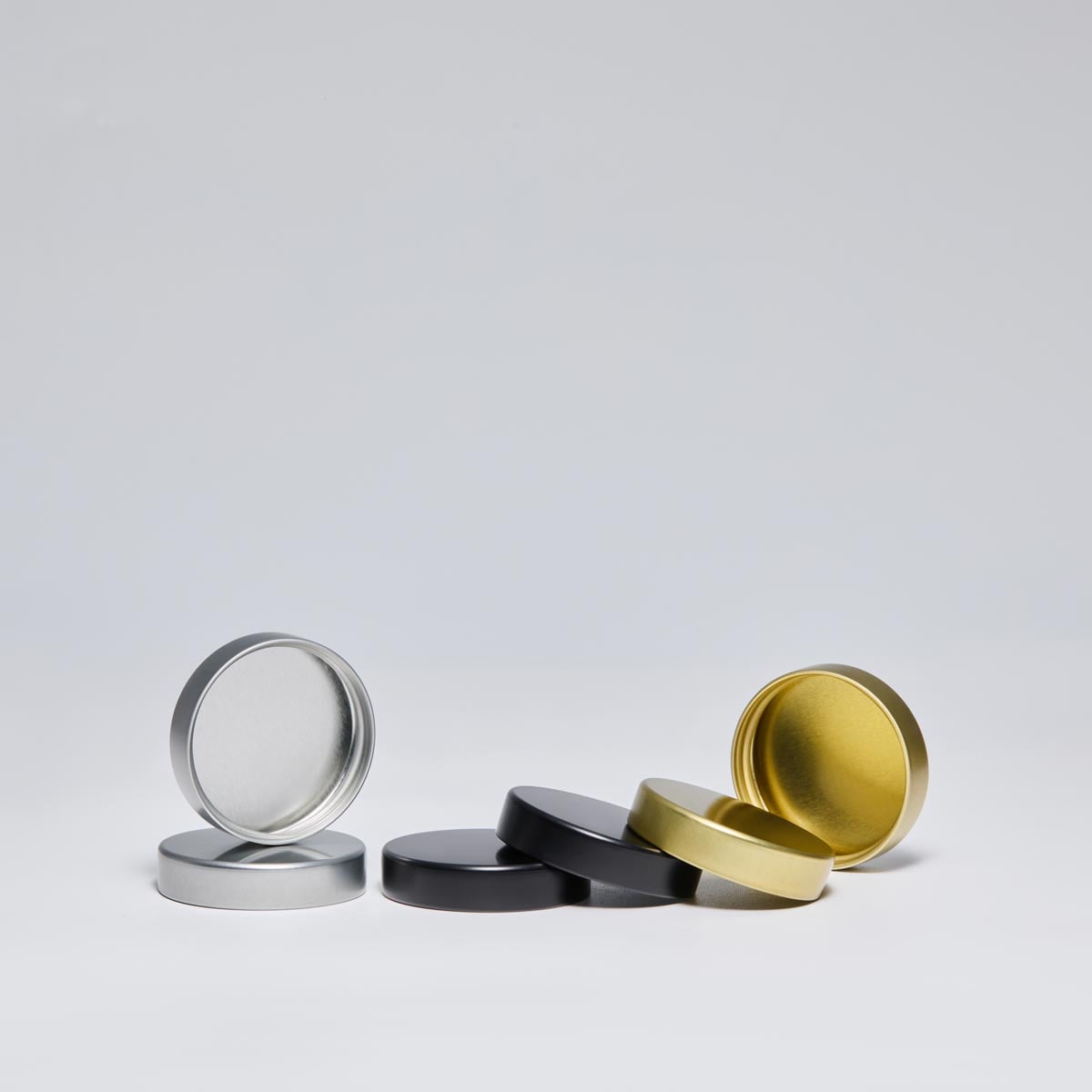
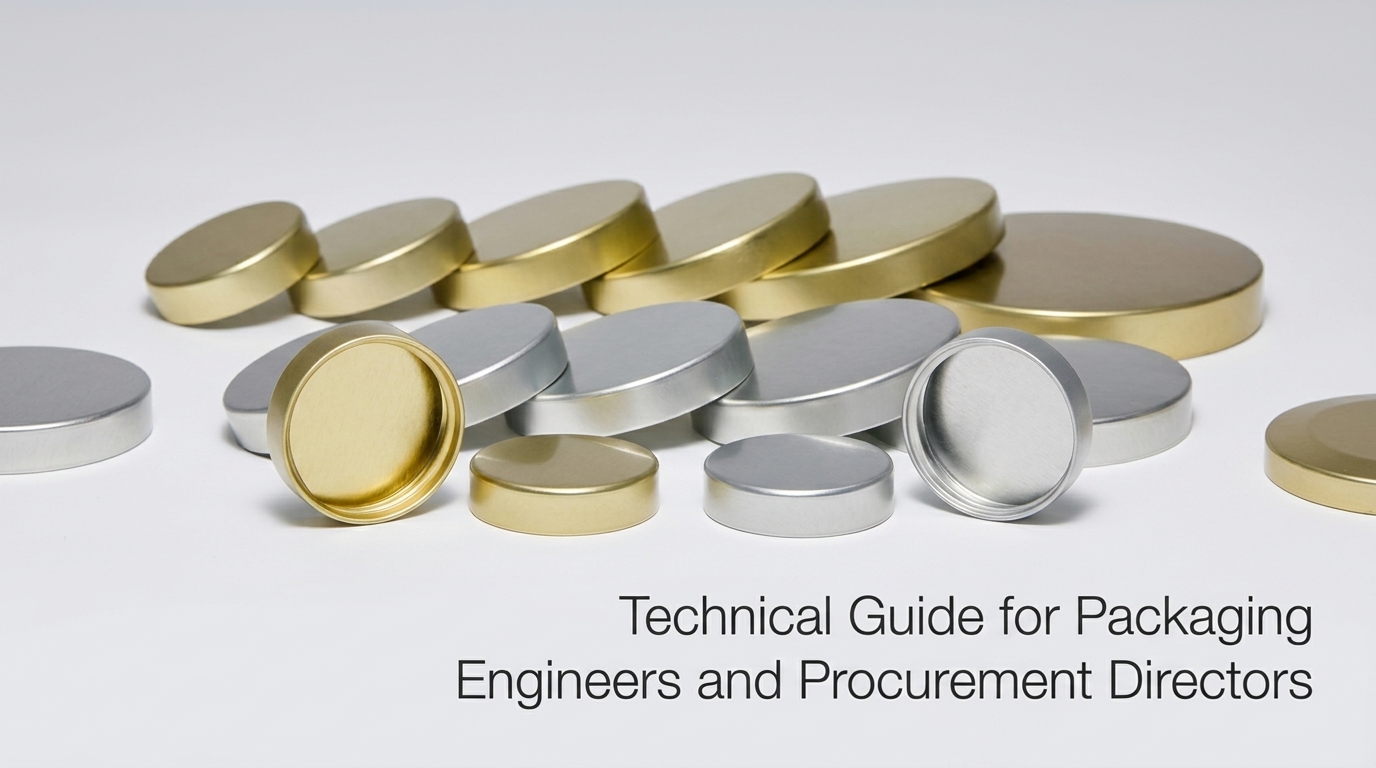
A: A Unishell cap features a smooth, continuous external wall that hides the internal threading, providing a premium 'apothecary' aesthetic. Unlike standard plastic screw caps, Uniseel Unishell caps are made from Tinplate (TP), offering superior structural integrity and a high-end metallic feel that enhances brand authority.
Q: Why does Uniseel prioritize Tinplate (TP) over Aluminum for closures?
A: For diameters larger than 53mm (such as 58mm, 70mm, and 89mm), aluminum is prone to 'ovality' issues—slight deformations that can cause leaks. Tinplate (TP) provides significantly higher structural rigidity, maintaining a perfect circular shape (ovality control) under the high torque of automated capping lines, ensuring a consistent hermetic seal.
Q: What does the '± 0.1mm tolerance' standard mean for my brand?
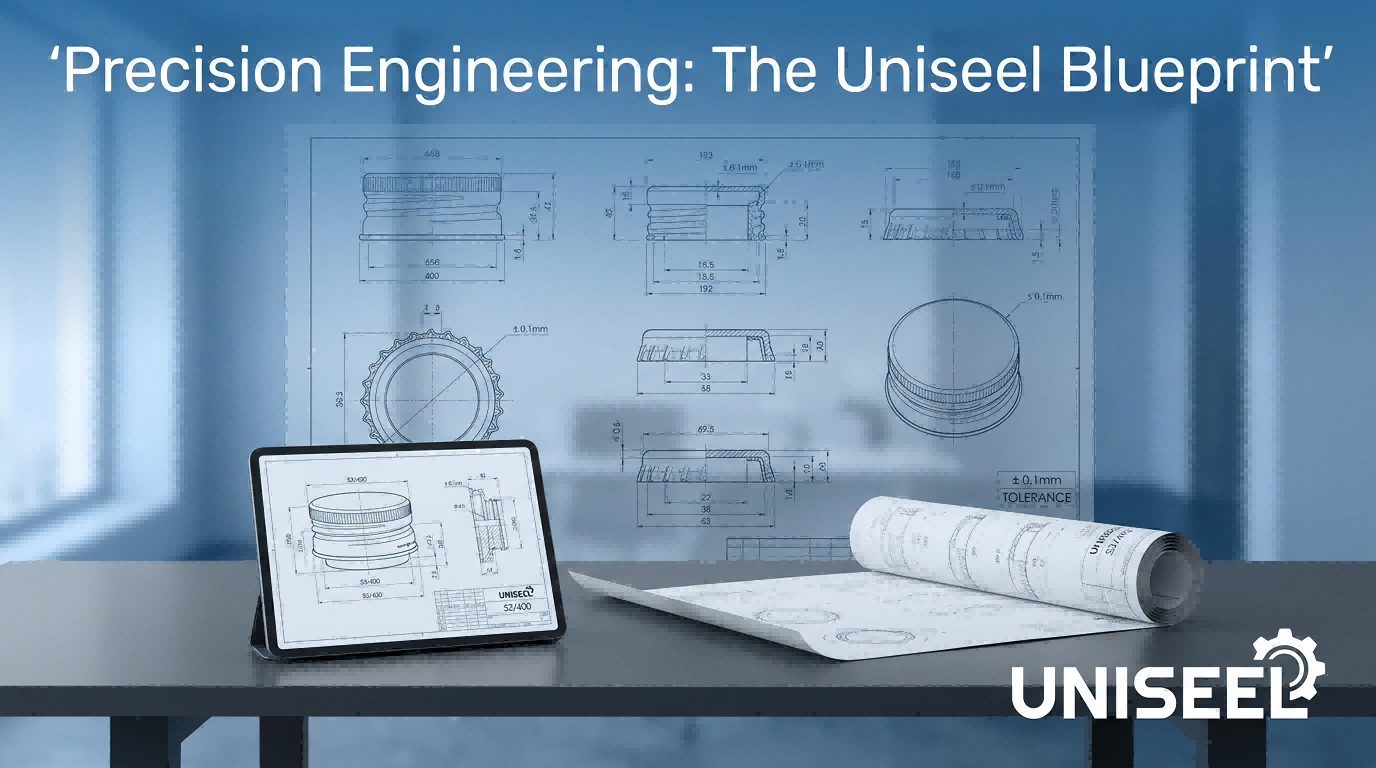
A: In B2B packaging, even a 0.5mm variance can lead to capping failures or leakage. Uniseel operates on a strict ± 0.1mm tolerance for Inner Diameter (I.D.). This mechanical precision ensures that our caps fit your jars perfectly every time, reducing downtime on your production line and protecting your product from oxidation.
Q: Are Uniseel caps measured by Outer Diameter or Inner Diameter (I.D.)?
A: All Uniseel technical models (e.g., 38/400, 45/400) refer to the Inner Diameter (I.D.). This is the industry-standard approach for ensuring compatibility with the corresponding neck finish of glass or PET containers.
Q: Which neck finish standards are Uniseel caps compatible with?
A: Our caps are engineered to the GPI 400 (Glass Packaging Institute) standard, which is the universal single-turn thread finish used in the USA and European pharmaceutical, nutraceutical, and skincare markets.
2. Sealing Technology & Liner Solutions
Q: How do I choose between IHS and PS22 sealing liners?
A: IHS (Induction Heat Seal) is the gold standard for liquid products or items sensitive to oxygen/moisture, requiring induction machinery to create a hermetic bond. PS22 (Pressure Sensitive) liners are torque-activated and ideal for dry goods like powders or capsules, requiring no specialized machinery to apply.
Q: Can the same Induction Heat Seal (IHS) liner be used for both PET and Glass jars?
A: No. The sealing layer on an IHS liner is chemically formulated to bond with specific materials. A liner designed for PET will not bond to glass. Uniseel provides dedicated 'IHS for PET' and 'IHS for Glass' solutions to ensure 100% sealing integrity.
Q: What is the primary benefit of EPE foam liners?
A: EPE (Expanded Polyethylene) is a resilient, closed-cell foam that acts as a physical gasket. It is ideal for multi-use products like lotions or shampoos, as it compresses and recovers its shape every time the consumer closes the cap, maintaining a leak-proof seal throughout the product's life.
Q: What is the shelf life of Uniseel pressure-sensitive (PS) liners?
A: When stored in a cool, dry environment (under 25°C), our PS liners maintain optimal adhesive performance for 12 months. It is recommended to use them within this timeframe to ensure the best bond to the container rim.
3. Quality, Compliance & Manufacturing
Q: Do Uniseel internal coatings comply with global food safety standards?
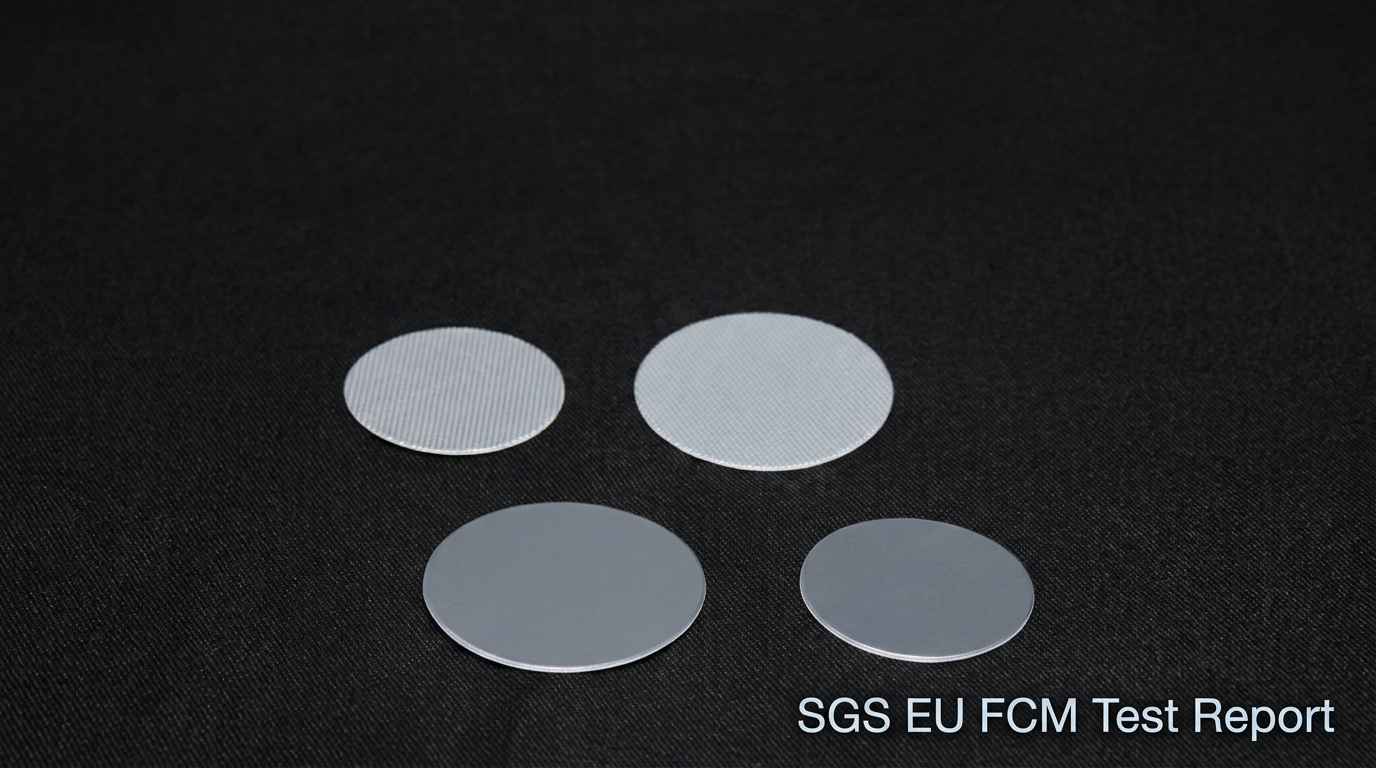
A: All our raw materials undergo rigorous testing. Our Silver and Gold Unishell caps have been comprehensively tested by SGS and are fully compliant with RoHS, REACH, and FDA standards.
Specific Testing Scopes:
• FDA 21 CFR 175.300: Evaluates resinous and polymeric coatings for safe food and pharmaceutical contact, focusing on total extractives in various stimulants.
• RoHS (Directive 2011/65/EU & (EU) 2015/863): Verifies the absence of hazardous substances, including Lead (Pb), Mercury (Hg), Cadmium (Cd), Hexavalent Chromium (Cr VI), and specific phthalates.
• REACH (EC No 1907/2006): Screened for SVHC (Substances of Very High Concern) to ensure the safety of chemical compositions.
Q: What certifications does Uniseel hold for the European market?
A: Our metal closures and liners are fully compliant with EU REACH SVHC and RoHS regulations. These certifications verify that our products are free from hazardous chemicals and heavy metals.
Q: Are Uniseel caps manufactured in a cleanroom environment?
A: Yes. All primary manufacturing, lining, and quality control processes at Uniseel take place within an ISO Class 7 (Class 10,000) Cleanroom. This ensures that your packaging components are free from microbial load and environmental particulates—a mandatory requirement for pharmaceutical and medical-grade skincare.
Q: What is Uniseel’s daily manufacturing capacity?
A: We maintain a daily capacity of 250,000 units. This industrial scale, backed by our parent company's 30 years of manufacturing experience, allows us to handle high-volume global contracts while maintaining short lead times and consistent quality.
4. Customization & Branding
Q: Can Uniseel match a specific Pantone color for our brand?
A: Yes. We offer professional color matching for Pantone (PMS). Our triple-layer coating system ensures that your custom brand color is durable, scratch-resistant, and visually consistent across every batch.
Q: What is the strategic advantage of 3D embossed logos over printing?
A: 3D embossing provides a tactile, permanent branding element that cannot be scuffed or peeled off like a label. It adds an immediate 'premium' feel to the packaging and serves as a built-in anti-counterfeit feature, as the precision tooling is difficult for others to replicate.
Q: Is custom logo embossing safe for sensitive pharmaceutical products?
A: Yes. Our ± 0.1mm precision tooling ensures that the embossing is restricted to the top surface and does not breach the internal protective lacquer. This maintains the functional barrier between the metal and the product.
Q: What is the typical lead time for custom tooling and color matching?
A: Custom die sets for embossing typically take 15-20 days. Color matching and sample approval usually add 7-10 days to the initial project timeline. Once tooling is finalized, mass production follows our standard high-speed lead times.
Q: How does the Uniseel metal cap support our brand's ESG goals?
A: Metal is the champion of the circular economy. Unlike plastic, tinplate is 100% infinitely recyclable without loss of quality. Switching from plastic to a Uniseel metal closure significantly reduces your brand's carbon footprint and appeals to eco-conscious consumers in the USA and Europe.
Partner with Uniseel——"Unified Quality, Sealed for Safety."