bpa-free
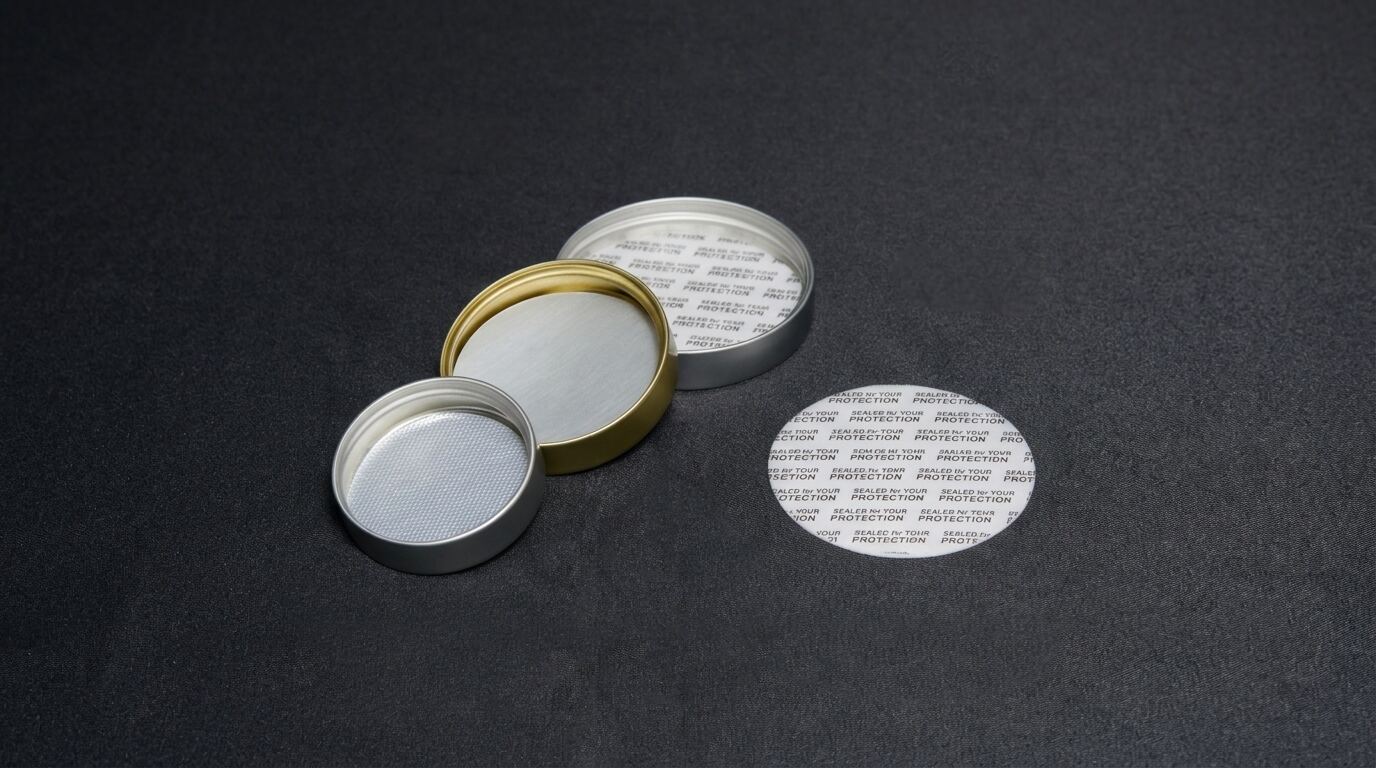
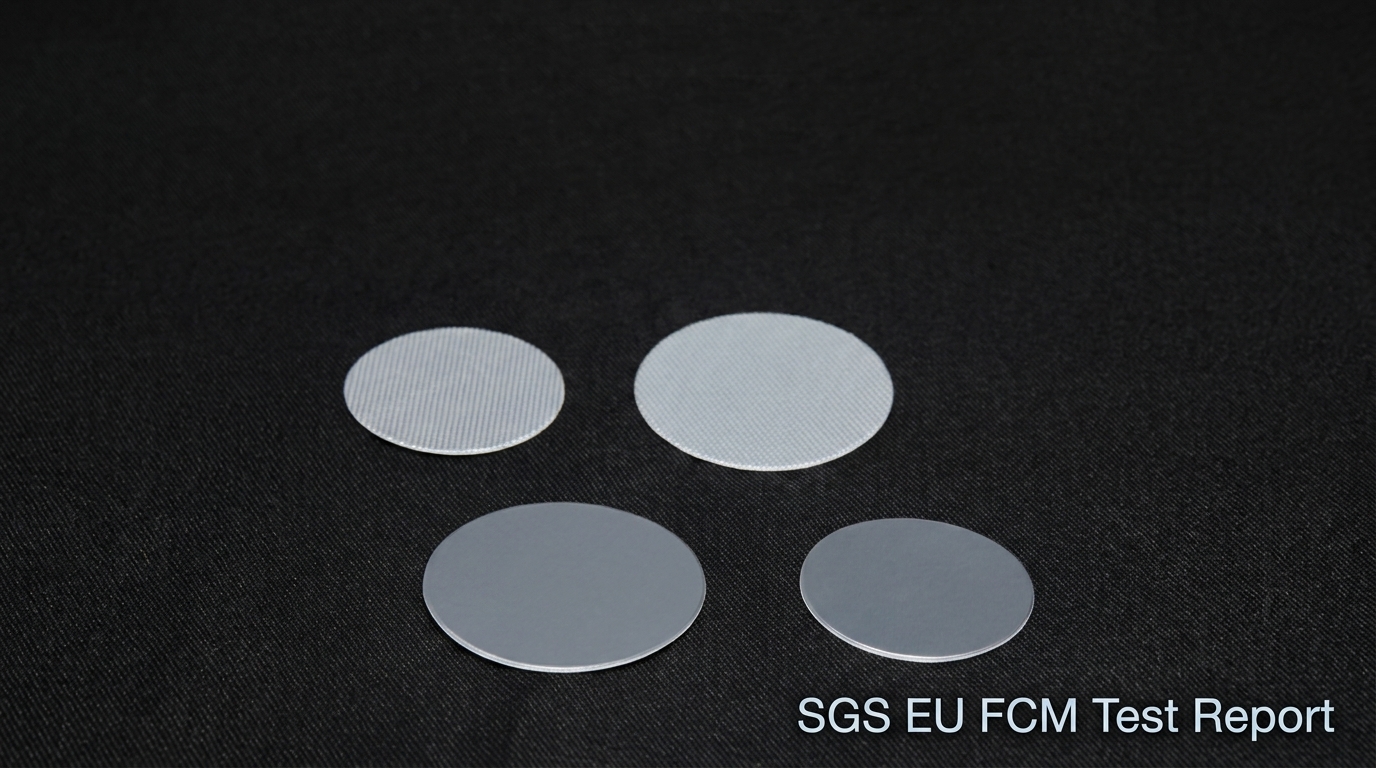
BPA-free products have become essential in modern consumer goods, representing items manufactured without Bisphenol A, a synthetic chemical compound traditionally used in plastics and resins. This designation indicates that materials like water bottles, food containers, baby products, and kitchen utensils are produced using alternative compounds that eliminate potential health risks associated with BPA exposure. The primary function of bpa-free materials is to provide safe, non-toxic contact with food and beverages while maintaining durability and functionality. Technologically, bpa-free products utilize advanced polymer formulations such as Tritan copolyester, polypropylene, stainless steel, glass, and silicone that offer similar structural integrity without chemical leaching concerns. These alternatives undergo rigorous testing to ensure they meet food safety standards and maintain performance under various temperatures and usage conditions. Applications span across household items including drinking bottles, storage containers, cookware, children's feeding accessories, and even thermal receipt paper. The bpa-free designation has become a critical purchasing factor as consumers increasingly prioritize health-conscious choices. Manufacturing processes for bpa-free items incorporate stringent quality controls to verify the absence of BPA and ensure compliance with international safety regulations. As awareness grows regarding endocrine disruption and potential hormonal impacts from BPA exposure, the market demand for bpa-free alternatives continues expanding across industries, making this standard practice rather than exception in product development and consumer expectations.




 EN
EN