plastic without bpa
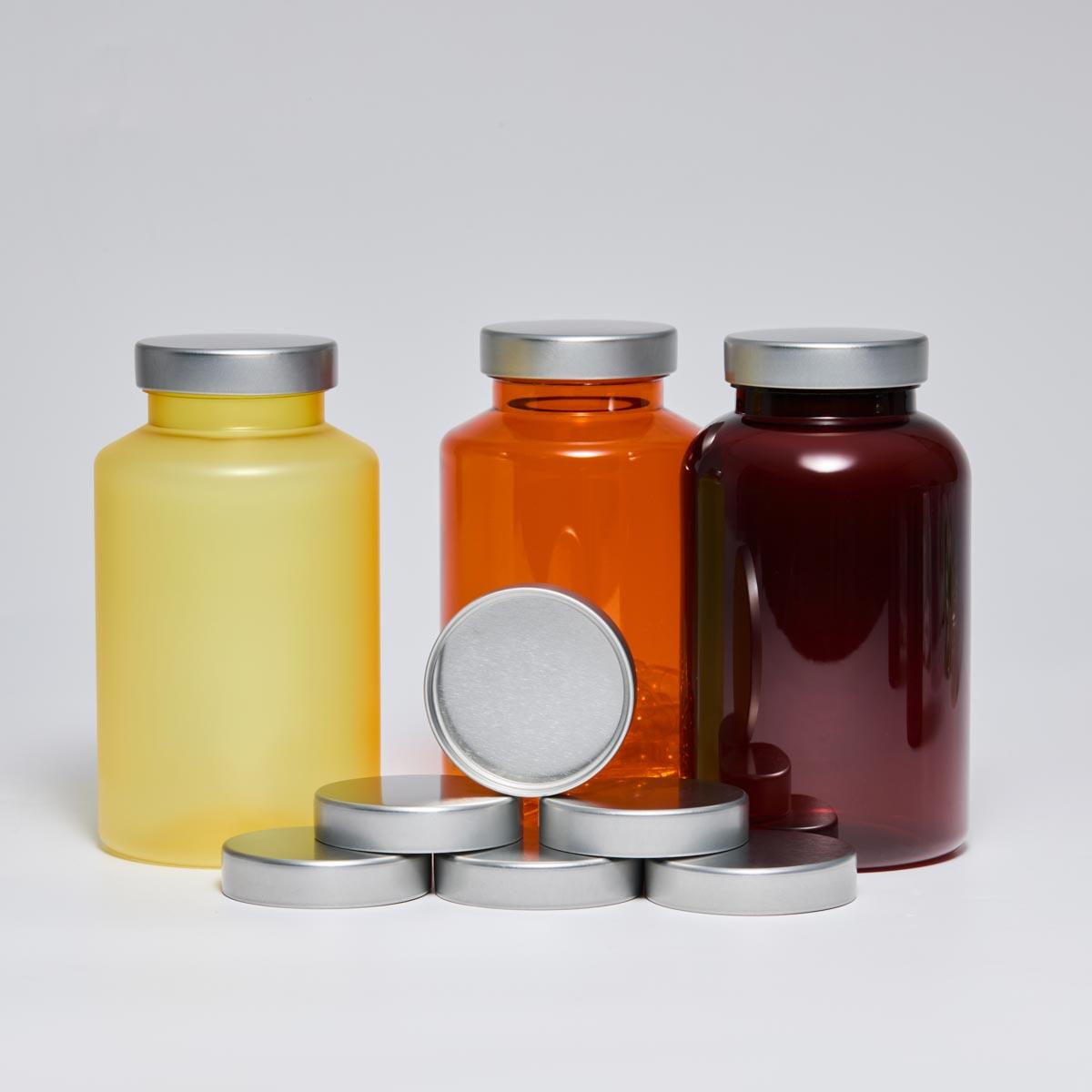
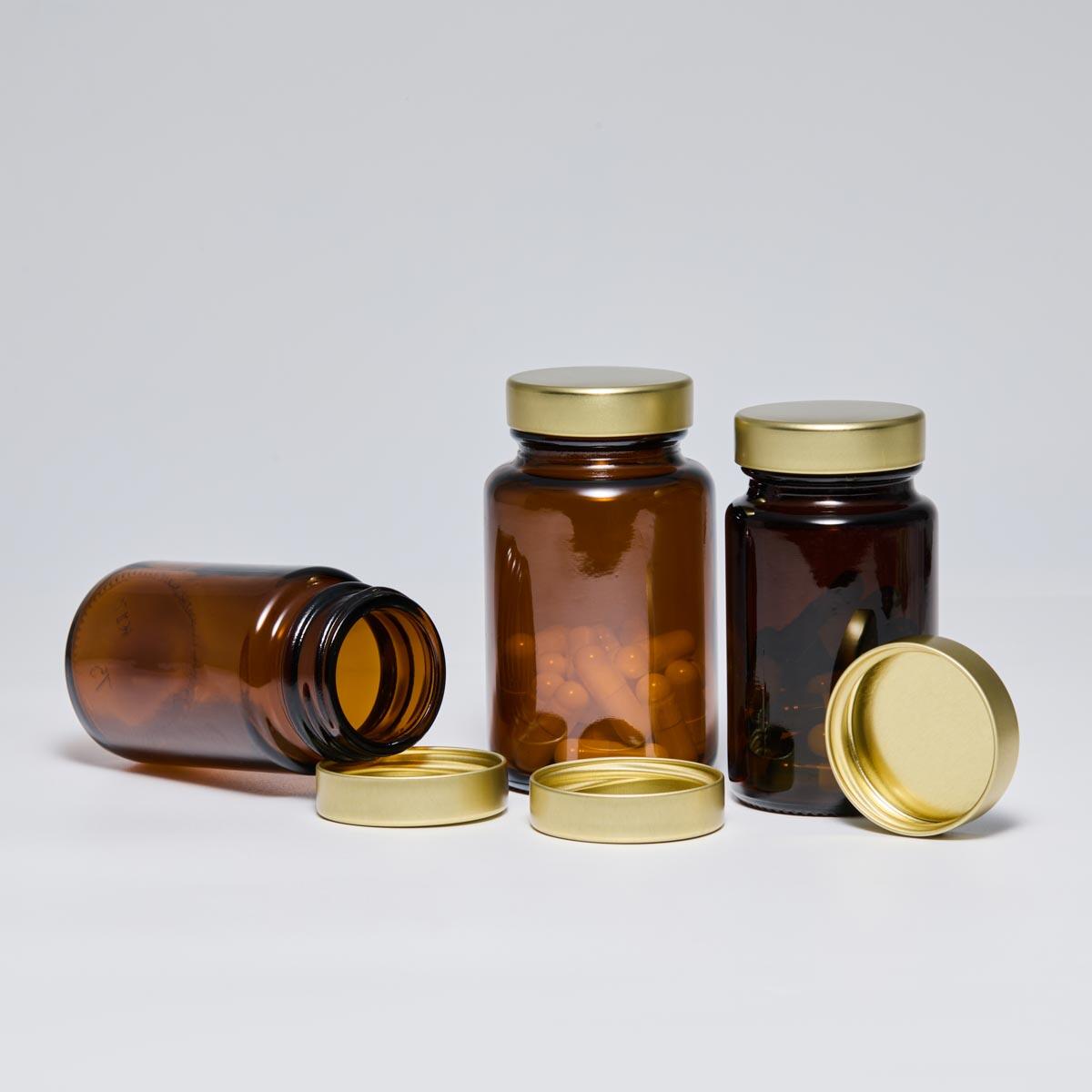
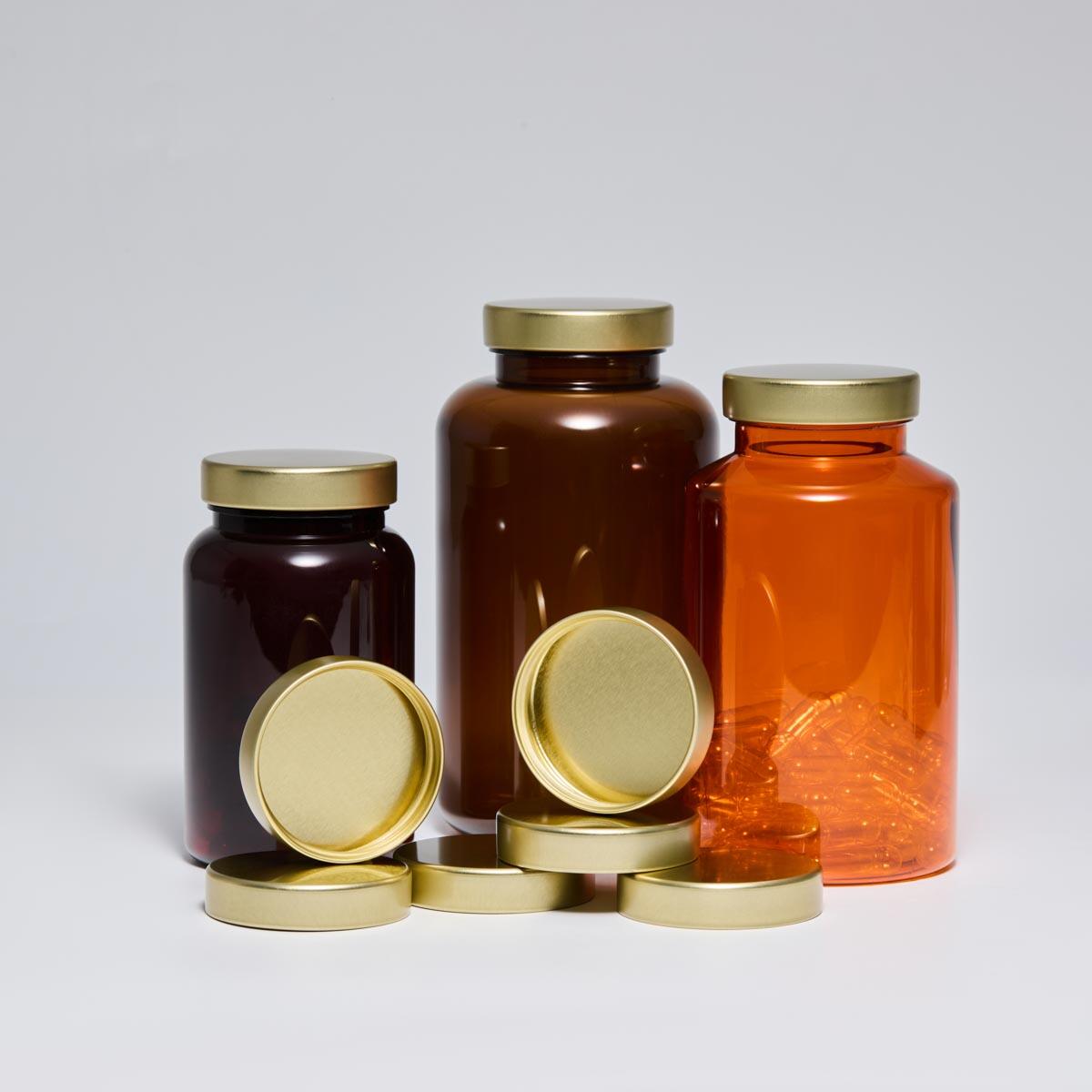
Plastic without BPA represents a significant advancement in material science, offering consumers safer alternatives to traditional plastics that contain Bisphenol A, a chemical compound linked to potential health concerns. This innovative material maintains all the durability, versatility, and convenience of conventional plastics while eliminating BPA from its composition. Plastic without BPA is engineered using alternative compounds such as Tritan copolyester, polypropylene, polyethylene, or other approved substances that provide structural integrity without compromising safety. The main functions of plastic without BPA include providing safe food and beverage storage, creating durable consumer products, and offering reliable packaging solutions across multiple industries. Technologically, these materials undergo rigorous testing to ensure they meet FDA standards and international safety regulations. They demonstrate excellent resistance to heat, impact, and wear while remaining free from harmful chemical leaching. Applications for plastic without BPA span numerous sectors including food service containers, water bottles, baby products, medical devices, kitchen utensils, and consumer electronics. The material exhibits transparency comparable to traditional plastics, maintains color stability over time, and can be manufactured using standard plastic processing techniques such as injection molding, blow molding, and extrusion. As consumer awareness about chemical safety increases, plastic without BPA has become the preferred choice for manufacturers committed to producing health-conscious products that meet modern safety expectations without sacrificing performance or functionality.





 EN
EN