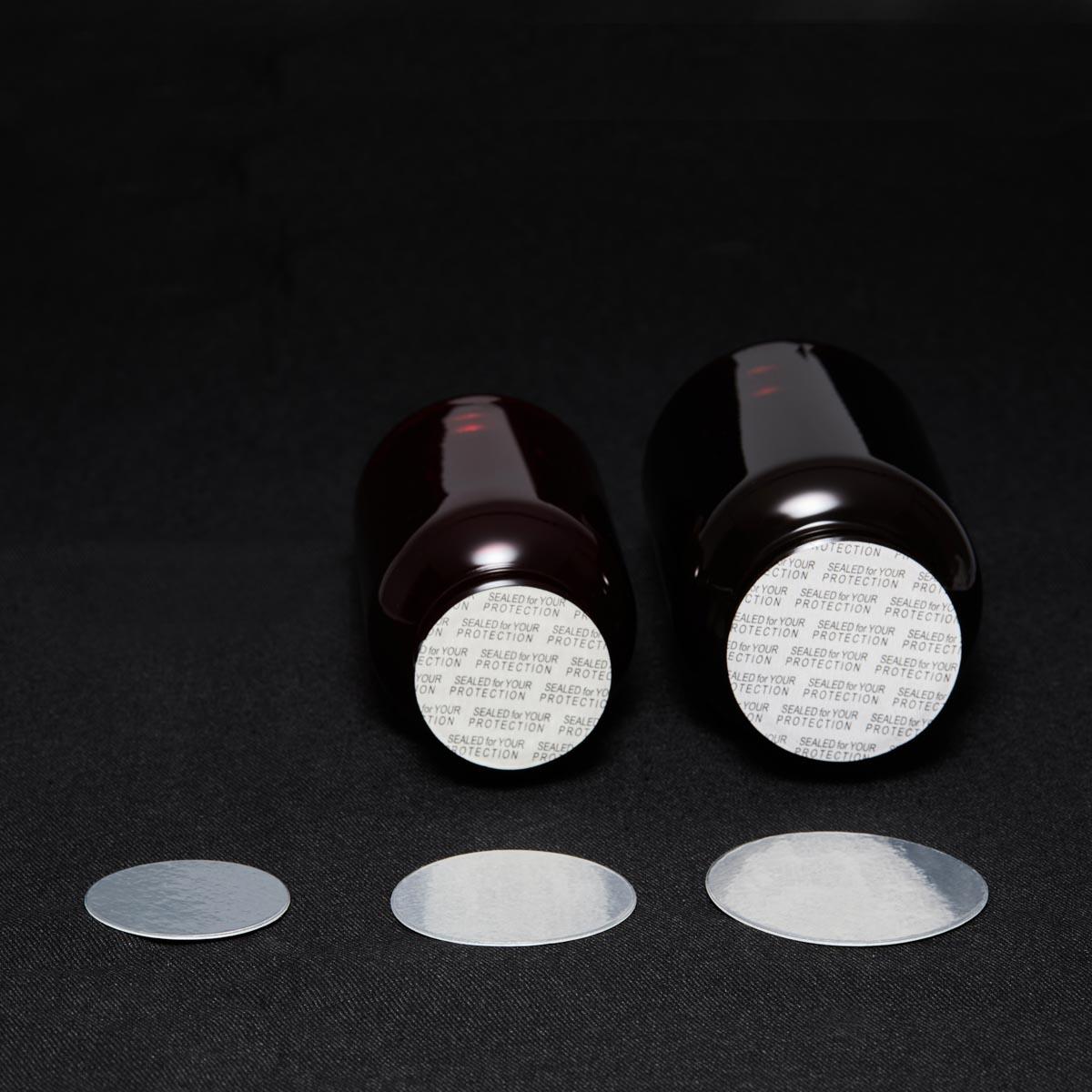
Tin Plate Material: Benefits & Applications

Premium Unishell Caps & Sealing Liners contact us

tin plate material

Tin plate material is a versatile steel product consisting of a thin sheet of low-carbon steel coated with a layer of tin on both sides. This composite material combines the structural strength of steel with the corrosion-resistant properties of tin, creating an economical and effective solution for numerous packaging and industrial applications. The tin coating typically ranges from 2.8 to 11.2 grams per square meter, providing excellent protection against oxidation and chemical reactions. Tin plate material serves three main functions: it acts as a protective barrier preventing rust and corrosion, offers a safe non-toxic surface suitable for food contact, and provides an attractive metallic finish that accepts printing and decoration readily. The technological features of tin plate material include exceptional formability that allows complex shaping without coating damage, superior weldability for manufacturing sealed containers, and reliable performance across temperature extremes. Manufacturing processes like electrolytic tinning ensure uniform coating thickness and consistent quality. Common applications span food and beverage cans, aerosol containers, paint cans, chemical packaging, crown caps, and decorative tins. The material's recyclability makes it environmentally sustainable, as tin plate material can be recycled indefinitely without quality loss. Industries worldwide rely on this material for packaging solutions that demand both product protection and consumer safety, making it an indispensable component in modern manufacturing and packaging operations.

New Products

Choosing tin plate material delivers multiple practical benefits that directly impact your bottom line and product quality. The material provides exceptional corrosion resistance, protecting your products from moisture, oxygen, and contaminants throughout storage and distribution cycles. This protection extends shelf life significantly, reducing waste and ensuring customer satisfaction. The food-safe properties of tin plate material make it ideal for direct contact with consumables, as tin is non-toxic and prevents metallic taste transfer that can occur with other packaging materials. You gain operational efficiency through the material's excellent formability, which allows high-speed manufacturing processes with minimal defects and downtime. The material bends, draws, and shapes easily during can-making operations, reducing production costs while maintaining structural integrity. Tin plate material offers superior printability, accepting lithographic and other printing methods beautifully, which enhances brand visibility and shelf appeal for your products. The bright, reflective surface creates premium presentation that attracts consumers and differentiates your offerings in competitive markets. From a sustainability perspective, tin plate material supports your environmental goals as it is completely recyclable and maintains its properties through multiple recycling cycles. This reduces raw material costs and appeals to eco-conscious consumers. The material's durability ensures reliable performance during filling, sealing, transportation, and handling operations, minimizing package failures and associated costs. Its compatibility with various closure systems and coating options provides flexibility to customize solutions for specific product requirements, whether you need chemical resistance, heat processing capability, or extended freshness preservation. These combined advantages make tin plate material a cost-effective choice that balances performance, safety, aesthetics, and environmental responsibility for diverse packaging applications.

Tips And Tricks

Ensuring Environmental Compliance: A Deep Dive into the SGS RoHS Test Report for Uniseel Silver Unishell Caps

08

Jun

Ensuring Environmental Compliance: A Deep Dive into the SGS RoHS Test Report for Uniseel Silver Unishell Caps

View More
Beyond Compliance: Decoding the SGS REACH SVHC Test Report for Uniseel Silver Unishell Caps

03

Jun

Beyond Compliance: Decoding the SGS REACH SVHC Test Report for Uniseel Silver Unishell Caps

View More
Safety First: Decoding SGS RoHS Compliance for Uniseel Gold Unishell Caps

07

Jun

Safety First: Decoding SGS RoHS Compliance for Uniseel Gold Unishell Caps

View More
Beyond the Liner: Solving the Mystery of IHS Sealing Failures Through Precision Tolerance Control

07

Jun

Beyond the Liner: Solving the Mystery of IHS Sealing Failures Through Precision Tolerance Control

View More

Get a Free Quote

Our representative will contact you soon.
Email
Mobile/WhatsApp
Name
Company Name
Message
0/1000

tin plate material

Superior Corrosion Protection and Product Safety

Superior Corrosion Protection and Product Safety

Tin plate material delivers unmatched corrosion protection through its dual-layer construction that shields steel from environmental degradation. The tin coating acts as both a physical barrier and a sacrificial layer, preventing rust formation even when minor scratches occur during handling or processing. This protection mechanism ensures package integrity throughout product lifecycles, from manufacturing through consumer use. For food and beverage applications, the non-reactive nature of tin plate material prevents chemical interactions between package and contents, preserving flavor profiles, nutritional values, and product freshness without contamination risks. The material meets stringent international food safety standards, providing manufacturers with regulatory compliance confidence across global markets. Unlike alternative packaging materials that may leach chemicals or impart off-flavors, tin plate material maintains product purity while offering hermetic sealing capabilities that exclude oxygen and moisture. This combination of protective features reduces spoilage rates, extends distribution reach, and minimizes costly product recalls, delivering measurable value through enhanced product stability and consumer trust in packaged goods quality.
Exceptional Manufacturing Efficiency and Versatility

Exceptional Manufacturing Efficiency and Versatility

The formability characteristics of tin plate material enable high-speed automated production lines that maximize output while minimizing operational costs. Material properties allow deep drawing, intricate shaping, and precise forming operations without coating fracture or steel failure, which translates to fewer rejected units and consistent quality standards. Manufacturers benefit from reduced tooling wear and maintenance requirements compared to harder materials, lowering total cost of ownership for production equipment. Tin plate material accommodates various welding and seaming techniques, facilitating reliable container closure that withstands internal pressures and external handling stresses. The material's compatibility with standard can-making equipment means you can implement it without extensive capital investment in specialized machinery. Its uniform thickness and coating consistency ensure predictable performance during stamping, flanging, and beading operations, reducing setup time and waste during production runs. The versatility of tin plate material extends across container sizes from small crown caps to large industrial drums, supporting diverse product portfolios with a single material platform that simplifies inventory management and procurement processes while maintaining consistent quality across all package formats.
Environmental Sustainability and Economic Value

Environmental Sustainability and Economic Value

Tin plate material stands as an environmentally responsible packaging choice that supports circular economy principles while delivering strong economic returns. The material's infinite recyclability means it can be reprocessed repeatedly without degradation of properties, reducing dependence on virgin raw materials and lowering environmental impact. Recycling tin plate material requires significantly less energy than producing new steel, contributing to carbon footprint reduction goals that increasingly influence purchasing decisions and corporate sustainability reporting. The magnetic properties of steel in tin plate material facilitate easy separation in recycling streams, improving collection efficiency and recycling rates compared to materials requiring complex sorting technologies. From an economic perspective, the material's durability reduces package damage during distribution, lowering replacement costs and product losses that erode profit margins. The lightweight strength of tin plate material optimizes shipping efficiency, reducing transportation costs and associated emissions per unit delivered. Long-term value emerges through brand reputation enhancement as consumers increasingly favor products packaged in recyclable materials, creating marketing advantages and customer loyalty that translate to sustained sales growth and market share gains in environmentally conscious consumer segments.
Tin Plate Material: Benefits & Applications

Get a Free Quote

Our representative will contact you soon.
Email
Mobile/WhatsApp
Name
Company Name
Message
0/1000