Tinplate Food Packaging Solutions for Quality

Premium Unishell Caps & Sealing Liners contact us

tinplate food packaging

Tinplate food packaging represents a sophisticated solution for preserving and protecting food products through steel sheets coated with a thin layer of tin. This packaging material combines the strength of steel with the corrosion resistance of tin, creating containers that excel in maintaining food quality and safety. The main functions of tinplate food packaging include forming an impermeable barrier against light, oxygen, and moisture, which are primary factors in food degradation. Technologically, tinplate food packaging features electrolytic tinning processes that ensure uniform coating thickness, typically ranging from 2.8 to 11.2 grams per square meter. The material undergoes rigorous quality control to meet food safety standards and can withstand various sterilization methods including retort processing at high temperatures. Applications span diverse food categories such as canned vegetables, fruits, seafood, meat products, dairy items, beverages, and confectionery. The versatility of tinplate food packaging allows manufacturers to create containers in multiple shapes and sizes, from small sardine cans to large institutional-sized containers. Modern production techniques enable high-speed manufacturing with precision seaming and coating technologies that ensure hermetic seals. The recyclability of tinplate food packaging adds environmental value, as the material can be repeatedly reprocessed without losing its protective properties, making it a sustainable choice for food manufacturers and environmentally conscious consumers seeking reliable preservation solutions.

New Product Releases

Choosing tinplate food packaging delivers substantial practical benefits that directly impact your product quality and business operations. The material provides superior protection that extends shelf life significantly, often enabling products to remain fresh for years without refrigeration, reducing energy costs and expanding distribution possibilities. Your products gain enhanced durability during transportation and storage, as tinplate food packaging resists impacts, crushing, and punctures better than alternative materials, minimizing product loss and customer complaints. The hermetic sealing capability ensures complete protection from external contaminants, preserving taste, nutritional value, and texture while eliminating the need for artificial preservatives in many applications. From an operational perspective, tinplate food packaging integrates seamlessly with existing production lines and automated filling equipment, maintaining high-speed efficiency without requiring extensive modifications. The material accepts various printing and labeling techniques, enabling vibrant graphics that enhance shelf appeal and brand recognition while communicating product information effectively. Cost efficiency emerges through reduced spoilage rates, lower storage expenses, and decreased need for cold chain logistics, improving your profit margins. The universal recyclability of tinplate food packaging resonates with sustainability-focused consumers and helps companies meet environmental compliance requirements without compromising product protection. Application suitability extends across acidic, neutral, and alkaline food products, accommodating diverse formulations from tomato-based sauces to dairy products. The proven track record of tinplate food packaging in global markets provides confidence for product launches, export opportunities, and long-term storage applications. Decision-makers appreciate that this packaging solution requires minimal specialized training for handling and filling operations while delivering consistent, reliable performance across production batches.

Latest News

Ensuring Environmental Compliance: A Deep Dive into the SGS RoHS Test Report for Uniseel Silver Unishell Caps

08

Jun

Ensuring Environmental Compliance: A Deep Dive into the SGS RoHS Test Report for Uniseel Silver Unishell Caps

View More
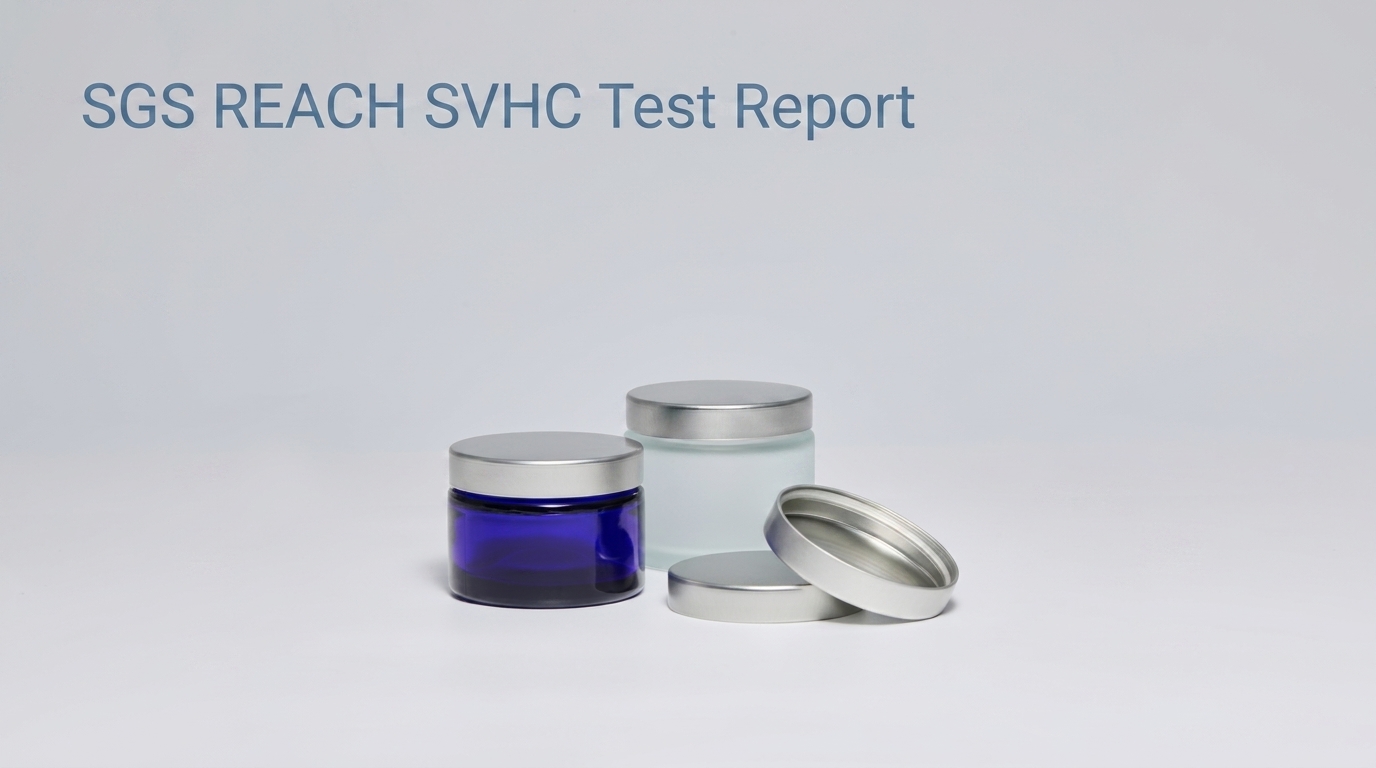
Beyond Compliance: Decoding the SGS REACH SVHC Test Report for Uniseel Silver Unishell Caps

03

Jun

Beyond Compliance: Decoding the SGS REACH SVHC Test Report for Uniseel Silver Unishell Caps

View More
Safety First: Decoding SGS RoHS Compliance for Uniseel Gold Unishell Caps

07

Jun

Safety First: Decoding SGS RoHS Compliance for Uniseel Gold Unishell Caps

View More
Uniseel Technology Achieves EU CE & RoHS Certification: A New Benchmark for Premium Metal Closures in the European Market

08

Jun

Uniseel Technology Achieves EU CE & RoHS Certification: A New Benchmark for Premium Metal Closures in the European Market

View More

Get a Free Quote

Our representative will contact you soon.
Email
Mobile/WhatsApp
Name
Company Name
Message
0/1000

tinplate food packaging

Exceptional Barrier Protection and Shelf Life Extension

Exceptional Barrier Protection and Shelf Life Extension

Tinplate food packaging delivers unmatched barrier properties that fundamentally transform food preservation capabilities. The material creates a complete seal against oxygen, light, and moisture penetration, which are the three primary causes of food deterioration and quality loss. This comprehensive protection mechanism allows products packaged in tinplate food packaging to maintain their original flavor profiles, nutritional content, and visual appeal for extended periods, often exceeding two to five years without refrigeration requirements. The importance of this feature cannot be overstated for manufacturers seeking to expand market reach, reduce waste, and provide consumers with convenient long-term storage options. Unlike permeable packaging alternatives, tinplate food packaging maintains an oxygen-free environment that prevents oxidation reactions responsible for rancidity, color changes, and vitamin degradation. This capability proves particularly valuable for products containing oils, fats, and sensitive vitamins that rapidly deteriorate when exposed to air. The light-blocking properties prevent photochemical reactions that compromise quality in light-sensitive products. For businesses, this translates to reduced product returns, enhanced brand reputation, and the ability to serve distant markets without quality concerns, ultimately delivering superior value throughout the supply chain.
Structural Integrity and Stackability for Logistics Efficiency

Structural Integrity and Stackability for Logistics Efficiency

The robust structural characteristics of tinplate food packaging provide exceptional strength-to-weight ratios that optimize logistics operations and reduce handling costs throughout the distribution network. Containers manufactured from tinplate food packaging withstand substantial stacking weights without deformation, enabling efficient warehouse utilization through vertical storage configurations that maximize space usage. This structural integrity remains consistent across temperature variations and humidity conditions, ensuring reliable performance from production facilities through retail environments. The rigidity of tinplate food packaging protects contents during transportation vibrations, drops, and impacts that commonly occur in shipping processes, significantly reducing product damage rates compared to flexible packaging alternatives. Standardized dimensions facilitate automated handling systems, palletization, and container loading, streamlining supply chain operations while reducing labor requirements. The tamper-evident sealing capabilities inherent to tinplate food packaging provide additional security assurance for retailers and consumers, building trust in product integrity. From a practical business perspective, the durability of tinplate food packaging eliminates concerns about package failures during transit, reduces insurance costs associated with product damage, and enables confident participation in international trade where packages endure extended handling periods and varied environmental conditions before reaching end consumers.
Environmental Sustainability and Circular Economy Contribution

Environmental Sustainability and Circular Economy Contribution

Tinplate food packaging stands as an exemplary model of sustainable packaging solutions, offering complete recyclability that supports circular economy principles while maintaining premium protective qualities. The material can be recycled indefinitely without degradation of its fundamental properties, meaning today's tinplate food packaging containers become tomorrow's new packaging or steel products through efficient recycling processes. This permanent recyclability delivers substantial environmental value by reducing raw material extraction needs and energy consumption compared to virgin material production. Established collection and recycling infrastructure for tinplate food packaging exists globally, with magnetic separation technologies enabling efficient recovery from mixed waste streams, achieving recycling rates exceeding 80 percent in many developed markets. The energy saved through recycling tinplate food packaging versus producing new tinplate reaches approximately 60-74 percent, contributing meaningfully to carbon footprint reduction goals. For businesses prioritizing environmental responsibility, tinplate food packaging demonstrates commitment to sustainability without compromising product protection or consumer convenience. The material's natural composition contains no harmful plasticizers or chemicals that could leach into food products or create environmental concerns during disposal. Corporate sustainability reports benefit from documented recyclability data, helping companies meet environmental targets and respond to increasing consumer preferences for eco-friendly packaging choices that align with responsible consumption values.
Tinplate Food Packaging Solutions for Quality

Get a Free Quote

Our representative will contact you soon.
Email
Mobile/WhatsApp
Name
Company Name
Message
0/1000