
 EN
EN

When buyers choose a PS liner for their packaging, one of the first questions that surfaces is whether it can truly keep moisture out. A PS liner, or pressure sensitive liner, is widely used across bottles, jars, and containers in industries ranging from nutraceuticals to personal care. Its reputation for easy, machine-free application makes it a popular choice, but popularity does not automatically mean it delivers the level of moisture barrier performance every product demands.
The short answer is yes, a PS liner can provide meaningful moisture protection, but only when it is correctly matched to the container, properly applied, and suited to the product's actual storage and transit conditions. Understanding those conditions is essential before committing to a PS liner as your primary moisture barrier. This article examines the factors that determine whether a PS liner will genuinely perform or quietly fall short of your moisture protection goals.
How a PS Liner Creates a Moisture Barrier
The Sealing Mechanism of a PS Liner
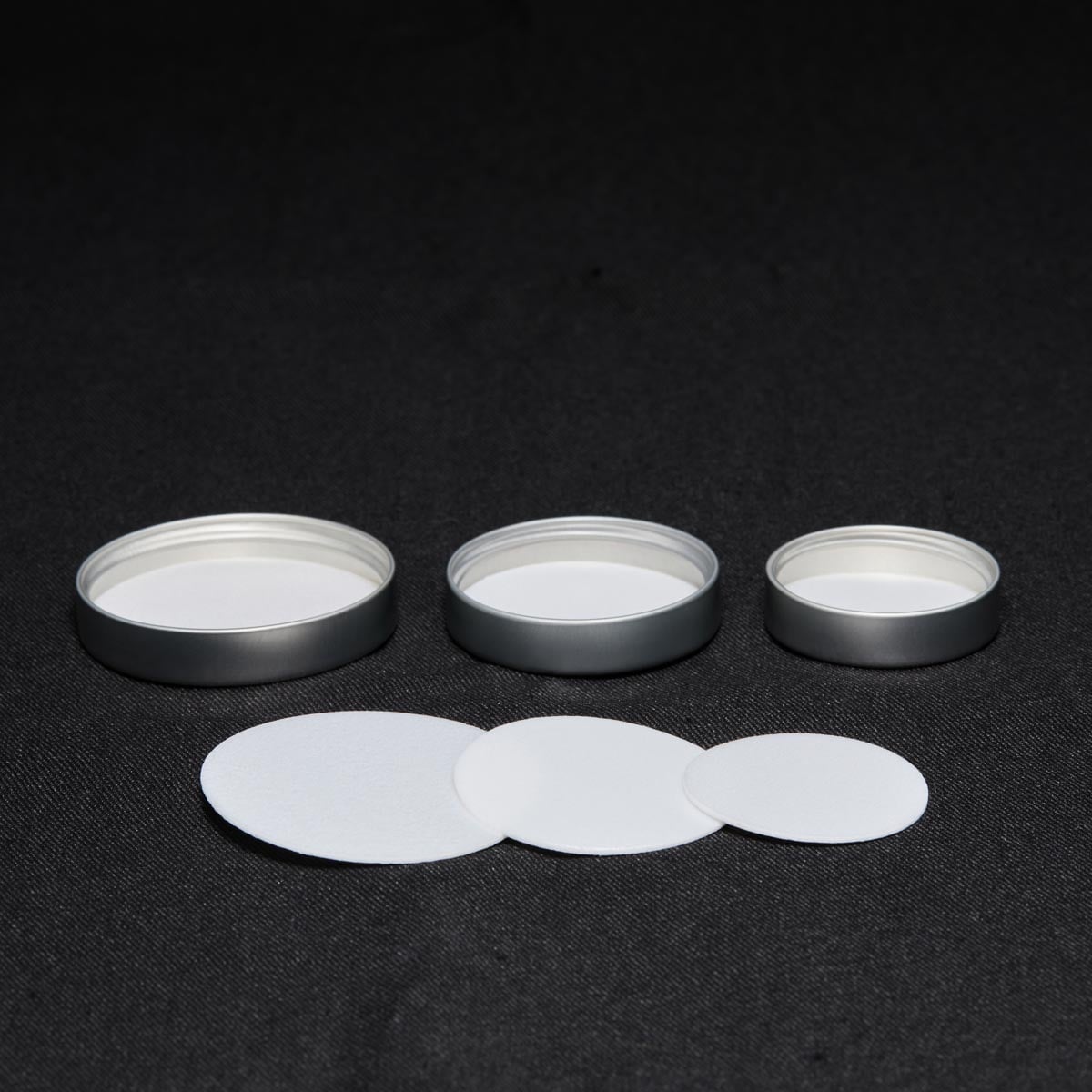
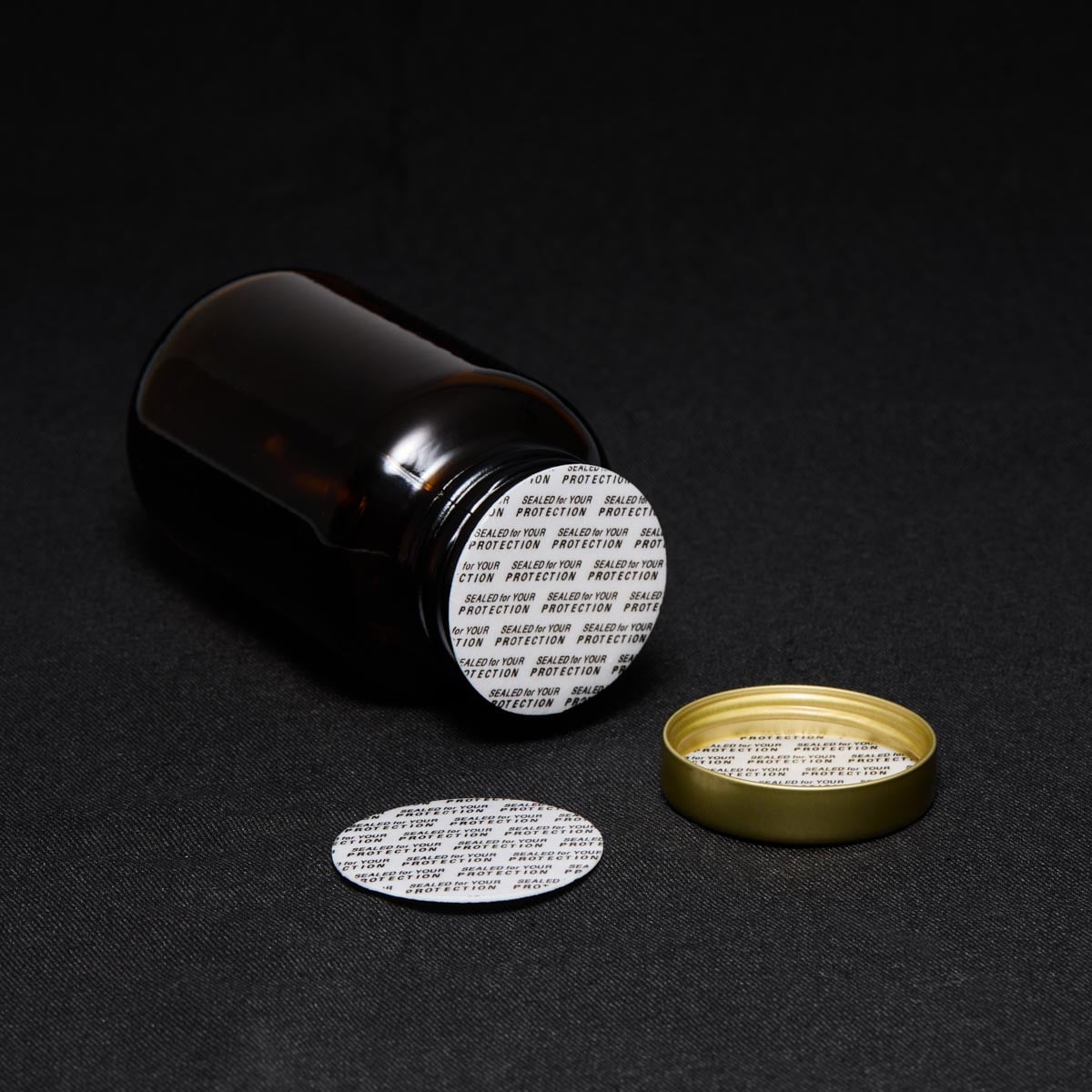
A PS liner works by bonding to the rim of a container through adhesive pressure rather than heat or induction energy. When the closure is tightened, the PS liner compresses against the container lip and the adhesive layer bonds on contact. This creates a seal that resists the entry of external moisture and also prevents the loss of internal moisture from the product inside. Because a PS liner requires no specialized sealing equipment, it is particularly practical for small-batch producers and operations that cannot justify heat or induction sealing machinery.
The effectiveness of a PS liner as a moisture barrier depends heavily on the material layers within the liner itself. Most PS liner constructions include a foam or pulp backing combined with a foil or film face layer. The foil-based PS liner typically offers a stronger moisture barrier than film-only variants because aluminum foil has an inherently low moisture vapor transmission rate. Buyers who need genuine moisture protection should confirm the specific material stack of their PS liner rather than assuming all formats perform equally.
Contact Quality Between PS Liner and Container
Even the best PS liner will not seal properly if the container rim is uneven, contaminated, or out of tolerance. A PS liner relies on full and consistent surface contact across the entire rim circumference. Any gap, whether caused by a warped rim, product residue on the sealing surface, or a closure that is not torqued sufficiently, creates a pathway for moisture ingress. This is one of the most common reasons a PS liner underperforms in real-world packaging lines despite performing well in controlled tests.
Conditions That Affect PS Liner Moisture Performance
Storage Environment and Humidity Exposure
A PS liner performs well under standard storage and distribution conditions, but prolonged exposure to high-humidity environments can challenge even a well-sealed liner. If the sealed package will spend extended periods in tropical climates, refrigerated conditions with frequent temperature cycling, or high-humidity warehouses, the PS liner must be evaluated against those specific conditions. Temperature cycling causes containers to expand and contract, which can stress the adhesive bond of a PS liner over time and gradually reduce its sealing integrity.
Products with high hygroscopic sensitivity, such as certain vitamins, powders, or botanical extracts, require a PS liner that is explicitly rated for the target moisture vapor transmission rate. A PS liner without such a rating may still provide some protection, but it cannot be reliably trusted for products where moisture uptake of even a small percentage affects potency, texture, or shelf life.
Closure Type and Application Torque
The closure system paired with the PS liner is just as important as the liner itself. A PS liner depends on consistent cap torque to activate the adhesive bond and compress the liner against the container lip. Under-torqued closures leave the PS liner partially unsealed, while over-torquing can distort the liner or the container rim. Using a PS liner with well-matched closure systems and standardized torque application significantly improves the reliability of the moisture barrier in actual production.
Container material also influences how the PS liner performs. Glass containers with polished, flat rims tend to give the PS liner maximum contact area and therefore stronger seals. Plastic containers with slightly textured or thinner rims may require a PS liner with higher conformability or greater adhesive tack to achieve equivalent sealing results. Matching the PS liner to the container material and rim profile is a step that should not be skipped during packaging development.
When a PS Liner Is the Right Moisture Protection Choice
Product and Industry Fit for a PS Liner
A PS liner is particularly well suited to products that need reliable everyday moisture protection without the capital investment of induction sealing lines. Vitamins, supplements, spices, herbal powders, and dry cosmetic powders are categories where a PS liner consistently performs well when properly applied. For these products, the PS liner provides a sufficient and cost-effective moisture barrier that also serves as a visible tamper-evidence feature, giving consumers and retailers confidence in the product's integrity.
The PS liner also fits well into e-commerce and direct-to-consumer fulfillment, where packages face variable handling conditions and may need to maintain their seal through multiple handoffs. Because a PS liner bonds without equipment, it is easy for packaging operations of all sizes to apply consistently, reducing the risk of seal failures that could compromise moisture protection during shipping.
Limitations to Recognize Before Selecting a PS Liner
A PS liner is not a universal answer for all moisture protection requirements. For products that demand hermetic sealing, such as pharmaceutical injectables or highly reactive chemical compounds, a PS liner alone may not provide the level of barrier performance required by regulatory or safety standards. In those cases, a PS liner might serve as a secondary or supplementary seal rather than the primary moisture barrier. Understanding this boundary helps buyers apply the PS liner where it genuinely excels rather than expecting it to substitute for more specialized sealing solutions.
FAQ
Does a PS liner work on both glass and plastic containers?
Yes, a PS liner can be used on both glass and plastic containers. However, the rim profile and material of the container affect how well the PS liner adheres. Glass containers with smooth, flat rims typically produce stronger and more consistent seals. For plastic containers, selecting a PS liner with sufficient conformability ensures reliable contact and moisture protection across varied rim geometries.
How do I know if my PS liner is providing an adequate moisture seal?
You can verify PS liner seal integrity through visual inspection for complete adhesion around the rim after cap removal, as well as through standardized moisture vapor transmission rate testing in controlled laboratory conditions. In production, consistent cap torque, proper container rim quality, and correct PS liner selection are the main factors that determine whether the PS liner is reliably sealing against moisture ingress.
Can a PS liner replace induction sealing for moisture-sensitive products?
For many moisture-sensitive products such as vitamins, dry supplements, and herbal powders, a PS liner can effectively replace induction sealing while eliminating the need for sealing equipment. The PS liner offers a strong moisture barrier when matched to the right container and applied with proper closure torque. For products with very strict hermetic requirements or regulatory mandates for induction-verified seals, a PS liner may serve as a complementary seal rather than a complete replacement.