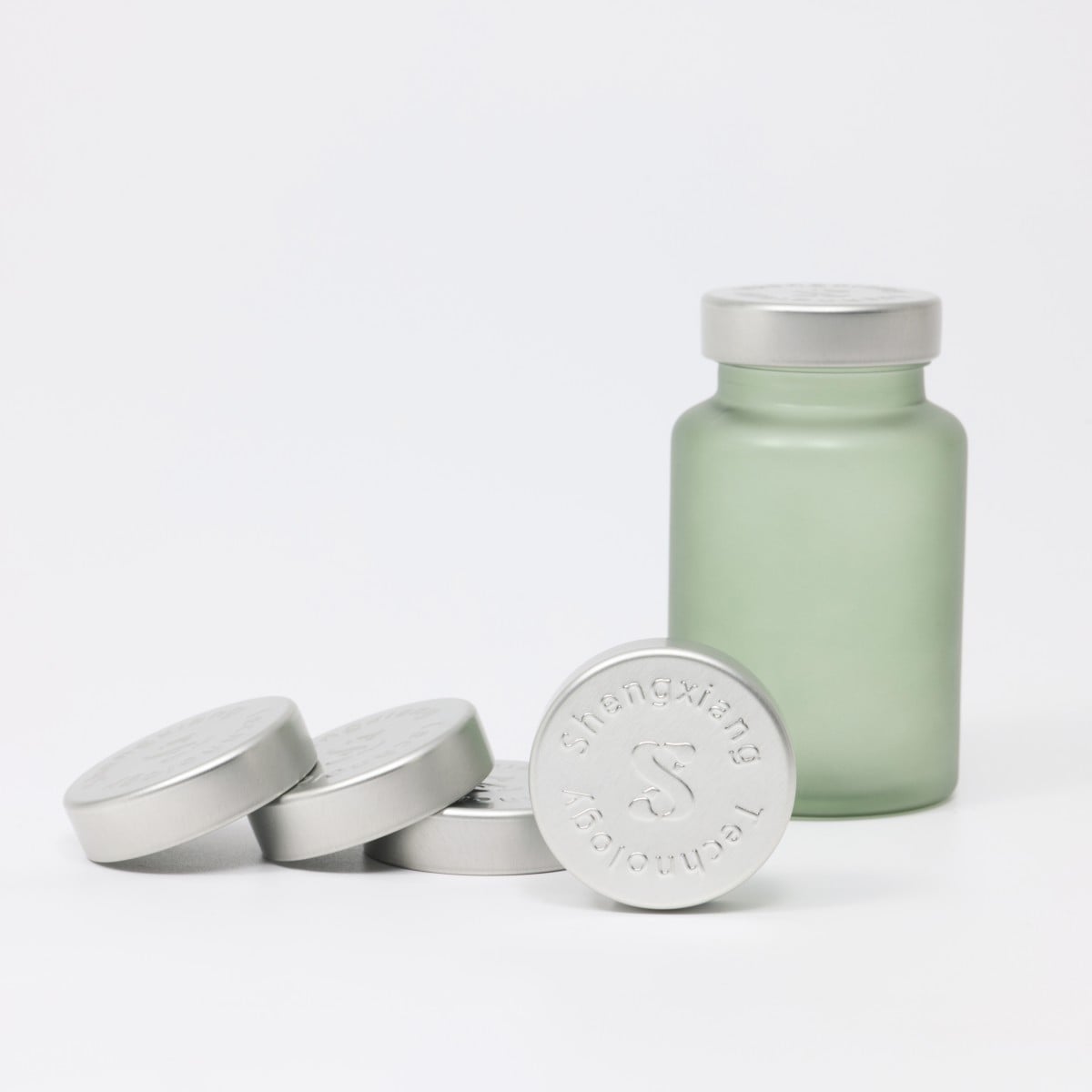
Tarkka sovitus alumiinipulloihin: 38 mm:n Unishell-korkit paineherkillä eristeillä eteläamerikkalaiselle korkkaukselliselle linjalle
Tapausanalyysi | Uniseel Technology | Tekninen näytteistys ja erityisvalmisteiset ratkaisut
Etelä-amerikkalainen asiakas, joka pakkasi tuotteitaan alumiinipulloihin, kohtasi tyypillisen ongelman: heidän pakkauslinjaansa oli suunniteltu 38 mm ruuvikannukselle, mutta heidän alumiinipullojensa kaulan muoto poikkesi hieman lasi- ja PET-säiliöistä, joihin useimmat kannustuotantoyritykset suunnittelevat tuotteitaan. Kannus, joka sopii ”melkein”, aiheuttaa ruuvin vääntymistä, kantamispään lukkiutumista tai virheellistä kiristystä – ja korkean nopeuden täyttölinjalla jokainen näistä epäonnistumisista tarkoittaa pysähtyneisyyttä, uudelleentyöstöä ja hylättyjä pakkauspaloja.
Tämä on juuri se tilanne, jossa valmiit sulkuosat lopettavat olemasta tavaraa ja muuttuvat insinööriongelmaksi. Uniseel Technologyn käsitys on, että jokainen sulkuosa on tarkkuuskomponentti. Kun tämä asiakas tuli meihin, emme pelkästään tarjonnut standardia luettelotuotetta. Pyydimmekin heiltä näytteitä heidän alumiinipulloistaan, mitasimme itse pullojen kaulan pinnan ja teimme mikrosäätöjä 38 mm:n Unishell-korkkiimme, jotta se syöttäytyisi heidän kierrekierteisiinsä sujuvasti jo ensimmäisestä näytteestä lähtien.
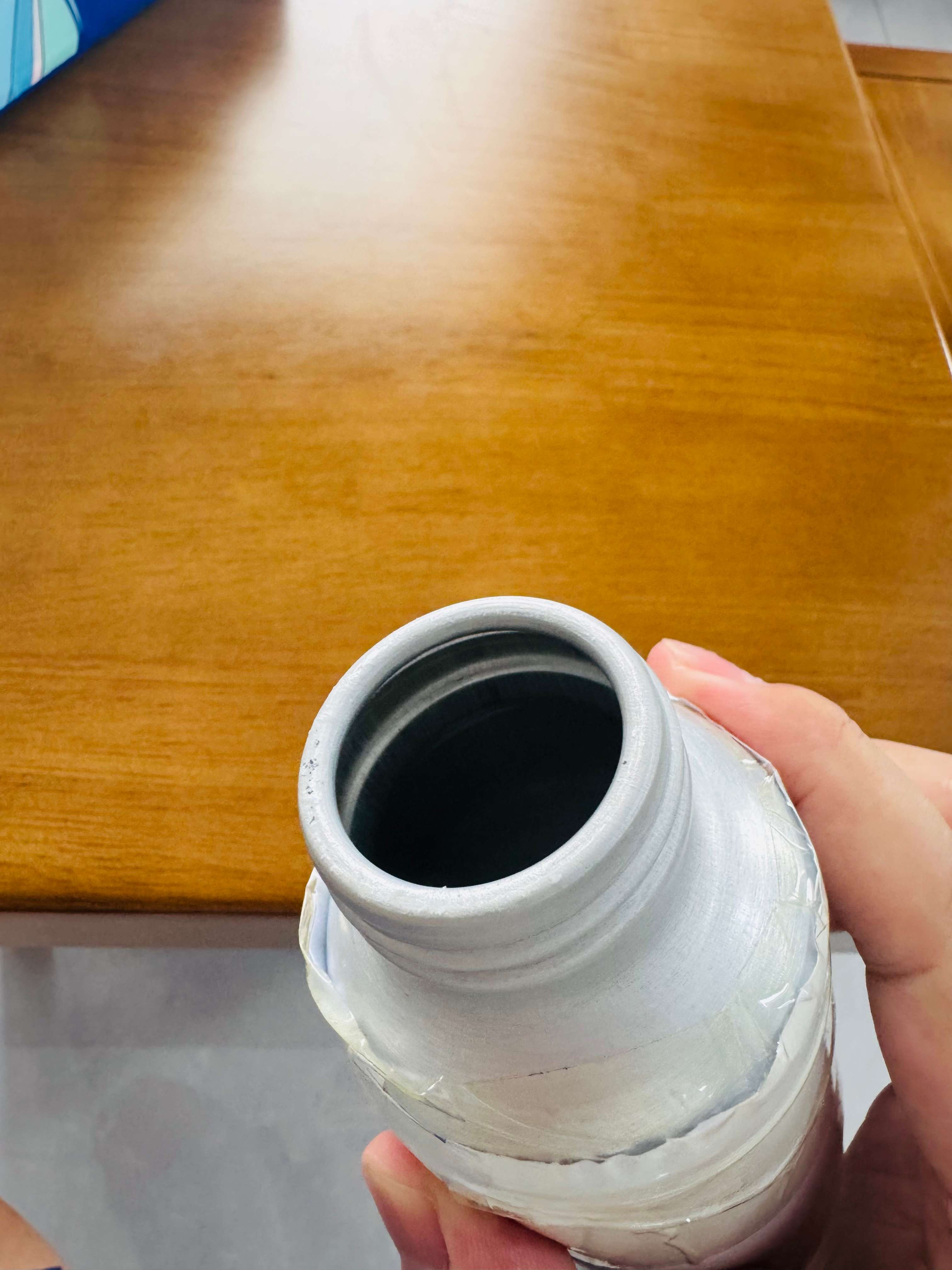
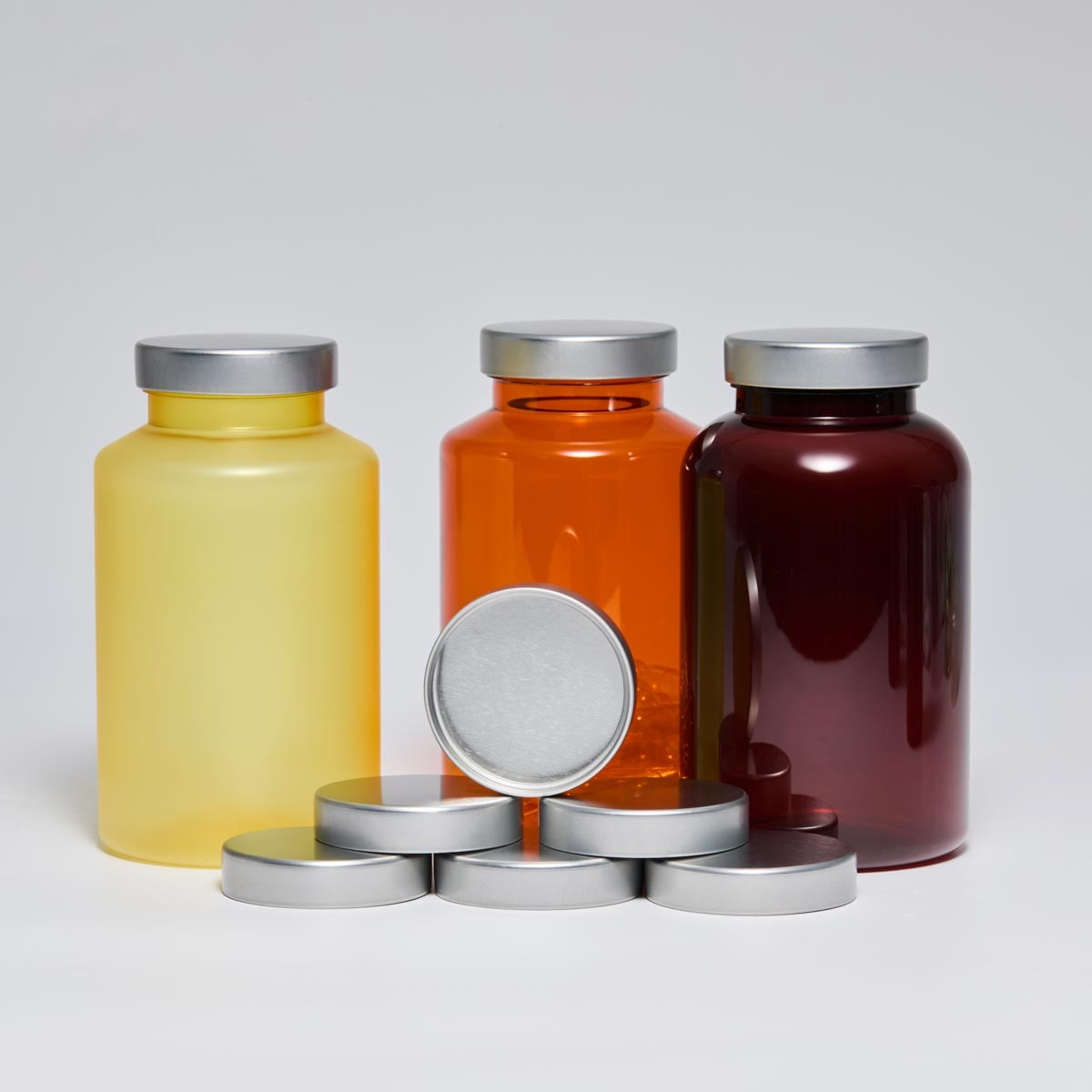
Kuva 1 — Asiakkaan alumiinipulon kaulan pinta: mattapintainen ulkoinen kierre, joka vaati tarkasti sovitun korkin kierregeometrian.
Alumiinipullojen sulkuasento käyttäytyy eri tavoin kuin lasi- ja muovipullojen. Puristusalueen tarkkuus puristettuissa tai vedetyissä alumiinikappaleissa voi vaihdella enemmän kuin standardoiduissa lasipullojen puristusalueissa, ja metallipinnalle levitetty pinnoite muuttaa kitkaa ja tehollista kierreprofiilia. Kapppi, joka on suunniteltu nimellisille GPI/SPI 400 -mitoille, saattaa tuntua löysältä, tarttua tai ohittaa kierrekierteet, kun se asennetaan pinnoitettuun alumiinipullojen kaulukseen.
Asiakas oli jo saanut ja testannut näytteitä meiltä aiemmin, ja hän oli tyytyväinen laatuun. Mitä he tarvitsivat nyt, oli todiste siitä, että sulku toimii todellisissa tuotanto-olosuhteissa – ei ainoastaan käsin tehdyn testin ehdoin. He pyysivät 216 kappaletta, jotta heidän insinööritään voisivat käyttää kappeja oikeassa sulkuautomaatissaan, varmistaa vääntömomentti ja tiukkuuden säilyminen useilla eri asemilla sekä kerätä tietoja ennen tilauksen tekoa suuremmalla määrällä.
Vastauksemme noudatti Uniseelin kaikkia näytteistä muodostettavia ohjelmia ohjaavaa »ensimmäinen laatikko, täysi vastaus« -näytteistämisperiaatetta:
Mittaus. Otimme asiakkaan alumiinipullojen näytteet ja kartoitimme kauluksen päätyosan – kierrevälin, juurihalkaisijan, huippuprofiilin ja pinnoitteen paksuuden. Mitään ei oletettu piirroksista; kaikki vahvistettiin fyysisestä osasta.
Säätö. Omien työkalujemme ja leimattavien osien valmistusprosessimme, jota suojaa 21 patenttia, mukaan lukien älykäs leimausmuotti (ZL 2023 2 3287198.X), mahdollistaa ±0,1 mm:n sisäisen toleranssin kriittisissä kierremitoissa. Hienosäädimme 38 mm:n kannen kierrekiinnitystä siten, että se istuu tasaisesti alumiinikaulukseen – riittävän tiukasti luotettavan tiivisteen saavuttamiseksi ja riittävän sujuvasti korkean nopeuden käyttöön.
Vahvistus. Ennen lähettämistä jokainen erä tarkastettiin mitallisesti, ja korkit kokeiltiin asiakkaan todellisiin pulloihin. Tuloksena oli korkki, joka kiinnittyy sujuvasti ja tasaisesti – ilman tarttumista tai väärää kierretyksen aloitusta.
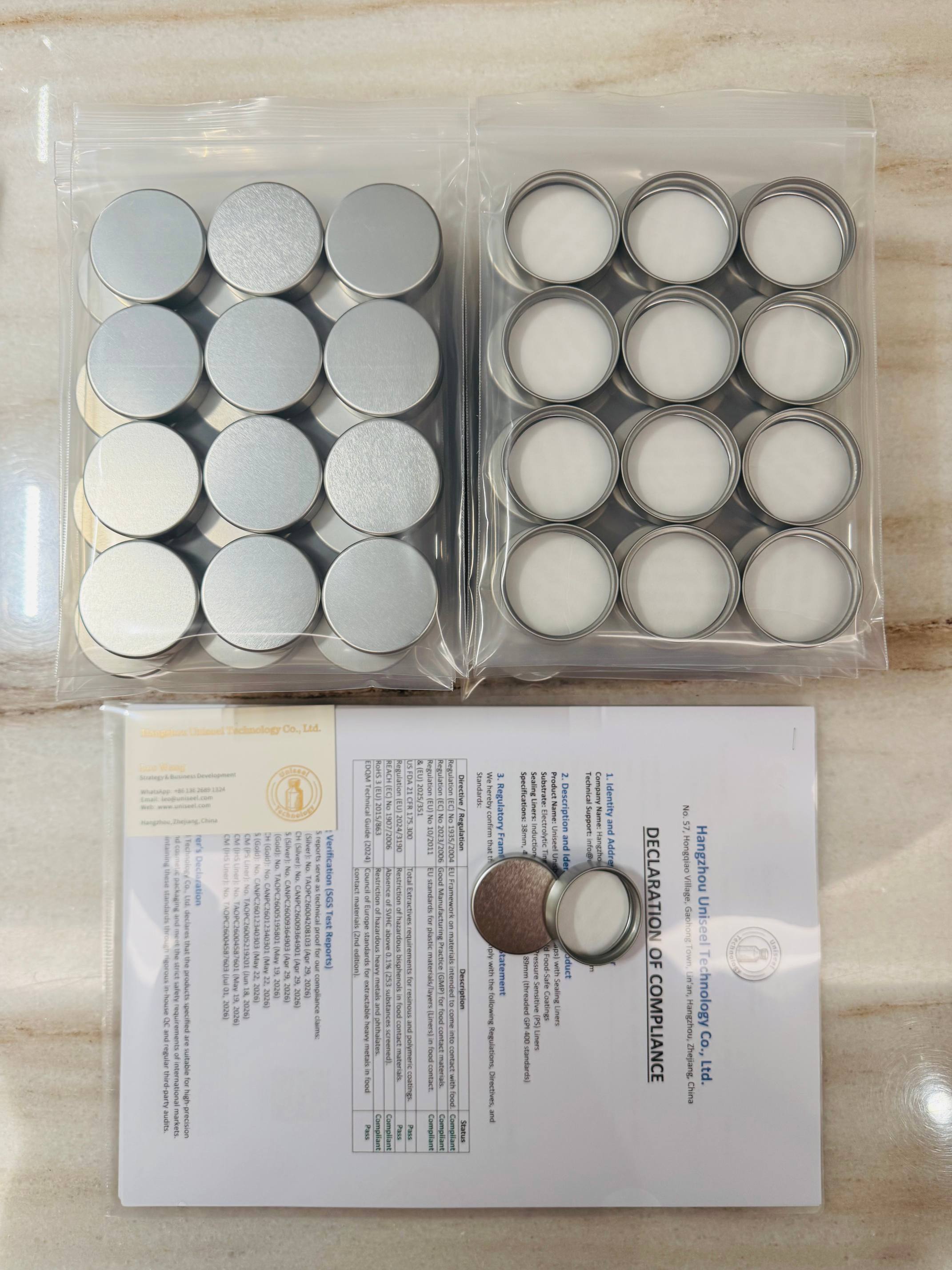
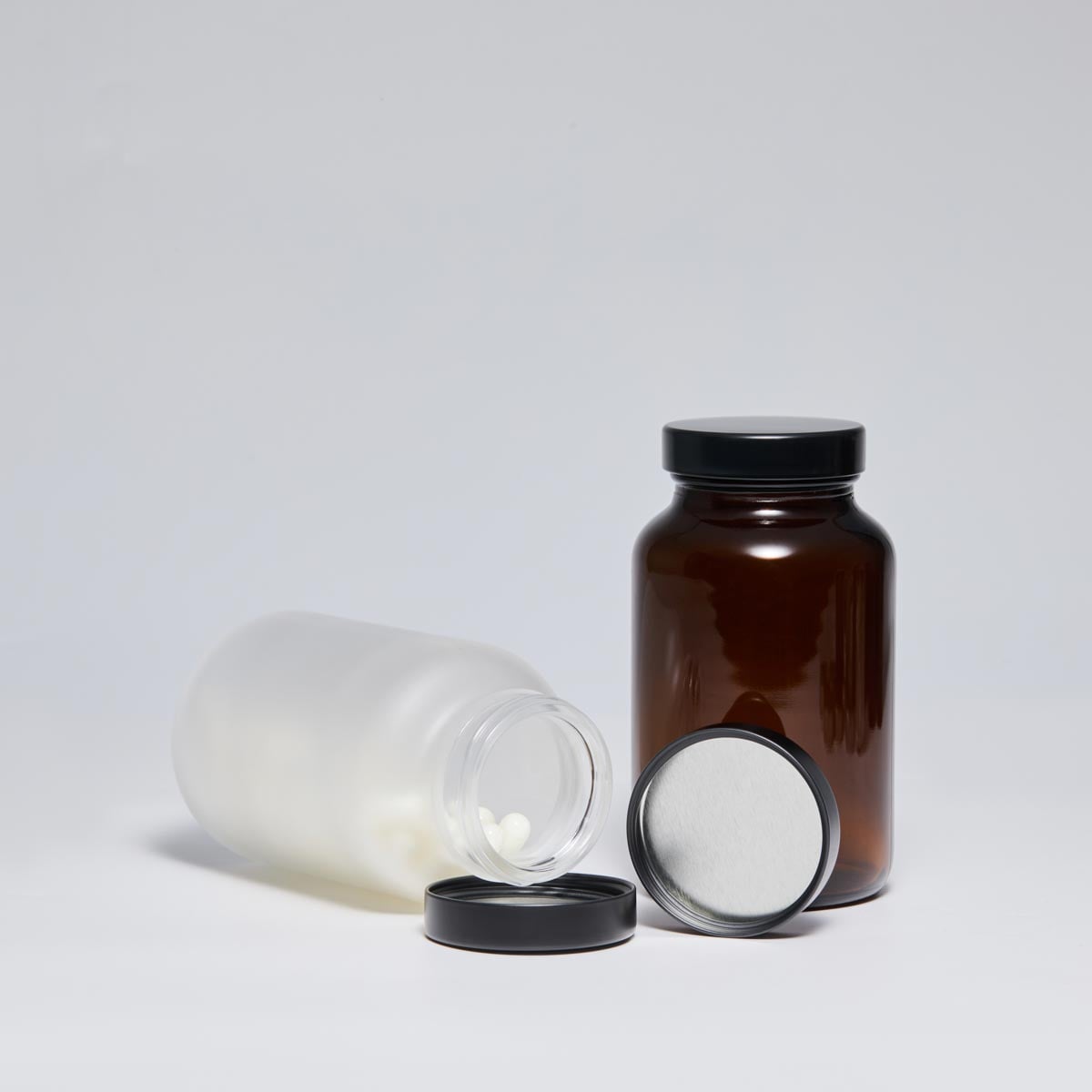
Kuva 2 – 216 korkin näytepakkaus tiukissa pussissa: mattasävyiset hopeanväriset elektrolyyttiset tina-levyyn tehdystä yläosasta (vasemmalla) ja kirkkaanvalkoiset paineherkkä liner (oikealla), toimitettu yhdessä vaatimusmukaisuusvakuutuksen kanssa.
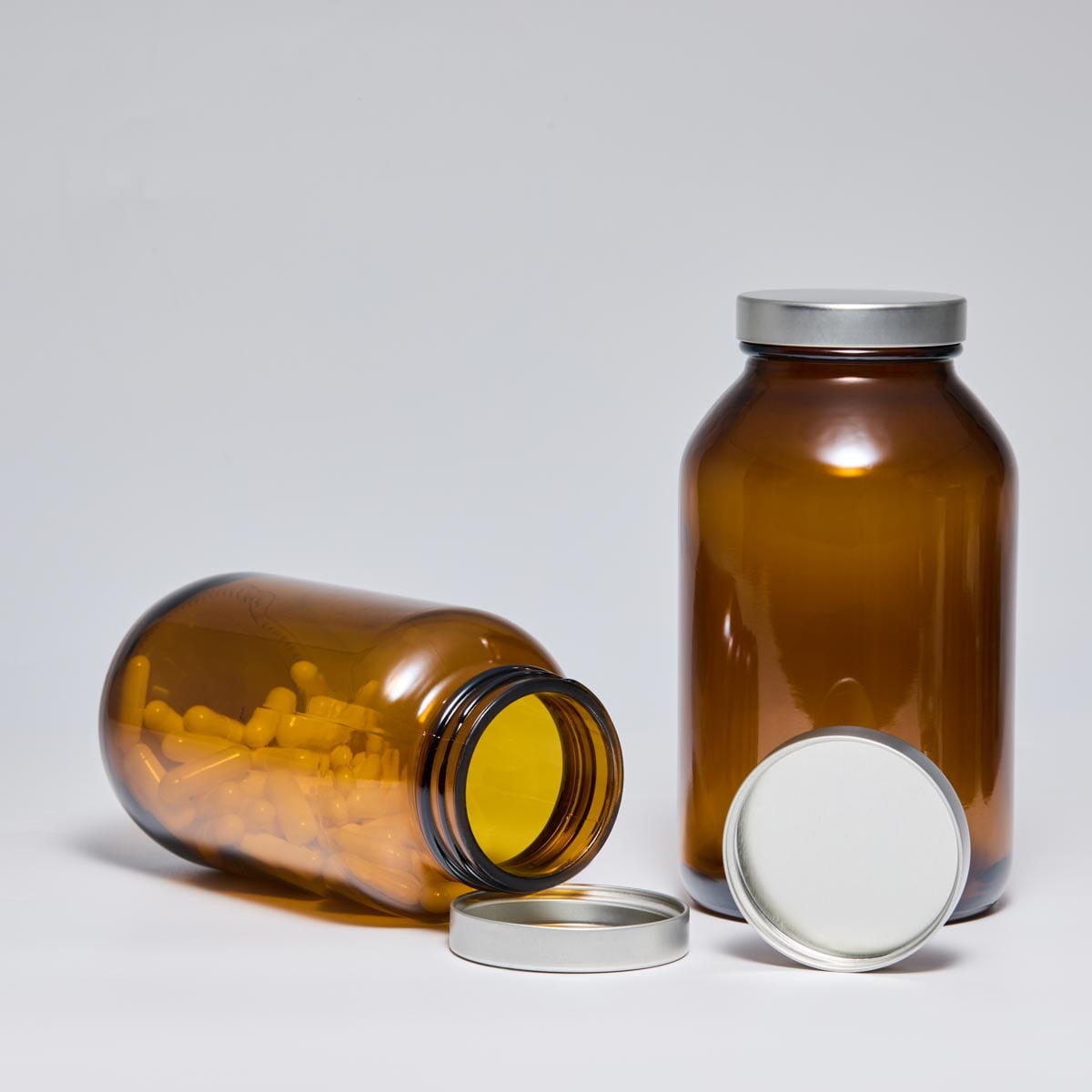
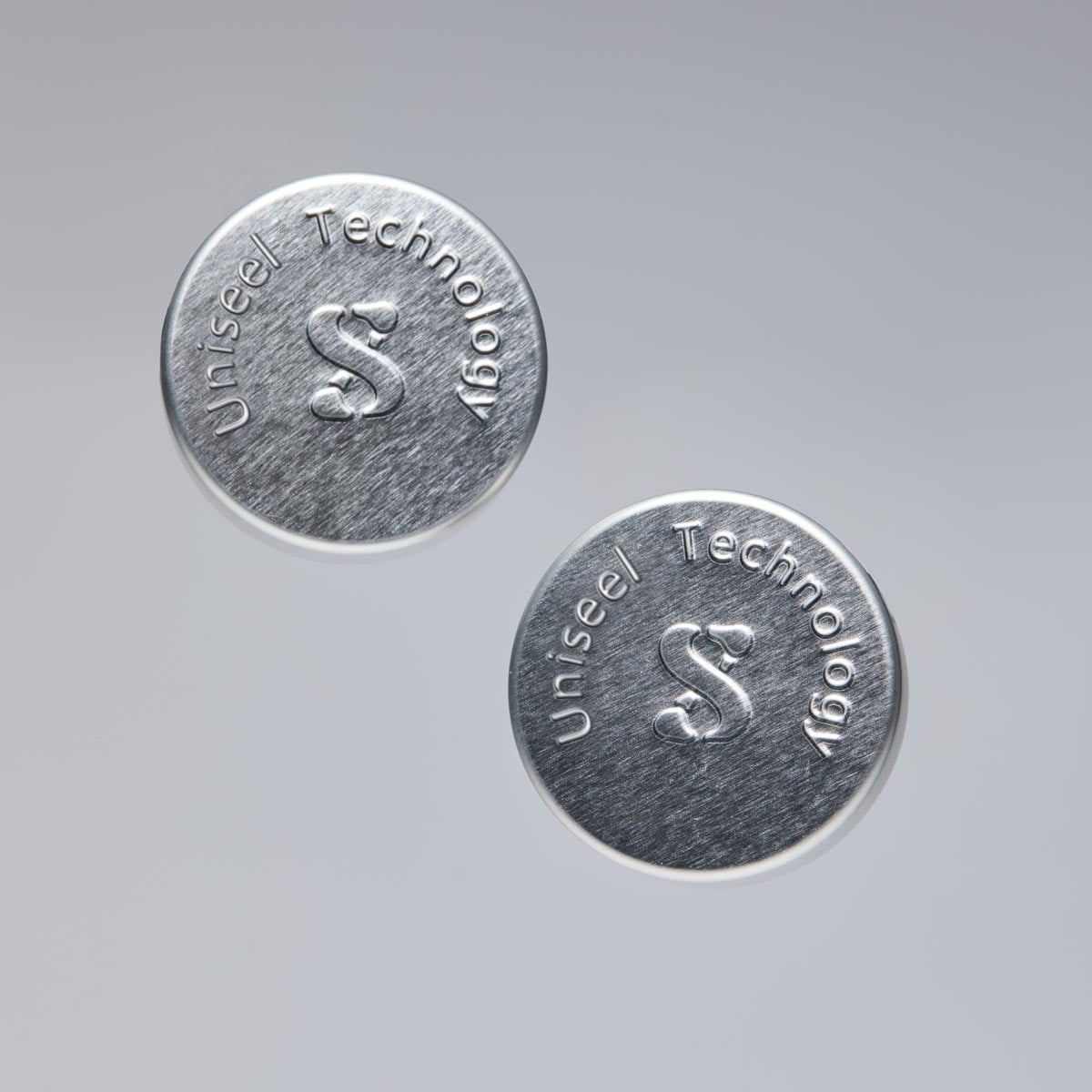
Tässä tapauksessa keskiössä oleva korkki on 38 mm:n hopeanvärisen Unishell-korkin, joka on valmistettu elintarvikkeisiin soveltuvasta elektrolyyttisestä tina-levystä mattasävyisellä harjatulla pinnalla. Se noudattaa laajalti käytettyä 38/400 GPI/SPI-kierrestandardia, mikä tekee siitä yhteensopivan laajan valikoiman korkkikoneiden kanssa.
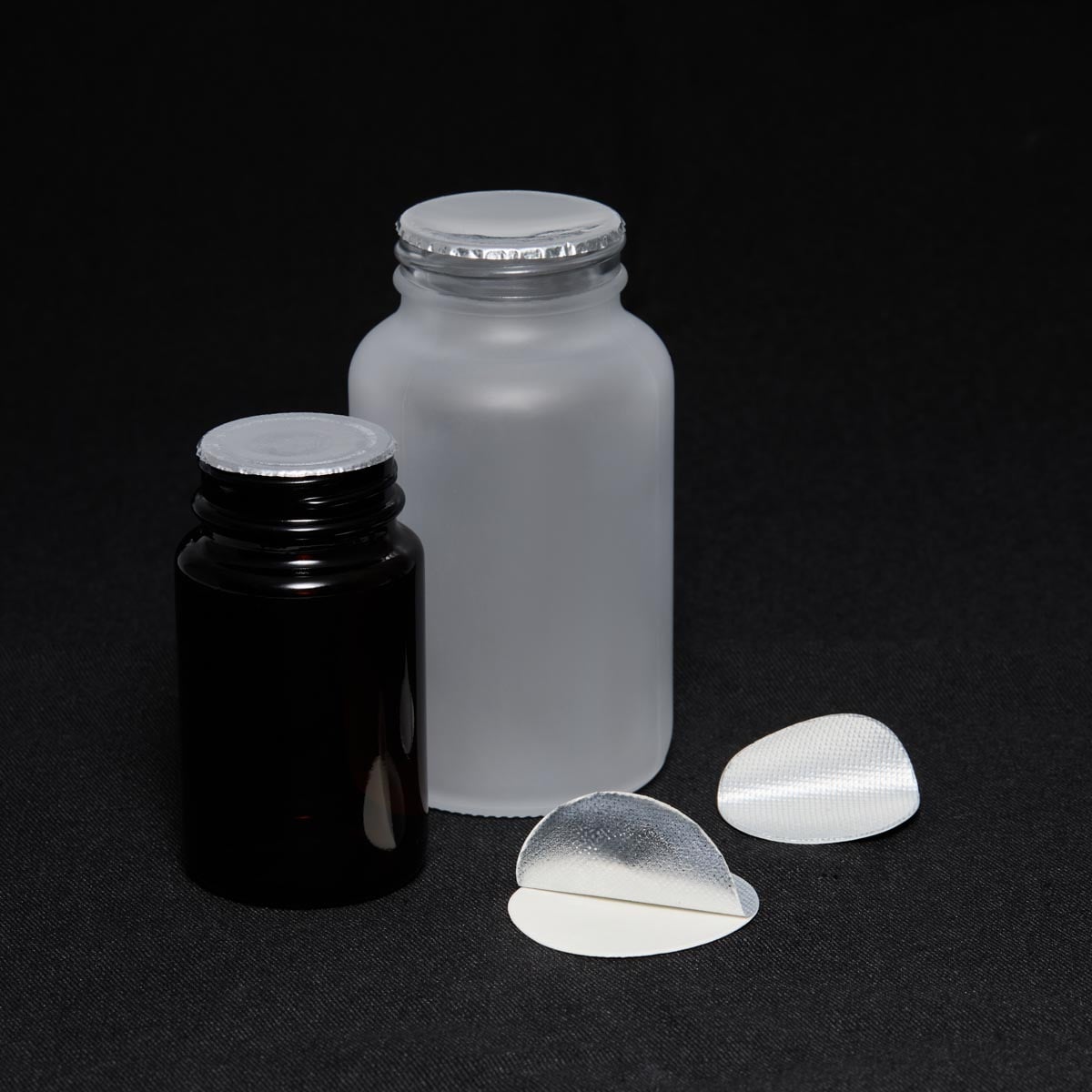
Tämän sovelluksen kannalta erityistä on paineherkkä (PS) korkin sisäpinta. Toisin kuin lämpöinduktiolla suljetut sisäpinnat, jotka vaativat erillisen sulkuaseman, paineherkkä sisäpinta muodostaa välittömän ja muovautuvan tiivisteen korkkimen soveltaman vääntömomentin vaikutuksesta. Tämä on ratkaiseva etu alumiinipulloissa, joissa sisäpinnan on sopeuduttava pieniin pullojen suun reunojen vaihteluihin samalla kun korkki asennetaan tuotantolinjalla. Kirkkaanvalkoinen sisäpinta istuu tasaisesti korkin sisäpuolelle, ja sitä on testattu elintarvikkeiden kanssa suoraan kosketuksessa käytettäväksi, mikä tarjoaa asiakkaalle sekä luotettavan tiivistystehon että sääntelyyn liittyvän varmuuden yhdessä komponentissa.
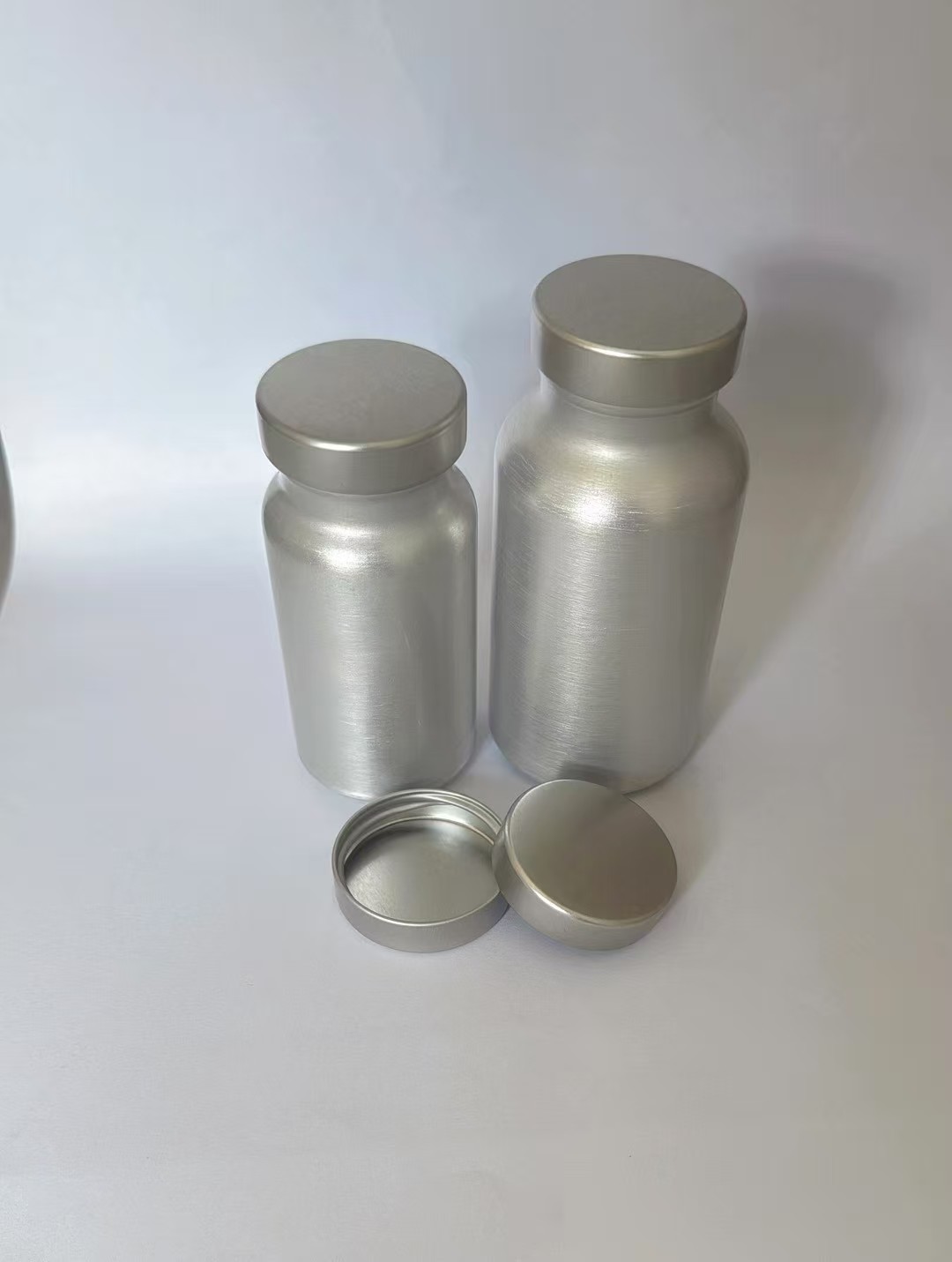
Kuva 3 — Asiakkaan harjattuun hopean sävyyn maalatut alumiinipullot ruuvin kauluksilla. 38 mm:n Unishell-korkin on vastattava tätä kauluksen profiilia, jotta korkkaus tapahtuisi sujuvasti ja vääntömomentti pysyisi vakiona.
Farmaseuttisen ja ravintolisäluokan pakkausmateriaalien toimittajalle luottamus perustuu jäljitettävään todisteeseen. Jokainen Uniseelin näytetilaus sisältää noudattamusilmoituksen ja tarvittaessa kolmannen osapuolen testausselostukset. Tälle asiakkaalle dokumentaatiopaketti sisälsi:
• ISO 9001:2015 -laatujärjestelmäsertifikaatin, joka varmistaa yhtenäisen prosessin valvonnan tuotannonerissä.
• SGS:n testausselostukset PS-kalvoa (raporttinumero TAOPC26005219201) ja tina-teräsruukun päällystettä (raporttinumero CANPC26012340303) varten, joissa vahvistetaan elintarvikkeisiin tarkoitetun turvallisuuden ja RoHS-yhteensopivuuden.
• Noudattaminen FDA:n säännösten 21 CFR 175.300 ja EU:n asetuksen (EU) 10/2011 vaatimuksia elintarvikkeisiin tarkoitetuista materiaaleista sekä REACH SVHC -tarkastus koko ruukun kokoonpanolle.
• Tehtaamme on myös läpäissyt TÜV Rheinlandin tehtaastarkastukset, mikä vahvistaa, että valmistusympäristömme vastaa niitä standardeja, joita mainitsemme markkinointimateriaaleissamme.
Asiakkaalle tämä tarkoitti, että he voivat validoida näytteet tuotantolinjalla ja samanaikaisesti täyttää vaaditun vaatimustenmukaisuusdokumentoinnin omalle laatuosastolleen – ilman takaa-ajoa eikä viivästyksiä.
216 näytteeksi otettua korkkia pakattiin huolellisesti saapuakseen täydellisessä kunnossa: korkit järjestettiin tiukasti suljetuissa pussissa siten, että korkkien sisäpuolet ja tiivistepinnat suojattiin, ja pakkaus sisälsi tuotedokumentaation. Määrät valittiin tarkoituksellisesti – riittävästi useita korkkauslinjatestejä, vääntömomenttitutkimuksia ja tiivistystä testaavia tarkistuksia varten ilman, että asiakkaan logistiikkaa rasitettaisiin liikaa.
Asiakkaan insinöörit käyttävät nyt näitä korkkeja omassa tuotantolaitteistossaan ja mittaavat niiden kiinnitys- ja irrotusmomenttia sekä tiivistystehoa asiakkaan omien hyväksyntäkriteerien mukaisesti. Koska korkit on ennalta sovitettu asiakkaan todelliseen pullokaulan muotoon, odotamme puhtaita ensimmäisen kerran läpäiseviä tuloksia – ja olemme valmiita siirtymään sarjatuotantoon samojen työkaluparametrien avulla, joita käytettiin näytteissä, jotta linjalla vahvistettu vastaa täsmälleen sitä, mitä saadaan eräkohtaisesti.
Jos pakkaat tuotteitasi alumiinipulloihin – tai mihin tahansa astiaan, jonka kaulan muoto ei vastaa standardikatalogia – sinun ei tarvitse tyytyä sulkuun, joka ‘toimii melkein’ – toimivan sulun tarjoaa toimittaja, joka mittaa pullosi, säätää sulun ja todentaa sen toiminnan sinun tuotantolinjallasi ennen kuin teet tilauksen sarjatuotantoon. Tällainen toimittaja turvaa tuotantokatkosten vähentämisen ja brändisi maineen.
Uniseelin 21 patentoidun tekniikan, ±0,1 mm:n tarkkuuden säätö ja koko ketjun vaatimustenmukaisuutta koskevat asiakirjat on tarkoitettu juuri tähän tarkoitukseen: muuntaa korkki tavara-aineesta tarkkaan istuvaksi pakkausjärjestelmäsi komponentiksi.
K1. Voiko Uniseel sovittaa korkkeja epästandardiin alumiinipullojen kaulukseen?
V1. Kyllä. Tämä on yksi meidän perusosaamisalueistamme. Mittaamme todellisen pullokauluksen – kierreaskel, halkaisijat, pinnoite – ja säädämme korkkityökalujamme vastaamaan sitä, pitäen ±0,1 mm:n toleranssin kriittisissä mitoissa.
K2. Mikä on paineherkkä (PS) eristekalvo ja miksi sitä käytetään alumiinipulloissa?
V2. Paineherkkä eristekalvo tiukentuu välittömästi korkkikoneen antamalla vääntömomentilla ilman induktiolämmitysasemaa. Se muotoutuu pieniin reunojen vaihteluihin alumiinipulloissa, mikä tekee siitä ideaalin valinnan korkean nopeuden korkkauslinjoille.
K3. Mitä tarkoittaa 38/400?
A3. 38/400 on GPI/SPI-kierrestandardi: 38 mm nimellishalkaisija ja 400-sarjan kierreprofiili. Se varmistaa yhteensopivuuden standardien korkkikäyttölaite- ja pullokäsittelypinnan kanssa.
K4. Miksi ±0,1 mm:n toleranssi on tärkeä korkoille?
A4. Muutaman kymmenesosan millimetrin suuruiset kierregeometrian virheet aiheuttavat ristikkäisen kierretyksen, lukkiutumisen tai epätasaisen kiristysmomentin. Tarkka säätö mahdollistaa korkkien sileän kierretyksen tuotantolinjalla ja takaa tasaisen tiivistystehon.
K5. Mistä materiaalista korkit valmistetaan?
A5. Tässä tapauksessa korkit valmistetaan elintarvikelaatuisesta elektrolyyttisestä tinauslevystä mattalla harjatulla hopeanvärisellä pinnalla, joka soveltuu elintarvikkeiden, juomien ja ravintolisien pakkaamiseen.
K6. Ovatko korkit ja tiivistekalvot hyväksyttyjä elintarvikkeiden kanssa suorassa kosketuksessa käytettäviksi?
A6. Kyllä. PS-tiivistekalvo ja korkkien pinnoite ovat läpäisseet SGS-testit ja noudattavat FDA:n 21 CFR 175.300 -säännöstöä, EU:n asetusta (EU) 10/2011, REACH SVHC -tarkastusta sekä RoHS-vaatimuksia.
K7. Kuinka monta näytettä tulisi pyytää tuotantolinjatestausta varten?
A7. Suosittelemme yleensä 100– 200 kappaletta, jotta teidän insinöörinne voivat käyttää useita korkkauksentasojen asemia, vääntömomenttitutkimuksia ja tiivistystestejä. Tässä tapauksessa toimitimme 216 kappaletta.
K8. Mitä dokumentaatiota näytteiden mukana toimitetaan?
V8. Jokaiseen näytetäppiin liittyy vaatimustenmukaisuusvakuutus ja tarvittaessa SGS-testiraportit, ISO 9001:2015 -sertifikaatti ja TÜV:n tehdastarkastusdokumentaatio.
K9. Mikä on tilausmäärän vähimmäismäärä (MOQ) sarjatuotannossa näytteiden jälkeen?
V9. MOQ riippuu korkin koosta ja sisäkorkin tyypistä. Kun olette vahvistaneet näytteet omalla tuotantolinjallanne, vahvistamme sarjatuotannon hinnan ja toimitusaikataulun samojen työkaluparametrien perusteella, joita käytettiin näytteiden valmistukseen.
K10. Kuinka estätte kierrepuutteen korkealla nopeudella tapahtuvassa korkkauksessa?
V10. Kierrepuutetta estetään suunnitteluvaiheessa: sovitamme korkin kierreprofiilin mittaukseenne perustuen pullon kaulukseen ja varmistamme testikorkkauksen teollisuuskäytössä olevilla pullolla ennen toimitusta.
Uniseel—Yhtenäinen laatu, turvallisesti sinetöity.

 EN
EN