 EN
EN


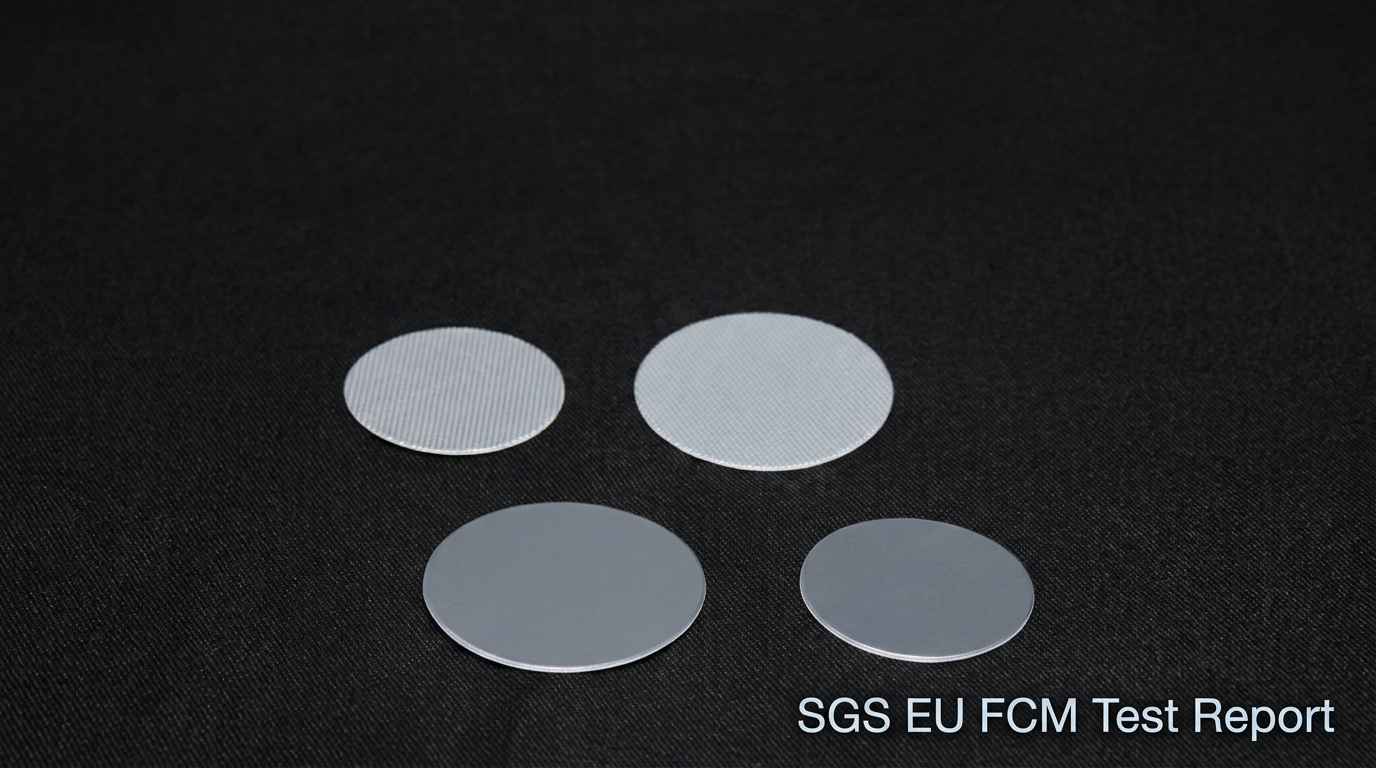
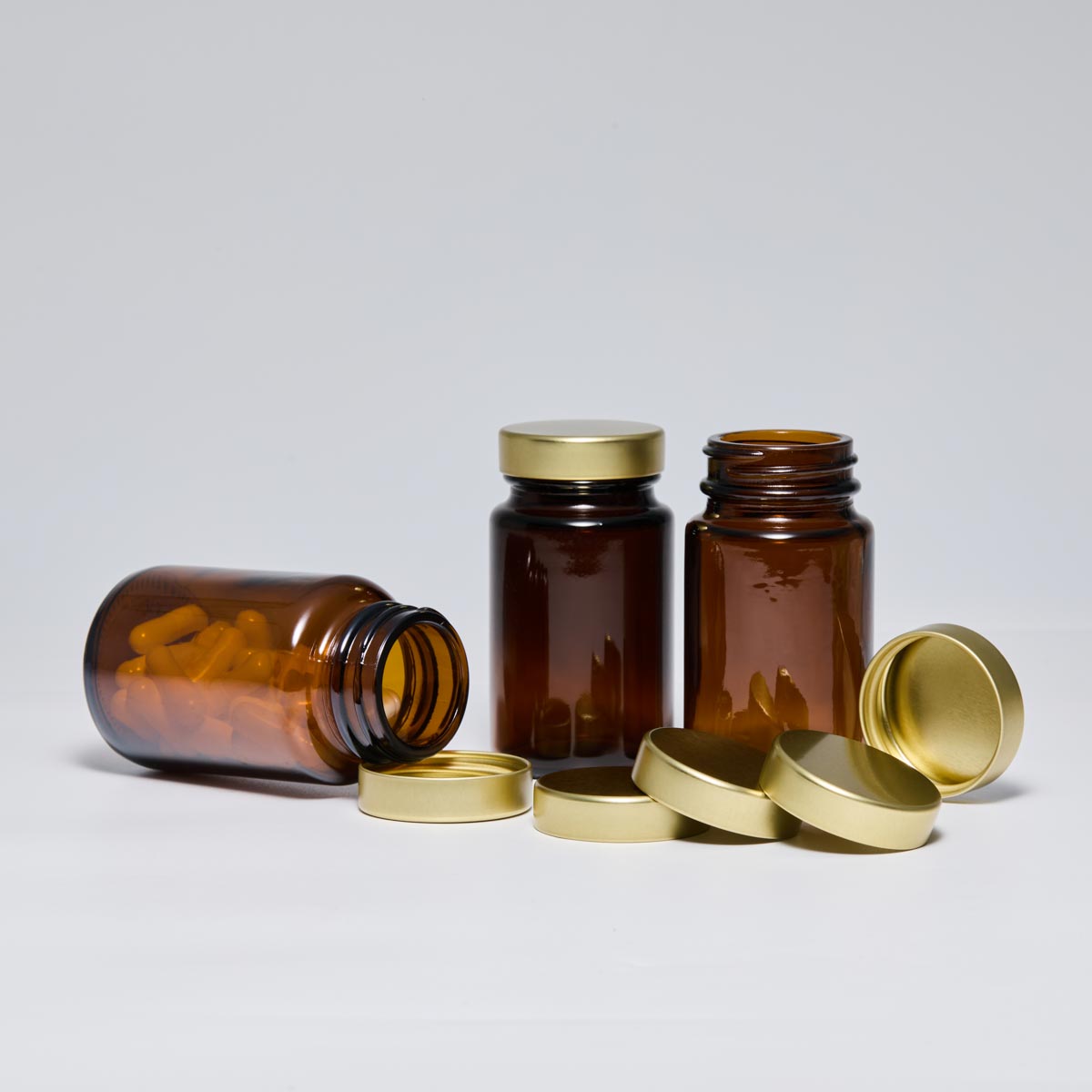
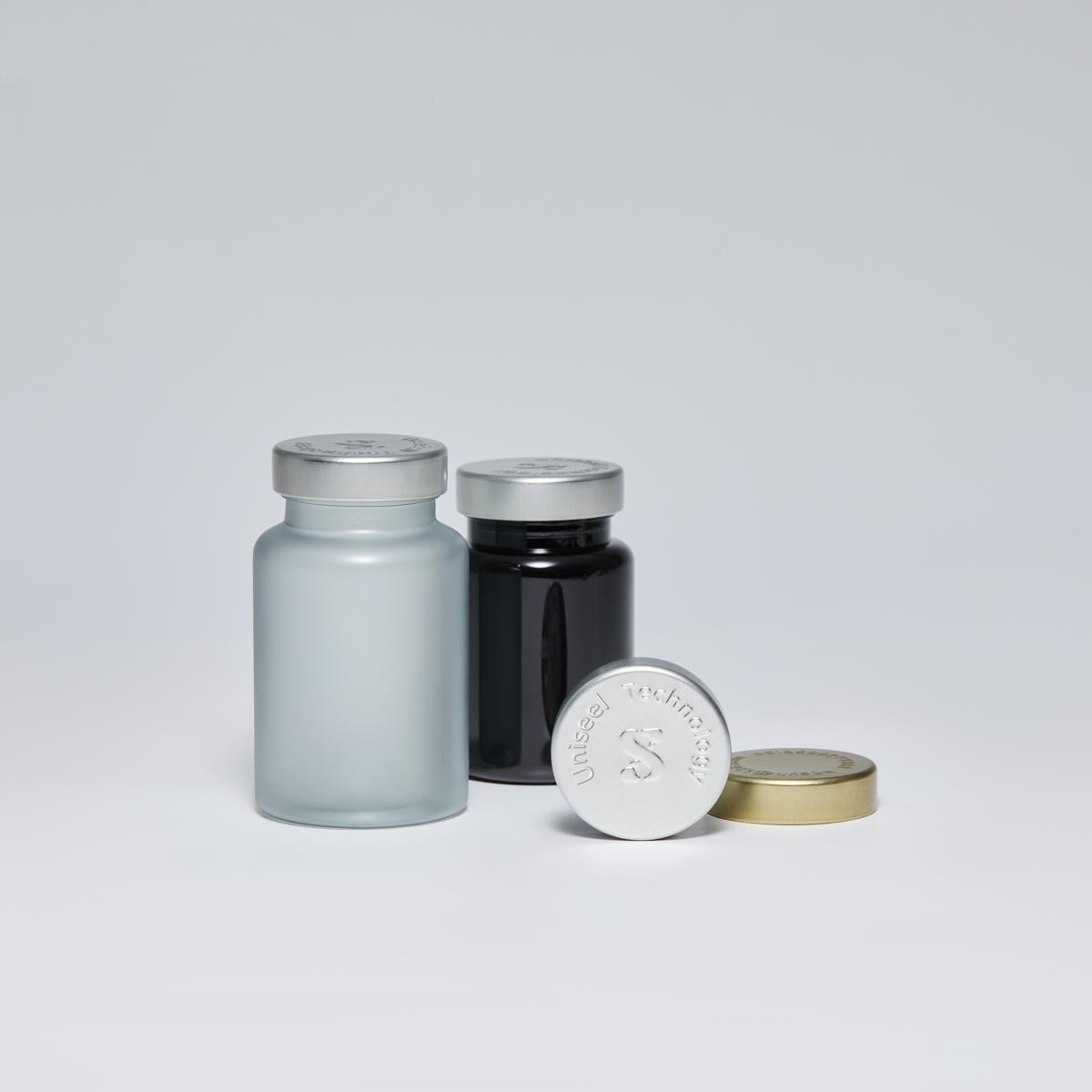
A custom coated unishell metal cap is engineered specifically to resist the damaging effects of corrosion that commonly affect metal closures in packaging environments. Whether the application involves health supplements, food products, or premium cosmetics, the integrity of a metal cap is critical to product safety and brand presentation. Understanding how corrosion is prevented by this type of closure helps buyers and brand managers make better packaging decisions.
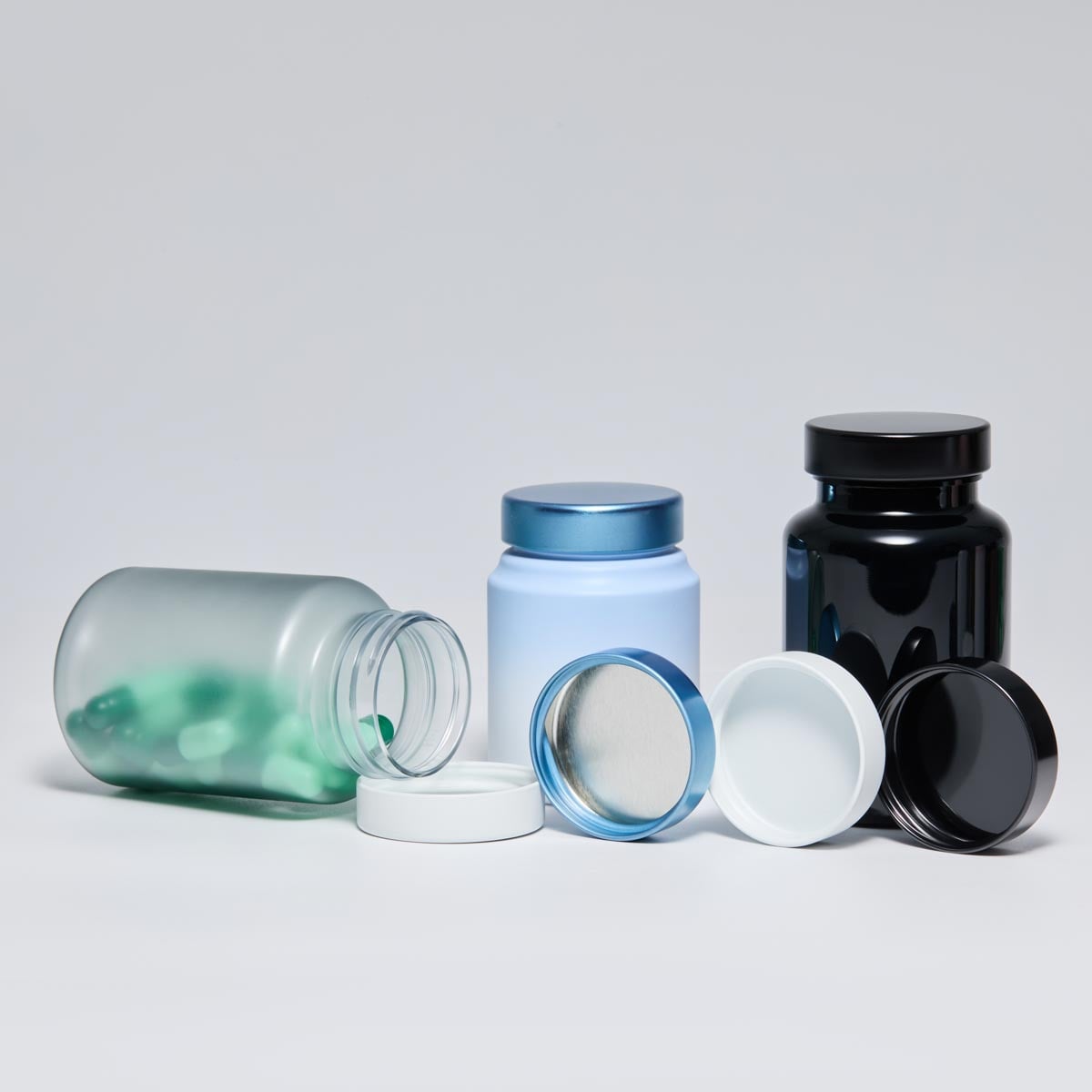
The corrosion resistance built into a custom coated unishell metal cap is not accidental. It results from deliberate material choices, multilayer surface treatments, and precise manufacturing controls. Each custom coated unishell metal cap goes through a finishing process designed to isolate the metal substrate from moisture, oxygen, and reactive chemicals. This article explains how each protective mechanism works and why it matters for long-term packaging performance.
The Role of Surface Coating in Corrosion Prevention
How Protective Coatings Shield the Metal Substrate
The outer surface of a custom coated unishell metal cap is treated with one or more protective coating layers that act as a physical and chemical barrier. These coatings prevent moisture from making direct contact with the underlying metal, which is the primary trigger for oxidation and rust formation. A custom coated unishell metal cap typically uses lacquer-based or epoxy-derived coatings that bond tightly to the metal surface and resist peeling under normal handling and storage conditions. The coating also protects against chemical exposure from product residue or ambient industrial atmospheres.
The adhesion quality of the coating on a custom coated unishell metal cap is controlled during curing and baking stages in production. Proper curing ensures the coating forms a continuous, pinhole-free film that leaves no exposed metal areas. Even microscopic gaps in the coating layer can serve as entry points for moisture, so production standards for a custom coated unishell metal cap are designed to eliminate such vulnerabilities from the start.
Pantone-Matched Color Coatings and Their Dual Function
A custom coated unishell metal cap designed with bespoke Pantone-matched color finishes serves a dual purpose. The pigmented coating not only delivers brand-accurate visual identity but also contributes an additional sealing layer on top of the base coating. This means every custom coated unishell metal cap with a color finish has inherently more surface protection than an uncoated alternative. The color layer adds film thickness, which improves scratch resistance and reduces the risk of the base metal being exposed through everyday abrasion.
Internal Barrier Design and Liner Integration
Inner Coating Layers That Protect Against Product Contact
Corrosion on a metal cap is not always caused by external humidity. Internal contact with acidic, alkaline, or moisture-rich products can corrode the cap from the inside if the inner surface is unprotected. A custom coated unishell metal cap addresses this with an interior coating specifically formulated to be chemically inert against the product it contacts. This inner barrier is particularly important in supplement and nutraceutical packaging, where oils, powders, and gel-based formulations may otherwise degrade a bare metal surface over time.
By applying a custom coated unishell metal cap with a dedicated interior coating, the metal is isolated from both ends. This bidirectional protection approach means the cap maintains structural integrity and appearance throughout the intended shelf life of the product. Brands benefit from consistent cap appearance at the point of sale and reduced risk of contamination caused by surface corrosion flaking into the product.
Liner Sealing as a Secondary Moisture Barrier
Most versions of a custom coated unishell metal cap incorporate a liner or wad beneath the closure. This liner creates a tight seal at the contact point between the cap and the bottle finish, which is one of the most vulnerable zones for moisture ingress. When the liner compresses against the container during application, it prevents external humidity and airborne contaminants from traveling into the headspace between the cap and the bottle neck. This secondary moisture barrier complements the coating system and significantly extends the corrosion resistance of the custom coated unishell metal cap under real-world storage and shipping conditions.
Manufacturing Standards and Material Selection
Tinplate and Aluminum as Corrosion-Resistant Base Materials
The base metal used in a custom coated unishell metal cap is selected for its natural resistance to oxidation before any coating is applied. Tinplate, for example, is steel with a thin tin layer that provides baseline corrosion protection. Aluminum offers even lower reactivity with moisture and oxygen, making it another strong candidate for a custom coated unishell metal cap in high-humidity or high-exposure applications. The combination of a corrosion-resistant substrate and a multi-layer coating system gives a custom coated unishell metal cap a compounded protective advantage.
Choosing the right base material for a custom coated unishell metal cap depends on the product type, storage conditions, and the expected shelf life. Packaging engineers evaluating a custom coated unishell metal cap for long-term storage should consider both the reactivity of the base metal and the chemical compatibility of the coating with the enclosed product. Getting both factors right ensures maximum corrosion prevention across the full supply chain.
Quality Control Processes That Sustain Coating Integrity
Even the best coating formulation can fail if application and quality control are inconsistent. Reputable producers of a custom coated unishell metal cap implement salt spray testing, adhesion cross-cut testing, and film thickness measurement as standard quality checks. Salt spray testing in particular exposes the custom coated unishell metal cap to an accelerated corrosive environment to verify that the coating holds without blistering, flaking, or exposing the base metal. These rigorous checks give buyers confidence that every custom coated unishell metal cap delivered meets performance specifications rather than just visual standards.
FAQ
What types of coatings are used on a custom coated unishell metal cap?
A custom coated unishell metal cap typically uses lacquer, epoxy, or polyester-based coatings applied in one or more layers. The specific coating type depends on the intended application, required chemical resistance, and the desired color finish. Pantone-matched color coatings are common in premium packaging and add both brand value and an extra protective film to the custom coated unishell metal cap surface.
Can a custom coated unishell metal cap resist corrosion in humid storage environments?
Yes. A properly manufactured custom coated unishell metal cap is designed to resist corrosion in humid environments through its multilayer coating system and integrated liner. The exterior coating blocks moisture absorption, while the liner prevents humidity from entering through the sealing zone. For applications in tropical climates or cold-chain distribution, specifying a custom coated unishell metal cap with enhanced coating thickness provides additional protection.
How does a custom coated unishell metal cap differ from a standard metal cap?
A standard metal cap may have only a basic single-layer finish or no interior coating, leaving it more vulnerable to corrosion from both internal product exposure and external humidity. A custom coated unishell metal cap features precision-applied multilayer coatings, bespoke color finishes, and liner integration that together provide a significantly higher level of corrosion resistance. This makes a custom coated unishell metal cap a superior choice for products requiring long shelf life or premium packaging presentation.