
 EN
EN




In the pharmaceutical industry, packaging is never merely cosmetic. Every seal, every closure, and every cap must perform at the highest level of precision and reliability to protect the integrity of the product inside. The Unishell cap has emerged as a benchmark solution for manufacturers who refuse to compromise on safety, tamper resistance, and regulatory compliance. Its distinctive design and material construction make it one of the most trusted closures in modern pharmaceutical glass bottle packaging.
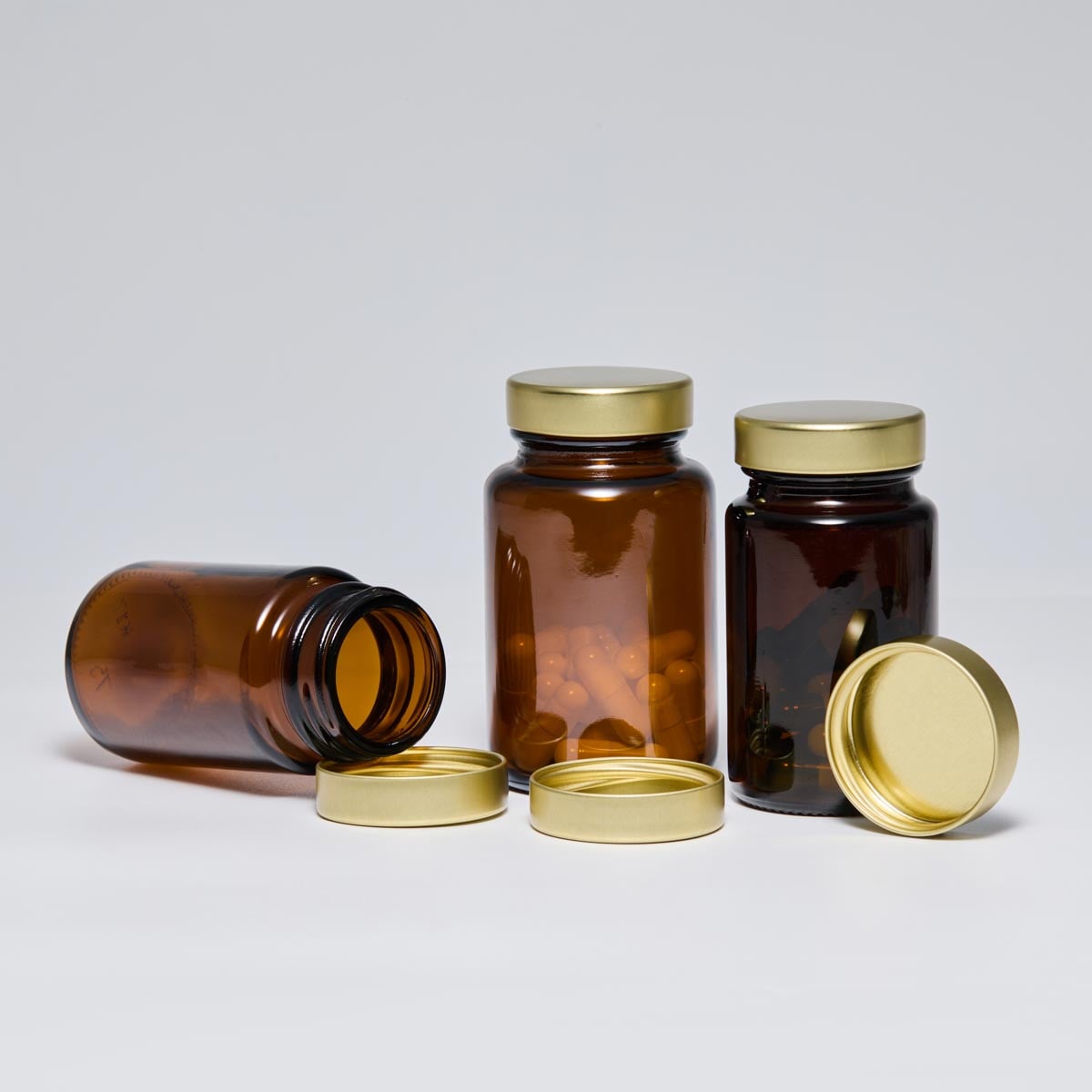
Understanding why the Unishell cap is regarded as the safest choice requires looking closely at how pharmaceutical closures function under real-world conditions — from production lines to distribution chains to the hands of end users. This article explores the engineering principles, safety features, compliance advantages, and operational benefits that collectively justify why the Unishell cap occupies its position at the top tier of pharmaceutical packaging solutions.
The Engineering Logic Behind the Unishell Cap
Tinplate Construction and Its Safety Advantages
The Unishell cap is manufactured from tinplate, a material that has long been trusted in precision metal packaging. Tinplate combines the structural strength of steel with the corrosion resistance provided by a tin coating, making it exceptionally suitable for pharmaceutical environments where contamination risk must be virtually eliminated. Unlike some plastic closures that can degrade or leach substances under temperature variation, tinplate maintains dimensional stability and chemical neutrality across a wide range of storage conditions.
From a safety standpoint, the metallic composition of the Unishell cap means that it is far less permeable to moisture and gas than most polymer-based alternatives. Pharmaceutical products — particularly liquid formulations in glass bottles — require an airtight barrier to prevent oxidation, evaporation, or microbial ingress. The Unishell cap provides exactly that level of hermetic security, making it a reliable first line of defence for product integrity throughout the supply chain.
The rigidity of tinplate also resists deformation under mechanical stress. In high-volume pharmaceutical manufacturing, caps must withstand automated capping machinery without warping or cracking. The Unishell cap is engineered to meet this demand consistently, ensuring that every bottle sealed on a production line receives the same level of protection with no compromise from batch to batch.
The Shell Design and How It Creates Superior Sealing
The 'unishell' design refers to a unified outer shell that wraps around the neck of the glass bottle in a continuous metal skirt. This approach creates a multi-point contact seal that is fundamentally more secure than a simple screw cap. When properly applied, the Unishell cap conforms tightly to the bottle's geometry, eliminating the micro-gaps that are a common vulnerability in other closure types.
This shell geometry also plays a critical role in tamper evidence. Any attempt to remove or manipulate the Unishell cap results in visible and irreversible deformation of the outer shell. Unlike closures that can be resealed without obvious evidence of tampering, the Unishell cap's metallic shell cannot be restored to its original shape once broken. This characteristic is not simply a deterrent — it is a hard engineering guarantee of tamper visibility.
Furthermore, the integrated liner inside the Unishell cap creates a compressive seal against the glass bottle finish. This liner absorbs minor variations in bottle neck dimensions and provides a consistent, leak-proof contact surface. The result is a closure system where both the mechanical shell and the internal liner work together to deliver layered sealing performance that stands well above industry minimums.
Tamper Evidence as a Non-Negotiable Safety Requirement
Why Tamper Evidence Matters More Than Ever in Pharmaceuticals
Tamper-evident packaging is not optional in the pharmaceutical sector. Regulatory bodies across global markets mandate that pharmaceutical packaging must provide clear, reliable evidence of any interference before the product reaches the patient or healthcare professional. The consequences of inadequate tamper evidence extend from product liability claims to serious public health risks, and no responsible manufacturer can afford to underestimate this requirement.
The Unishell cap addresses tamper evidence through its physical design rather than through secondary add-ons like shrink bands or adhesive labels, which can occasionally fail or be replaced by counterfeiters. Because the tamper evidence is intrinsic to the cap itself — embedded in the behaviour of the metallic shell upon first opening — it cannot be circumvented without obvious physical destruction of the closure. This intrinsic tamper evidence is one of the primary reasons the Unishell cap is trusted by pharmaceutical companies for sensitive product lines.
In markets where counterfeit pharmaceuticals pose an ongoing threat, the Unishell cap provides a level of security assurance that helps brands protect both their products and their reputations. The difficulty of replicating the Unishell cap's precise metal forming and liner integration makes it a significantly harder target for fraudulent repackaging operations.
Regulatory Alignment and Industry Compliance
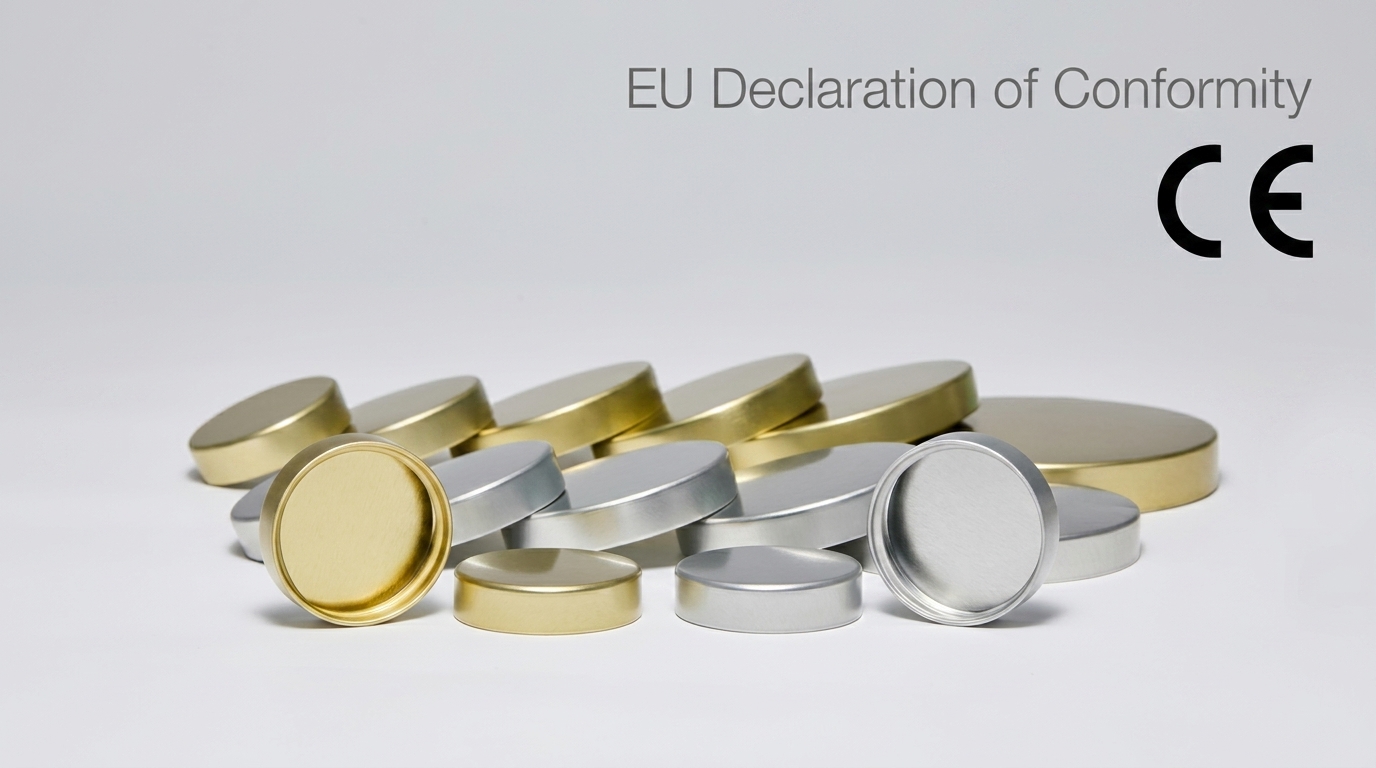
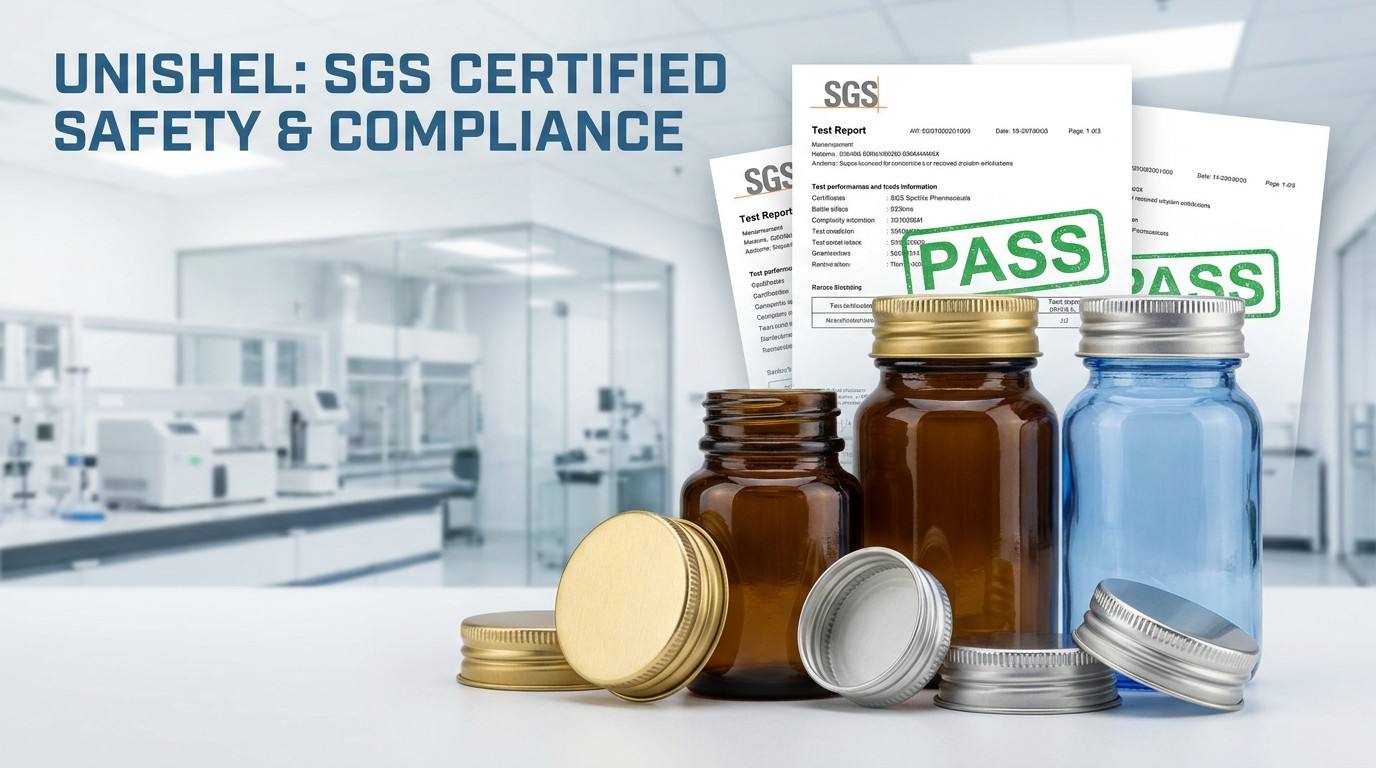
Beyond tamper evidence, pharmaceutical closures must comply with a complex framework of regulations governing material safety, chemical inertness, and functional performance. The Unishell cap is designed with these requirements in mind, using materials and manufacturing processes aligned with international pharmacopoeia standards and food-contact material regulations.
The use of tinplate in the Unishell cap ensures compatibility with pharmaceutical product contact requirements, as tinplate has an established regulatory history in sensitive packaging applications. Manufacturers who specify the Unishell cap can typically support their packaging validation documentation with the material's well-documented safety profile, reducing the burden of novel material assessment in regulatory submissions.
The 38/400 thread specification of the Unishell cap — referring to a 38mm diameter with a 400-thread finish — is a standardized bottle neck finish widely used across pharmaceutical glass bottle production. This standardization means the Unishell cap integrates seamlessly into established production systems without requiring custom tooling or bottle modifications, which further supports consistent regulatory compliance across product lines.
Compatibility with Glass Pharmaceutical Bottles
Why Glass and the Unishell Cap Form a Premium Safety Pairing
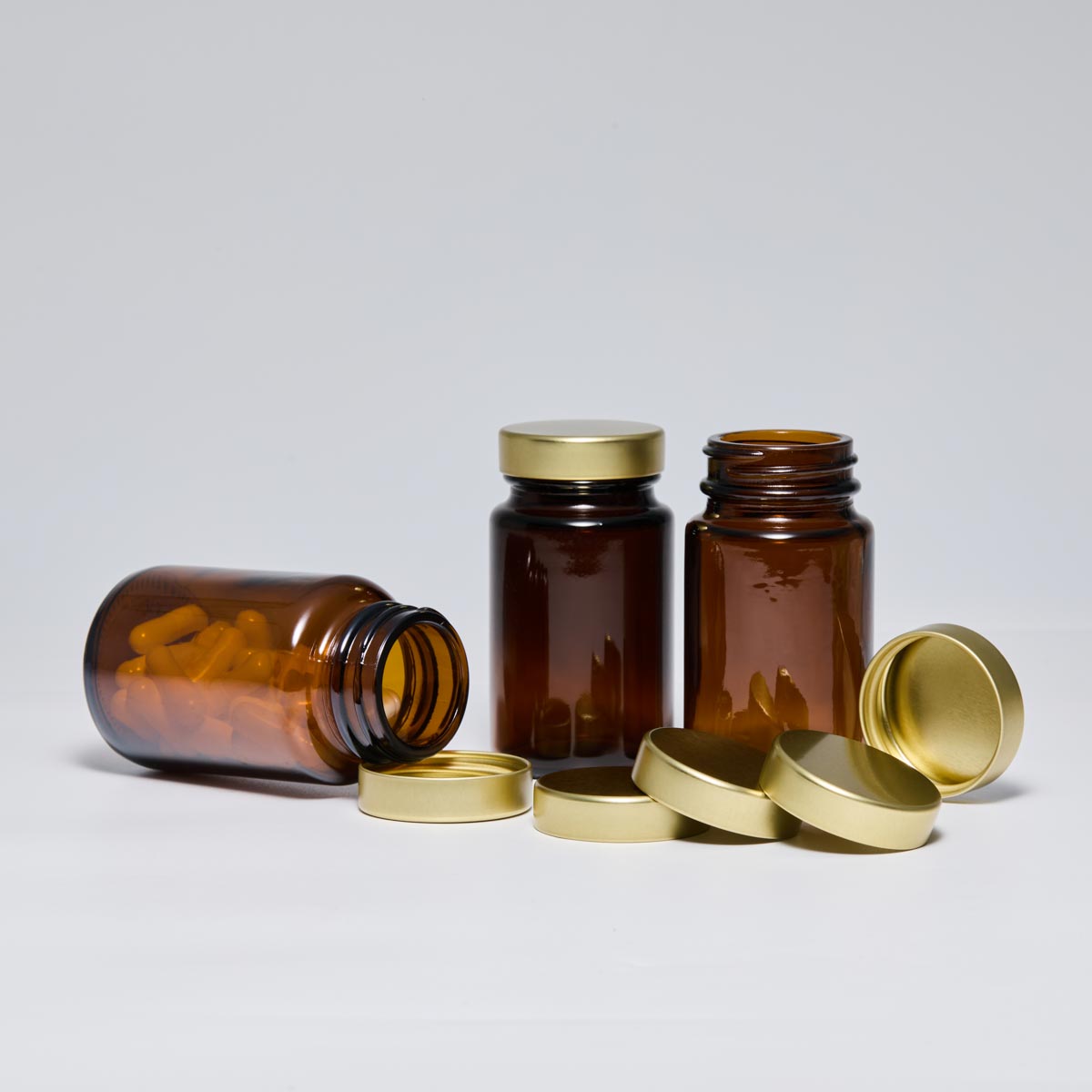
Glass remains the material of choice for a wide range of pharmaceutical liquid products, including syrups, tonics, and oral solutions. Its chemical inertness, transparency for visual inspection, and impermeability to gases make glass an ideal primary container. However, a glass bottle is only as safe as its closure, and this is where the Unishell cap completes the packaging system with equivalent quality.
The combination of glass and the Unishell cap creates a packaging system where both components share the same philosophy: inert, stable, and resistant to both physical and chemical failure. Unlike plastic caps on glass bottles — where thermal expansion differences can create fitment issues — the Unishell cap's metal construction behaves in a way that maintains consistent seal performance across the temperature ranges encountered during pharmaceutical storage and distribution.
For high-value pharmaceutical products where product loss, contamination, or tampering would have serious consequences, the glass-plus-Unishell-cap combination offers manufacturers a packaging solution they can justify confidently to quality assurance teams, regulatory inspectors, and end customers alike. The Unishell cap is not simply compatible with glass bottles — it is optimized for them.
Aesthetic and Functional Alignment in Professional Pharmaceutical Presentation
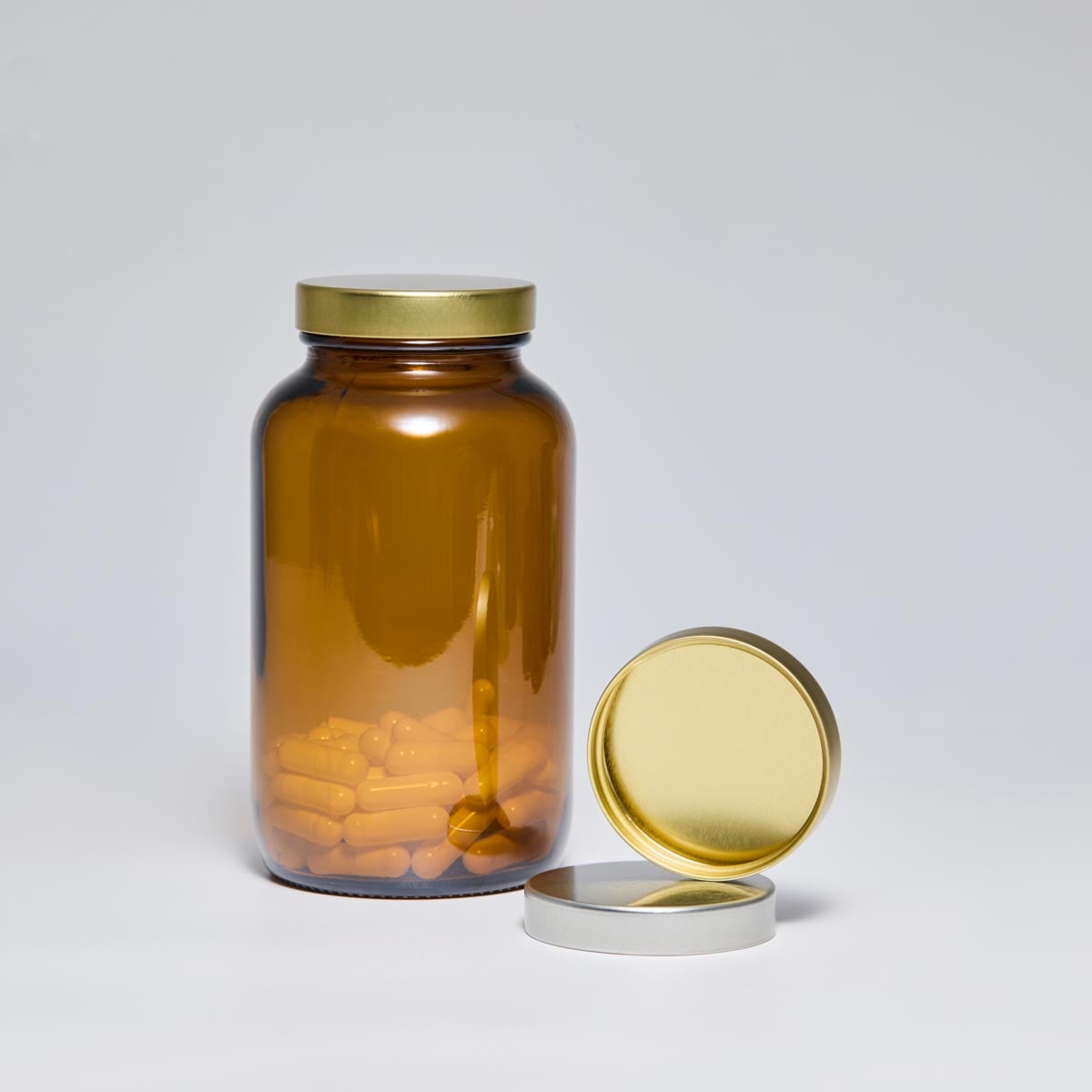
The gold finish of the Unishell cap carries significance beyond aesthetics. In pharmaceutical retail and clinical supply, presentation is part of perceived safety and brand confidence. A gold Unishell cap signals premium manufacturing standards and conveys the message that the product inside has received the same level of care in its packaging as in its formulation.
This visual cue is not trivial in markets where patient confidence and healthcare professional endorsement matter. Products that look carefully packaged tend to be trusted more readily, and the Unishell cap's metallic, professional appearance supports that trust at point of use. The cap's clean, consistent appearance also makes it easier to inspect for signs of tampering because any damage to the gold shell is immediately visible.
From a functional perspective, the gold coating on the Unishell cap is applied to provide additional corrosion protection, extending the shelf life performance of the closure itself under varying humidity conditions in warehousing and transport. This combination of visual professionalism and functional enhancement makes the Unishell cap a choice that satisfies both the quality team and the marketing team within a pharmaceutical organisation.
Operational and Supply Chain Advantages of the Unishell Cap
Compatibility with High-Speed Pharmaceutical Capping Lines
Pharmaceutical manufacturing operates at scale, and any closure that creates bottlenecks on the production line introduces costs and risks. The Unishell cap is engineered to perform reliably on automated capping equipment, with dimensional consistency that reduces the rate of misfits, cap rejects, and line stoppages. For manufacturers running high-speed filling and capping operations, this consistency directly translates into production efficiency and reduced waste.
The standardized 38/400 thread specification of the Unishell cap means that switching to or incorporating this closure into an existing line typically requires minimal adaptation. The cap's metal construction also means that it feeds through automated cap-sorting and placement equipment predictably, without the static cling and deformation issues that can occasionally affect lightweight plastic closures at high speed.
Quality assurance teams will also appreciate that the Unishell cap's consistent metal forming means that seal integrity checks and torque testing can be performed with reliable results. Variability in closure performance is a major source of quality deviations in pharmaceutical packaging, and the Unishell cap's manufacturing precision reduces that source of risk significantly.
Storage, Shelf Life, and Distribution Resilience
A pharmaceutical closure must perform not just at the point of application but across the entire product lifecycle — from the moment the bottle is sealed on the production line to the moment the patient opens it, potentially months or years later. The Unishell cap's tinplate construction provides excellent resistance to the mechanical stresses of transport, including vibration, stacking pressure, and temperature cycling.
In distribution environments where pallets of glass pharmaceutical bottles may experience rough handling or extended storage under varying climatic conditions, the Unishell cap maintains its sealing integrity without the seal degradation that can occur with some organic liner materials or plastic closures under stress. This durability across the supply chain is a core reason why pharmaceutical companies that export their products into diverse international markets favour the Unishell cap.
The long-term performance of the Unishell cap also supports extended product shelf life claims, which are commercially valuable in pharmaceutical registration and market access processes. A closure that can be validated for multi-year stability performance reduces the cost and complexity of shelf-life study programmes, providing a concrete business benefit alongside the safety and compliance benefits already discussed.
FAQ
What makes the Unishell cap different from a standard metal screw cap?
The Unishell cap is distinguished by its continuous metal shell design that wraps around the bottle neck, providing a multi-point mechanical seal and intrinsic tamper evidence. A standard metal screw cap typically relies on thread engagement alone and may not offer the same level of tamper-visible protection or hermetic sealing performance that the Unishell cap delivers through its unified shell geometry and integrated liner.
Is the Unishell cap suitable for all types of pharmaceutical liquids?
The Unishell cap is designed for use with glass pharmaceutical bottles and is particularly well-suited for oral liquid formulations such as syrups, tonics, and solutions. Its tinplate construction and liner system make it compatible with a wide range of pharmaceutical product types. However, specific compatibility should always be confirmed through appropriate stability and extractables testing as part of pharmaceutical packaging validation for each individual product formulation.
How does the Unishell cap support regulatory compliance in pharmaceutical markets?
The Unishell cap supports regulatory compliance through its use of materials with established safety profiles, its intrinsic tamper-evidence mechanism that meets international packaging safety requirements, and its standardized 38/400 thread specification that aligns with widely accepted pharmaceutical glass bottle standards. These features make it straightforward for manufacturers to incorporate the Unishell cap into their packaging validation documentation and regulatory submission dossiers.
Can the Unishell cap be used on automated pharmaceutical production lines?
Yes, the Unishell cap is designed with dimensional consistency and mechanical properties that make it compatible with automated high-speed capping equipment. Its standardized sizing and metal construction enable reliable feeding, placement, and seal application on modern pharmaceutical production lines, reducing the risk of line stoppages and capping inconsistencies that can arise with less precisely manufactured closures.