
 EN
EN


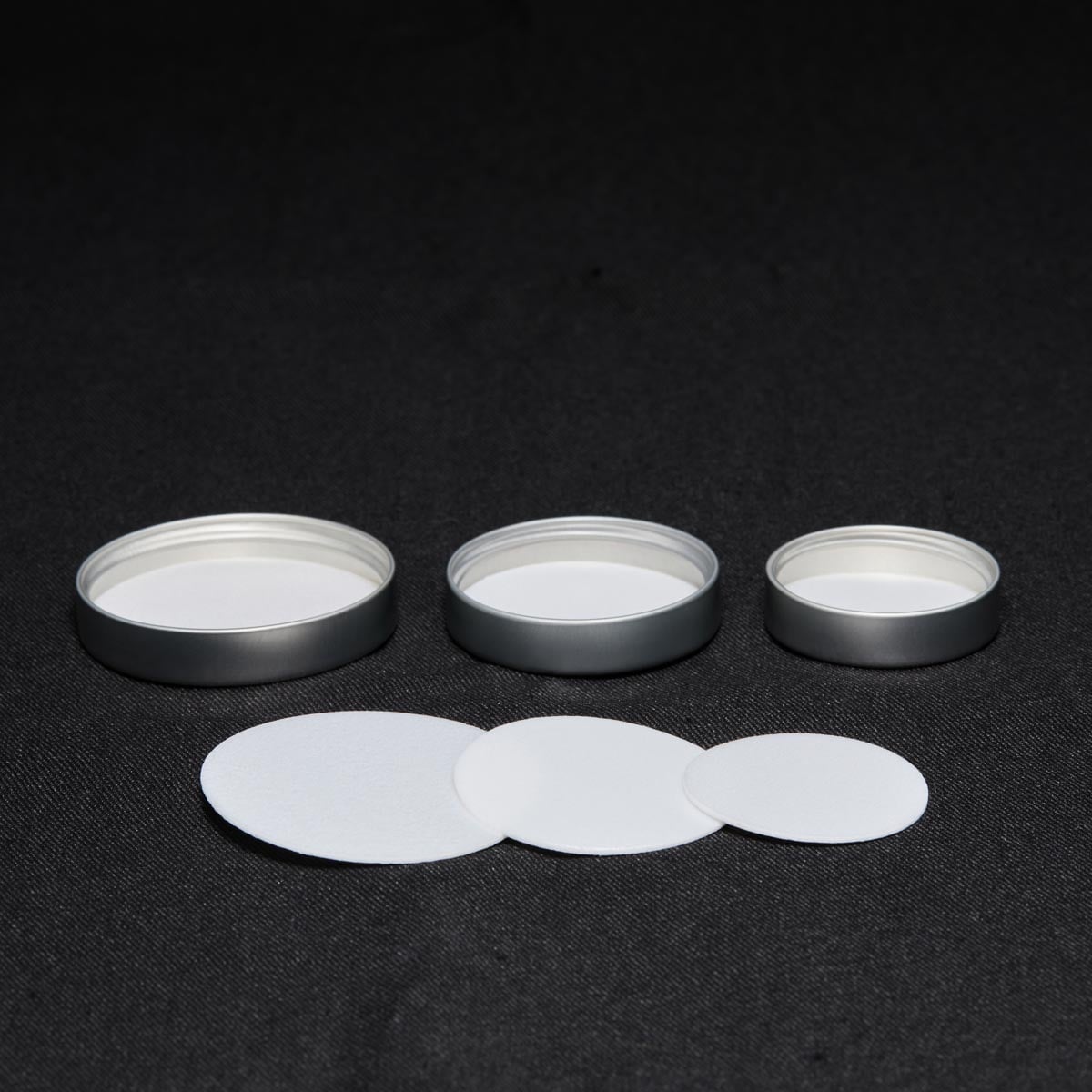
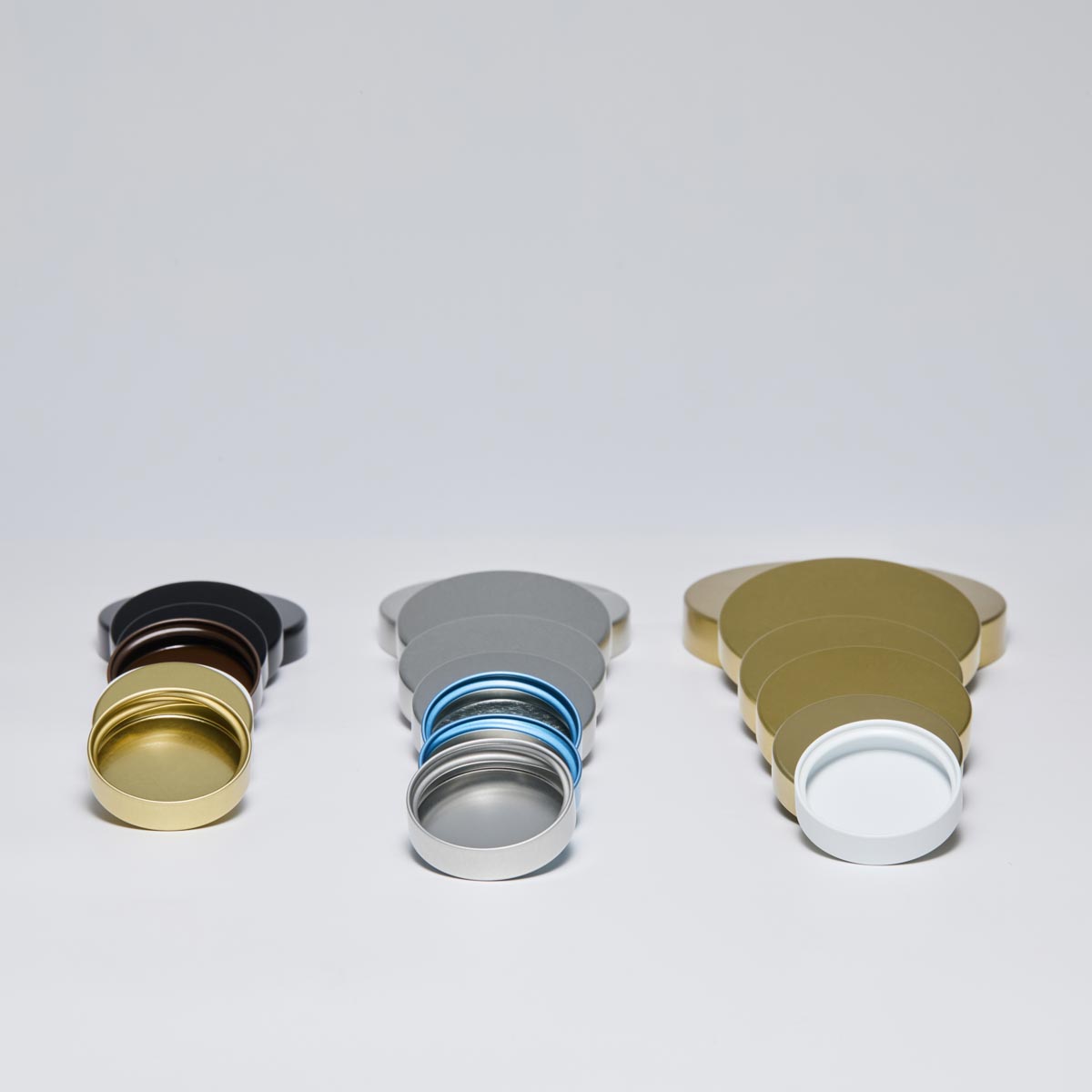
Precision automated stamping stands as a cornerstone technology in modern closure manufacturing, fundamentally transforming how brands deliver quality, consistency, and visual appeal. In an increasingly competitive market where packaging serves as a critical brand touchpoint, precision automated stamping ensures that every closure meets exacting standards while maintaining the distinctive branding elements that set products apart on retail shelves. This advanced manufacturing approach combines mechanical precision, digital control, and material science to produce closures that not only function flawlessly but also enhance the overall product experience.
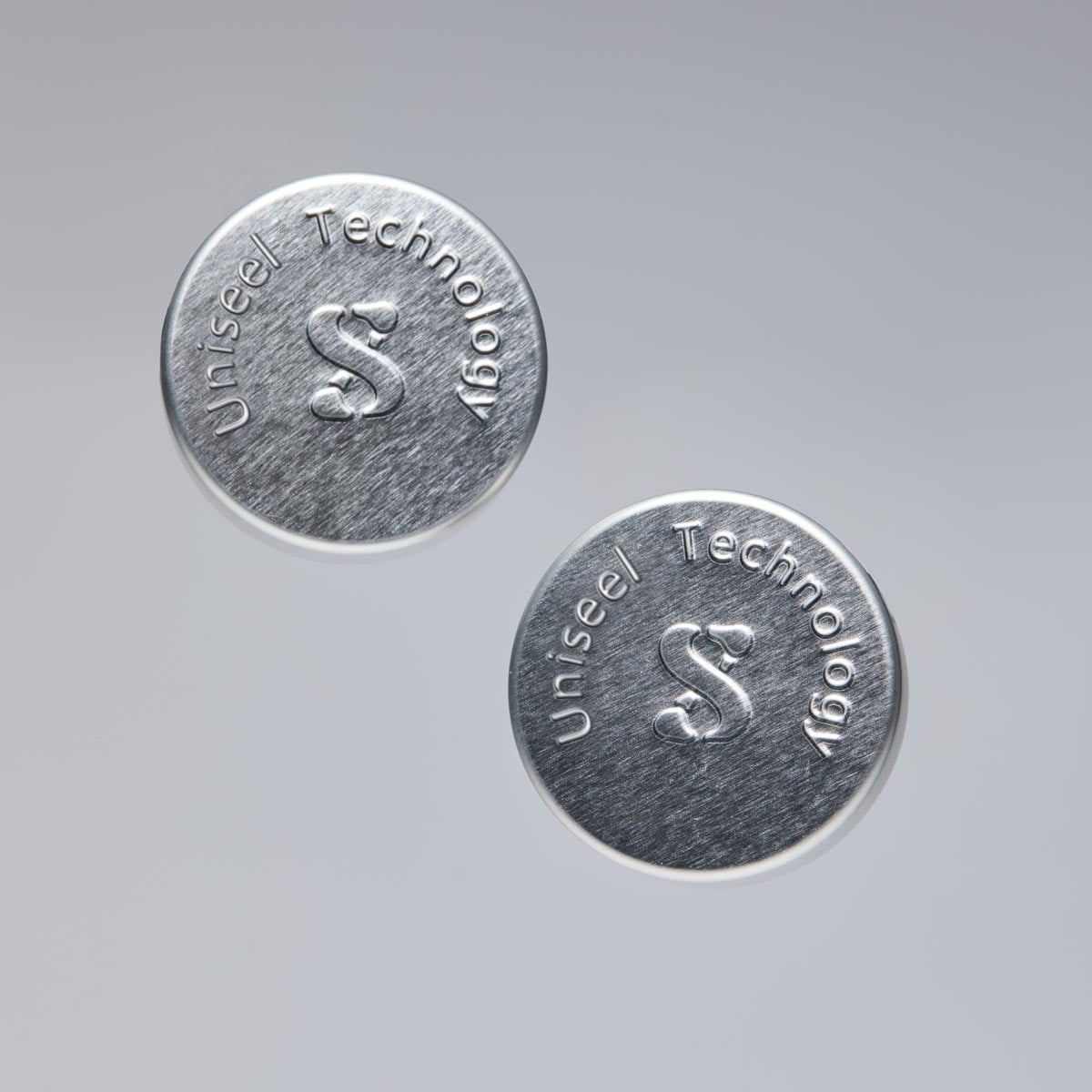
The closure industry has evolved dramatically over the past two decades, driven by consumer expectations for both aesthetic appeal and functional reliability. Precision automated stamping represents the intersection of these demands, enabling manufacturers to create closures with three-dimensional embossed logos, precise depth control, and consistent surface finishes across thousands of units. Whether serving beverage, pharmaceutical, cosmetic, or specialty container markets, precision automated stamping delivers the repeatability and quality assurance that modern supply chains require.
How Precision Automated Stamping Improves Closure Quality
Consistency Across Production Batches
Precision automated stamping eliminates the variability inherent in manual or semi-automated processes. Each closure produced through precision automated stamping receives identical pressure, timing, and tool engagement, resulting in uniform embossing depth, crisp logo reproduction, and consistent surface texture across entire production runs. This level of consistency is impossible to achieve manually, where human factors introduce subtle variations that compound across thousands of units. Quality control becomes more predictable, scrap rates decrease, and the need for downstream manual sorting or rework diminishes substantially.
Enhanced Logo and Branding Definition
The three-dimensional embossing achieved through precision automated stamping creates branding that commands attention and conveys premium quality. Unlike flat printing or basic imprinting, precision automated stamping produces logos with depth, shadow play, and tactile presence that customers notice and remember. The crisp edges, uniform relief, and precise proportions of embossed elements become hallmarks of brand differentiation. Precision automated stamping allows manufacturers to render intricate detail—fine text, delicate gradients, and complex geometric patterns—that would be impossible or prohibitively expensive to produce through alternative methods. The resulting visual and tactile impact strengthens brand perception at the point of purchase and during consumer interaction.
Technical Mechanisms Behind Superior Quality
Controlled Pressure and Material Flow
Precision automated stamping systems apply calibrated pressure to specific material zones, controlling how the metal or polymer flows into the stamping tool. The automation ensures that pressure is distributed evenly, preventing the weak embossing, over-deformation, or misalignment that can result from manual or inconsistent mechanical systems. Digital sensors monitor pressure in real time, providing feedback that maintains optimal embossing characteristics throughout extended production cycles. This controlled material flow is essential for achieving the precise depth and surface finish specifications that distinguish premium closures from commodity alternatives.
Tool Alignment and Repeatability
The mechanical foundation of precision automated stamping relies on extremely tight tool alignment tolerances and repeatable positioning. Computer numerical control (CNC) systems guide stamping dies with accuracy measured in fractions of a millimeter, ensuring that every closure positions identically relative to the embossing tool. This repeatability is critical for maintaining consistent depth, preventing tool wear from creating cascading quality degradation, and allowing seamless transitions between production runs of different closure designs. The investment in precision automated stamping equipment is justified by the elimination of drift, the reduction in setup time between jobs, and the dramatic improvement in first-pass quality metrics.
Cycle Time Optimization
Modern precision automated stamping systems achieve production speeds that balance quality imperatives with throughput demands. The automation allows operators to dial in optimal cycle times without sacrificing embossing crispness or surface finish. Precision automated stamping eliminates the fatigue-related slowdown that affects manual operations and removes the bottlenecks associated with semi-automatic systems that require operator intervention between cycles. The result is a sustainable production rate that maintains quality consistency hour after hour, shift after shift, without operator-induced variability or process drift.
Quality Assurance and Industry Applications
Meeting Regulatory and Brand Standards
Industries including pharmaceuticals, cosmetics, beverages, and specialty foods impose strict requirements for closure security, traceability, and aesthetic presentation. Precision automated stamping delivers the documented repeatability that regulatory bodies and brand stakeholders demand. Each closure produced through precision automated stamping can be traced to specific production parameters, environmental conditions, and tool states, providing the accountability that modern supply chains require. The technique supports anti-counterfeiting initiatives by producing embossed elements that are difficult to replicate, protecting brand integrity and consumer safety. Precision automated stamping is particularly valuable for premium product lines where packaging quality directly influences consumer perception of product quality.
Scalability Across Market Segments
From small-batch specialty closures to high-volume commodity production, precision automated stamping adapts to diverse manufacturing scenarios. The technology scales efficiently across different material types—aluminum, steel, plastic composites—and accommodates closure sizes ranging from small caps to large industrial covers. Precision automated stamping allows manufacturers to serve both boutique brands requiring small custom runs and multinational corporations demanding millions of units annually. The flexibility of programmable automation means that the same precision automated stamping system can handle multiple closure designs, reducing capital expenditure and simplifying manufacturing footprint management.
FAQ
What materials work best with precision automated stamping technology?
Precision automated stamping performs exceptionally well with aluminum, cold-rolled steel, and thermoplastic compounds. Aluminum is preferred for beverage and cosmetic closures due to its ideal combination of formability, durability, and aesthetic appeal. The metal responds predictably to precision automated stamping, producing crisp embossing and maintaining dimensional stability. Steel closures benefit from precision automated stamping for pharmaceutical and specialty applications where chemical resistance and tamper-evidence are paramount. Thermoplastic materials used in precision automated stamping systems require careful process tuning to prevent deformation or surface marring, but modern equipment handles these materials effectively for high-volume applications.
How does precision automated stamping reduce manufacturing costs compared to alternatives?
Precision automated stamping reduces scrap, minimizes rework, and eliminates operator variability that drives up per-unit costs. The consistency achieved through precision automated stamping reduces quality control expenses and customer returns attributable to appearance defects. Setup time between production runs is minimized through programmable tool positioning, and the high first-pass quality rate reduces the labor associated with sorting or finishing. Although initial equipment investment for precision automated stamping systems is substantial, the total cost of ownership over five to ten years is typically lower than manual or semi-automated alternatives, particularly for high-volume applications where the advantage accumulates across millions of units.
Can precision automated stamping produce custom or complex branding designs?
Yes, precision automated stamping excels at reproducing intricate custom designs with multiple colors, fine detail, and three-dimensional relief. Manufacturers can commission custom stamping dies tailored to specific branding requirements, enabling precision automated stamping to render complex logos, variable text, QR codes, and decorative elements with repeatability that manual methods cannot match. The investment in custom tooling for precision automated stamping is justified when closure volumes exceed minimum thresholds, typically 50,000 to 100,000 units per design. For lower volumes, standardized precision automated stamping designs or hybrid approaches combining automated stamping with supplementary decoration techniques may offer better economic balance.