
 EN

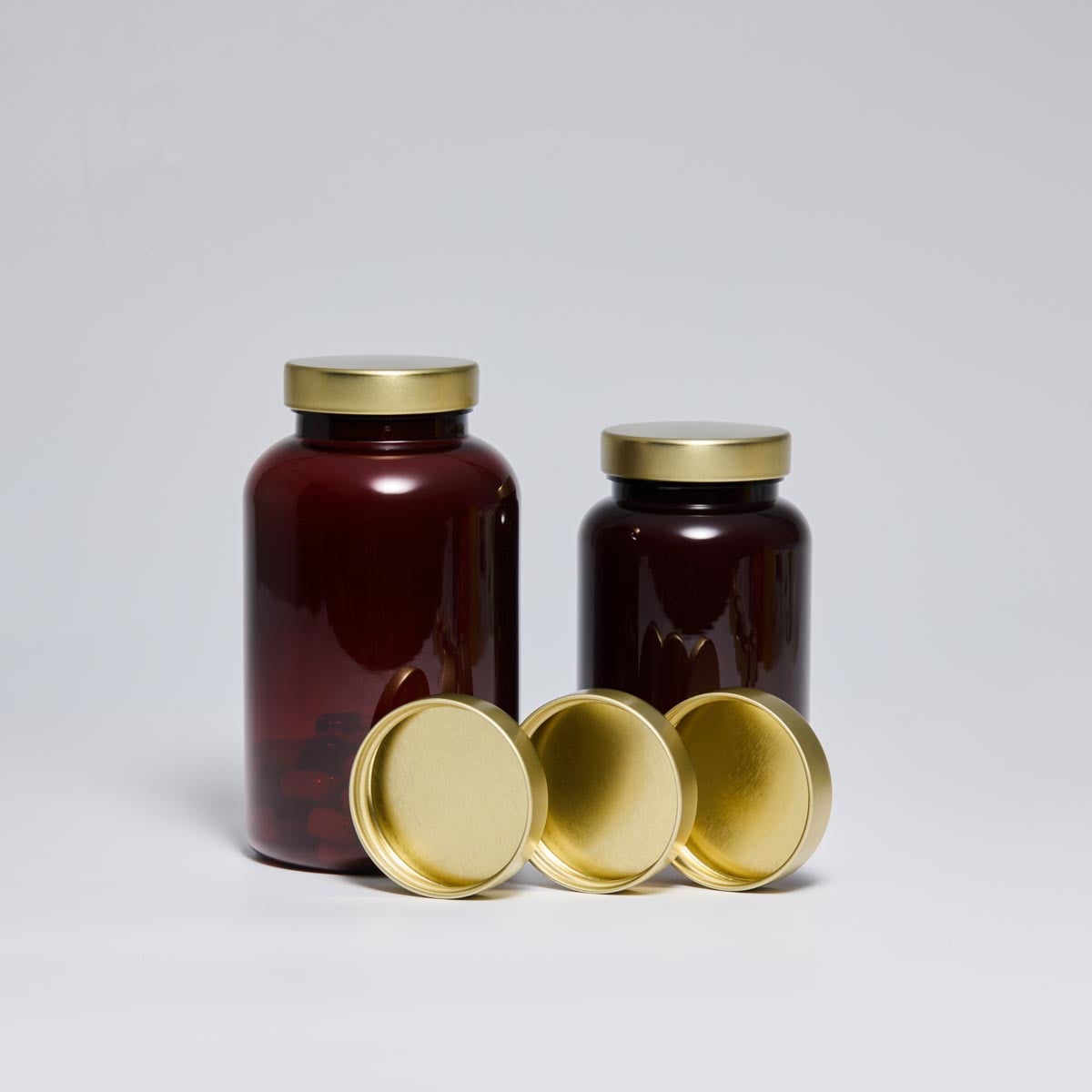
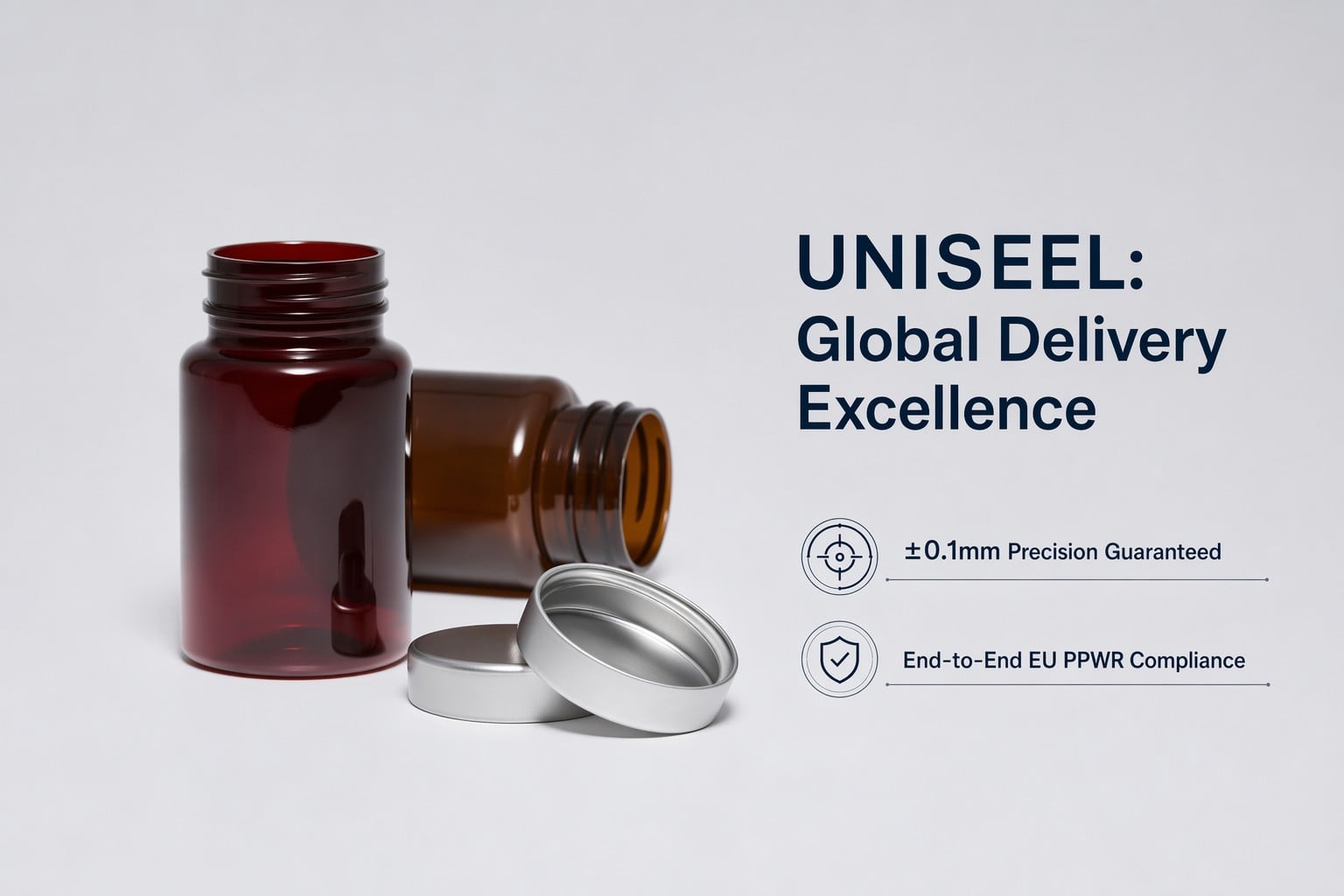
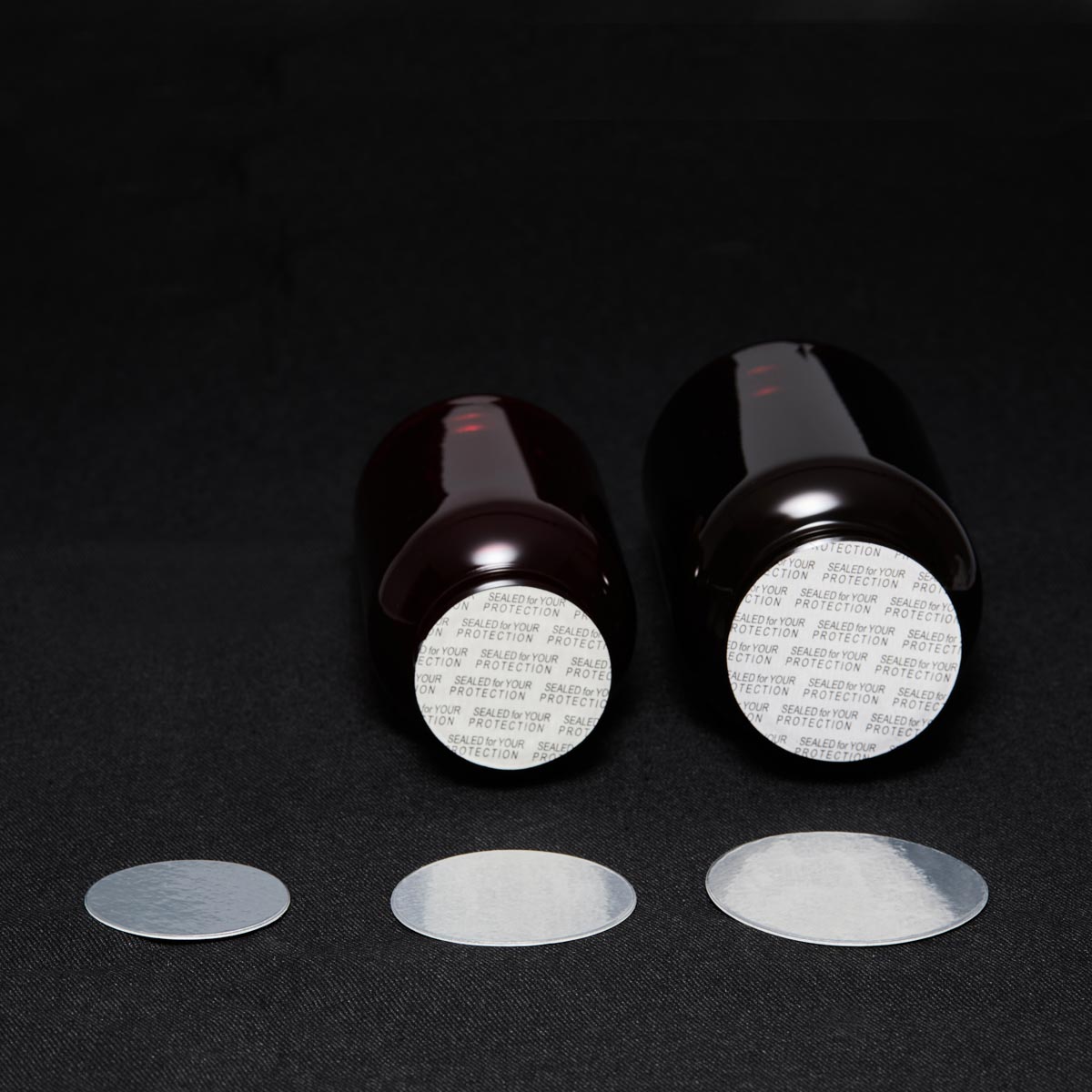
Ensuring a metal screw cap meets international food standards starts with identifying the markets where the packaged product will be sold. Requirements can differ by jurisdiction, food type, storage conditions, and contact duration. A screw cap is not compliant simply because it is made of metal; its coatings, liners, inks, and manufacturing controls also matter. A documented assessment should cover the complete closure as supplied and used.

Use a stepwise process: define the intended use, collect evidence for every food-contact material, assess migration and chemical restrictions, then confirm that the closure performs on the actual container and filling line. For a screw cap, this means checking both regulatory documentation and practical sealing conditions. The aim is traceable evidence that matches the precise design, not a general statement about metal packaging.
Define the applicable food-contact requirements
Map markets, foods, and use conditions
Start by listing destination markets and the product’s expected contact conditions. A screw cap used on a dry supplement jar may face different exposure from one used with an acidic liquid, hot-filled food, or product stored for a long period. Record the food characteristics, filling temperature, storage duration, and any heating or refrigeration conditions that could affect contact with the closure.
Then identify the legal framework for each market with qualified regulatory support. In the European Union, food-contact framework requirements and good manufacturing practice are relevant, while specific rules can apply to particular materials such as plastics. In the United States, applicable requirements depend on the substances and intended use. A screw cap should be reviewed against the rules that actually cover its components and application.
Assess the complete closure assembly
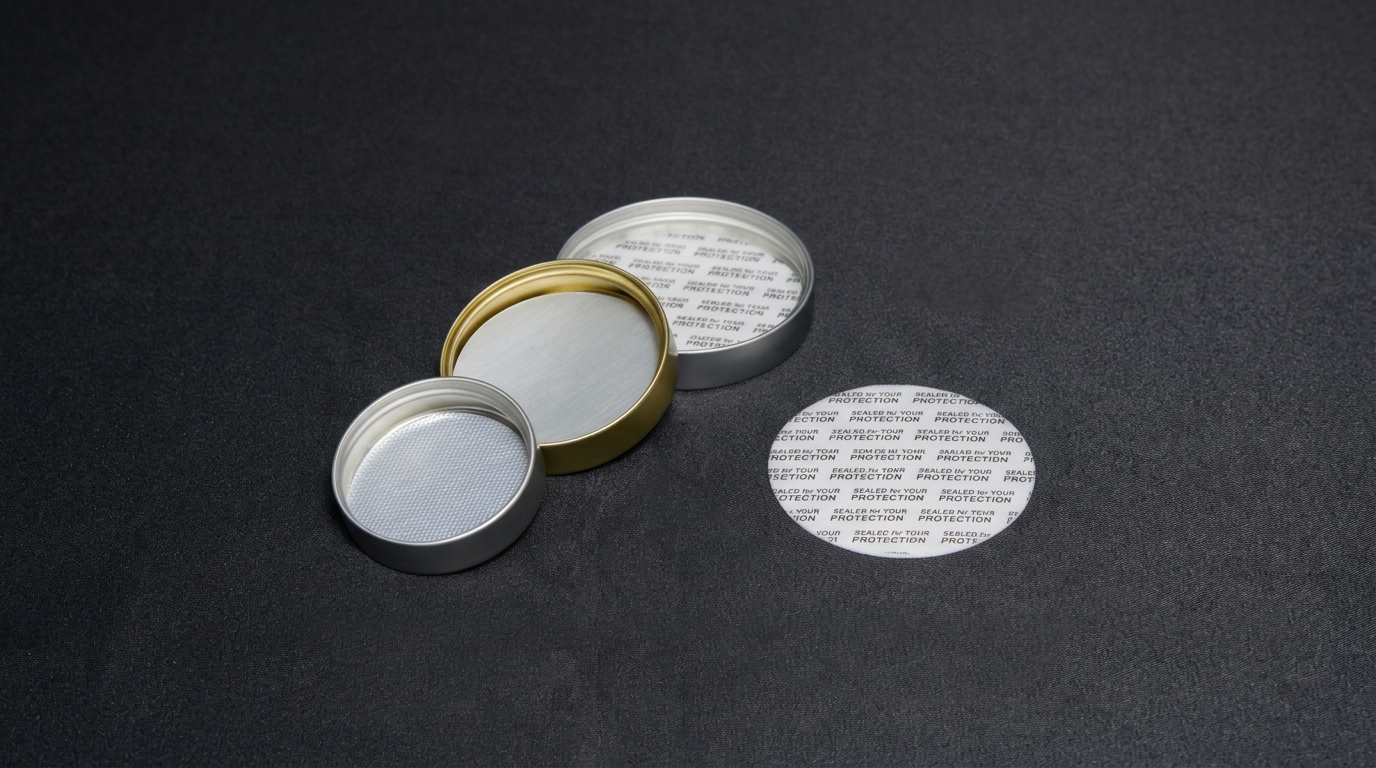
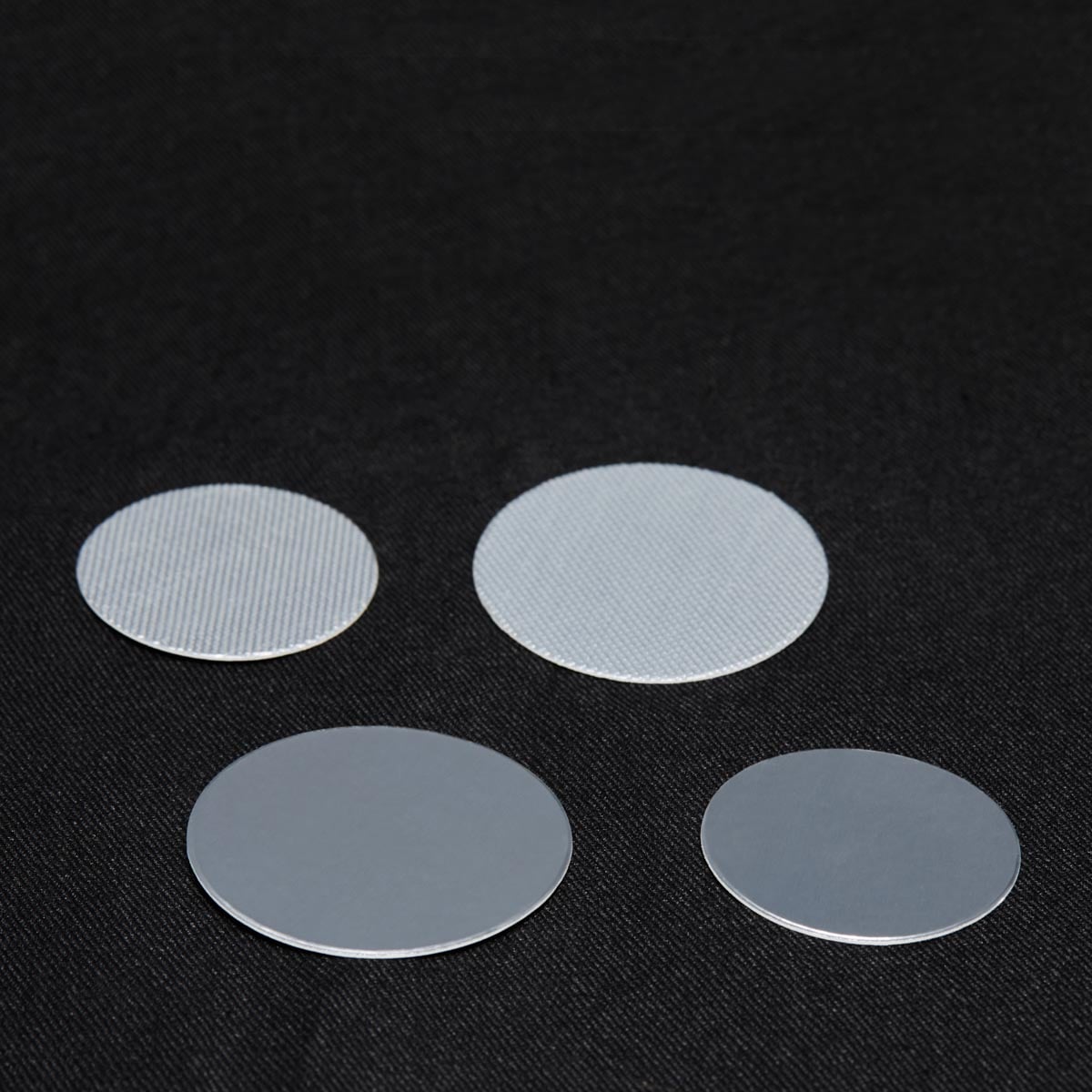
Do not assess only the metal shell. The coating on the inside, printed exterior, sealing liner, adhesive, and any polymer insert can all affect suitability. Ask for a component-level material description and identify which parts may contact food directly or transfer substances through foreseeable use. For a screw cap, the interface with the container finish is part of the assessment because it influences sealing and possible exposure.
Clarify who is responsible for providing evidence for each component, especially when parts come from different production processes. Request current declarations or compliance statements that identify the material, intended conditions, applicable market, and limitations. A broad certificate without product or material scope may not establish that this screw cap is suitable for the intended food. Keep questions and responses with the technical file.
Verify materials and compliance evidence
Collect traceable specifications and declarations
Build a document set that connects the closure supplied to its material specifications and regulatory assessment. Depending on the design and market, this may include a declaration of compliance, technical data, coating or liner information, and statements on restricted substances. Confirm that the documents identify the screw cap model or a clearly defined material family, rather than relying on a generic description.
Check document dates, revision status, issuing party, and intended use. The stated conditions should cover the food category, contact duration, and temperature relevant to your process. If the screw cap is supplied with a liner or internal coating, make sure evidence addresses that component as well as the metal substrate. Record any restrictions, such as limits on heat exposure or unsuitable food types, in purchasing and quality specifications.
Use testing that reflects real exposure
Where evidence requires testing, select a competent laboratory and agree on a protocol that represents the intended use. Migration testing may involve suitable food simulants, defined time and temperature conditions, and analysis of relevant substances. For a screw cap, the test configuration should represent the actual food-contact surface and account for the closure geometry, coating, and liner where applicable.
Test results are meaningful only when they can be linked to the tested sample and production specification. Ask the laboratory or technical assessor to explain the sample identity, method, conditions, and conclusions. Do not treat one result as universal approval for every food or market. If formulation, coating, liner, or process changes, assess whether existing evidence still supports the screw cap and whether further testing is needed.
Confirm performance and maintain control
Validate fit and sealing on the production line
Food-contact documentation does not prove that a closure will seal reliably on a particular container. Confirm the specified neck finish, dimensions, application method, and torque range with the container and filling equipment in use. A screw cap that is mismatched to the finish may leak, loosen, or be difficult to remove, so conduct line trials under representative operating conditions.
Include checks appropriate to the package, such as application consistency, leakage evaluation, opening behavior, and performance after expected distribution handling. Establish acceptance criteria before the trial and retain results with the product specification. These checks do not replace regulatory evidence, but they help show that the screw cap works as intended without undermining package integrity during filling, storage, and transport.
Control suppliers, changes, and records
Put approved material and performance requirements into purchasing documents, and verify incoming goods against the agreed specification. Maintain lot identification so a production issue can be traced to the relevant shipment and records. Periodically confirm that declarations remain current and that the screw cap received matches the assessed design, including finish, coating, liner, and printed treatment.
Require notification before changes to materials, manufacturing sites, coatings, inks, or component sources. Review each change for its regulatory and technical impact before approval; a seemingly small modification can alter evidence or sealing behavior. Keep the rationale for acceptance, test reports, correspondence, and revision history together. This disciplined file makes it easier to demonstrate why the screw cap was approved for a particular product and market.
FAQ
Does a metal body alone make a screw cap food safe?
No. The metal is only one part of the assessment. Coatings, liners, inks, adhesives, intended food, and contact conditions can affect suitability. Review the complete screw cap assembly and keep evidence tied to its actual use.
Which documents should I request for a screw cap?
Request material specifications and current compliance statements covering relevant components and markets. Depending on the risk assessment, obtain migration or other test reports that identify the tested sample, method, and exposure conditions. Check that documents match the supplied screw cap.
When should compliance evidence be reviewed again?
Review it when the destination market, food, process conditions, or closure specification changes, and whenever a material or manufacturing change is proposed. Periodic document checks also help confirm that the screw cap remains aligned with current requirements and approved production details.