
 EN
EN

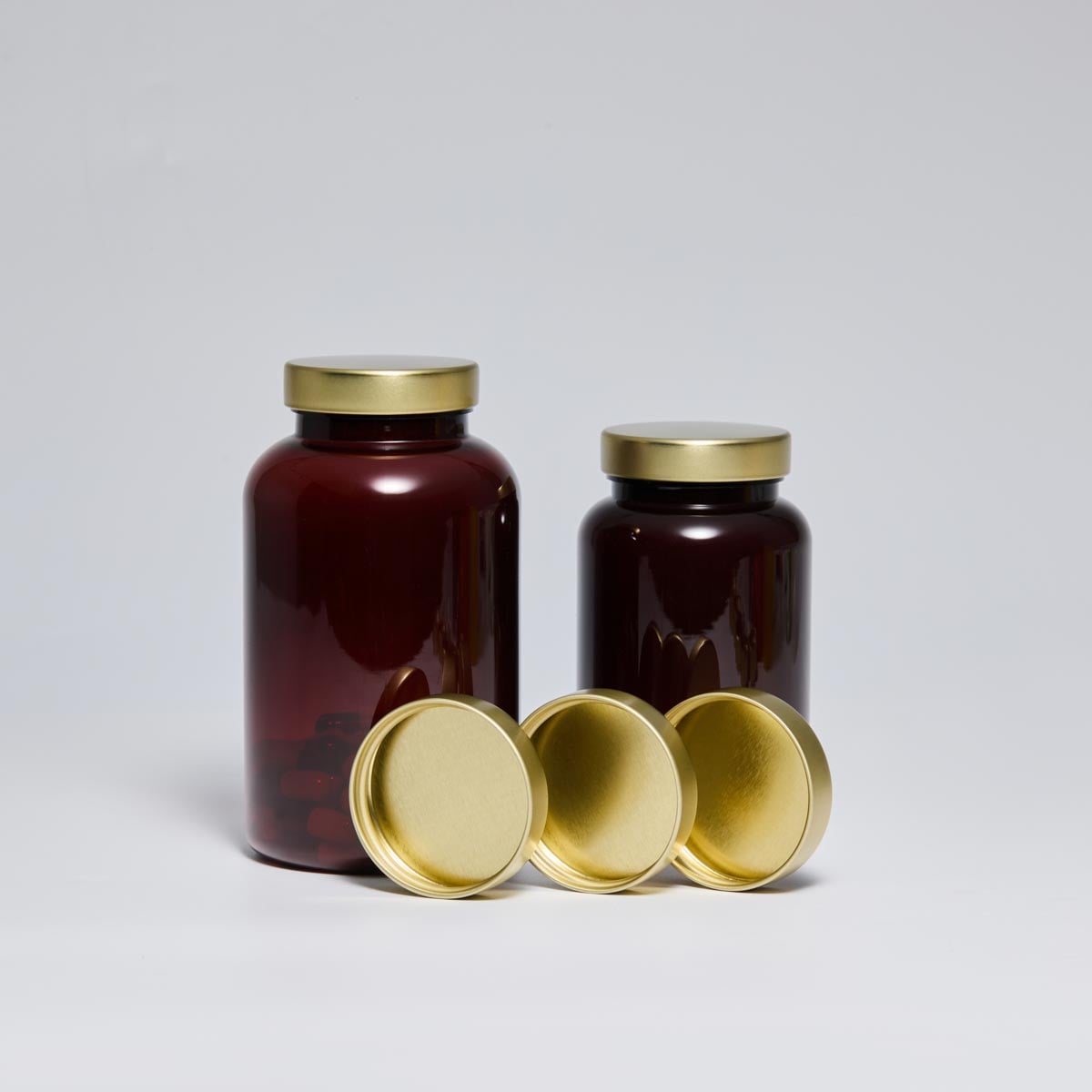
Selecting the correct diameter for a unishell metal cap is one of the most practical decisions a packaging buyer or product developer will face. A unishell metal cap that is even a few millimeters off in diameter can compromise the seal, damage the jar thread, or create a poor consumer experience. Whether you are packaging food, cosmetics, pharmaceuticals, or specialty chemicals, getting the diameter right from the start saves time, cost, and rework downstream.
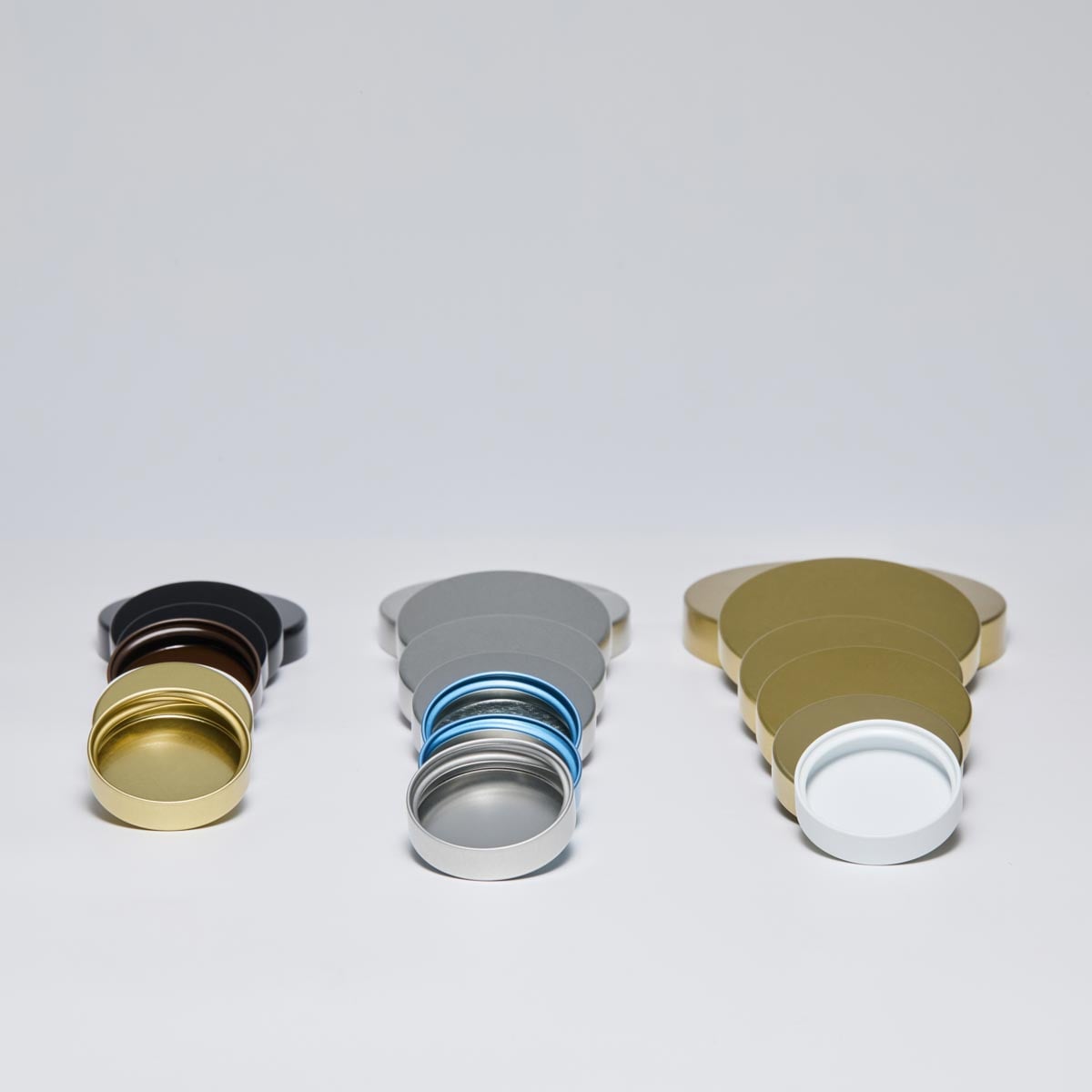
The unishell metal cap is available across a broad size range, typically spanning from 38mm to 89mm in diameter, covering the vast majority of standard glass jar and bottle formats used across industries. Each size of unishell metal cap is engineered to thread precisely onto its matching container finish, ensuring a reliable vacuum seal and a professional appearance. Understanding how to navigate this range is essential for any buyer who wants to specify a unishell metal cap with confidence and avoid costly mismatches in production.
Understanding Diameter Measurement for a Unishell Metal Cap
What the Diameter Number Actually Means
When a unishell metal cap is labeled with a diameter figure such as 53mm or 70mm, that number refers to the outer diameter of the container finish — also called the neck finish — not the outer diameter of the cap shell itself. This is a critical distinction. A 53mm unishell metal cap is designed to thread onto a glass jar or bottle whose neck has an outer finish diameter of 53mm. If you measure the physical cap itself, it will appear slightly larger because the tinplate shell folds over and around the container thread.
Understanding this measurement convention prevents one of the most common sourcing errors buyers make when specifying a unishell metal cap for the first time. Always measure your container's neck finish diameter using a vernier caliper or request the finish specification directly from your glass or plastic container supplier. A unishell metal cap will only form a correct vacuum seal when it is matched to the exact finish diameter it is designed for.
Standard Sizes and How They Align to Container Types
The unishell metal cap range typically includes sizes such as 38mm, 43mm, 48mm, 53mm, 58mm, 63mm, 66mm, 70mm, 77mm, 82mm, and 89mm. Smaller sizes of unishell metal cap — in the 38mm to 53mm range — are commonly paired with narrow-neck bottles used for sauces, dressings, and beverages. Mid-range sizes of unishell metal cap around 58mm to 70mm are frequently used on standard preserving jars, condiment jars, and cosmetic containers. Larger unishell metal cap formats from 77mm to 89mm suit wide-mouth jars used for honey, nut butters, skincare creams, and similar products where consumers need easy access to the contents. Matching your product format to the appropriate unishell metal cap size category helps narrow the selection before you finalize any physical testing.
Key Factors That Influence Your Unishell Metal Cap Diameter Choice
Container Thread Finish Compatibility
The thread finish on your container is the single most important factor when choosing a unishell metal cap diameter. A unishell metal cap operates on a lug or continuous thread system, and both systems require precise dimensional alignment between the cap and the container neck. If you are sourcing new containers alongside a new unishell metal cap, request that your container supplier provide the finish drawing so you can confirm which unishell metal cap diameter corresponds to the stated finish specification. If you are transitioning from a plastic cap to a unishell metal cap on an existing container, verify that the thread type on your current container neck is compatible with the lug-style engagement that most unishell metal cap formats use.
It is also worth confirming the thread count and depth, since some container finishes that share the same nominal diameter may vary slightly between manufacturers. A reliable unishell metal cap supplier will provide tolerance data and can often advise on compatibility when you share your container finish drawings or physical samples.
Product Type, Fill Weight, and Seal Requirements
The nature of your product also influences which unishell metal cap diameter is most appropriate. Heavier fills such as dense preserves, honey, or thick pastes require a wider and more robust unishell metal cap to distribute the torque load across a larger thread engagement area. A unishell metal cap used on a high-acid or high-moisture product must form an effective vacuum seal, and the correct diameter ensures the sealing compound inside the unishell metal cap makes full, even contact with the container's sealing surface. If the unishell metal cap diameter is too large or too small for the container finish, the sealing compound cannot form a uniform gasket, leading to vacuum failure and shelf-life compromise. Always align the unishell metal cap size with both the container specification and the filling line sealing parameters to achieve consistent results.
Practical Steps to Confirm the Right Unishell Metal Cap Diameter
Measurement, Sampling, and Validation
The most reliable method for confirming the correct unishell metal cap diameter is to obtain physical samples and conduct fit testing on actual production containers. Request sample caps in two or three adjacent sizes around your target diameter. Apply each unishell metal cap to your container by hand or using a torque-controlled capping tool, and check for smooth thread engagement, even seating, and a clean snap of the sealing compound onto the container's land area. A correctly sized unishell metal cap will engage smoothly without cross-threading and will produce an audible pop when opened, confirming that a vacuum has been achieved during the sealing process.
In a production context, validate the unishell metal cap diameter choice by running a small trial batch through your existing capping equipment. Record the applied torque values, measure the removal torque after cooling or pasteurization, and check the vacuum level inside sealed jars. These steps confirm that your chosen unishell metal cap diameter performs reliably at production speed and under real product conditions. Document the validated unishell metal cap specification — including diameter, thread type, and liner type — so that reorders are consistent and your quality records remain complete.
Working with Your Supplier for Accurate Specifications
A knowledgeable unishell metal cap supplier will ask for your container finish diameter, the container material, your product type, and your filling and sealing process before recommending a unishell metal cap size. Provide as much detail as possible, including whether you fill hot or cold, whether you pasteurize or retort, and what your target vacuum level is. The more context you give, the more precisely a unishell metal cap supplier can recommend the right diameter and confirm whether a standard size in the range fits your application or whether a custom unishell metal cap format is needed. Engaging your supplier early in the packaging development process avoids late-stage rework and ensures that the unishell metal cap you order performs exactly as expected when it reaches production.
FAQ
What happens if I use a unishell metal cap that is the wrong diameter?
Using a unishell metal cap with an incorrect diameter will prevent a proper seal from forming. The cap may feel loose, cross-thread on the container neck, or fail to create the vacuum necessary for food safety and shelf life. In severe cases, a poorly fitting unishell metal cap can chip glass around the container finish or cause spillage. Always confirm the diameter match through physical sampling before committing to a full production order.
Can the same unishell metal cap diameter fit containers from different manufacturers?
Not always. Even when two containers share the same nominal finish diameter, minor differences in thread depth, thread count, or land width between manufacturers can affect how a unishell metal cap seats and seals. It is best practice to test your chosen unishell metal cap against each specific container source you use in production. If you switch container suppliers, re-validate the unishell metal cap fit before resuming full-scale manufacturing.
Is a larger diameter unishell metal cap always better for heavy products?
A larger unishell metal cap offers more thread engagement area and can handle higher torque loads, which is beneficial for heavy or dense products. However, the unishell metal cap diameter must still match the container finish precisely — you cannot simply choose a larger unishell metal cap and expect it to seal correctly on a smaller container neck. The right choice is always the diameter that matches your container finish specification while also meeting the structural and sealing demands of your specific product and filling process.