
 EN
EN

Eliminating the 'Tolerance Trap': How Uniseel Resolved an IHS Sealing Failure for a Major European Brand
1. The Hidden Complexity of Sealing: Beyond the Surface
In the high-speed world of automated pharmaceutical and nutraceutical packaging, the success of a product launch often hinges on a fraction of a millimeter. For procurement managers and packaging engineers, 'sealing failure' is a nightmare scenario that can lead to product oxidation, leakage, and costly recalls. Recently, a major European pharmaceutical partner contacted our technical team with a critical challenge: our Induction Heat Seal (IHS) liners were failing to bond consistently with their target containers during initial pilot tests. At Hangzhou Uniseel Technology Co., Ltd., we don't just supply components; we solve engineering puzzles. This case study details how we identified the 'Tolerance Trap' and why it led to our new global standard of ±0.1mm internal calibration.
2. Case Study: Diagnosing the Root Cause of Insufficient Bonding
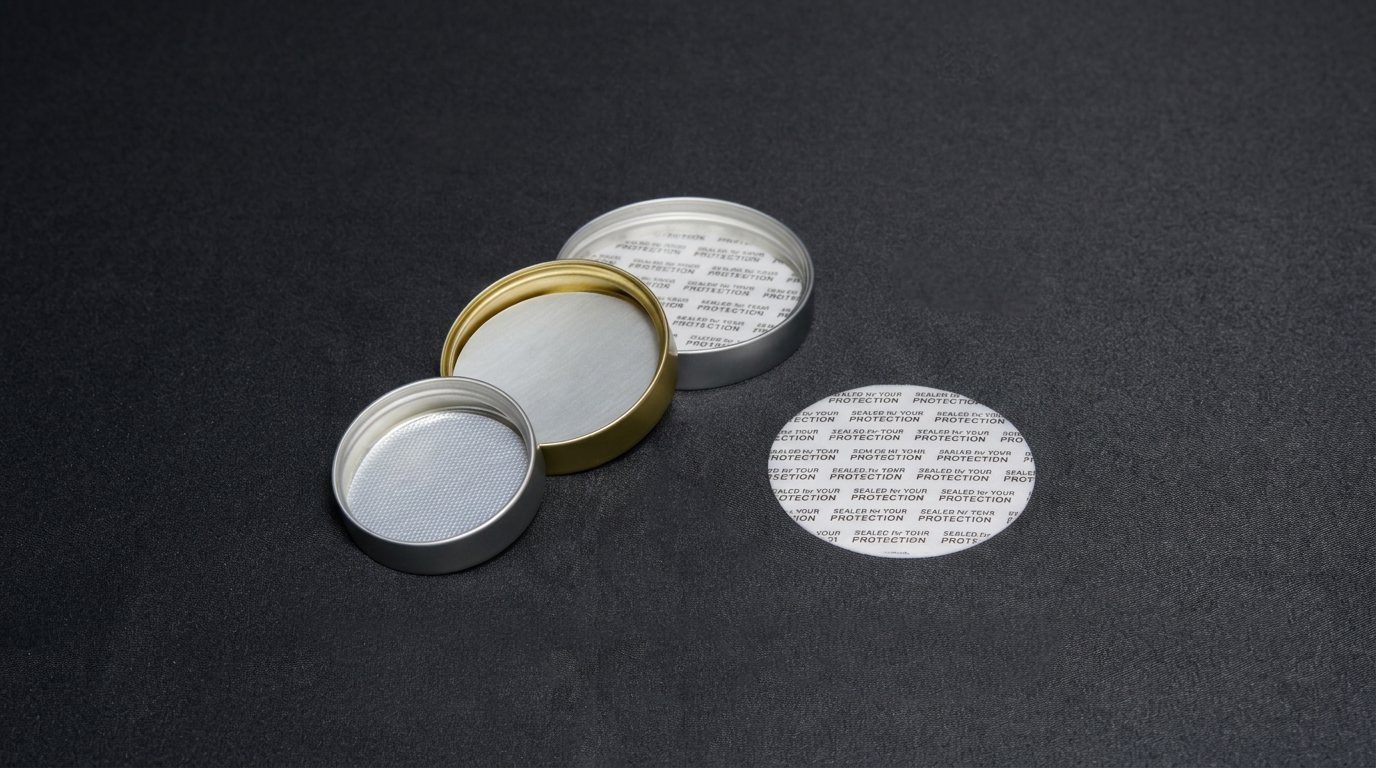
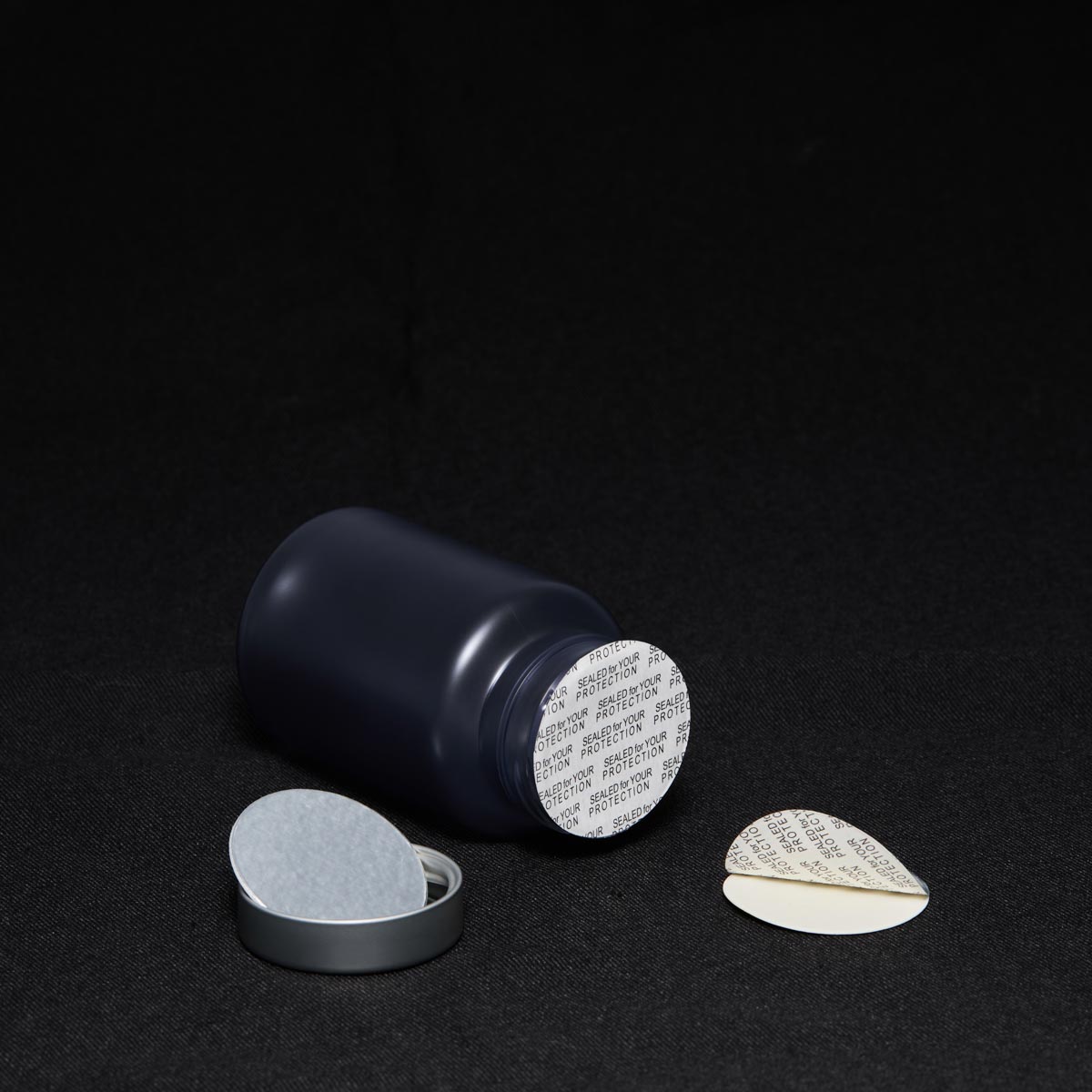
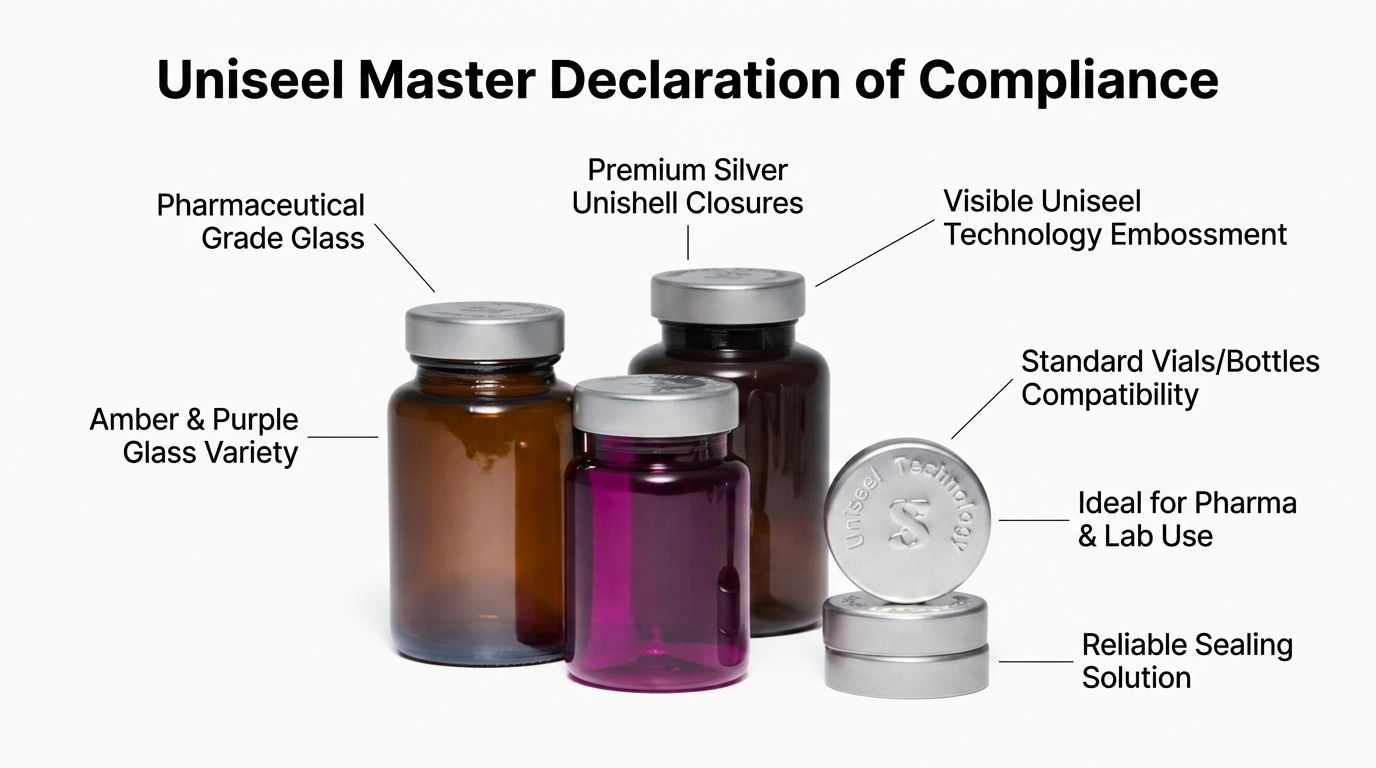
Initial feedback suggested that the IHS liners were not reaching the required activation temperature evenly. However, after our engineers analyzed the interaction between the Unishell cap and the client's bottle neck finish, we discovered a mismatch in the mechanical torque distribution. Due to the inherent industry-standard variances in glass and plastic bottle production (often ranging from ±0.25mm to ±0.50mm), the client’s existing capping settings were generating insufficient downward pressure. This created a microscopic 'air gap' between the liner and the bottle lip, preventing the induction field from creating a hermetic seal. Despite the liners passing all SGS EU FCM (Report No. TAOPC26004587601) tests, the system failed due to the 'Tolerance Trap.'
3. Technical Intervention: Turning Data into Results
Uniseel’s technical department provided immediate guidance, instructing the client to adjust the torque settings on their automated line to compensate for the neck-profile variance. As confirmed by the client's recent message: 'The closures passed the production line tests, as you had advised... everything was in order.' With this technical barrier removed, the client has officially cleared the path for a full wholesale order. This success highlights a critical truth in B2B packaging: the cap and the bottle must be engineered as a single, synergistic unit, not as isolated parts.
4. The Uniseel Solution: The 2-4 Bottle Sample Protocol
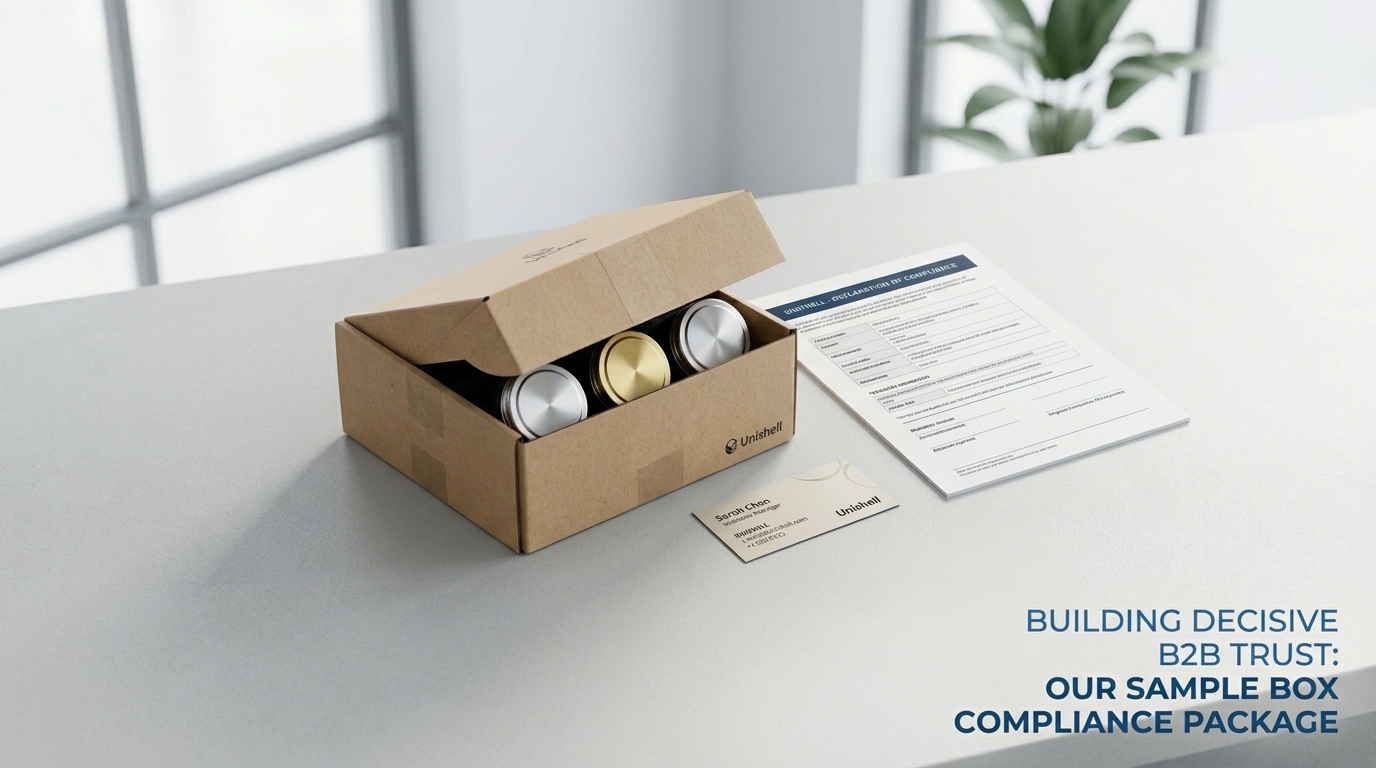
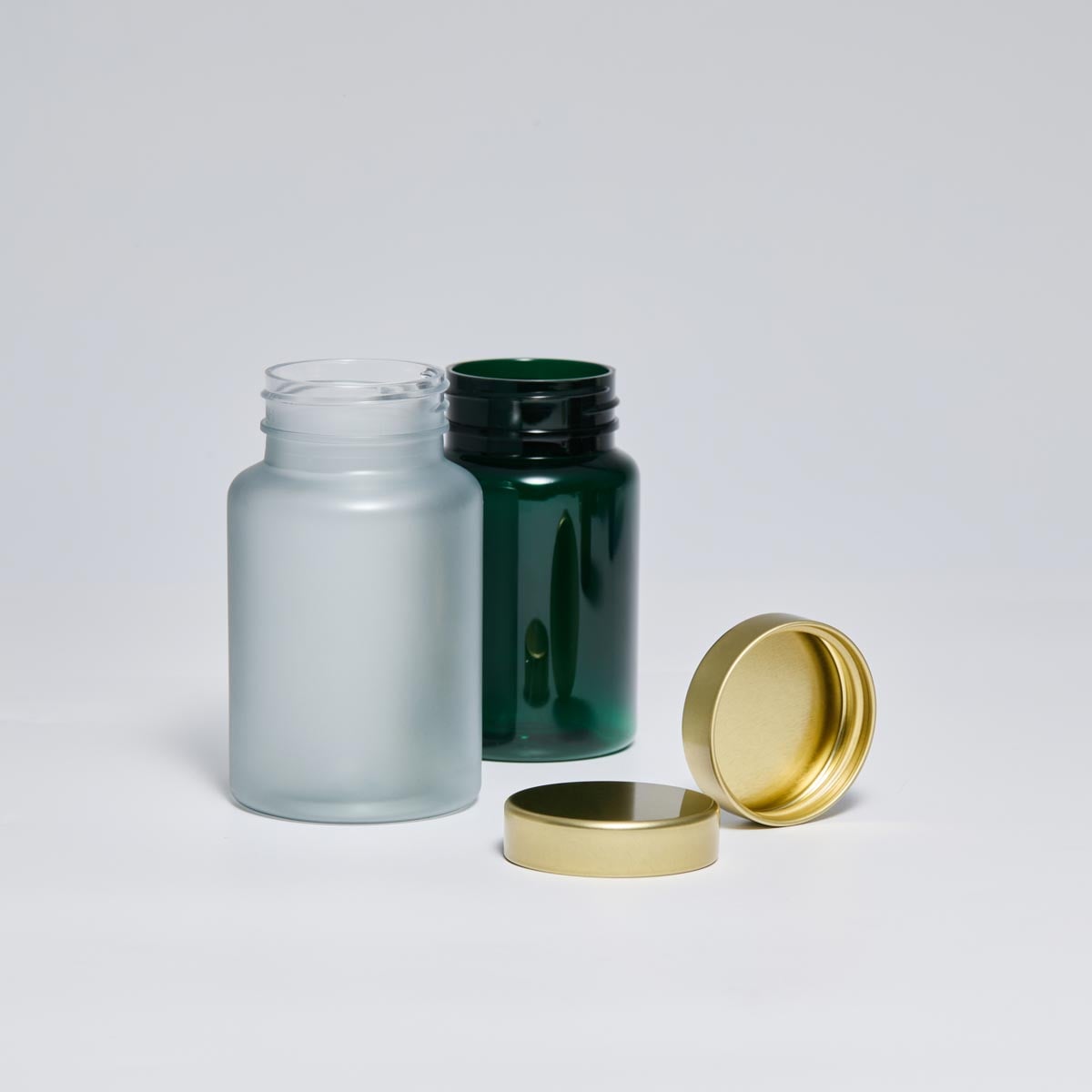
To ensure that every partner experiences this 'Zero-Leaking' smooth operation from day one, Uniseel Technology has implemented a mandatory Target Bottle Calibration Protocol. We now require all new clients to ship 2-4 empty target bottle samples to our facility at Shengxiang Industrial Park. Why is this necessary? Our proprietary automated stamping molds (Patent No. ZL 2023 2 3287198.X) allow us to control our internal production tolerance to within ±0.1mm. By testing your actual bottles, we can micro-adjust the cap thread profile to perfectly match your container's specific dimensions, eliminating the risk of torque failure before the first unit ever leaves our factory.
5. Why ±0.1mm is the New Gold Standard for Automated Lines
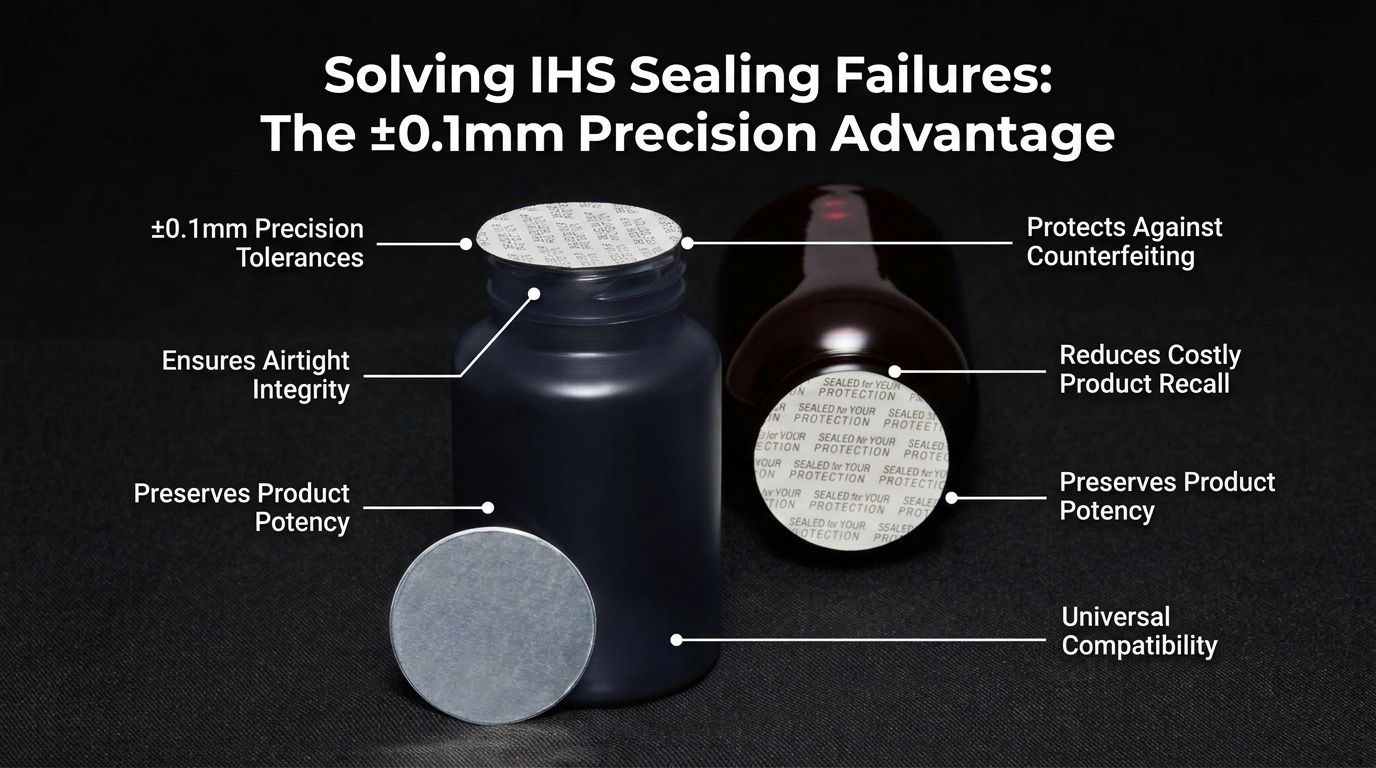
In large-scale manufacturing, even a 0.05mm deviation can cause a line to jam or a seal to fail. By enforcing a ±0.1mm precision standard—supported by our ISO 9001:2015 quality management system—Uniseel provides pharmaceutical and cosmetic brands with three distinct advantages: • 100% Sealing Integrity: Perfect compression of IHS and PS liners for maximum shelf-life. • Optimal Capping Speed: Reduced friction and torque variability allow for higher line speeds. • Supply Chain Predictability: Verified technical data (SGS & Patents) reduces the need for expensive trial-and-error troubleshooting.
Technical FAQ: Sealing Precision & Tolerance Control
Q1: Why did my IHS liners fail to bond during the initial test?
A: The most common cause is the 'Tolerance Trap.' If the bottle neck dimensions and the cap's internal thread profile have too much variance (common in ±0.5mm industry standards), the capping torque may not apply even pressure to the liner. This results in poor induction activation. Uniseel solves this through ±0.1mm precision engineering.
Q2: Why does Uniseel require 2-4 target bottles for sampling?
A: By analyzing your actual production bottles, our engineers can calibrate our precision stamping molds (Patent ZL 2023 2 3287198.X) to ensure a perfect mechanical fit. This eliminates guesswork and ensures that our caps and liners perform flawlessly on your specific automated production line.
Q3: Is Uniseel’s ±0.1mm tolerance verified by external audits?
A: Yes. Our precision manufacturing is backed by our ISO 9001:2015 certification and verified under the TUV Rheinland Audit Report (No. MIC-ASI263162). This transparency ensures that procurement teams are sourcing from a facility capable of high-precision industrial output.
Q4: Are the liners used in the tests compliant with EU food-safety laws?
A: Absolutely. All IHS and PS liners provided by Uniseel are verified under SGS EU Food Contact Material (FCM) reports, such as TAOPC26004587601, ensuring full compliance with Regulation (EC) No 1935/2004.
Hangzhou Uniseel Technology Co., Ltd. | Professional Sealing Solutions
Official Site: www.uniseel.com | Technical Support: info@uniseel.com