 EN
EN

The integrity of packaged products depends heavily on effective sealing mechanisms that both preserve contents and prevent unauthorized tampering. An ihs liner serves as the foundation for this critical function, combining advanced materials and heat-seal technology to create barriers that are both reliable and visibly tamper-evident. Understanding why an ihs liner is essential helps manufacturers, distributors, and regulatory teams appreciate how induction heat sealing protects consumer safety, brand reputation, and regulatory compliance across multiple industries.

An ihs liner operates by bonding directly to the inner surface of a container cap or lid through induction heating. When a customer first opens a sealed product, the induction seal breaks visibly, creating an immediate, unmistakable sign of tampering. This design prevents counterfeit products from entering supply chains, protects pharmaceutical and food industries from liability, and ensures consumers receive authentic, uncontaminated goods. The technology behind an ihs liner makes it indispensable for anyone responsible for product safety and brand protection.
How IHS Liner Creates Visible Tamper Evidence
The Physical Seal Mechanism
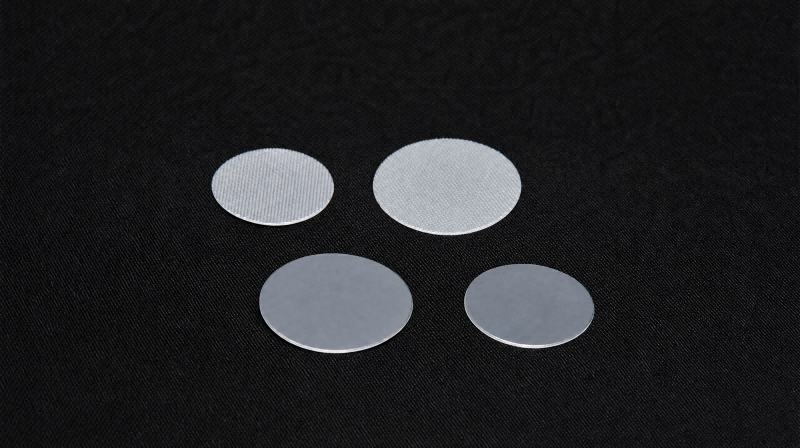
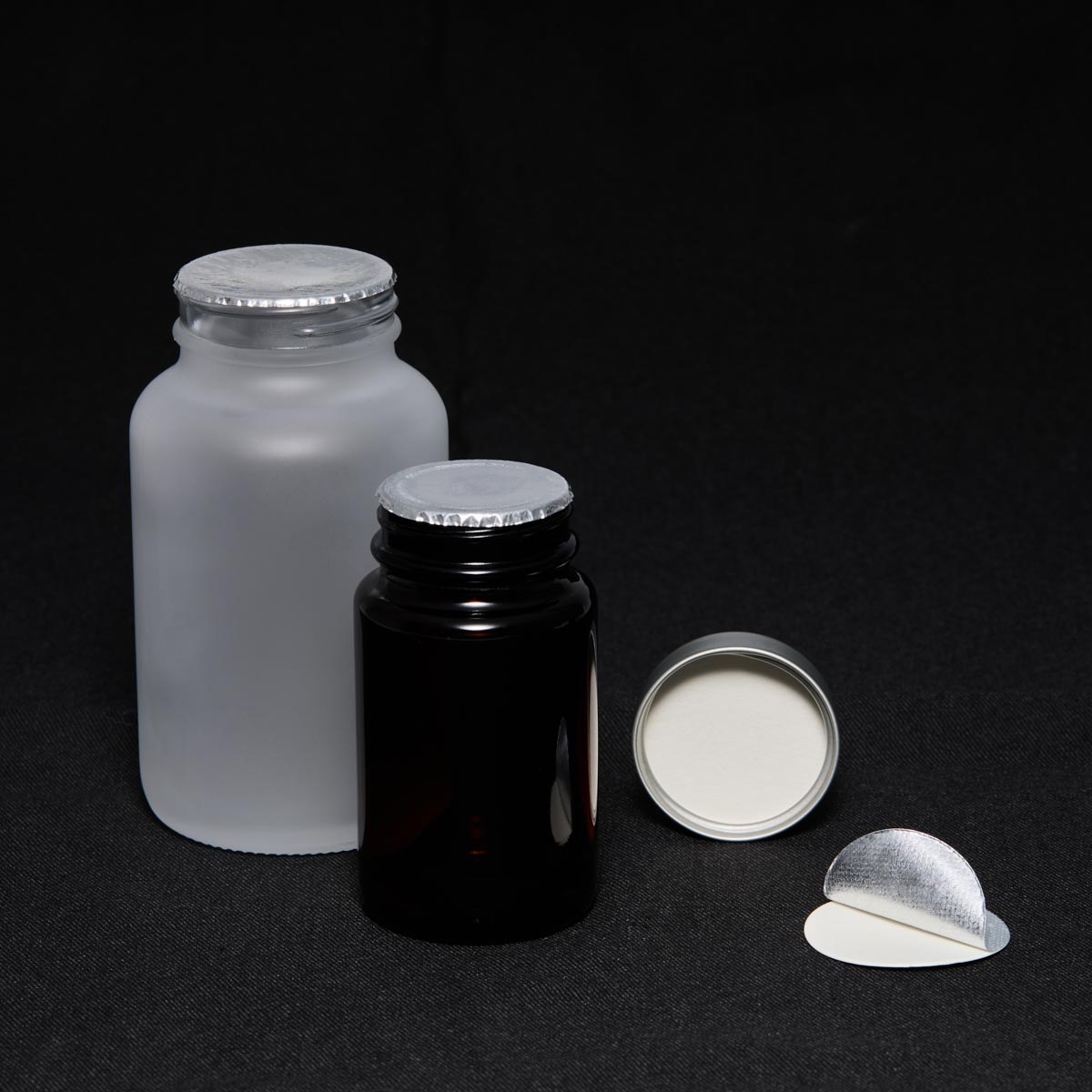
An ihs liner typically consists of a multi-layer construction including aluminum foil and heat-seal compound. During the induction sealing process, an electromagnetic field heats the aluminum layer, melting the adhesive layer beneath it and bonding it permanently to the container opening. This creates an airtight, puncture-resistant barrier. When someone attempts to remove or tamper with the seal, the ihs liner material either tears, peels, or leaves visible residue on the cap, making interference immediately apparent to subsequent handlers or consumers.
Visual Indicators and Consumer Recognition
The tamper-evident properties of an ihs liner extend beyond simple breakage. Many formulations include color-coded materials or foil that leaves distinctive markings on the inside of the cap when properly removed for the first time. This visual confirmation reinforces consumer confidence that the product has been untouched. An ihs liner design can incorporate branding elements, safety warnings, or batch codes directly into the seal material, adding an extra layer of authenticity verification. These features make an ihs liner far more effective than basic twist-off mechanisms for preventing counterfeiting and cross-contamination.
Why Industries Depend on IHS Liner Technology
Regulatory Compliance and Legal Protection
Pharmaceutical, dietary supplement, and food industries face strict regulatory requirements mandating tamper-evident packaging. An ihs liner satisfies these mandates by providing objective, third-party-verifiable evidence of tampering. Regulators in the United States, Europe, and other jurisdictions recognize induction heat sealing as a gold-standard tamper-evidence method. Companies that adopt an ihs liner reduce their legal exposure, streamline compliance audits, and demonstrate commitment to consumer safety during inspections and recalls. Without an ihs liner, manufacturers risk product seizures, fines, and supply chain disruptions.
Supply Chain Integrity and Brand Protection
Counterfeiting and product diversion cost legitimate manufacturers billions annually. An ihs liner makes counterfeiting substantially more difficult because replicating induction-sealed liners requires specialized equipment and knowledge that counterfeiters often lack. Distributors and retailers can visually inspect products at receiving to confirm authenticity before stocking shelves. An ihs liner also protects against gray-market resale of expired or diverted stock, since parallel importers cannot easily replicate the sealing quality of legitimate manufacturers. This protection extends brand reputation and customer loyalty by ensuring that only genuine, properly stored products reach end users.
Key Technical Advantages of IHS Liner Systems
Durability and Environmental Protection
An ihs liner provides superior moisture, oxygen, and contamination barriers compared to traditional snap caps or foam liners. The induction heat sealing process creates a molecular-level bond that degrades far more slowly than pressure-sensitive adhesives. Products sealed with an ihs liner maintain stability and shelf life even in humid climates, during temperature fluctuations, or under rough transport conditions. This durability reduces waste, minimizes customer complaints, and allows manufacturers to extend expiration dates compared to products using inferior sealing methods. An ihs liner also resists perforation from minor impacts that might compromise weaker seals.
Compatibility and Application Flexibility
An ihs liner can be engineered for use with various container materials including polyethylene terephthalate (PET), polypropylene (PP), and polystyrene (PS). Different cap designs, closure mechanisms, and container sizes can incorporate an ihs liner through customized specifications. Manufacturers benefit from induction sealing's rapid cycle time, which typically requires only 1 to 3 seconds per seal, making high-speed production lines economically viable. An ihs liner integrates seamlessly into existing filling and capping equipment with minimal retrofitting, allowing manufacturers to upgrade tamper-evidence capabilities without major capital investment or production interruptions.
FAQ
What exactly is an ihs liner and how does it differ from other sealing methods?
An ihs liner is a specialized multi-layer material bonded to container caps through induction heating, creating a tamper-evident seal that breaks visibly when first opened. Unlike pressure-sensitive stickers or foam liners, an ihs liner creates a molecular bond through electromagnetic heating, offering superior strength, longevity, and unmistakable evidence of tampering. This technology provides objective proof of package integrity that other sealing methods cannot match.
Is an ihs liner suitable for all types of products and containers?
An ihs liner works best with rigid or semi-rigid containers made from PET, PP, PS, and similar thermoplastic materials commonly used in pharmaceuticals, nutraceuticals, food, and personal care products. While customization options exist, an ihs liner is less practical for flexible pouches or metal containers that require different sealing approaches. Consulting with packaging specialists ensures that an ihs liner specification aligns with your specific product, container type, and production requirements.
What are the cost implications of adopting an ihs liner for my manufacturing operation?
Initial investment in induction sealing equipment and tooling for an ihs liner varies based on production volume and equipment sophistication. However, long-term benefits including reduced product loss from counterfeiting, lower recall risk, extended shelf life, and improved regulatory standing often justify the investment within 12 to 24 months. Volume pricing for an ihs liner materials decreases significantly at higher production quantities, making the technology increasingly cost-effective for mid-to-large manufacturers.