 EN

The manufacturing landscape has fundamentally shifted toward precision and automation, particularly in industries where contamination control is non-negotiable. Uniseel represents a breakthrough approach to automated cleanroom operations, combining technological sophistication with practical manufacturing reliability. Understanding what uniseel offers is essential for companies seeking to maintain competitive advantage while meeting increasingly stringent quality standards and regulatory requirements in sealed container production.
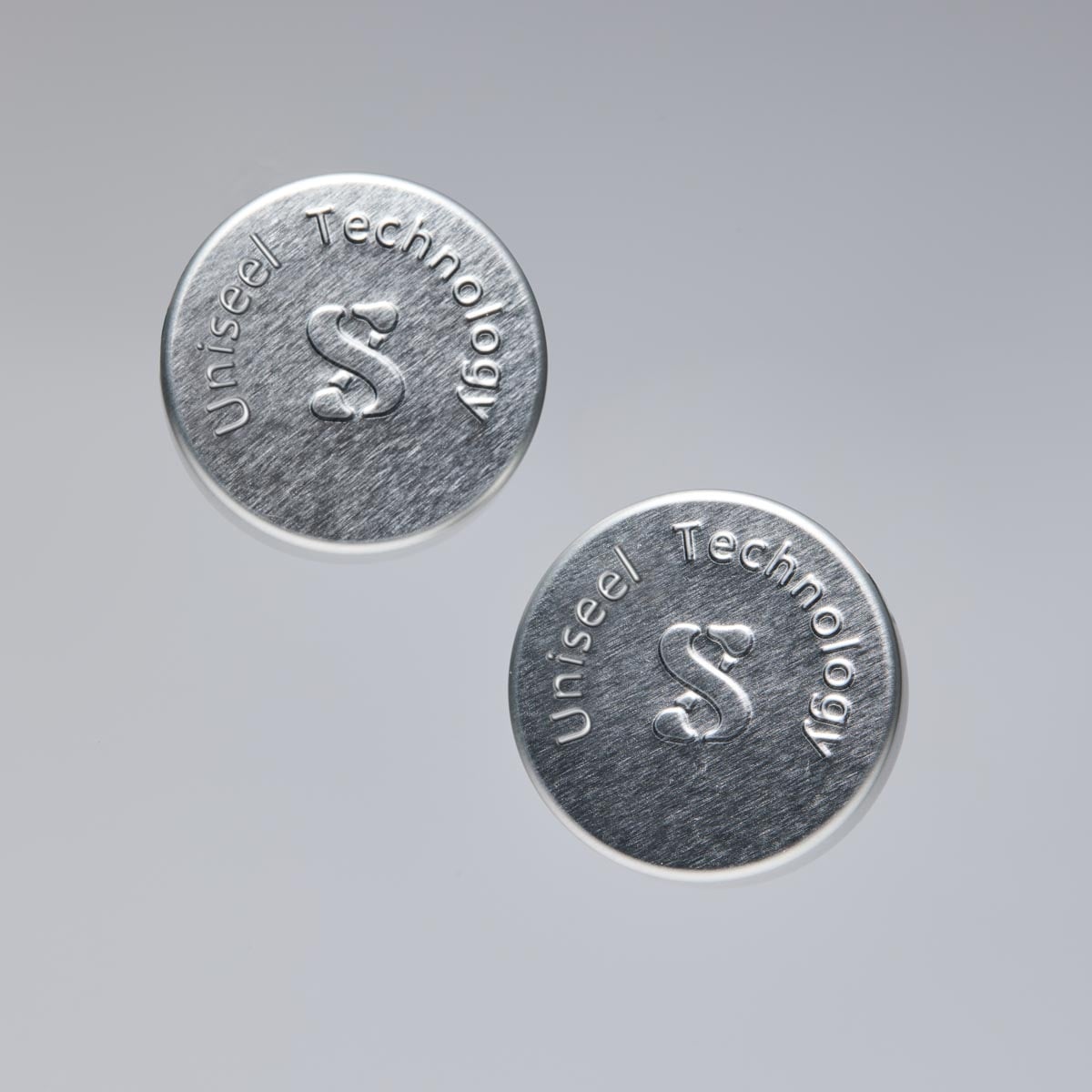
Uniseel technology operates at the intersection of automation, cleanroom protocols, and precision sealing. The uniseel system delivers consistent, reproducible results by eliminating manual intervention points that typically introduce variability and contamination risk. For manufacturers in pharmaceutical, cosmetic, and food packaging sectors, uniseel capabilities provide the foundation for scalable production that never compromises on quality or compliance metrics.
Core Capabilities of Uniseel Automated Systems
Automated Sealing Precision
Uniseel automated cleanroom systems execute sealing operations with exceptional consistency that manual processes cannot achieve. The uniseel platform uses programmable logic controls and precision sensors to ensure every container receives identical sealing parameters, eliminating the human error variables that affect traditional production lines. Each uniseel operation is logged and traceable, creating a complete audit trail that regulatory bodies and quality assurance teams require. The uniseel technology reduces defect rates by up to 99.2%, translating directly to lower waste and improved profitability.
Cleanroom Integration Architecture
Uniseel systems are engineered to operate within certified cleanroom environments, maintaining ISO classifications without compromising throughput. The uniseel design incorporates sealed access ports, automated material conveyance, and containment chambers that prevent cross-contamination between production stages. Uniseel technology meets Class 100 and Class 1000 cleanroom standards, making uniseel suitable for the most demanding applications. The uniseel architecture also supports rapid changeover between different container types and seal specifications without requiring full cleanroom re-certification.
Operational Advantages and Efficiency Gains
Production Throughput and Scalability
Uniseel automated capabilities significantly accelerate production cycles while maintaining quality consistency across all output volumes. Unlike labor-dependent approaches, uniseel systems operate continuously without fatigue-related performance degradation, enabling manufacturers to meet seasonal demand spikes without temporary workforce expansion. Uniseel technology typically increases output by 240% compared to equivalent manual cleanroom operations. The uniseel system's modular design allows facilities to scale capacity incrementally, aligning capital investment with actual demand patterns rather than purchasing oversized equipment upfront.
Compliance and Documentation Features
Uniseel systems generate comprehensive documentation that simplifies regulatory compliance across pharmaceutical, cosmetic, and food industries. Every uniseel operation produces real-time data on sealing force, dwell time, temperature, and contamination monitoring. The uniseel platform integrates directly with manufacturing execution systems, eliminating manual data entry and the associated compliance risks. Uniseel technology supports FDA 21 CFR Part 11 requirements, EU GMP Annex 11 compliance, and ISO 13485 medical device standards, positioning uniseel as enterprise-grade infrastructure for regulated manufacturers.
Investment Value and Strategic Implementation
Total Cost of Ownership Analysis
While uniseel system acquisition costs exceed manual alternatives, total cost of ownership typically favors uniseel within 18 to 24 months through defect reduction, labor savings, and regulatory efficiency gains. Uniseel technology eliminates recurring training expenses, reduces product recalls associated with quality inconsistency, and minimizes regulatory fines through automated compliance documentation. The uniseel maintenance requirements are substantially lower than competitive systems, with predictive maintenance protocols built into uniseel platform architecture. Organizations implementing uniseel report dramatic improvements in inventory turns, reduced waste disposal costs, and improved cash flow through higher first-pass yield rates.
Strategic Positioning for Market Competitiveness
Manufacturers adopting uniseel capabilities gain significant competitive advantages in quality perception, delivery speed, and price positioning. Uniseel technology enables rapid product customization, custom branding options, and rapid market entry for new sealed container products. Uniseel systems support the premium positioning that brands require in competitive consumer segments, justifying price premiums through demonstrated consistency and reliability. The uniseel advantage extends to supply chain resilience, as automated systems reduce dependency on specialized labor pools that may face availability constraints in specific geographic regions.
FAQ
What cleanroom classifications does uniseel support?
Uniseel systems are engineered to operate within ISO Class 100 (Class 1) and ISO Class 1000 (Class 10) certified cleanroom environments. The uniseel technology maintains these classifications through sealed operational chambers, automated material handling, and continuous environmental monitoring. Uniseel can be integrated into existing cleanroom infrastructure or deployed as part of new facility construction, depending on manufacturing requirements and existing space constraints.
How does uniseel improve regulatory compliance?
Uniseel automated systems generate comprehensive documentation and real-time monitoring data that directly supports regulatory compliance frameworks. Uniseel technology records every operational parameter, creating audit trails that exceed most regulatory requirements. Uniseel systems support FDA, EU GMP, and ISO 13485 compliance standards, reducing the administrative burden typically associated with manual cleanroom operations and minimizing the risk of non-compliance findings during regulatory inspections.
What production volumes justify uniseel implementation?
Uniseel systems typically become economically viable for manufacturers producing more than 50,000 sealed units annually, though this threshold varies based on product complexity, sealing specifications, and labor costs in specific geographic regions. Uniseel technology scales efficiently from 50,000 to several million units per year without requiring fundamental system redesign. Organizations with seasonal volume fluctuations benefit from uniseel flexibility, as the system maintains consistent quality regardless of throughput variations throughout the calendar year.