
 EN





The packaging industry faces mounting pressure to eliminate single-use plastics and embrace sustainable solutions that protect both products and the environment. Many businesses are actively searching for viable alternatives to traditional plastic closures, and unishell technology represents a significant breakthrough in this transition. A unishell closure combines durability, recyclability, and aesthetic appeal, making it an ideal choice for companies committed to sustainability without compromising product integrity or shelf presence.
Understanding what makes a unishell solution superior to plastic requires examining the material composition, production efficiency, and end-of-life environmental impact. Unlike throwaway plastic caps that accumulate in landfills for centuries, a unishell closure is engineered with tinplate metal construction that enables infinite recyclability. This fundamental difference makes unishell technology increasingly attractive to manufacturers who recognize that sustainable packaging is no longer a premium option but a business imperative aligned with consumer expectations and regulatory requirements.
Why Unishell Outperforms Plastic Closures
Environmental Benefits of Unishell Technology
A unishell closure delivers measurable environmental advantages over conventional plastic alternatives. Plastic caps leach chemicals over time and fragment into microplastics that contaminate soil and water systems. In contrast, a unishell product maintains its structural integrity indefinitely while remaining fully recyclable through established metal recycling streams. The carbon footprint of producing a unishell cap is significantly lower than manufacturing virgin plastic, especially when the closure is manufactured using recycled tinplate content. Many organizations pursuing corporate sustainability goals now prioritize unishell solutions because they align with circular economy principles and reduce overall packaging waste.
Durability and Product Protection
Beyond environmental considerations, a unishell closure offers superior protective performance. Metal construction provides a complete hermetic seal that keeps contents fresh longer than plastic alternatives, reducing product spoilage and extending shelf life. For beverages, pharmaceuticals, cosmetics, and food products, this reliability is critical. A unishell cap resists temperature fluctuations, UV exposure, and chemical interactions that often compromise plastic seals. The structural rigidity of a unishell design also prevents deformation during transport and storage, protecting brand reputation and customer satisfaction.
Unishell Features That Drive Market Adoption
Customization and Brand Expression
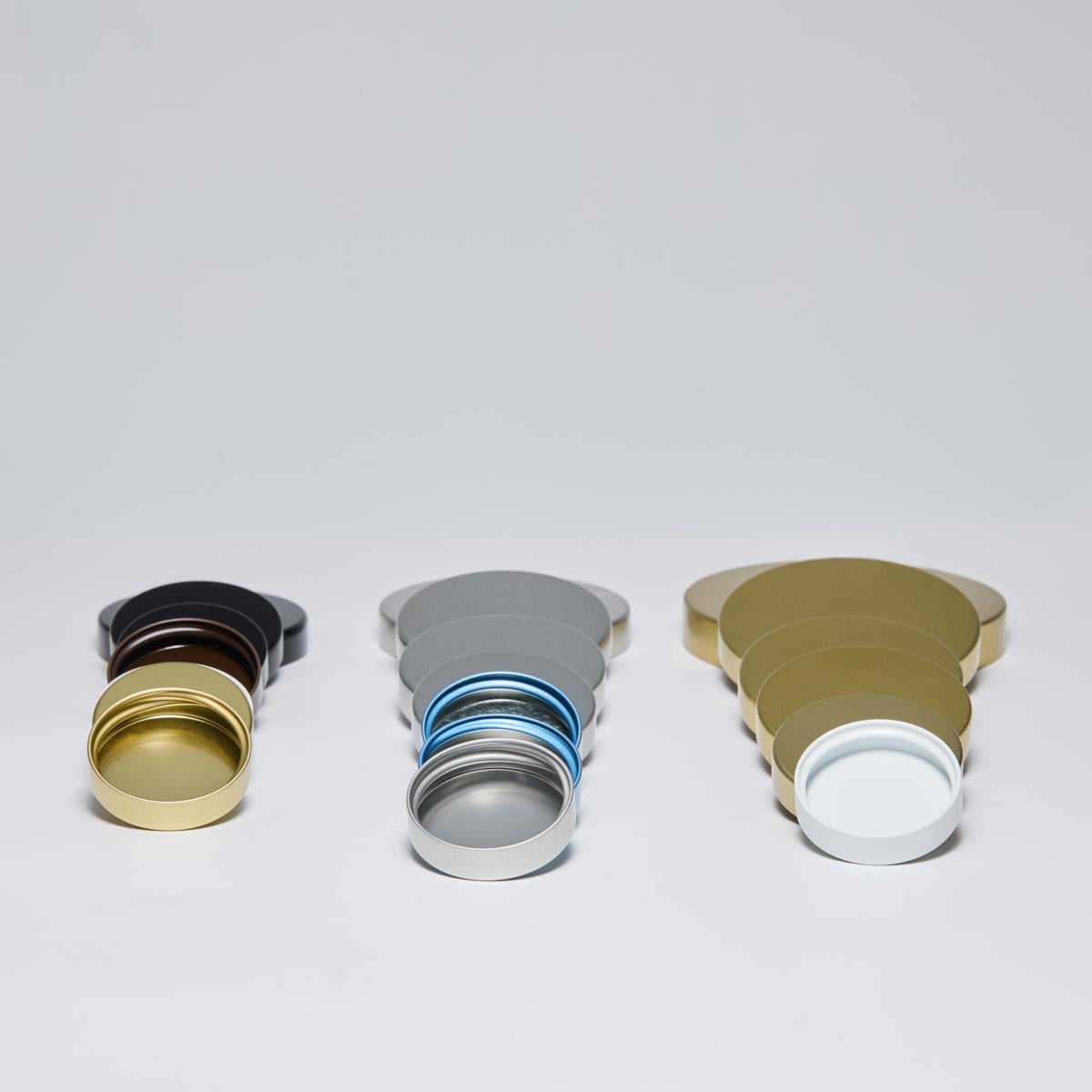
Manufacturers selecting a unishell closure gain access to extensive customization options that plastic simply cannot match. Color coating, embossing, and labeling techniques allow brands to create distinctive unishell caps that enhance shelf visibility and reinforce brand identity. A unishell product can be manufactured in virtually any color, with custom printing, metallic finishes, and textured surfaces that elevate perceived value. This aesthetic flexibility means businesses don't sacrifice brand expression when transitioning from plastic to sustainable alternatives. The premium appearance of a unishell closure often justifies modest price premiums because consumers increasingly associate metal packaging with quality and environmental responsibility.
Operational Efficiency and Scale
Modern unishell manufacturing facilities operate with high-speed automated equipment capable of producing millions of closures monthly without quality degradation. A unishell production line integrates sealing compound application, printing, and quality inspection seamlessly, reducing labor costs and minimizing defect rates. Supply chain transparency is strengthened because a unishell manufacturer can provide complete traceability from raw material sourcing through final delivery. Scalability of unishell production means small artisanal brands and large multinational companies both access consistent pricing and reliable delivery schedules, democratizing access to premium sustainable packaging.
Unishell Applications Across Industries
Food and Beverage Sector Leadership
The food and beverage industry drives the majority of unishell adoption because this sector faces intense regulatory scrutiny regarding food safety and sustainability reporting. Premium jars, specialty sauces, craft beverages, and gourmet products all benefit from a unishell closure that communicates quality while meeting strict hygiene standards. Breweries, coffee roasters, and health food companies particularly favor unishell options because metal closures enhance brand storytelling around sustainability. A unishell cap pairs perfectly with glass jars, creating a completely recyclable packaging system that resonates with environmentally conscious consumers willing to pay premium prices for aligned values.
Pharmaceutical and Personal Care Applications
Pharmaceutical and cosmetic manufacturers require closures that guarantee product integrity and regulatory compliance. A unishell solution excels in these applications because tinplate construction resists chemical degradation from active ingredients and preservatives. Vitamin bottles, skincare products, and topical medications all utilize unishell technology to prevent contamination and ensure shelf stability. Furthermore, a unishell cap supports brand positioning in the premium segment, allowing personal care companies to justify higher retail prices by emphasizing sustainable sourcing and responsible manufacturing practices alongside product efficacy.
Transitioning from Plastic to Unishell Solutions
Cost Considerations and ROI Analysis
Businesses often hesitate to switch from plastic to unishell due to perceived cost increases, but comprehensive ROI analysis frequently reveals offsetting benefits. While per-unit unishell pricing may exceed plastic initially, extended shelf life reduces product losses and waste disposal costs. Marketing advantages associated with sustainable unishell packaging often enable modest retail price increases that improve margins. Additionally, bulk ordering of unishell closures from established manufacturers typically provides volume discounts that narrow the price differential. Companies that model unishell adoption over multi-year periods often discover the total cost of ownership favors metal closures when factoring product protection, brand value, and waste management savings.
Implementation Strategy and Supply Chain Integration
Successful unishell integration requires coordination between packaging teams, procurement, and production planning. Specifications for unishell closures must match jar threads and sealing surface dimensions precisely to prevent compatibility issues. Quality assurance protocols should include hermetic seal testing and visual inspection to confirm every unishell product meets standards before deployment. Supply chain partners should provide certification documenting unishell composition and recycled content percentages to support corporate sustainability claims. Phased implementation allows companies to validate unishell performance with existing product lines before expanding adoption across the full portfolio, reducing operational risk.
FAQ
What makes unishell more sustainable than plastic?
A unishell closure is infinitely recyclable through established metal recycling infrastructure, whereas plastic degrades and fragments into microplastics contaminating ecosystems. Unishell production generates lower carbon emissions, and tinplate metal maintains structural integrity indefinitely, enabling true circular economy principles rather than linear take-make-waste models.
Can unishell closures be customized for brand differentiation?
Yes, unishell products support extensive customization including color coating, embossing, printing, and metallic finishes that plastic cannot achieve. This allows brands to create premium, distinctive packaging that reinforces market positioning while delivering sustainability messaging.
Is the cost premium for unishell closures justified?
Unishell pricing may be higher per unit initially, but comprehensive ROI analysis typically favors metal closures when accounting for extended shelf life, reduced product losses, waste disposal savings, and premium pricing opportunities. Volume purchasing further narrows cost differentials between unishell and plastic alternatives.