
 EN






Creating an embossed logo on metal closures and containers requires sophisticated industrial machinery and precise engineering. High-speed precision stamping lines represent the pinnacle of this technology, enabling manufacturers to produce consistent, high-quality embossed logo impressions across thousands of units per hour. The embossed logo process combines mechanical force, accurate tooling, and material science to transform flat metal surfaces into branded, three-dimensional markings that enhance product aesthetics and brand recognition. Understanding how these advanced stamping systems work provides valuable insight into modern packaging manufacturing and the technical capabilities required to achieve professional embossed logo results at industrial scale.
The creation of an embossed logo involves a carefully orchestrated sequence of mechanical operations that must execute with millisecond precision. High-speed precision stamping lines integrate hydraulic systems, servo-driven positioning mechanisms, and customized die tooling to achieve consistent results. Each embossed logo produced must meet strict quality standards, maintaining uniform depth, sharp edges, and accurate positioning on the metal substrate. The machinery operates at speeds that would be impossible to achieve manually, making the embossed logo process economically viable for large-scale production runs while maintaining the premium appearance that brands demand.
The Fundamental Mechanics of Embossed Logo Production
How Stamping Force Creates the Embossed Logo Shape
At the core of any high-speed stamping line is the fundamental principle of applying concentrated mechanical force to reshape metal. When creating an embossed logo, precision dies—one male and one female—are positioned above and below the metal blank. The male die, which carries the reverse image of the desired embossed logo, presses downward with tremendous force, typically measured in tons of pressure. This force compresses the metal, causing it to flow into the recesses of the female die below, creating the embossed logo impression. The amount of pressure applied directly determines the depth and clarity of the embossed logo, which is why calibration is critical in high-speed production environments.
Material Deformation and the Embossed Logo Quality
Metal responds predictably to controlled pressure, which is why manufacturers can reliably produce thousands of identical embossed logo impressions. The metal undergoes cold-forming during the stamping process, meaning the material is compressed and shaped without heating. This cold-forming approach preserves the structural integrity of the metal while creating the embossed logo design. Different metals—such as aluminum, steel, and stainless steel—respond differently to pressure, requiring customized die designs and force calibrations for each embossed logo application. High-speed precision stamping lines compensate for these material differences through adjustable pressure settings and real-time monitoring systems.
Precision Tooling and Die Engineering for Embossed Logo Quality
Custom Die Design for Consistent Embossed Logo Results
The dies used in high-speed stamping lines are precision-engineered tools manufactured to extremely tight tolerances. For an embossed logo application, the die set must be custom-designed to match the exact specifications of the logo artwork. This includes the depth of the impression, the sharpness of edges, the size of the embossed logo, and any special features like graduated depths or relief areas. The dies are typically made from hardened steel to withstand millions of stamping cycles without degradation. Quality die engineering directly determines whether the finished embossed logo will have sharp definition, consistent depth, and professional appearance across an entire production run.
Positioning and Alignment for Accurate Embossed Logo Placement
High-speed precision stamping lines employ servo-driven positioning systems to ensure each metal blank is placed exactly where it must be for the embossed logo to stamp correctly. Misalignment of even a fraction of a millimeter can result in an off-center or incomplete embossed logo. Modern stamping lines use optical sensors and automated feeding systems to position each piece with micron-level accuracy. This precision positioning is maintained continuously across thousands of cycles per hour, which is a significant engineering achievement. Without this level of accuracy, mass production of embossed logo closures would result in unacceptable quality variation and waste.
High-Speed Production Integration and Quality Control
Cycle Time Optimization in Embossed Logo Stamping
High-speed precision stamping lines are designed to maximize throughput while maintaining embossed logo quality. Typical cycle times for stamping operations range from one to several seconds per piece, depending on the complexity of the embossed logo and the material thickness. The stamping line coordinates multiple operations—feeding, positioning, stamping, and ejection—in a synchronized sequence that minimizes downtime between cycles. Operators monitor embossed logo output continuously, making micro-adjustments to pressure, timing, or position as needed. The goal is achieving the fastest possible production speed while ensuring every embossed logo meets the brand's quality standards.
Real-Time Monitoring and Defect Detection in Embossed Logo Production
Advanced stamping lines incorporate vision systems and pressure sensors that monitor each embossed logo impression in real time. If pressure drops below specification, the system alerts operators and can automatically halt production to prevent defective embossed logo pieces from entering the production stream. Vision systems can detect incomplete impressions, misalignments, or surface defects in the embossed logo before parts reach packaging. These quality control measures are essential for maintaining brand consistency and reducing costly waste. Manufacturers using high-speed precision stamping lines invest in monitoring technology because the cost is justified by the prevention of quality issues and the protection of brand reputation.
Applications and Industry Context for Embossed Logo Closures
Beverage and Food Industry Use of Embossed Logo Closures
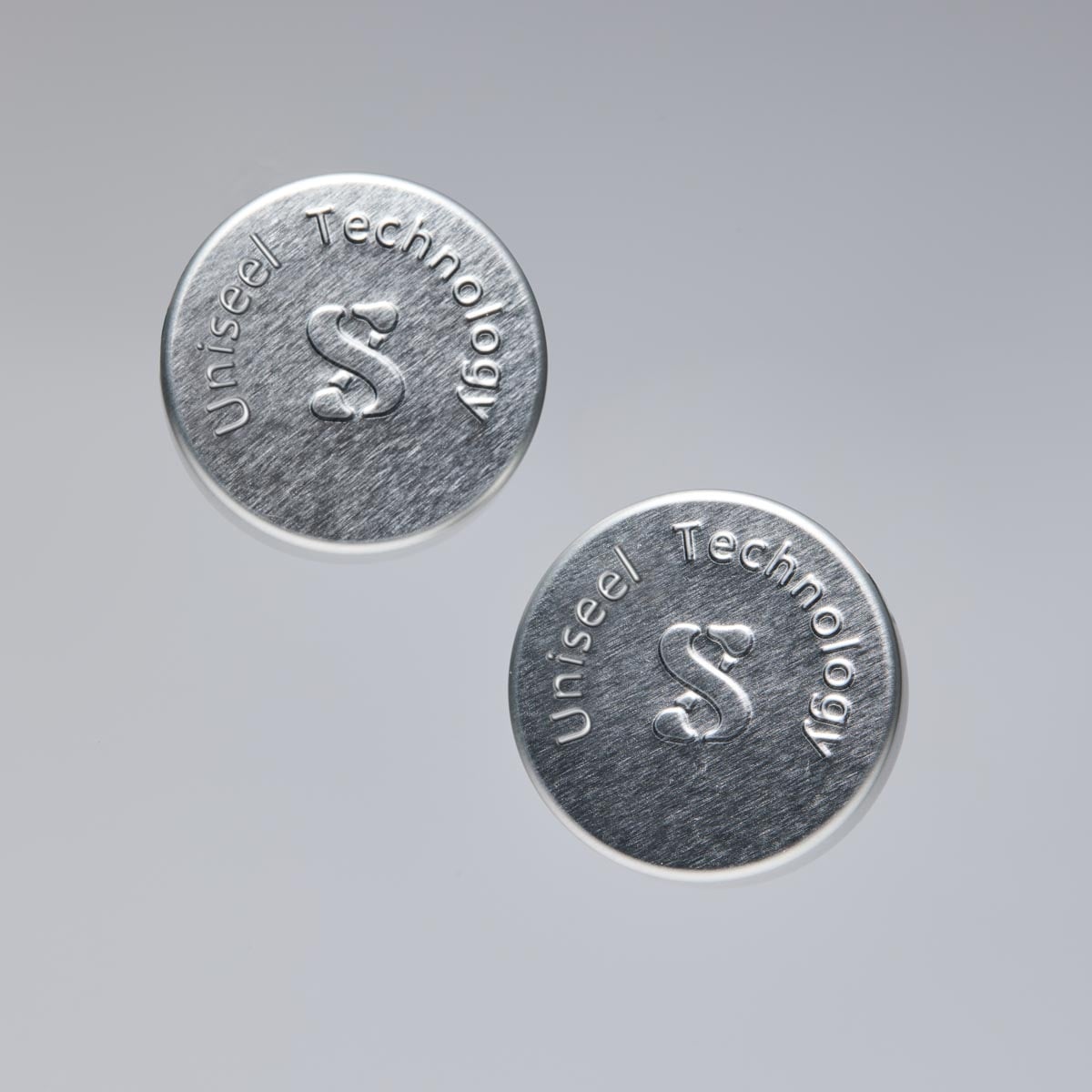
The beverage and food packaging industries rely heavily on high-speed precision stamping lines to produce branded closures featuring embossed logo designs. Metal caps for bottles, jars, and containers are stamped with logos, brand names, and decorative patterns that differentiate products on retail shelves. An embossed logo on a metal closure provides both functional and aesthetic benefits—the raised design improves grip while creating a premium tactile experience for consumers. High-speed stamping lines make it economically feasible to add custom embossed logo branding to closures for mid-volume and large-volume orders, enabling brands of all sizes to compete on packaging appearance.
Durability and Longevity of Embossed Logo Designs
Unlike printed logos that can wear, fade, or wash away, an embossed logo created through precision stamping is a permanent feature of the metal substrate. This durability is critical for products that undergo washing, handling, storage, and exposure to moisture or chemicals. The embossed logo remains crisp and identifiable throughout the product's shelf life and consumer use. This permanence makes embossed logo technology the preferred choice for premium beverage closures, cosmetic container caps, and specialty food packaging where brand durability matters.
FAQ
What metal materials are best suited for embossed logo stamping?
Aluminum and steel are the most commonly stamped metals for embossed logo applications due to their formability and cost-effectiveness. Aluminum is lightweight and produces crisp embossed logo impressions, while steel offers greater durability for heavy-use closures. Stainless steel can also be stamped for embossed logo designs but requires higher pressure and specialized dies. The choice depends on the end product's requirements, environmental exposure, and budget considerations. Each material requires calibration adjustments to the stamping line to achieve optimal embossed logo quality.
How does die wear affect the quality of embossed logo production over time?
As stamping dies are used continuously, microscopic wear occurs on the surfaces that contact the metal, potentially degrading embossed logo sharpness and depth consistency. Modern high-speed stamping lines include maintenance schedules and pressure monitoring to detect when dies need replacement or refurbishment. Manufacturers typically replace or resurface dies after millions of cycles to maintain embossed logo quality standards. Preventive maintenance extends die life and protects the visual quality of every embossed logo produced, making it a worthwhile investment for high-volume operations.
Can custom designs and complex artwork be converted into embossed logo stamps?
Yes, virtually any logo design can be converted into a custom die for embossed logo production. The design is digitally scanned, analyzed for feasibility, and then engineered into a die that considers material flow, pressure requirements, and geometric constraints. Complex artwork with fine details may require graduated die depths or surface texturing to reproduce the embossed logo accurately. Working with experienced die makers ensures that the original design intent is preserved while optimizing the embossed logo for practical stamping execution on high-speed lines.