
 EN
EN

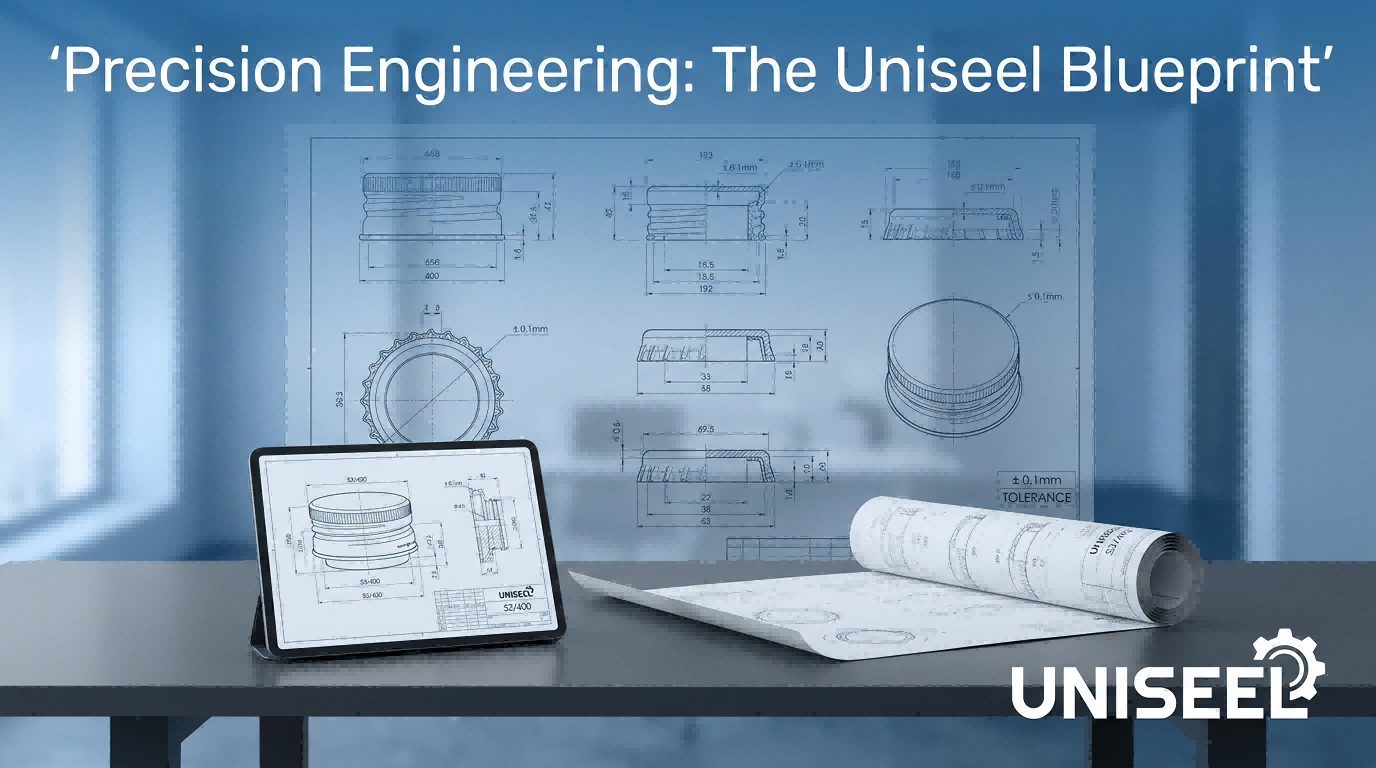
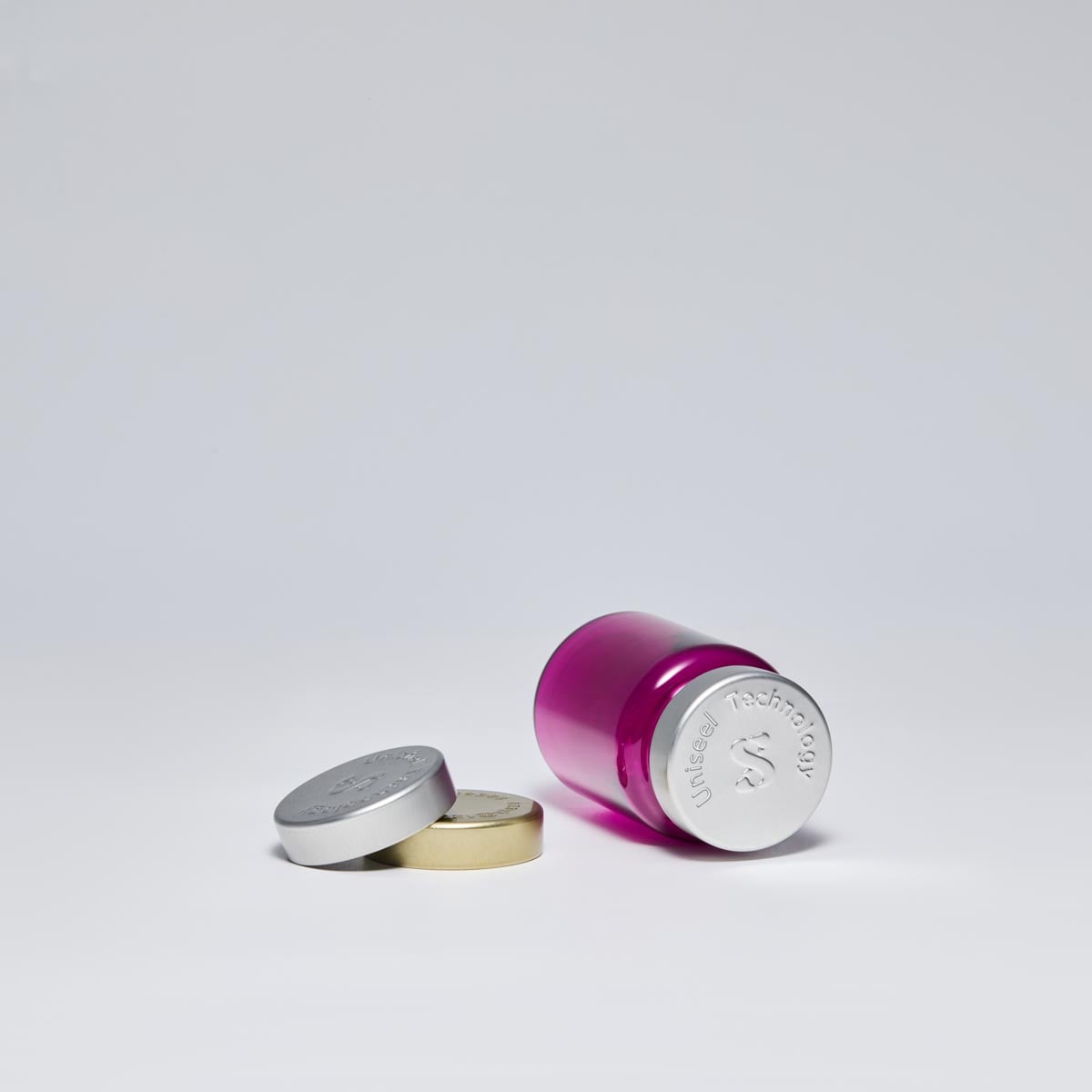
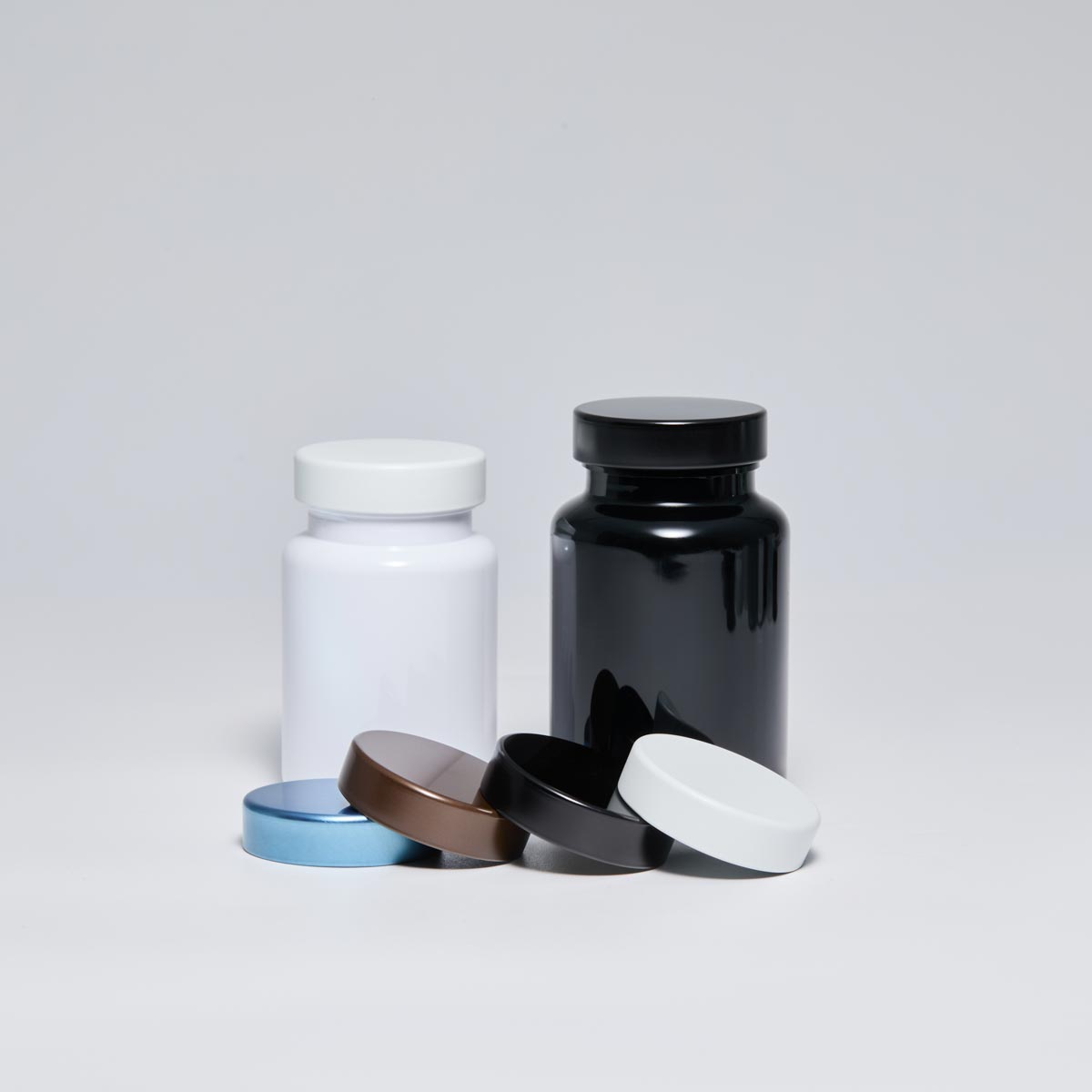
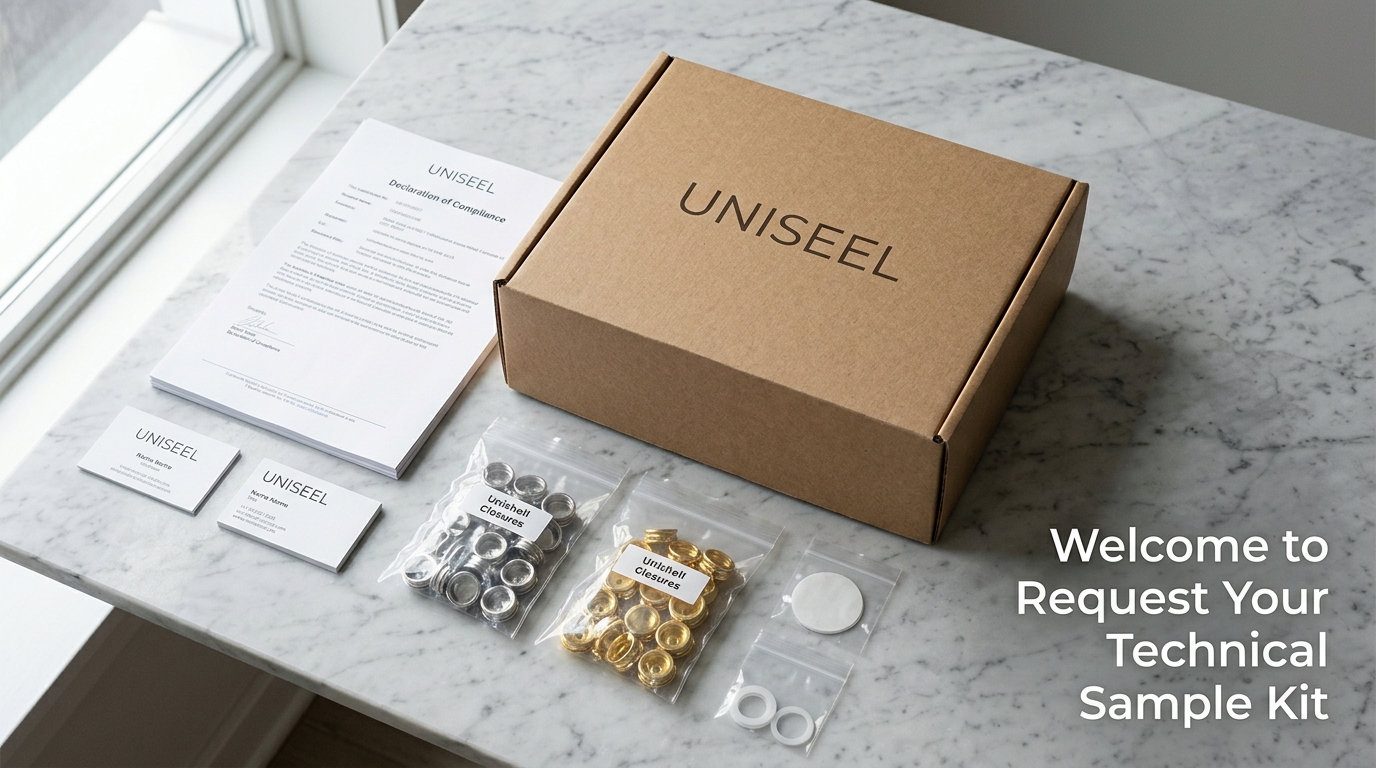

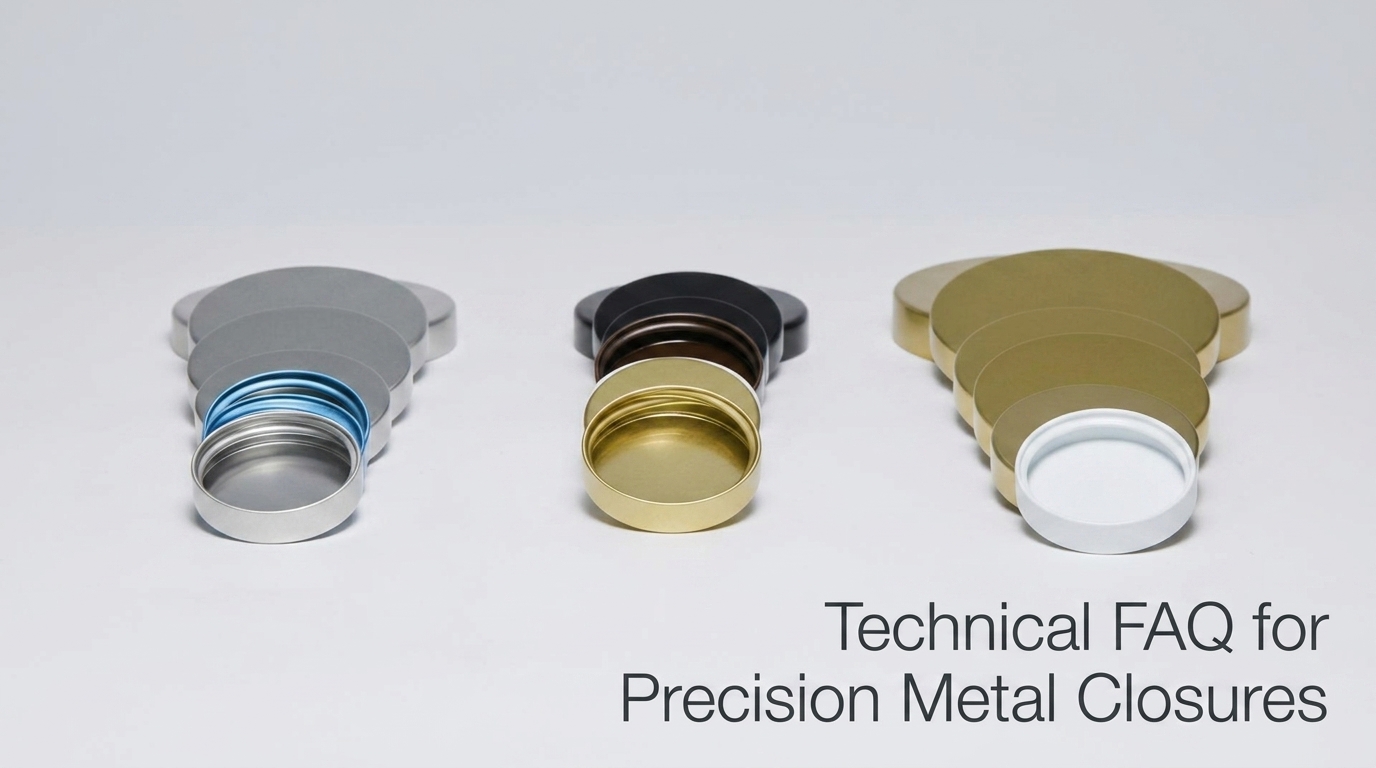
In the complex world of pharmaceutical and high-end cosmetic packaging, the difference between a successful product launch and a costly recall often comes down to a fraction of a millimeter. For procurement managers and quality assurance (QA) directors, navigating the technical nuances of metal closures, sealing liners, and regulatory compliance can be a daunting task. At Uniseel Technology, we believe that transparency is the ultimate currency of trust. This comprehensive Technical FAQ guide is designed to provide immediate, data-backed answers to the most critical questions facing our global B2B partners today. From understanding our proprietary ±0.1mm tolerance standard to decoding the chemistry of SGS verified compliance, this article serves as the definitive resource for ensuring packaging integrity on your automated production lines.
1. Engineering Precision: Why the ±0.1mm Standard Matters
Q: What is the manufacturing tolerance for Uniseel metal closures?
A: Uniseel enforces a strict internal tolerance of ±0.1mm on the inner diameter (I.D.) of our Unishell style caps. While the broad industry standard typically allows for deviations up to ±0.25mm or even ±0.50mm, our precision control is engineered to eliminate mechanical interference on high-speed automated lines. This level of accuracy is protected by our proprietary Patent ZL 2023 2 3287198.X, which governs our specialized stamping mold technology. By reducing the tolerance range, we provide a consistent mechanical 'bite' that prevents cap scratching and stripped threads.
Q: Why does Uniseel prioritize Electrolytic Tinplate (TP) over Aluminum for wide-mouth caps?
A: Material rigidity is the foundation of ovality control. Electrolytic Tinplate offers significantly higher structural integrity compared to soft aluminum. For wide-mouth closures (38mm to 89mm), tinplate resists deformation during the high-torque application required for induction heat sealing. This ensures that the cap remains perfectly circular, maintaining a uniform pressure across the entire bottle lip, which is crucial for preventing micro-leaks and oxidation of sensitive formulas.
2. Sealing Integrity: Optimizing Torque and Interface
Q: What is the recommended application torque for Uniseel caps with IHS liners?
A: For our 38/400 and 45/400 Unishell caps paired with Induction Heat Seal (IHS) liners, we recommend a precise application torque of 17 to 25 in-lb. Operating within this window ensures that the liner is compressed with enough force to create a hermetic bond during the induction process, but not so much that it deforms the plastic bottle neck or the metal thread profile. This balance is the key to achieving 100% seal success rates in cross-border logistics.
Q: How does Uniseel address sealing failures caused by container neck variation?
A: We utilize a proprietary 'Collaborative Calibration' protocol. Because glass and plastic bottles have their own inherent tolerances, a 'one-size-fits-all' cap thread is often insufficient for high-performance seals. We invite our clients to send 2 to 4 target bottles to our Hangzhou laboratory. Our technical engineers use digital profilometers to map the exact neck helix and landing finish, allowing us to micro-adjust our production tooling for your specific batch of containers.
3. Compliance & Safety: The SGS Verification Framework
Q: Are Uniseel closures compliant with US FDA and EU Food-Contact Regulations?
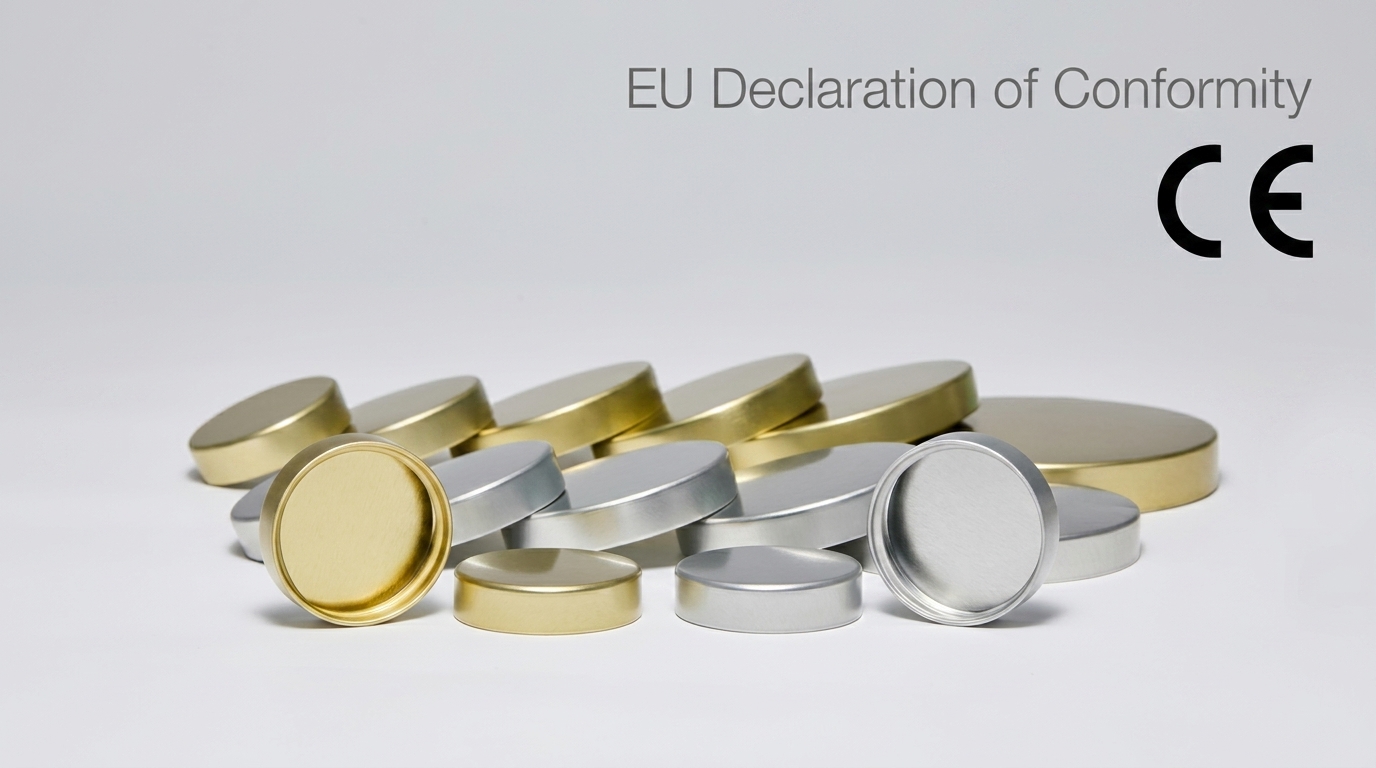
A: Yes. All Uniseel Unishell caps are SGS verified for absolute chemical safety. Our Gold and Silver finishes are tested against US FDA 21 CFR 175.300 (Report No. TAOPC26004208103), ensuring zero hazardous migration. Furthermore, our products pass the latest EU RoHS and REACH SVHC 253 screenings (Report No. CANPC26012340301), validating that our closures are free from lead, mercury, and phthalate plasticizers.
Q: What cleanroom standards are used during production?
A: Our manufacturing division, Hangzhou Lin'an Shengxiang Technology Co., Ltd., operates under a certified ISO 9001:2015 Quality Management System. Critical lining and assembly processes are conducted in an ISO Class 7 cleanroom environment. This environment is essential for the pharmaceutical and premium nutraceutical sectors, where particulate-free packaging is a non-negotiable requirement for consumer safety.
4. Strategic Sourcing: Lead Times and Logistics
Q: What is the standard lead time for mass production of customized closures?
A: Our standard production cycle is typically 25 to 35 days. This timeline includes our rigorous online vision-inspection sorting and final QA clearance. For high-volume contracts (2.4M+ units), we offer staged delivery schedules to align with your production forecast, ensuring your supply chain remains lean and responsive.
Conclusion: Precision as a Deliverable
Choosing Uniseel is about more than just buying a metal cap; it is about securing your brand's reputation through engineering mastery. By providing these technical answers, we aim to reduce the evaluation pressure for procurement teams and demonstrate our commitment to the ±0.1mm standard. Trust is built on data, and at Uniseel, our data is verified, patented, and ready to perform.
Uniseel—Unified Quality, Sealed for Safety.