
 EN
EN


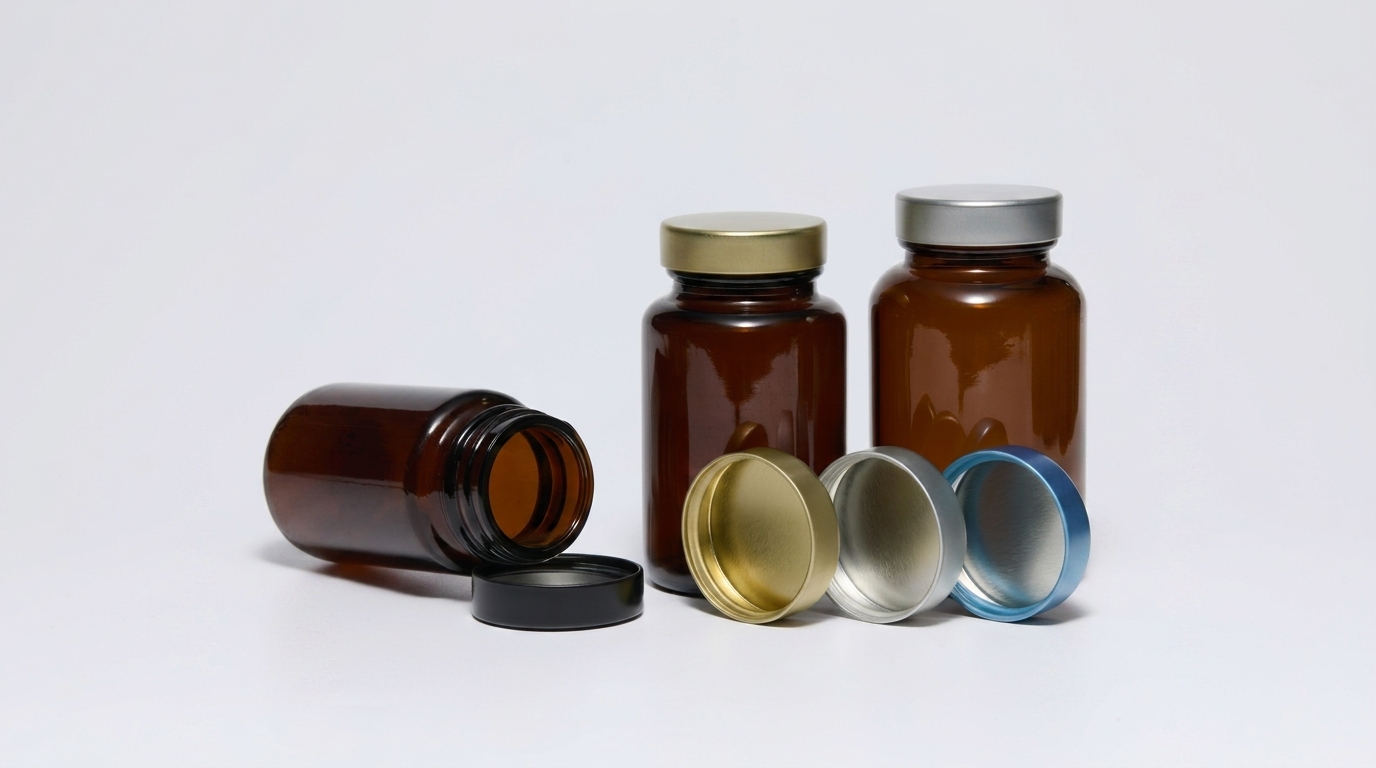
In the hyper-competitive landscape of global packaging, the bottle cap is no longer a mere functional afterthought—it is a critical engineering component that defines product safety, shelf life, and brand authority. For procurement directors and packaging engineers in the USA and European markets, the selection process involves a complex matrix of material science, mechanical precision, and aesthetic alignment. From the ubiquitous anti-slip ribbed cap to the specialized high-authority Unishell metal closure, this guide provides a deep dive into the technical landscape of modern bottle caps and explains why the Unishell architecture has become the gold standard for premium wide-mouth packaging.
1. The Universal Taxonomy of Bottle Cap Types
Modern closures are categorized primarily by their mechanical interface and application scenario. The most common type is the Ribbed Finish Cap, characterized by vertical serrations along the side wall. These ribs are designed to provide maximum friction, facilitating an easy grip for consumers even with wet hands—making them the standard for personal care, industrial chemicals, and basic nutraceuticals. In contrast, the Smooth Finish Cap offers a cleaner, more minimalist look, frequently used in the cosmetic and premium food sectors where aesthetics take precedence over tactile grip.
Beyond basic screw caps, the market utilizes specialized safety closures. Tamper-Evident Caps feature a breakaway ring that provides immediate visual proof of product integrity—a vital requirement for pharmaceuticals. Child-Resistant Closures (CRC) utilize push-and-turn mechanisms to prevent accidental ingestion by minors. While most of these general-purpose caps are injection-molded from Polypropylene (PP) or High-Density Polyethylene (HDPE), the technical requirements of the high-end skincare and medical sectors are increasingly pushing brands toward the superior mechanical properties of metal engineering.
2. The Unishell Cap: Merging Industrial Rigidity with 'Apothecary' Aesthetic
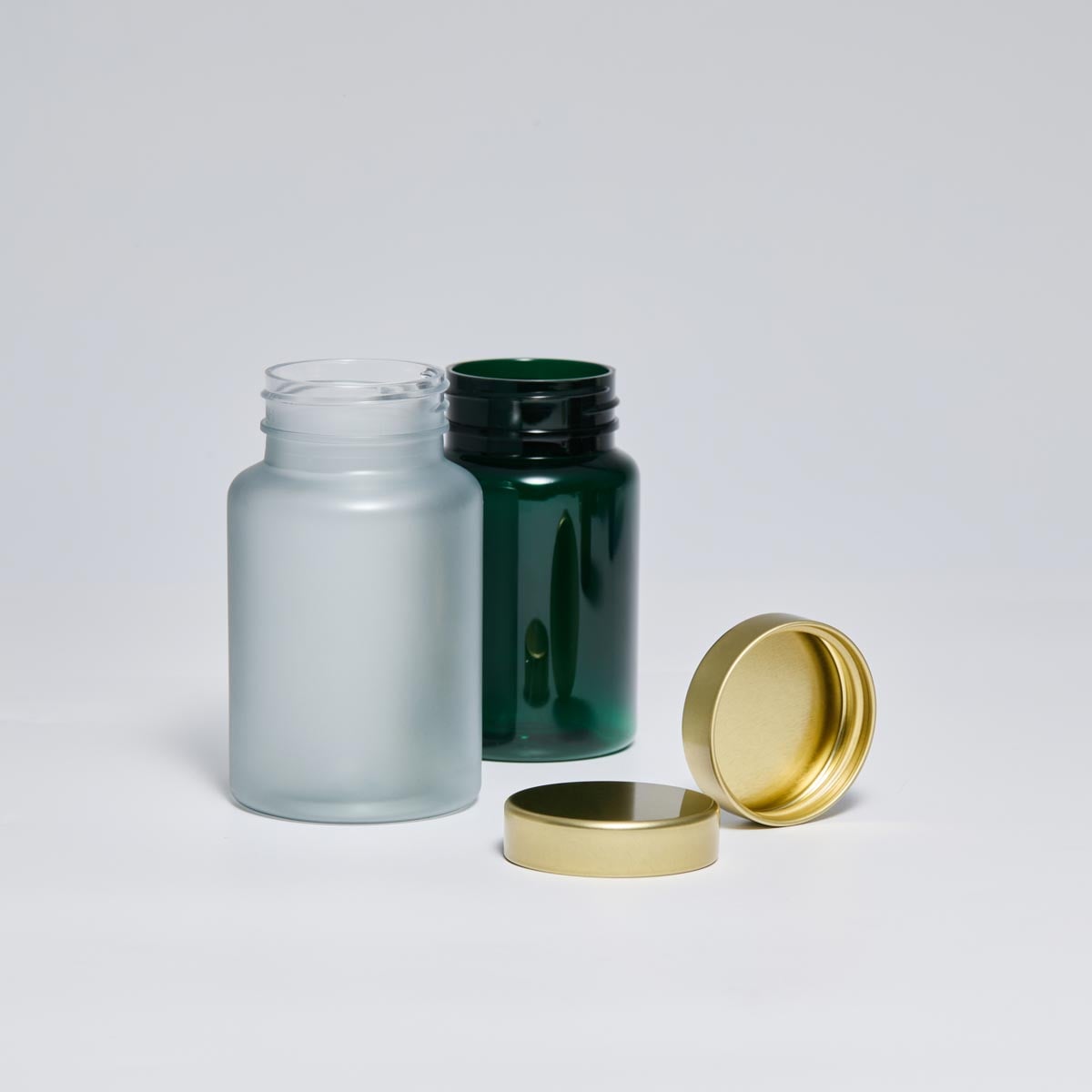
The Uniseel Unishell cap represents a significant technological leap from standard closures. Unlike traditional metal or plastic caps that expose the internal threading on the exterior wall, the Unishell architecture features a smooth, continuous, and monolithic external shell. This design achieves the iconic 'apothecary aesthetic'—a visual style that projects high authority, technical purity, and medical-grade reliability. This aesthetic has become essential for brands positioned in the 'Clean Beauty' and high-end wellness markets in the USA and Europe.
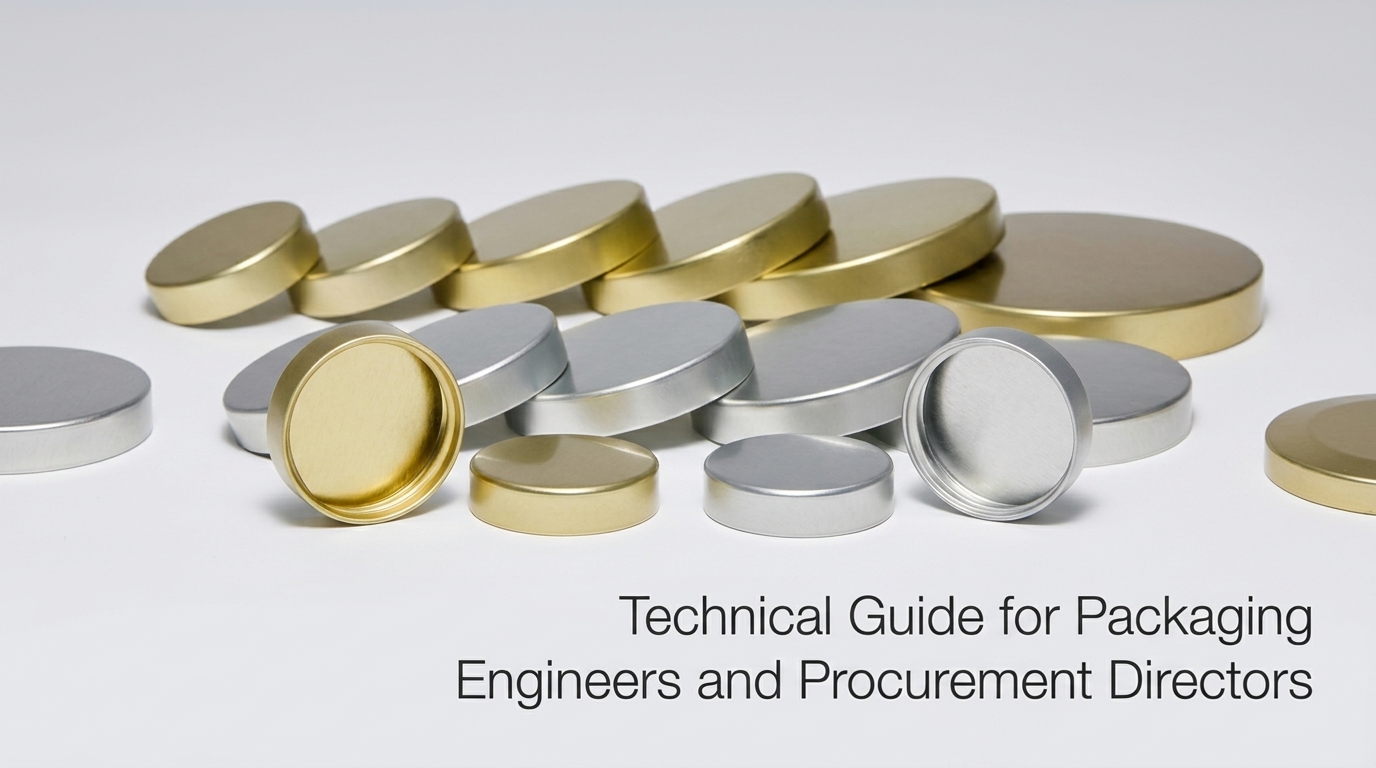
However, the Unishell advantage is primarily rooted in material science. By utilizing premium Electrolytic Tinplate (TP) instead of aluminum or plastic, Uniseel closures provide a vastly superior modulus of elasticity. This means that under the intense pressure of high-speed automated capping machines, a Uniseel cap will not deform. It maintains its structural integrity, ensuring that the seal is applied with consistent force across every single unit—a level of reliability that thin-walled alternatives cannot match.
3. Precision Engineering: The ± 0.1mm Logic
At Hangzhou Uniseel Technology Co., Ltd., we define quality through the lens of micron-level precision. While the standard market tolerance for bottle caps often hovers around ± 0.5mm, Uniseel operates on a strict manufacturing baseline of ± 0.1mm. This precision is focused on the Inner Diameter (I.D.), ensuring that the cap's threads align perfectly with the container's neck finish. Why is 0.1mm the magic number? In high-speed pharmaceutical filling lines, a variance of even 0.3mm can lead to 'cocked caps' or inconsistent torque values, resulting in costly production downtime and compromised product safety. Our precision engineering ensures that Uniseel closures are a seamless extension of your container, providing a hermetic seal that acts as a total barrier against oxygen ingress and moisture contamination.
4. Wide-Mouth Mastery and Ovality Control
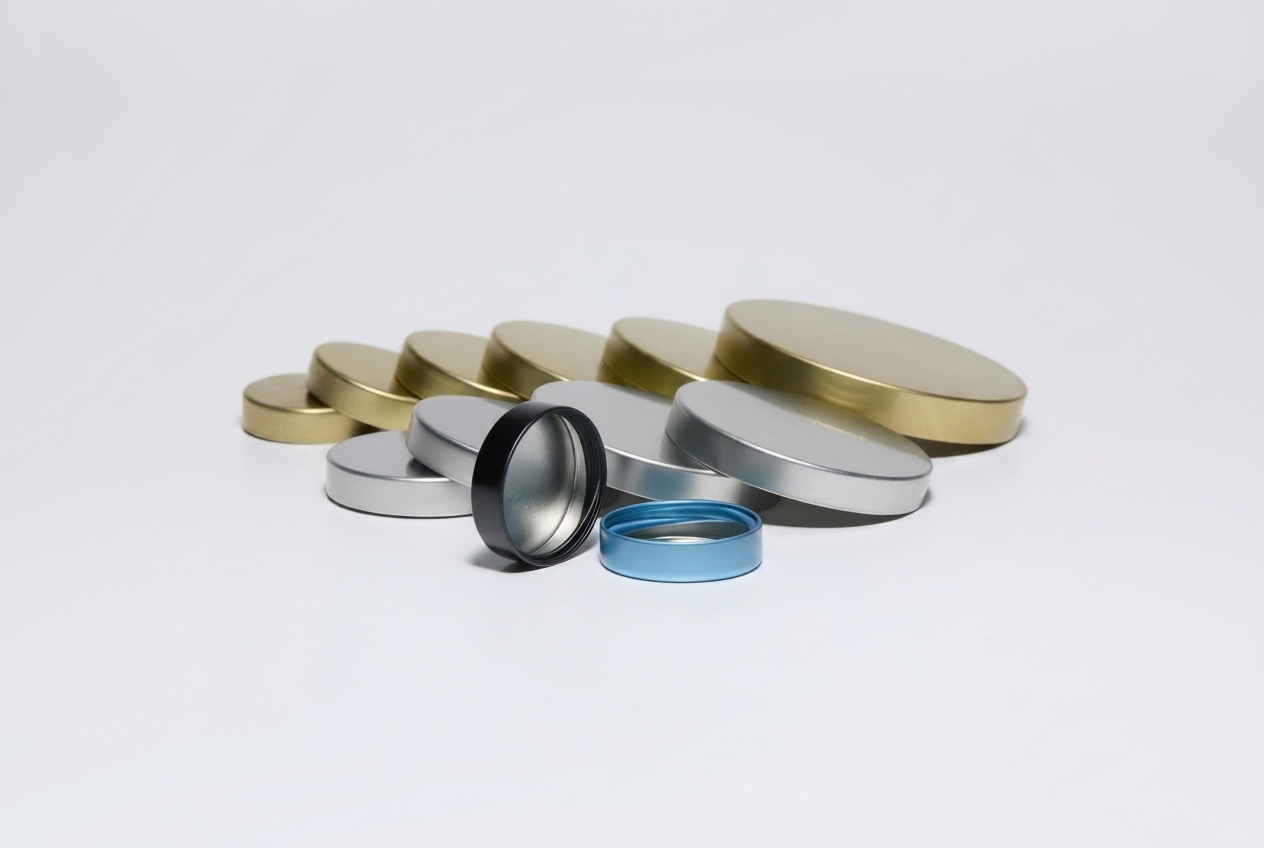
As container diameters increase—from our standard 38mm to our high-capacity 89mm series—the mechanical challenge of 'ovality' becomes prominent. Aluminum caps in these larger sizes are notoriously prone to losing their circularity during transit or the capping process. A cap that is even slightly 'oval' will not seal correctly, leading to product oxidation. Uniseel’s tinplate construction provides the rigid circularity necessary to maintain perfect 'ovality control.' Whether paired with an Induction Heat Seal (IHS) for liquid serums or a PS22 pressure-sensitive liner for nutraceutical capsules, our wide-mouth closures provide a physical and psychological sense of security for the end consumer.
5. Cleanroom Standards: The Ultimate Safety Verification
The final differentiator for Uniseel is our manufacturing environment. Unlike general-purpose plastic caps produced in standard industrial settings, all Uniseel metal closures are manufactured, lined, and quality-controlled within an ISO Class 7 (Class 10,000) Cleanroom. This ensures that every component is free from airborne particulates and microbial load—a critical requirement for products that market themselves as 'clean,' 'medical-grade,' or 'organic.' Backed by full SGS verification for FDA 21 CFR 175.300, REACH, and RoHS compliance, Uniseel provides the supply chain transparency that modern B2B partners demand.
6. Sustainability and the Circular Economy
In the modern retail landscape, the environmental footprint of packaging is a primary driver of consumer trust. Tinplate is 100% infinitely recyclable without losing its material properties, making it a cornerstone of the global circular economy. By choosing a Uniseel metal closure over a single-use plastic alternative, brands can significantly lower their carbon footprint and align their packaging with international ESG (Environmental, Social, and Governance) targets. This sustainability narrative, combined with our 250,000-unit daily capacity, makes Uniseel the strategic partner of choice for high-volume, mission-driven brands.
7. Conclusion: Investing in Brand Integrity
The choice of a bottle cap is a statement of brand values. While standard ribbed or smooth plastic caps serve general needs, the Uniseel Unishell cap is designed for those who refuse to compromise on technical precision or brand authority. Driven by our vision of 'Unified Quality, Sealed for Safety,' we provide the engineering excellence that ensures your product remains as pure and effective on the consumer's shelf as it was in the cleanroom. Elevate your packaging standard today with Uniseel.
8. Strategic FAQ: Navigating Bottle Cap Selection
Q1: What is the main structural difference between a Unishell cap and a standard screw cap?
A: Standard screw caps often show the thread profile on the external wall. A Unishell cap features a smooth, monolithic exterior shell that hides the internal threading. This design provides a premium 'apothecary' aesthetic and superior structural rigidity, essential for high-end pharmaceutical and beauty packaging.
Q2: Why is the ±0.1mm tolerance standard critical for pharmaceutical packaging?
A: Standard industry tolerances of ±0.5mm can lead to inconsistent sealing and 'cocked caps' on automated lines. Uniseel's strict ±0.1mm tolerance ensures a perfect fit between the cap and the bottle neck finish, maintaining the hermetic seal necessary to protect sensitive medical and nutraceutical formulas from oxidation.
Q3: Does Uniseel use Tinplate or Aluminum for its metal closures?
A: We prioritize Electrolytic Tinplate (TP) due to its superior modulus of elasticity and ovality control. Unlike softer aluminum, tinplate maintains its circular shape under high-torque capping, ensuring 100% sealing integrity for wide-mouth containers ranging from 38mm to 89mm.
Q4: Are Uniseel metal caps suitable for clean-label or organic brands?
A: Yes. All Uniseel closures are manufactured in an ISO Class 7 Cleanroom environment and are SGS verified for compliance with FDA 21 CFR 175.300, REACH, and RoHS standards. This ensures that the packaging meets the highest safety and purity requirements of the global market.
Q5: How does choosing metal closures impact a brand's sustainability rating?
A: Tinplate metal is 100% infinitely recyclable, unlike most plastic closures. By adopting Uniseel Unishell caps, brands can reduce their reliance on single-use plastics and align with international ESG targets and circular economy principles.
Uniseel—Unified Quality, Sealed for Safety.