 EN
EN


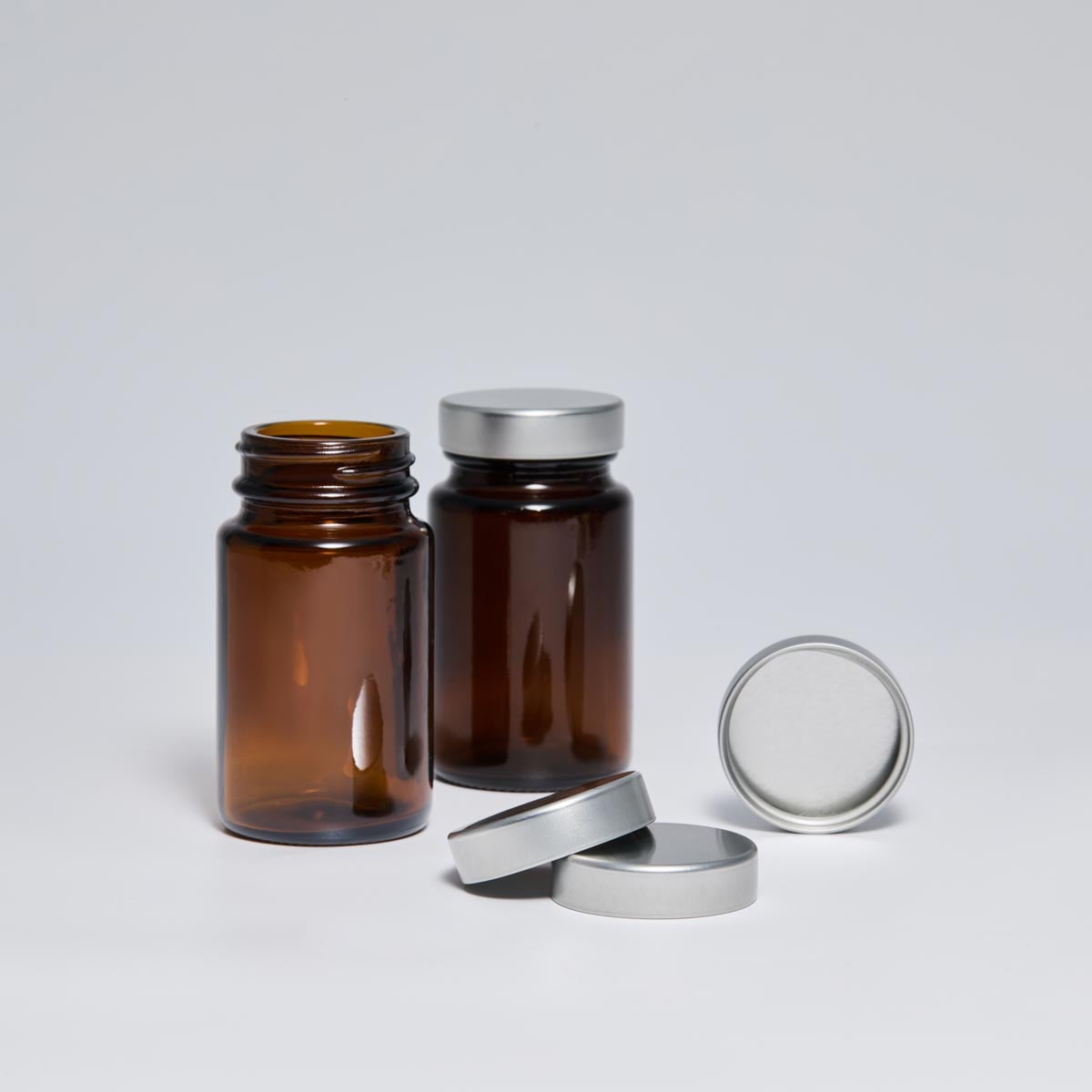
A PS liner offers one of the most practical sealing solutions available for glass container necks. Unlike heat-induction liners that require specialized equipment, a PS liner relies entirely on pressure-sensitive adhesive technology to create a firm, tamper-evident bond between the liner and the glass rim. This makes it especially attractive for businesses that need reliable sealing without investing in sealing machinery or changing their existing capping lines.
Understanding how a PS liner actually functions on a glass container neck helps businesses make better packaging decisions. Whether you are sealing amber glass vitamin jars, glass food containers, or glass pharmaceutical bottles, the working mechanism of a PS liner directly affects product freshness, tamper visibility, and customer experience. This article walks through exactly how the PS liner works, what it is made of, and what conditions are needed for it to perform correctly on glass surfaces.
The Structure of a PS Liner
What Layers Make Up a PS Liner
A PS liner is a multi-layer component typically fitted inside a cap or closure before the product reaches the consumer. The PS liner is composed of a foam or pulpboard backing layer, a pressure-sensitive adhesive layer, and a release liner or facing film. Each layer of the PS liner plays a specific role. The backing provides cushioning and helps the PS liner conform to minor surface irregularities on the glass container neck. The adhesive layer is the functional core of the PS liner, and it is what creates the actual seal when the cap is tightened.
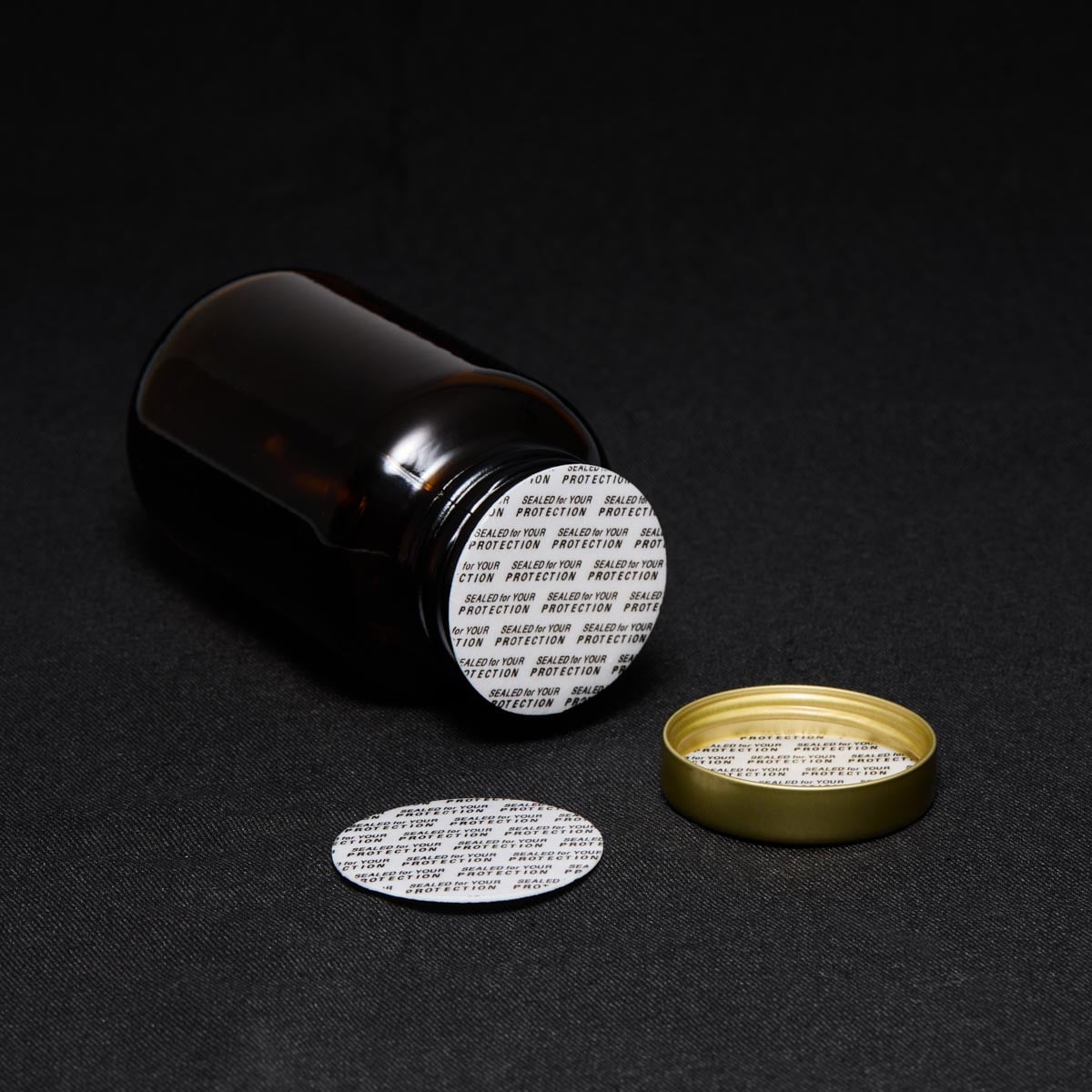
The facing film on a PS liner is designed to remain bonded to the glass rim after the consumer opens the cap for the first time. This is what gives the PS liner its tamper-evident function. When the cap is removed, the facing of the PS liner stays attached to the glass, providing a clear visual signal that the container has been opened. The layered construction of the PS liner is carefully engineered to deliver both sealing performance and tamper evidence in a single, machine-free component.
How the PS Liner Fits Inside a Cap
The PS liner is pre-inserted into the cap during the liner manufacturing or cap assembly process. The PS liner sits flat against the inside top surface of the cap, with the adhesive face oriented downward toward the container opening. When the cap is applied and torqued onto the glass container neck, the PS liner is pressed firmly against the glass rim. No heat cycle, no induction coil, and no additional activation step is required for the PS liner to begin working. The torque applied during capping is all that is needed.
The Sealing Mechanism of a PS Liner on Glass
How Pressure Activates the Bond
The PS liner works through a process called pressure-sensitive adhesion. When the cap containing the PS liner is screwed or pressed onto a glass container neck, the downward and inward force compresses the PS liner against the glass sealing surface. This compression activates the adhesive layer of the PS liner, causing it to flow slightly into the microscopic texture of the glass rim and create an intimate, conformal contact. The result is a seal that resists leakage, moisture ingress, and gas exchange without any energy input from an external source.
The PS liner does not bond permanently to the glass in the way that a heat-induction seal does. Instead, the PS liner creates a strong but peelable adhesive contact. This characteristic is intentional. It allows the PS liner to serve as a reliable freshness barrier during storage and transit while still allowing the end consumer to open the container without tools or excessive force. The balance between seal strength and openability is a carefully calibrated property of the PS liner formulation.
Glass Surface Compatibility and the PS Liner
Glass container necks present specific surface characteristics that influence how well a PS liner performs. Glass is non-porous, relatively smooth, and chemically inert, which makes it an excellent substrate for pressure-sensitive adhesion. A PS liner adheres well to glass because the adhesive can make full contact across the rim surface without being absorbed. However, the glass rim must be clean and free of oil, dust, or residue for the PS liner to achieve its rated seal performance. Any contamination on the glass surface can reduce the effective contact area of the PS liner and compromise the seal.
The flatness and finish of the glass container neck also matter. A PS liner is designed to tolerate minor dimensional variation, but extreme irregularities in the glass rim can prevent the PS liner from making consistent contact. For standard commercial glass containers, the PS liner will typically perform without issue, as glass container manufacturing tolerances are tight enough to support reliable PS liner adhesion.
Practical Benefits of Using a PS Liner on Glass
No Equipment Required for the PS Liner Seal
One of the most significant advantages of a PS liner over alternative sealing technologies is that no sealing equipment is required. A heat-induction liner requires a dedicated induction sealing machine positioned above the conveyor line. A PS liner requires nothing beyond the capping torque that is already part of any standard filling and capping operation. This makes the PS liner especially valuable for small-batch producers, artisan brands, and businesses that fill glass containers by hand or on simple capping equipment.
The PS liner also eliminates the cost and maintenance associated with induction sealing equipment. Businesses that switch to a PS liner can reduce capital expenditure and simplify their production line without sacrificing the tamper-evident protection that their products and customers require. For glass containers in the vitamin, supplement, food, and personal care markets, the PS liner provides an accessible entry point into tamper-evident packaging.
Storage and Shelf Life Considerations for the PS Liner
A PS liner retains its adhesive properties over time when stored correctly. The PS liner should be stored in a cool, dry environment away from direct sunlight and extreme temperature fluctuations. If the PS liner is exposed to high humidity or heat during storage, the adhesive layer can degrade before use, reducing the quality of the seal on the glass container. Proper storage of the PS liner ensures consistent adhesive performance across the full batch and protects the integrity of the sealed glass containers throughout their shelf life.
FAQ
Can a PS liner be used on all types of glass container necks?
A PS liner is compatible with most standard glass container neck finishes, including those used for food, beverage, pharmaceutical, and nutraceutical applications. The PS liner works best on clean, smooth glass rims with standard dimensional tolerances. Irregular or heavily textured glass neck finishes may reduce the consistency of the PS liner seal, so it is advisable to confirm compatibility with your specific glass container before full production runs.
Does a PS liner provide the same tamper evidence as a heat-induction seal?
A PS liner provides clear tamper evidence by leaving the facing film bonded to the glass rim when the cap is removed for the first time. While the visual result is similar to an induction seal, the PS liner achieves this without heat. The tamper-evident feature of the PS liner is visible and reliable, making it a practical alternative for brands that cannot or do not wish to invest in induction sealing equipment.
What torque level is recommended when applying a cap with a PS liner?
The recommended application torque for a cap containing a PS liner varies by cap size and glass container neck diameter, but the general principle is that sufficient torque must be applied to fully compress the PS liner against the glass rim. Under-torquing the cap can result in incomplete PS liner contact and a weaker seal. Over-torquing can deform the PS liner or damage the glass container neck. Following the cap and closure manufacturer's recommended torque range ensures optimal PS liner performance.