 EN


Liquid pharmaceutical products face constant threats from environmental exposure, with oxidation being one of the most damaging degradation mechanisms. An ihs liner serves as a critical barrier between the medicine and the external environment, preventing oxidative breakdown that compromises drug efficacy and safety. Understanding how an ihs liner protects liquid medicines requires examining the sealing mechanism, material science, and real-world pharmaceutical applications where this technology proves indispensable.
The pharmaceutical industry demands packaging solutions that go beyond basic containment. An ihs liner technology combines induction heating with specialized liner materials to create an airtight seal that blocks oxygen infiltration, moisture vapor transmission, and microbial contamination. This sealed environment maintains medicine stability over the intended shelf life, ensuring patients receive effective treatments without degraded active ingredients or unwanted chemical reactions.
How an IHS Liner Creates the Hermetic Seal
Induction Heat Activation Mechanism
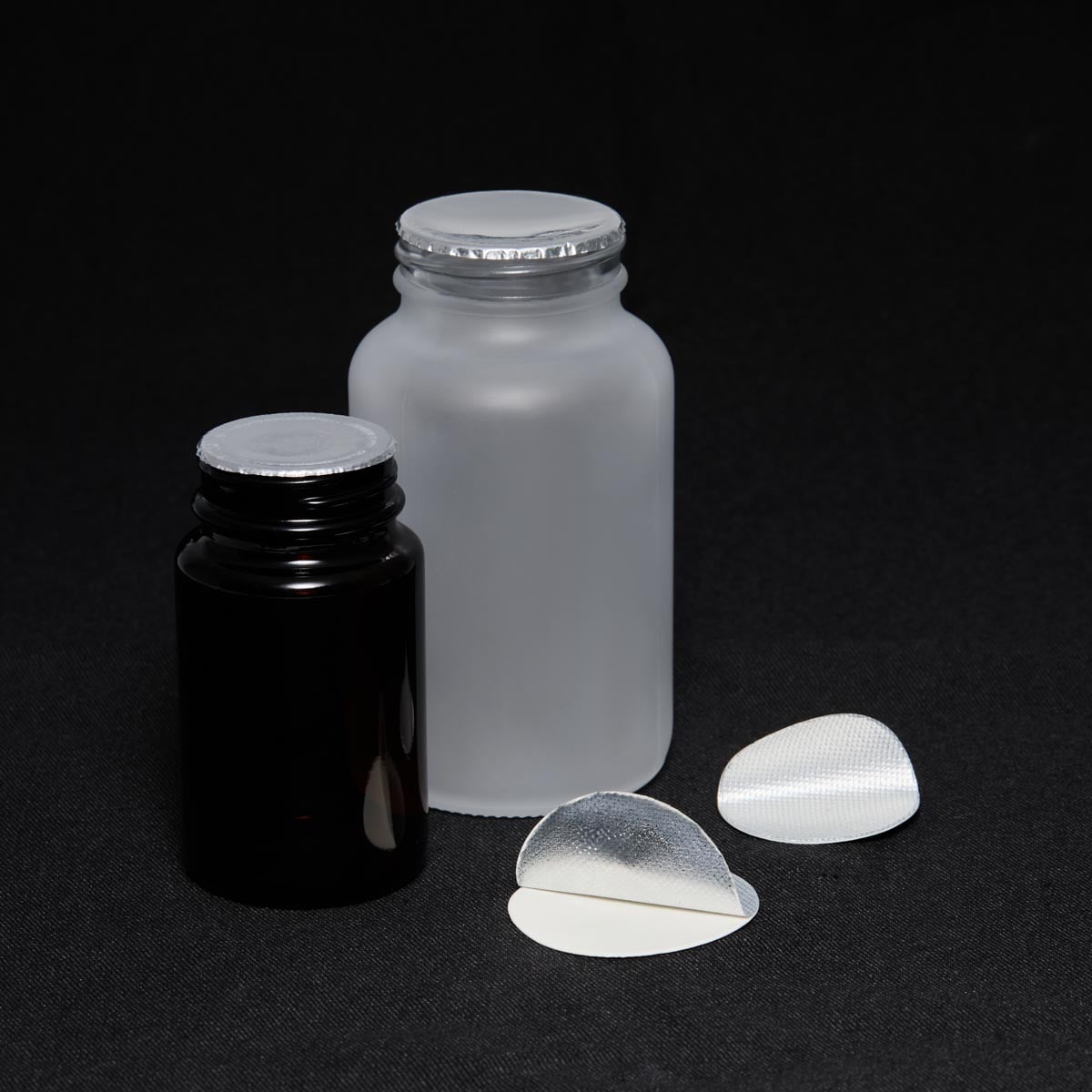
An ihs liner works through a controlled heating process triggered by induction energy. When the sealed container passes through an induction heat station, the electromagnetic field energizes a conductive coil embedded within the liner material. This heat activation melts the thermoplastic adhesive layer, causing the liner to bond permanently to the glass or plastic container rim. The resulting seal is hermetic, meaning it prevents any gas or vapor exchange between the medicine and the surrounding atmosphere.
The precision of an ihs liner activation is critical to pharmaceutical packaging integrity. The induction process heats only the liner zone without affecting the medicine inside, eliminating thermal degradation risk. The seal strength achieved through this method exceeds tamper-evident requirements and creates a continuous barrier that persists throughout the product lifecycle, from manufacturing through storage, transport, and end-user handling.
Material Composition and Barrier Properties
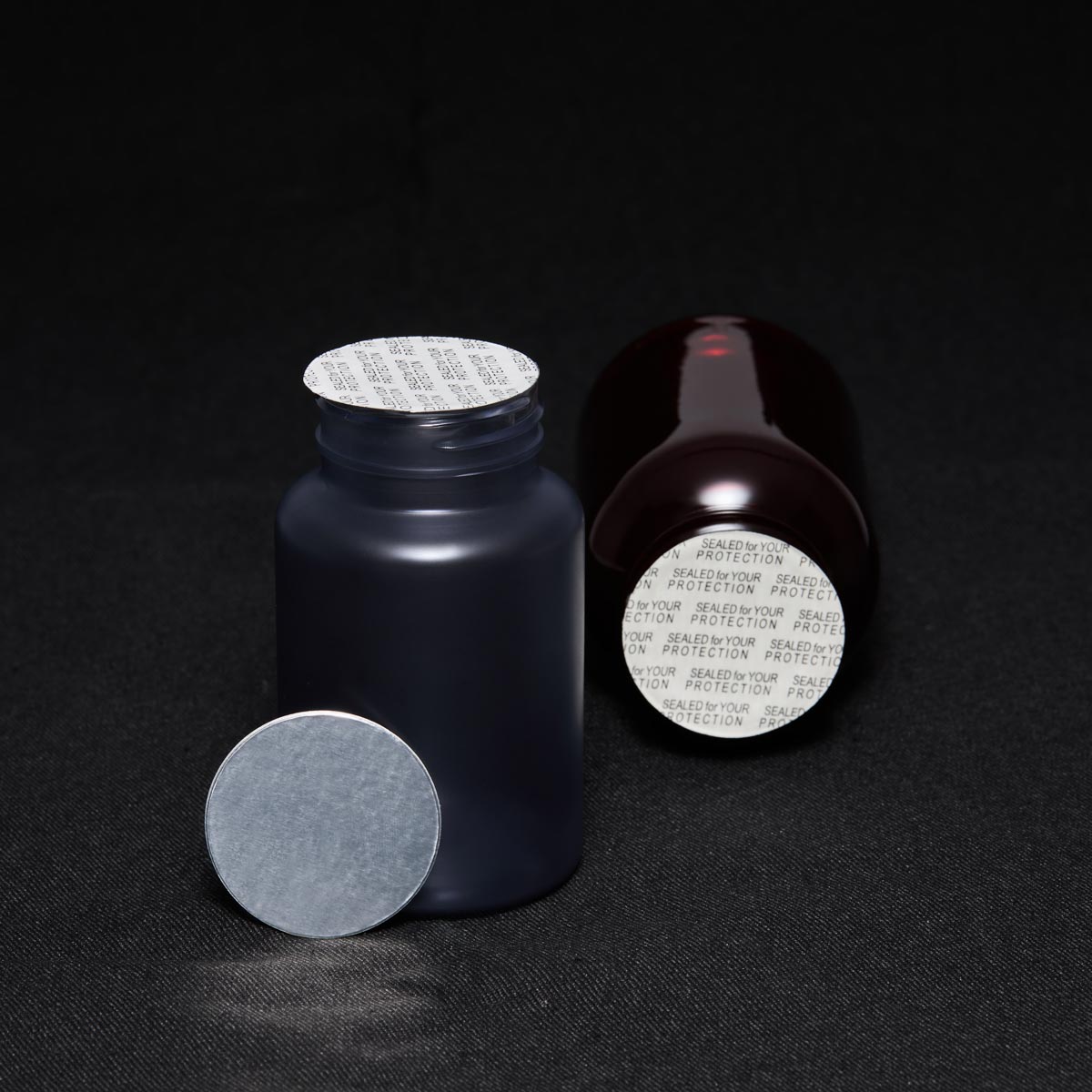
An ihs liner typically consists of multiple material layers, each serving a specific protective function. The outermost layer provides structural support and visual identification, while the middle layers incorporate aluminum foil or metallized film that acts as the primary oxygen barrier. The innermost adhesive layer bonds to the container after induction heating, creating the hermetic seal. This layered construction ensures an ihs liner delivers superior barrier performance compared to standard closures.
The aluminum component in an ihs liner is particularly effective against oxidation because aluminum has negligible oxygen permeability. Even a thin aluminum layer of 10–15 microns provides virtually complete oxygen transmission blocking. This material science advantage means medicines sealed with an ihs liner experience minimal oxidative stress, preserving potency and safety throughout shelf life, even in challenging storage conditions like elevated temperatures or fluctuating humidity.
Protection Against Oxidation and Chemical Degradation
Oxygen Barrier Function
Oxidation represents a primary degradation pathway for liquid medicines, particularly formulations containing antioxidant-sensitive components or easily oxidized pharmaceutical actives. An ihs liner prevents oxygen ingress by creating a complete seal with oxygen transmission rates near zero. This barrier function is especially important for sensitive liquid pharmaceuticals like vitamin solutions, emulsions, suspensions, and biologics that degrade rapidly when exposed to atmospheric oxygen.
The hermetic nature of an ihs liner means the oxygen already present inside the container at sealing becomes the only oxygen available to the medicine. By purging containers with nitrogen or other inert gas before applying an ihs liner, manufacturers reduce residual oxygen to parts-per-million levels. This combined approach virtually eliminates oxidation risk, maintaining pharmaceutical stability far beyond what traditional cork, plastic, or unlined closures could achieve.
Moisture and Humidity Protection
Moisture infiltration accelerates many forms of pharmaceutical degradation, including hydrolysis, microbial growth, and chemical oxidation. An ihs liner blocks moisture vapor transmission with exceptional efficiency, maintaining the internal relative humidity at sealed-state levels regardless of external conditions. This protection proves critical for liquid medicines stored in tropical climates, high-humidity facilities, or environments with extreme seasonal humidity variations.
An ihs liner's moisture barrier operates independently of temperature fluctuations because the aluminum foil layer remains impermeable across the full range of typical storage conditions. Unlike rubber or polymer closures that swell or shrink with humidity changes, potentially compromising seal integrity, an ihs liner maintains consistent barrier properties. This reliability ensures pharmaceutical stability even in challenging real-world storage scenarios where temperature and humidity cannot be precisely controlled.
Microbial and Contamination Prevention
Beyond chemical protection, an ihs liner prevents microbial contamination by creating a complete physical barrier that isolates the medicine from environmental pathogens, dust, and particulates. The tamper-evident nature of an ihs liner indicates whether the seal has been compromised, providing additional assurance of product safety. Liquid medicines, particularly injectable formulations and ophthalmic solutions, require absolute microbial protection, making an ihs liner technology essential for regulatory compliance and patient safety.
Real-World Applications and Industry Adoption
Pharmaceutical Formulation Requirements
An ihs liner finds application across diverse pharmaceutical categories where oxidation poses significant stability challenges. Injectable medications, oral liquid suspensions, ophthalmic drops, and vitamin formulations all benefit from the protection mechanisms provided by an ihs liner. Manufacturers of these products recognize that an ihs liner investment delivers measurable stability improvements, reducing stability-related failures and extending shelf life claims supported by rigorous stability testing.
Regulatory agencies including the FDA recognize an ihs liner as a validated packaging system for moisture-sensitive and oxygen-sensitive formulations. Products sealed with an ihs liner demonstrate superior performance in accelerated stability studies, showing reduced levels of oxidation byproducts and degradation markers compared to alternative packaging approaches. This regulatory recognition makes an ihs liner technology a preferred choice for manufacturers seeking to establish robust stability data and ensure compliance with stringent pharmaceutical packaging requirements.
Cost-Benefit Analysis for Manufacturers
Implementing an ihs liner requires capital investment in induction sealing equipment and supply chain adjustments, but the pharmaceutical benefits often justify the expenditure. An ihs liner extends shelf life, reduces stability-related batch failures, and improves product performance data, ultimately protecting brand reputation and revenue. Additionally, an ihs liner enables manufacturers to make stronger stability claims, potentially increasing market competitiveness for premium products where extended shelf life represents a meaningful commercial advantage.
The ihs liner cost per unit decreases substantially at higher production volumes, making the technology economically viable for both large-scale manufacturers and mid-sized pharmaceutical companies. When stability improvements are quantified in terms of extended shelf life, reduced recalls, and enhanced regulatory standing, the financial case for an ihs liner becomes compelling across the pharmaceutical industry.
FAQ
Can an ihs liner be applied to different container types?
Yes, an ihs liner technology is compatible with glass bottles, plastic containers, and hybrid formats used in pharmaceutical packaging. The induction sealing process works on any container with a compatible rim design, making an ihs liner a versatile solution across multiple packaging platforms. Manufacturers can standardize on an ihs liner across different product lines while maintaining the same quality and protection standards.
How does an ihs liner compare to traditional rubber or plastic closures?
An ihs liner provides superior oxygen and moisture barrier performance compared to traditional rubber septa or plastic caps. While rubber closures allow some oxygen and moisture permeation over time, an ihs liner creates a virtually impermeable barrier with oxygen transmission near zero. This fundamental difference makes an ihs liner the preferred choice for oxygen-sensitive pharmaceuticals where traditional closures would fail to meet stability requirements.
What stability data supports the use of an ihs liner for liquid medicines?
Extensive pharmaceutical stability studies demonstrate that products sealed with an ihs liner show significantly reduced oxidation markers, lower moisture levels, and improved microbial stability compared to alternatives. Manufacturers report measurable improvements in potency retention, reduced impurity formation, and extended shelf life claims supported by accelerated and long-term stability data. This evidence base continues to grow as more pharmaceutical companies adopt an ihs liner technology and publish real-world stability outcomes.