 EN



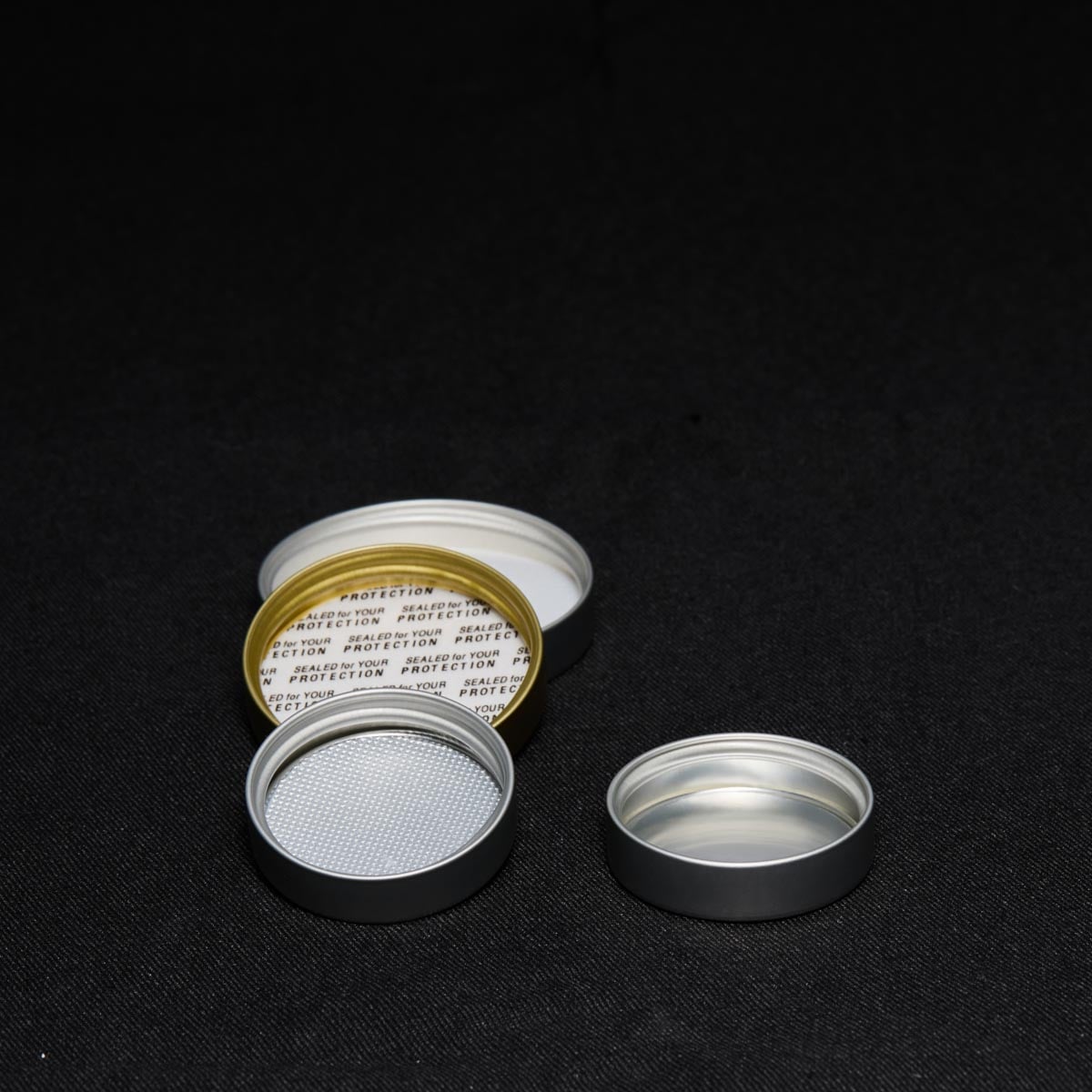
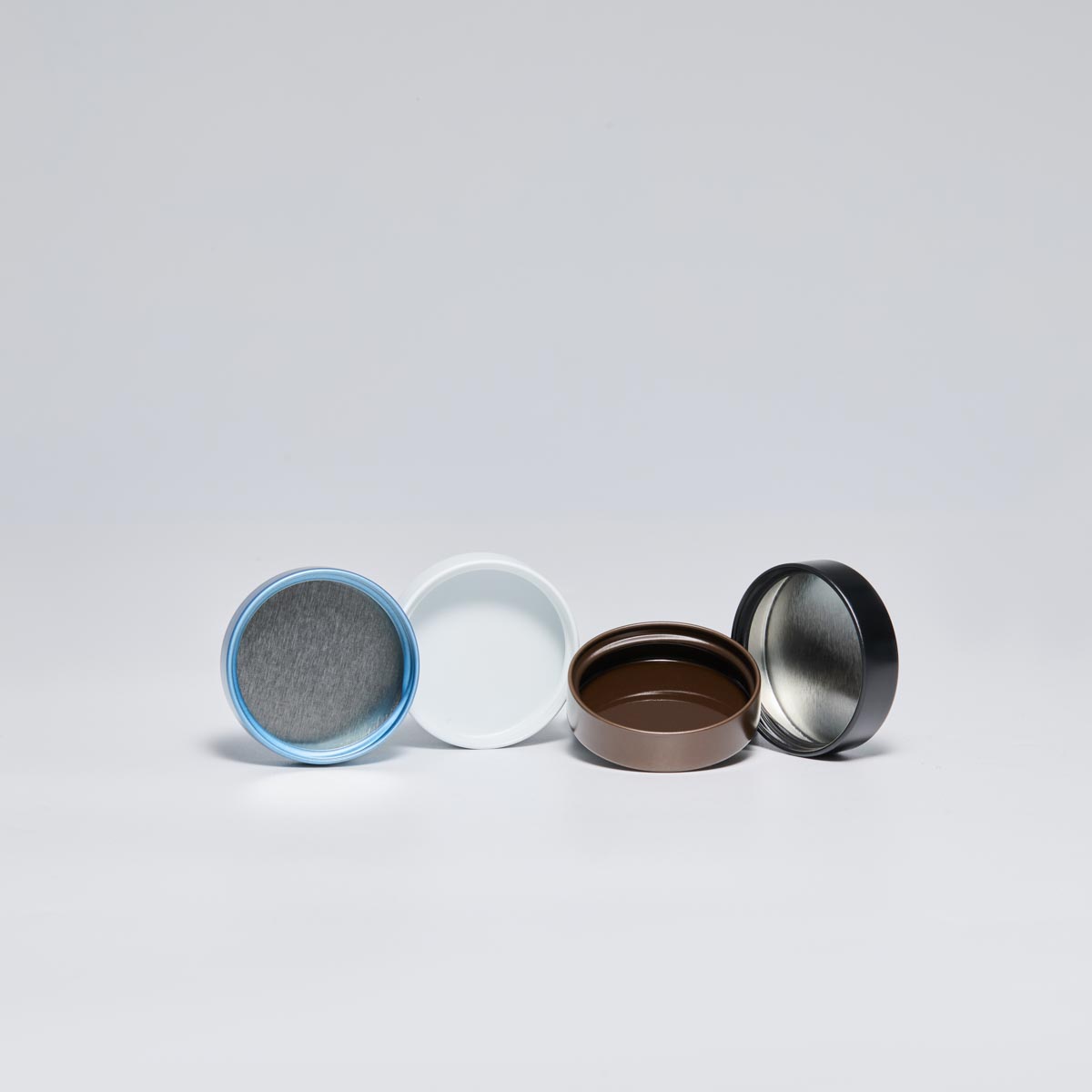
Selecting the right sealing liner for a bottle cap is one of the most critical decisions in product packaging and preservation. The choice directly affects product shelf life, consumer safety, brand reputation, and regulatory compliance. A high-quality sealing liner creates a hermetic seal that protects contents from contamination, oxidation, and moisture infiltration while providing tamper-evidence that builds consumer confidence. Understanding the factors that influence this decision helps manufacturers, brand owners, and packaging professionals choose a bottle cap sealing solution that truly delivers on performance, safety, and cost efficiency.
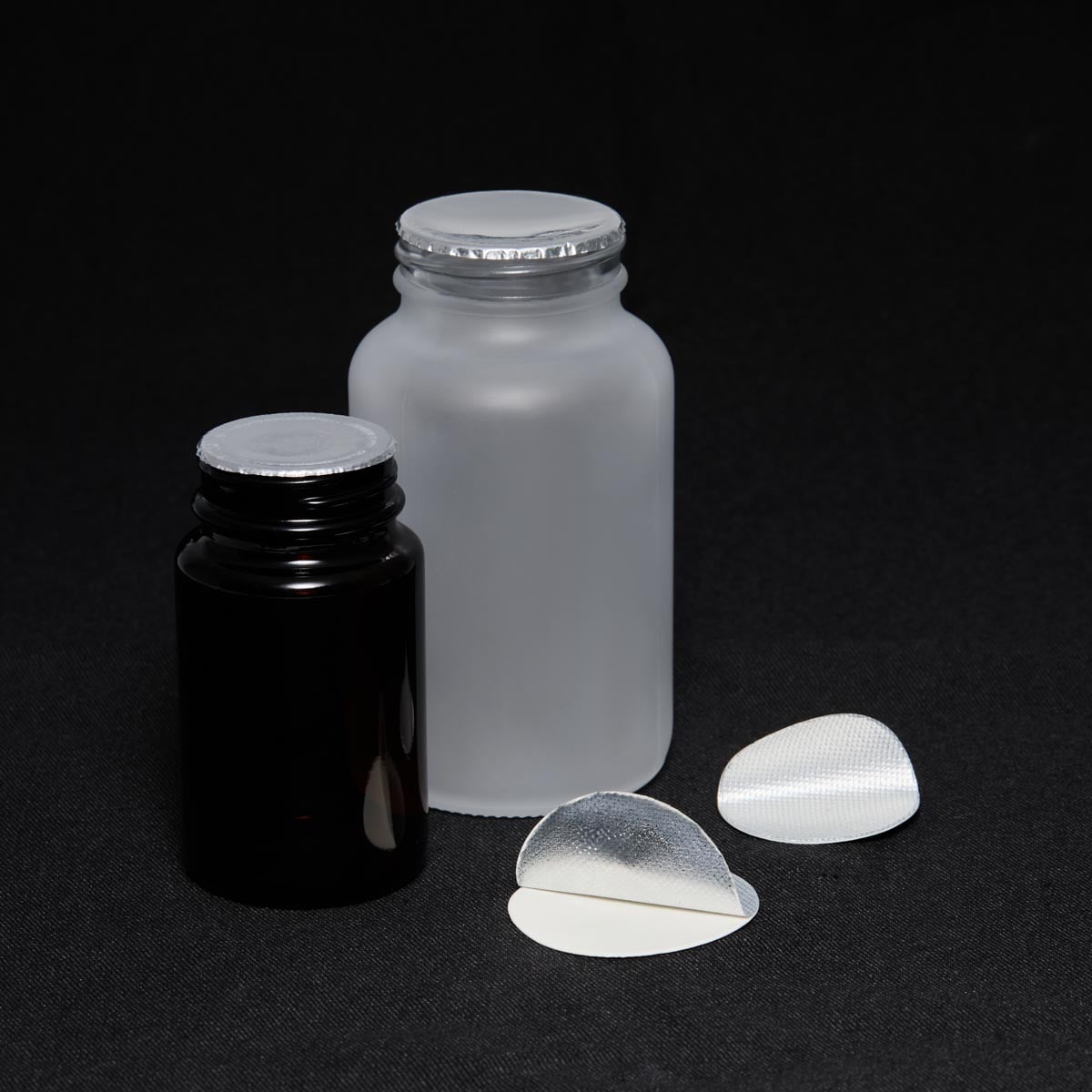
The bottle cap sealing process involves more than just mechanical closure. The sealing liner is the critical component that creates the actual seal between the cap and container. When you choose the right bottle cap sealing liner, you ensure that your product remains protected throughout its distribution chain, storage period, and shelf life. This guide walks through the key decision factors that professionals use when selecting a bottle cap liner to meet both performance requirements and business objectives.
Understanding Sealing Liner Types and Their Functionality
Material Composition and Seal Mechanism
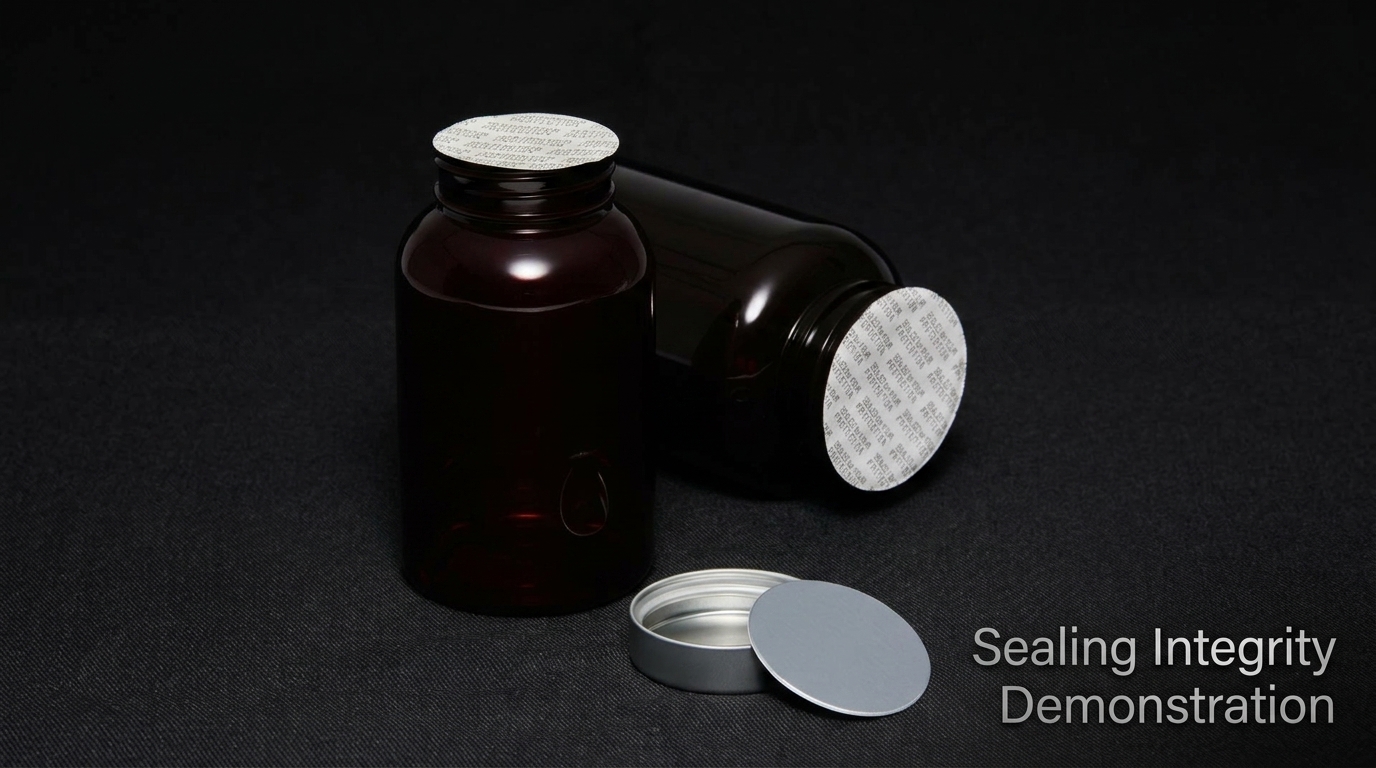
The bottle cap liner's material composition determines how effectively it seals and protects your product. Common liner materials include foam, plastisol, and induction heat seal liners, each with distinct properties. An induction heat seal liner, for example, uses aluminum foil bonded to a pulp or synthetic substrate. When exposed to induction heat energy, this aluminum layer creates an instantaneous hermetic seal with the container opening, forming a bond that is virtually impossible to breach without visible damage. Understanding this mechanism helps you match the bottle cap liner type to your specific product and production environment.
Seal Integrity and Product Protection
A quality bottle cap with the right sealing liner offers multiple layers of protection. The liner prevents gas exchange, moisture permeation, and microbial contamination. For pharmaceuticals, nutraceuticals, and premium beverages, this level of protection is non-negotiable. The bottle cap sealing liner must maintain its effectiveness across temperature fluctuations, pressure changes, and extended storage durations. Testing the seal under worst-case conditions—including freeze-thaw cycles, humid storage, and mechanical stress—gives you confidence that your chosen bottle cap liner will perform reliably throughout the product lifecycle.
Key Selection Criteria for Bottle Cap Liners
Product Compatibility and Chemical Resistance
Not every bottle cap sealing liner works with every product formulation. Acidic beverages, alcoholic solutions, oils, and corrosive chemicals each require specific liner materials that resist chemical degradation. When selecting a bottle cap liner, verify that it is compatible with your specific product's pH level, solvent content, and storage conditions. An induction heat seal bottle cap liner, for instance, works exceptionally well with aqueous and mildly acidic products but requires evaluation for aggressive solvents. Incompatibility between the liner and product can lead to seal failure, product leakage, and consumer safety issues.
Regulatory Compliance and Food Safety Standards
The bottle cap liner you select must comply with applicable regulations in your target markets. FDA compliance is essential for food and beverage applications in the United States. European markets require adherence to specific food contact material directives. Pharmaceutical packaging demands compliance with USP, Ph.Eur., and other pharmacopeial standards. Your chosen bottle cap sealing liner must be documented as meeting these requirements, with certificates of analysis and compliance statements from your supplier. This ensures that your product can legally reach shelves and maintains consumer trust through verified safety standards.
Production Line Integration and Cost Efficiency
The bottle cap sealing liner must integrate seamlessly with your existing production equipment or justify the capital investment in new machinery. An induction heat seal bottle cap liner requires specialized induction capping equipment, which represents a significant upfront cost but delivers superior seal quality and tamper-evidence. Foam and plastisol liners work with standard capping machines but may require recapping or rework if seal quality is inconsistent. Calculate the total cost of ownership—including equipment, liner material cost per unit, labor, scrap rates, and warranty support—to determine which bottle cap liner option delivers the best value over time.
Performance Testing and Validation for Bottle Cap Liners
Seal Strength and Torque Requirements
A properly sealed bottle cap must meet precise torque specifications and seal strength thresholds. The bottle cap sealing liner contributes directly to this performance metric. Testing should include peel strength, pull-off force, and torque retention under various conditions. A well-designed induction heat seal bottle cap liner typically maintains consistent seal strength across large production runs because the induction heating process is energy-based and highly repeatable. Manual foam or plastisol liners may show greater variability because compression and seal quality depend on human application and machine calibration. Establish baseline performance metrics for your chosen bottle cap liner and conduct periodic retesting to ensure ongoing consistency.
Tamper-Evidence and Consumer Safety
Modern consumers and regulatory bodies expect visible tamper-evidence when a bottle cap is opened or compromised. The bottle cap sealing liner plays a key role in this feature. An induction heat seal bottle cap liner creates a permanent seal that leaves visible residue or destruction evidence if someone attempts to open the container, providing clear visual confirmation of tampering. Foam and plastisol liners may separate cleanly without evidence, creating consumer safety concerns and liability exposure. Choose a bottle cap liner that explicitly addresses tamper-evidence requirements for your market and product category, as this directly impacts brand reputation and legal compliance.
FAQ
What is the difference between an induction heat seal and a traditional foam bottle cap liner?
An induction heat seal bottle cap liner uses aluminum foil bonded to a substrate and requires specialized induction heating equipment to create a permanent, hermetic seal that shows obvious evidence if tampered with. A traditional foam bottle cap liner relies on physical compression between the cap and container, offering adequate sealing for many applications but less tamper-evidence and potentially less consistency across production runs. Induction heat seal liners generally provide superior protection for sensitive products and premium branding, while foam liners offer lower equipment costs for less demanding applications.
How do I know if a bottle cap sealing liner is compatible with my product?
Begin by obtaining the technical specifications and compatibility data from your liner supplier, specifying your product's pH, alcohol content, oil content, and storage conditions. Request compatibility testing or documentation showing that the bottle cap liner has been validated with products similar to yours. Conduct pilot production runs with the candidate bottle cap liner and perform accelerated shelf-life testing to monitor for seal degradation, leakage, or chemical interaction. This empirical validation is the most reliable way to confirm that your chosen bottle cap sealing liner will perform safely and consistently with your specific formulation.
What are the regulatory requirements for food and pharmaceutical bottle cap liners?
Food contact bottle cap liners in the United States must comply with FDA regulations outlined in Title 21 CFR Part 177. Pharmaceutical bottle cap liners must meet USP Chapter 671 standards and European Pharmacopeial requirements. The specific regulatory framework depends on your target market and product category. Your supplier should provide certificates of compliance and material safety data sheets that document adherence to these standards. Always verify that your bottle cap sealing liner supplier maintains current certifications and can provide updated compliance documentation to support your product claims and regulatory filings.