 EN

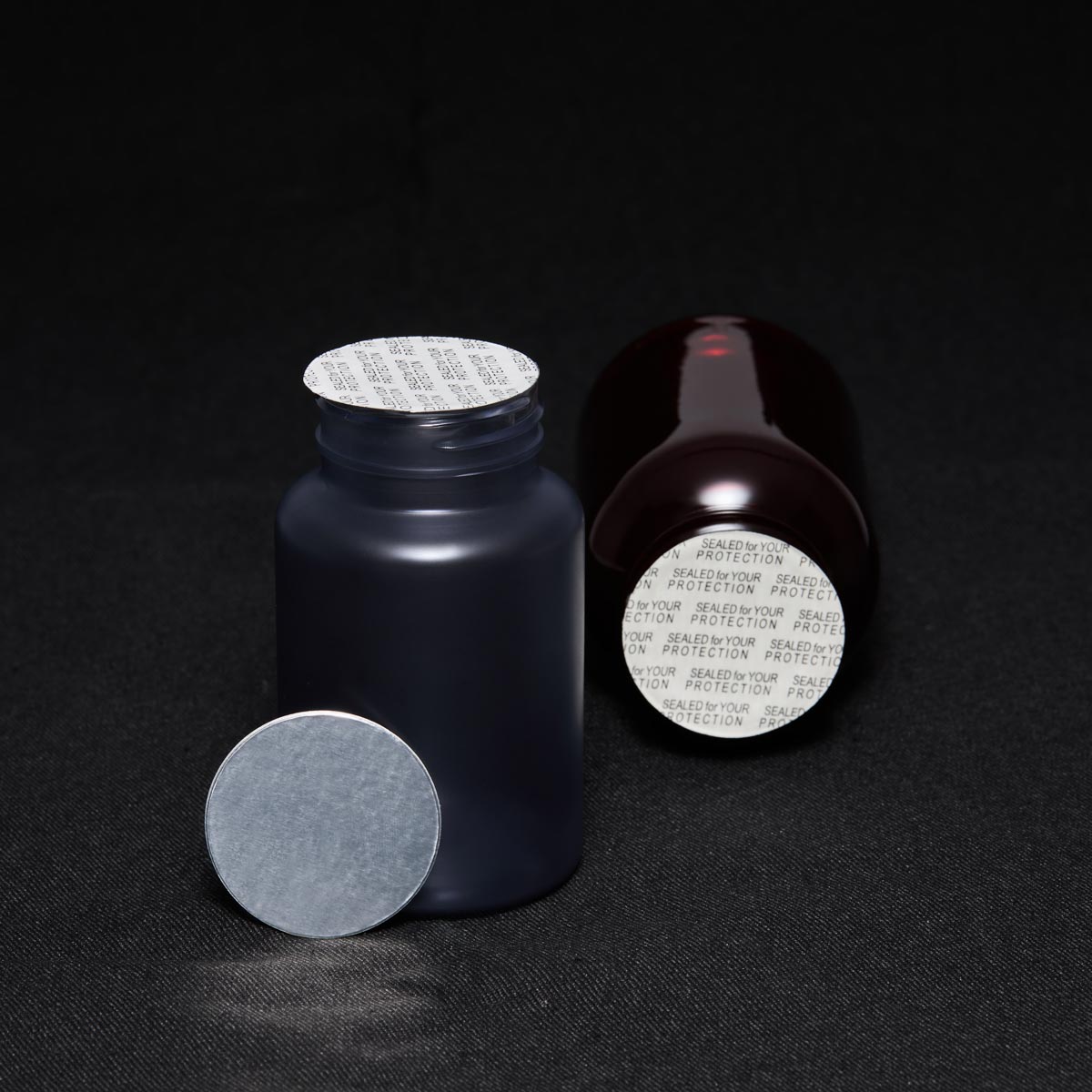

Defective ihs liner seals represent a critical quality control challenge in modern production environments. When an ihs liner fails to seal properly, it compromises product integrity, risks contamination, and can lead to costly recalls and customer dissatisfaction. Identifying these defects early in your production process is essential for maintaining brand reputation and operational efficiency. Understanding the visual, functional, and performance indicators of a failing ihs liner allows production managers and quality teams to implement corrective actions before defective units reach customers.
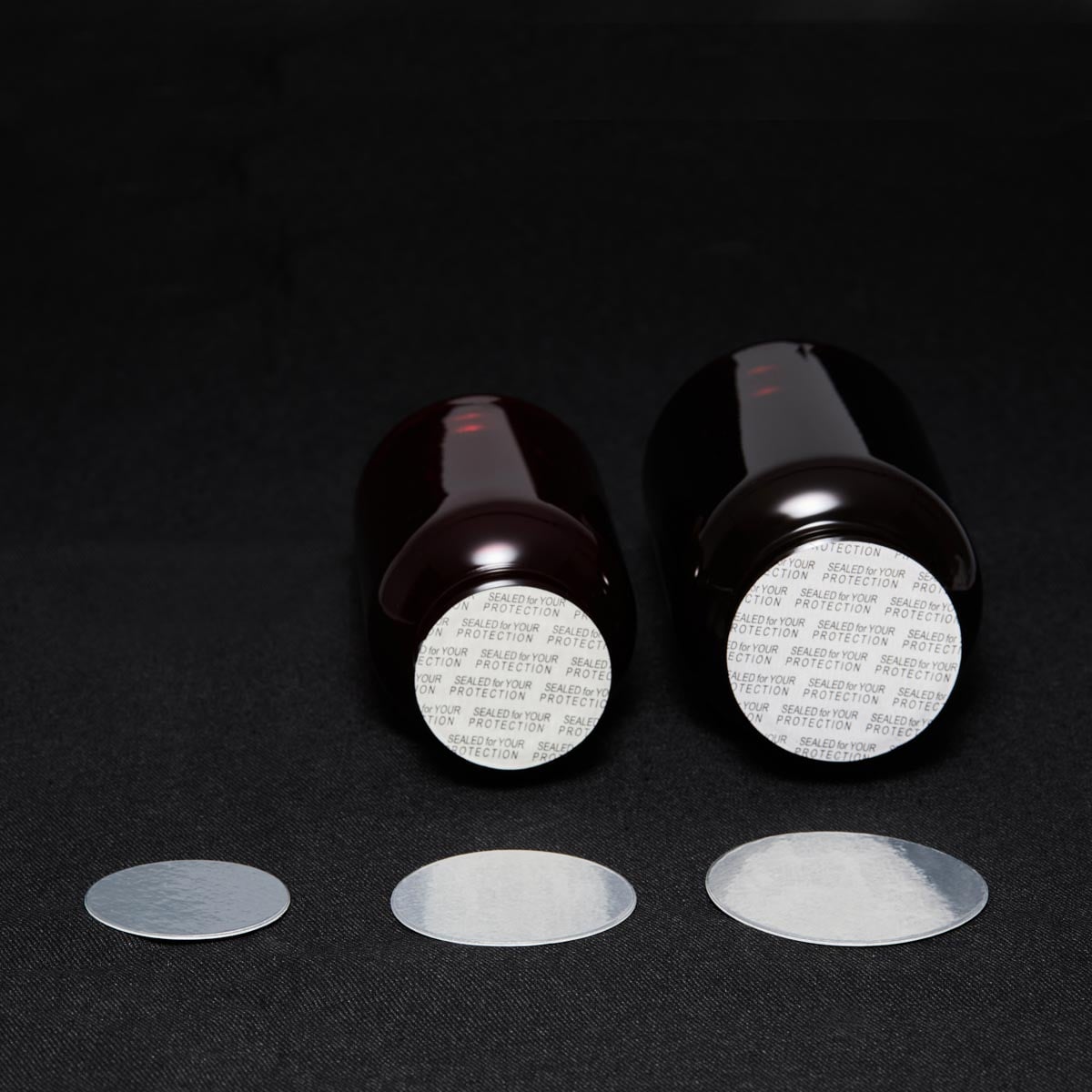
The ihs liner technology relies on precise electromagnetic induction to activate the seal layer, creating a tamper-evident barrier that protects pharmaceutical, food, and chemical products. When this mechanism malfunctions, the consequences extend beyond a single container to affect batch integrity and regulatory compliance. Production lines operating at high speeds require operators and automated inspection systems to recognize failure patterns quickly, ensuring that only sealed products move forward and defective units are identified and removed immediately.
Understanding IHS Liner Failure Modes and Visual Indicators
Common Defect Patterns in IHS Liner Seals
An ihs liner defect typically manifests through incomplete seal formation, where the induction heat does not fully activate the adhesive layer bonding the foil to the container lip. Visual inspection reveals incomplete closure along the seal perimeter, irregular patterns, or gaps where the foil has not adhered properly to the container. These incomplete seals are often the first sign that your ihs liner equipment requires calibration or maintenance adjustment. Operators trained in ihs liner quality assessment should monitor for inconsistent seal patterns, discoloration variations, or separation between layers that indicate activation failure.
Surface Contamination and Adhesion Problems
Defective ihs liner seals frequently result from surface contamination on either the container rim or the foil itself before application. Dust, oil, moisture, or residual product particles interfere with adhesion, preventing the ihs liner from bonding securely to the container surface. When examining suspect units, gently attempt to lift the foil; a properly sealed ihs liner should resist removal, while a defective seal peels away easily with minimal force. Additionally, discolored spots or cloudy areas on the seal surface often indicate adhesive breakdown or improper thermal activation, signaling that the ihs liner application parameters need review.
Functional Testing and Performance Assessment Methods
Peel Strength and Adhesion Testing
Functional testing is critical for validating ihs liner seal integrity beyond visual inspection. Peel strength testing measures the force required to remove the sealed foil from the container; defective ihs liner seals typically exhibit peel strength significantly below specification, often failing at less than half the required force. This destructive testing method should be performed on representative samples from each production batch to establish baseline performance and detect process drift. Statistical process control charts tracking ihs liner peel strength over time reveal degradation trends before visual defects become apparent, enabling proactive equipment maintenance and material adjustments.
Pressure and Bubble Test Verification
Advanced quality systems employ pressure testing to identify microscopic failures in ihs liner seals invisible to the human eye. By placing sealed containers in a vacuum chamber or pressurized environment, technicians observe whether the foil bulges, separates, or allows leakage, confirming seal integrity. Bubble testing submerges sealed containers in water to detect any gas escape through the ihs liner, another sensitive method for finding defects. These functional tests complement visual assessment and provide quantitative evidence that the ihs liner meets pharmaceutical or food safety standards, supporting regulatory compliance documentation and traceability requirements.
Production Line Monitoring and Preventive Controls
Equipment Calibration and Temperature Management
Defective ihs liner output often traces back to induction heating equipment operating outside optimal temperature ranges or insufficient dwell time during activation. Regular calibration of induction sealing equipment ensures that energy delivery matches the specific material properties of your ihs liner foil and container composition. Temperature sensors should be verified monthly, and production should not proceed if readings deviate by more than 5% from set parameters. Operators must document equipment performance logs, tracking any ihs liner defect correlations with temperature fluctuations, coil degradation, or power supply inconsistencies that might compromise seal quality.
Material Quality and Process Parameter Validation
Incoming inspection of ihs liner materials is foundational for reducing defects downstream. Quality assurance teams should verify foil thickness, adhesive composition, and backing material consistency from each supplier batch before use. Process parameters such as conveyor speed, container positioning, and ihs liner application pressure must be validated during equipment setup and recertified whenever material sources change. Environmental factors including humidity levels, ambient temperature, and surface moisture on containers significantly impact ihs liner seal formation; maintaining controlled conditions in the production environment prevents defects attributable to storage or handling conditions rather than equipment failure.
Recognizing Critical Failure Indicators and Response Strategies
Batch-Level Defect Patterns and Root Cause Investigation
When defective ihs liner seals appear in concentrated batches rather than randomly, the cause typically lies in raw material variation, process drift, or environmental change. A spike in ihs liner defects after supplier changeover, equipment maintenance, or seasonal shifts signals the need for controlled investigation. Production managers should segregate suspect batches immediately, initiate customer notifications if necessary, and conduct root cause analysis combining visual inspection data, peel strength measurements, and equipment logs. Traceability systems linking ihs liner defects to specific equipment, material lots, and time windows enable targeted corrective action rather than blanket process overhauls.
Implementing Continuous Improvement and Real-Time Monitoring
Modern production facilities employ automated vision systems and inline testing to detect ihs liner defects in real time, enabling immediate machine stops or product diversion before defective units mix with acceptable inventory. Statistical process control integrated with equipment sensors provides early warning of parameter drift, allowing operators to make preventive adjustments rather than waiting for defective ihs liner output to accumulate. Regular training sessions ensure that all production staff understand defect indicators, testing procedures, and escalation protocols. Establishing a continuous improvement culture where operators and technicians contribute defect observations strengthens ihs liner seal reliability over time.
FAQ
What are the most obvious signs of a defective ihs liner seal?
The most obvious signs include incomplete foil coverage, visible gaps along the seal perimeter, discoloration or cloudy appearance on the seal surface, easy peeling of foil with minimal force, and visible separation between the foil and container lip. These visual indicators suggest that the ihs liner did not activate properly during sealing, potentially due to equipment malfunction, material defect, or process parameter drift.
How can I test ihs liner seal quality without destroying the container?
Non-destructive testing methods include pressure testing in a vacuum chamber, bubble testing by submerging sealed containers in water to detect gas escape, and visual inspection with magnification to identify microscopic gaps or adhesion failures in the ihs liner. These methods allow you to verify seal integrity while preserving the product for distribution or further analysis, supporting process validation without excessive waste.
How often should I inspect ihs liner seals during production?
Quality standards recommend visual inspection at the beginning of each production run, periodic sampling every hour during continuous operation, and immediate inspection of the first containers after any process parameter adjustment, material changeover, or equipment maintenance. Statistical process control using peel strength testing on representative samples from each batch provides quantitative data to track ihs liner performance trends and guide maintenance scheduling.