
 EN





A bottle cap serves as the critical interface between product integrity and consumer experience. When subjected to heavy-tonnage stamping processes, a bottle cap must withstand extreme pressure, temperature fluctuations, and mechanical stress while maintaining its sealing capability and structural integrity. Understanding what makes a bottle cap highly durable under these demanding conditions involves examining material composition, design engineering, and manufacturing precision. The durability of a bottle cap directly impacts product shelf life, brand reputation, and customer satisfaction, making this consideration essential for beverage, pharmaceutical, and food packaging industries.
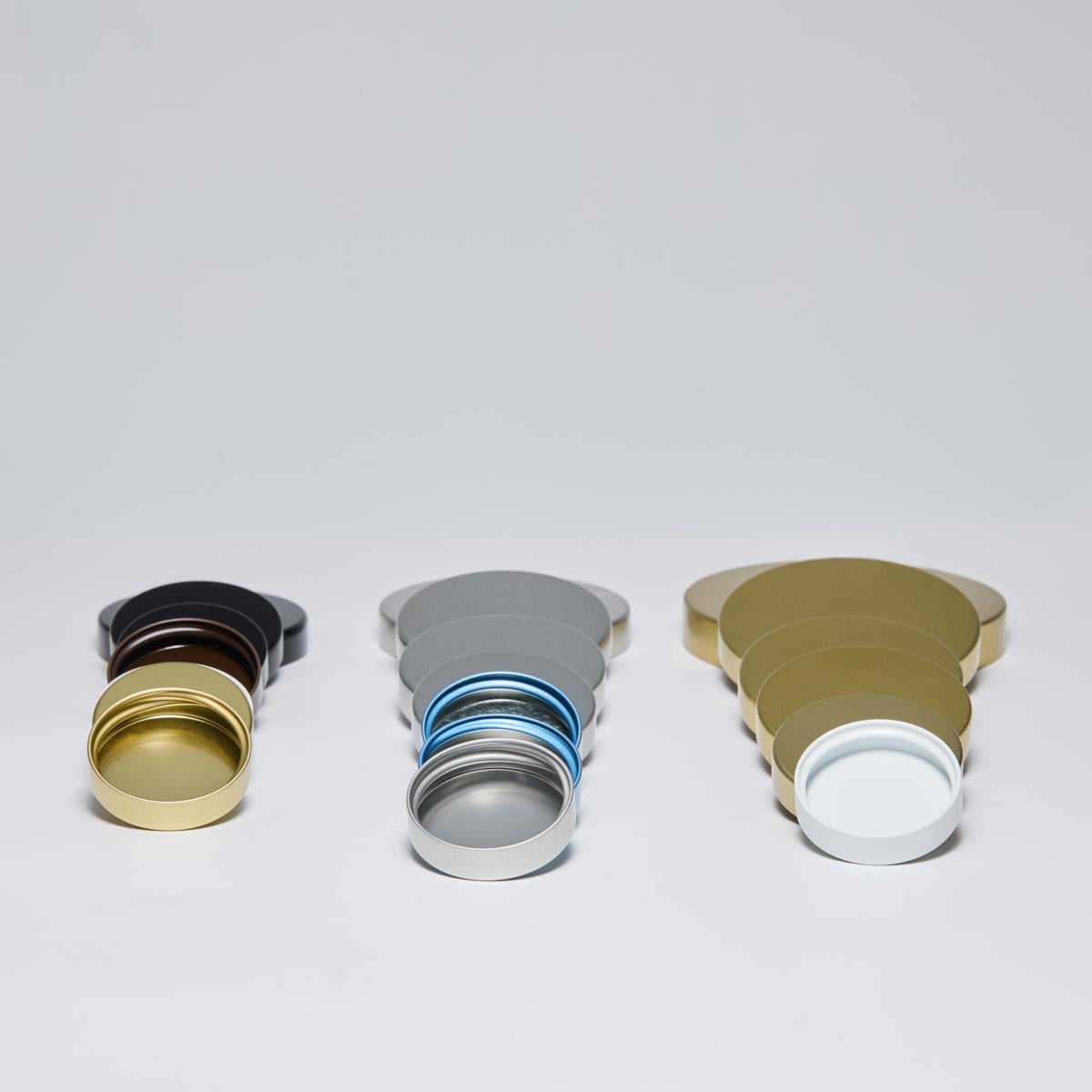
The manufacturing environment for a bottle cap involves intense mechanical forces that test every aspect of its design and material properties. Heavy-tonnage stamping machines apply crushing pressures that separate inadequate designs from truly durable solutions. A bottle cap engineered for heavy-tonnage applications must balance hardness with flexibility, maintain consistent dimensional tolerances, and resist deformation during high-speed production lines. The relationship between material selection and the stamping process determines whether a bottle cap will perform reliably across millions of production cycles or fail prematurely, resulting in costly downtime and product waste.
Material Composition and Metallurgical Excellence
Premium Tinplate Selection for Bottle Cap Performance
The foundation of a durable bottle cap begins with superior material selection. Tinplate, a steel sheet coated with a thin layer of tin, provides the ideal balance of strength, corrosion resistance, and workability needed in heavy-tonnage stamping environments. A bottle cap manufactured from premium tinplate resists rust, maintains structural integrity during processing, and preserves its appearance throughout the product lifecycle. The thickness and composition of tinplate used in a bottle cap directly correlate with its ability to withstand repeated compression during stamping operations without cracking, warping, or losing seal effectiveness.
The coating thickness on a bottle cap's tinplate substrate significantly influences durability and performance longevity. Premium-grade tinplate used in professional bottle cap manufacturing typically features a consistent coating that prevents corrosion while maintaining the material's malleability during stamping. When a bottle cap is subjected to heavy-tonnage pressure, the tinplate must flex slightly without permanent deformation, then return to its original shape. This elasticity, combined with the tin coating's protective properties, ensures that a bottle cap maintains its sealing integrity and visual appeal even after extended storage or exposure to varying environmental conditions.
Internal Gasket and Sealing Layer Quality
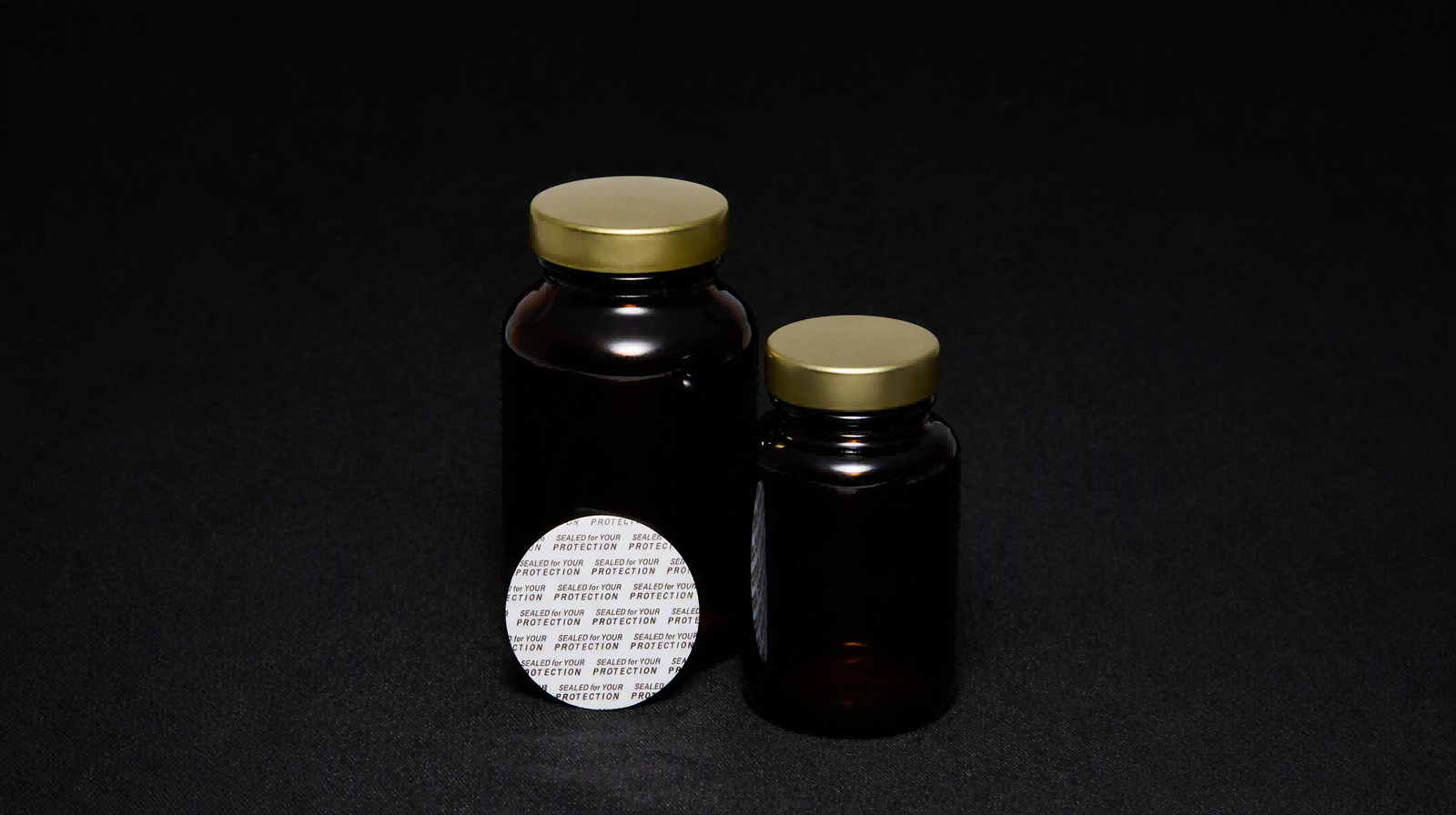
A high-performance bottle cap incorporates internal gasket materials that provide the actual seal between the container and the beverage or pharmaceutical product inside. Polyvinyl chloride (PVC), polycone, or pulp-based gasket materials must maintain their elasticity and adhesion despite heavy-tonnage compression forces during manufacturing. The quality of a bottle cap's gasket determines its resistance to leakage, contamination, and product degradation. When heavy-tonnage stamping compresses a bottle cap onto its threads or sealing surface, the gasket material must compress uniformly, create an airtight seal, and then recover slightly to maintain consistent pressure without permanent deformation that would compromise future sealing ability.
The adhesion between the gasket material and the metal substrate of a bottle cap represents a critical durability factor. Advanced manufacturing processes ensure that a bottle cap's internal gasket remains firmly bonded throughout heavy-tonnage stamping cycles and subsequent handling. Poor adhesion leads to gasket separation, seal failure, and product contamination. Premium bottle cap manufacturers apply gasket materials using precision techniques that guarantee uniform coverage, consistent thickness, and reliable bonding that survives the extreme pressures inherent in heavy-tonnage production environments.
Engineering Design for Heavy-Tonnage Resilience
Structural Geometry and Pressure Distribution
The geometric design of a bottle cap fundamentally determines how effectively it distributes and withstands heavy-tonnage compression forces. A well-engineered bottle cap features ribbing patterns, wall thickness variations, and thread geometry that direct stress away from vulnerable areas while maintaining structural integrity. The internal architecture of a bottle cap creates load paths that absorb compression energy without concentrating stress at single points where failure initiates. When heavy-tonnage stamping machines apply force to a bottle cap, superior design ensures that pressure distributes evenly across the structure, preventing localized deformation, cracking, or thread stripping that would render the bottle cap unusable.
Thread design represents a particularly critical aspect of a bottle cap's durability under heavy-tonnage conditions. The threads must engage securely with container threads while resisting the compressive forces applied during stamping and subsequent handling. A bottle cap with optimized thread geometry maintains consistent grip, prevents cross-threading, and sustains its sealing capability across multiple open-close cycles throughout the product's shelf life. Manufacturing tolerances for a bottle cap's thread profile must remain exceptionally tight to ensure that every unit produced performs identically under heavy-tonnage pressure.
Wall Thickness and Material Distribution
Precise control of wall thickness across all sections of a bottle cap directly impacts its durability during heavy-tonnage stamping operations. Thicker walls provide greater strength but increase material costs and potentially affect the cap's ability to thread smoothly onto containers. A well-designed bottle cap balances these considerations through strategic material distribution, placing additional material in high-stress areas while maintaining thinner sections where flexibility is beneficial. This sophisticated engineering approach allows a bottle cap to achieve superior durability without unnecessary weight or material waste.
The transition zones between different wall thicknesses in a bottle cap require precise manufacturing control to prevent stress concentration and premature failure. When heavy-tonnage stamping applies force to a bottle cap, any sharp transition between thick and thin sections can initiate crack formation. Advanced manufacturing techniques ensure smooth gradients in wall thickness, allowing stress to distribute gradually and safely through the bottle cap's structure. This attention to geometric detail distinguishes durable bottle cap designs from mediocre alternatives that fail under demanding production conditions.
Manufacturing Precision and Quality Control Processes
Heavy-Tonnage Stamping Process Optimization
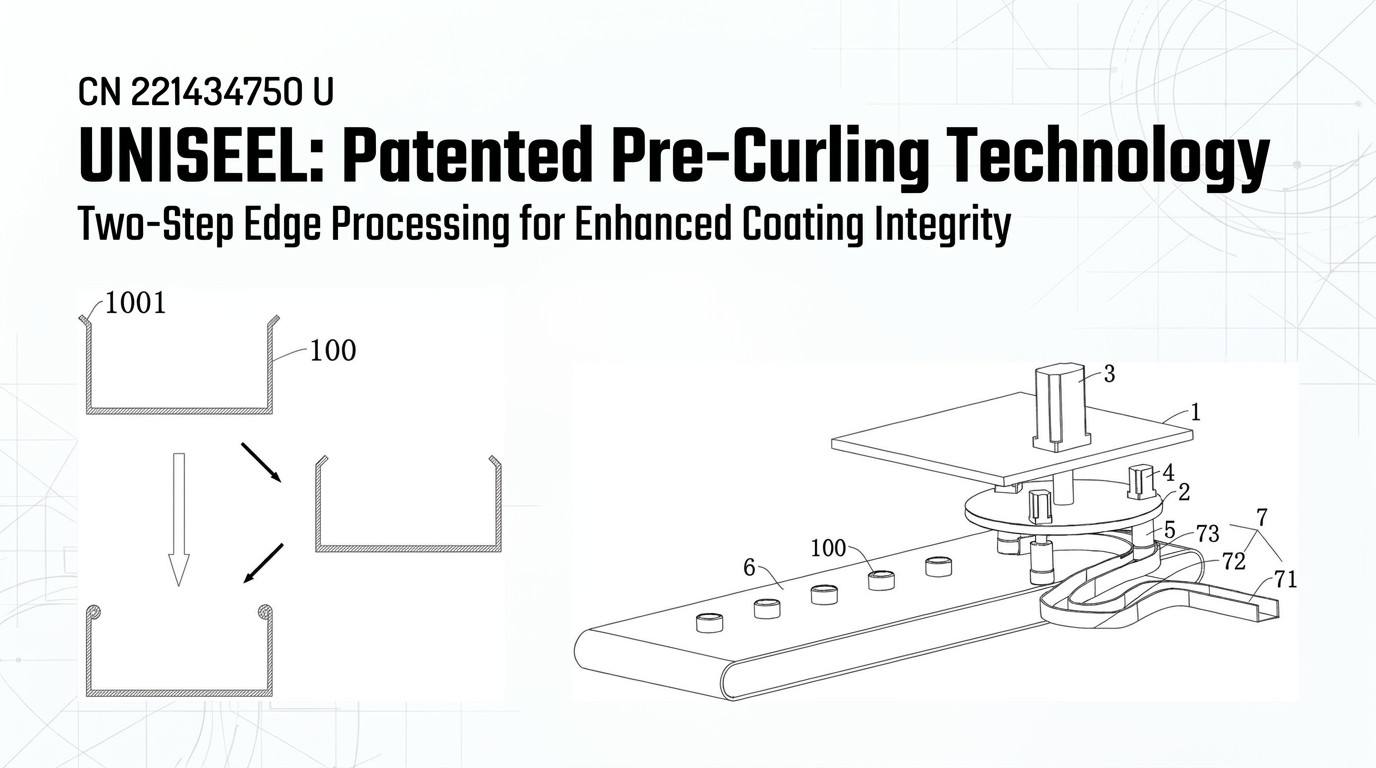
The stamping process itself plays a decisive role in determining whether a bottle cap emerges as a durable product or a defective component. Heavy-tonnage stamping equipment must maintain consistent pressure across the entire stroke, ensuring uniform compression throughout the bottle cap's body. Variations in stamping pressure create inconsistent product quality, with some units emerging durable and others prone to premature failure. Professional bottle cap manufacturers invest in state-of-the-art heavy-tonnage stamping machinery equipped with precision controls, automated monitoring systems, and real-time pressure adjustment capabilities that guarantee every bottle cap meets exacting durability specifications.
Die design and maintenance represent equally important factors in bottle cap durability through heavy-tonnage stamping. Sharp, well-maintained dies create clean material shearing and consistent geometry without burrs or deformations that compromise a bottle cap's performance. Worn or damaged dies produce inferior bottle cap geometry, incomplete thread formation, and weakened material structure that fails rapidly during use. Commitment to regular die inspection, maintenance, and replacement ensures that heavy-tonnage stamping produces consistently durable bottle caps rather than allowing quality degradation as equipment wears.
Rigorous Testing and Quality Verification
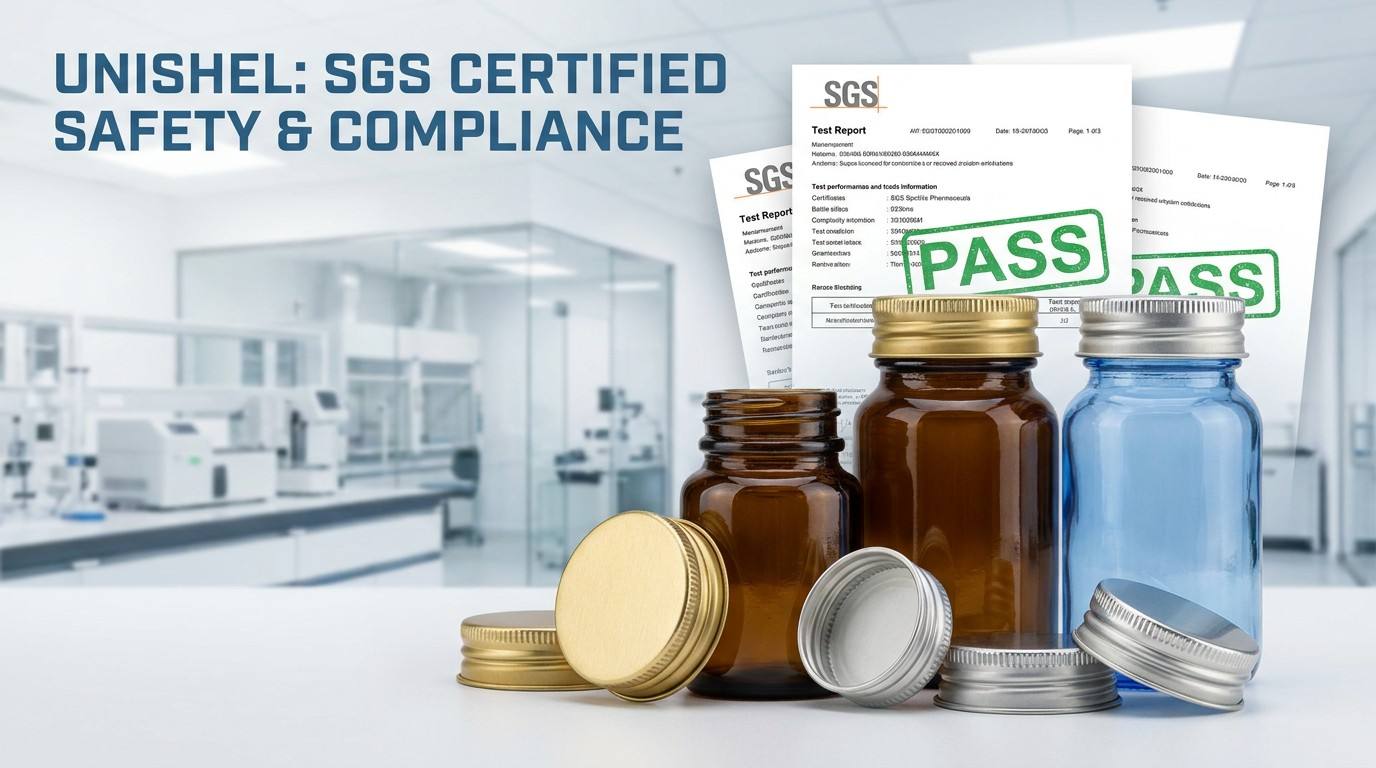
Comprehensive testing protocols validate that manufactured bottle caps meet durability requirements before reaching customers. Leak testing equipment subjects completed bottle caps to simulated pressure conditions, verifying that sealing integrity survives heavy-tonnage compression effects. Tensile testing measures the structural strength of the metal and gasket materials, confirming they maintain performance under repeated stress cycles. Dimensional inspection ensures that every bottle cap produced maintains the tight tolerances necessary for consistent thread engagement and pressure distribution during heavy-tonnage applications.
Statistical process control systems continuously monitor bottle cap production parameters throughout heavy-tonnage stamping operations. These systems detect drift in pressure settings, material properties, or die wear patterns before defective bottle caps reach customers. Advanced manufacturers track multiple quality indicators simultaneously, adjusting processes in real time to maintain optimal bottle cap durability. This commitment to data-driven quality management results in consistently reliable products that maintain their sealing integrity and structural performance across their entire service life.
FAQ
What role does tinplate thickness play in bottle cap durability?
Tinplate thickness directly influences how effectively a bottle cap resists deformation during heavy-tonnage stamping. Thicker tinplate provides greater inherent strength and better resists permanent deformation under compression. However, excessive thickness increases production costs and material consumption. Optimal bottle cap designs select tinplate thickness that provides necessary durability while maintaining cost efficiency and manufacturability within heavy-tonnage stamping equipment specifications.
How do manufacturers ensure consistent bottle cap quality during high-speed heavy-tonnage production?
Manufacturers employ automated quality control systems that continuously monitor heavy-tonnage stamping parameters, including pressure consistency, die temperature, and production speed. Every bottle cap undergoes dimensional verification and random samples receive comprehensive testing including leak tests and structural analysis. Statistical process control tracks multiple performance indicators, triggering automatic adjustments when parameters drift outside acceptable ranges. This systematic approach ensures that whether producing thousands or millions of bottle caps, quality and durability remain consistently high.
Can a bottle cap designed for heavy-tonnage stamping maintain its seal effectiveness over extended storage periods?
Yes, a properly engineered and manufactured bottle cap maintains seal effectiveness throughout extended storage when protected from environmental extremes. The gasket material and metal substrate resist degradation when stored in appropriate conditions. However, repeated temperature cycling, exposure to extreme humidity, or contact with aggressive chemicals can gradually compromise the seal. Premium bottle cap manufacturers select materials and apply protective coatings that resist environmental degradation, ensuring that a bottle cap maintains its protective function for the product's entire intended shelf life regardless of storage duration.