
 EN





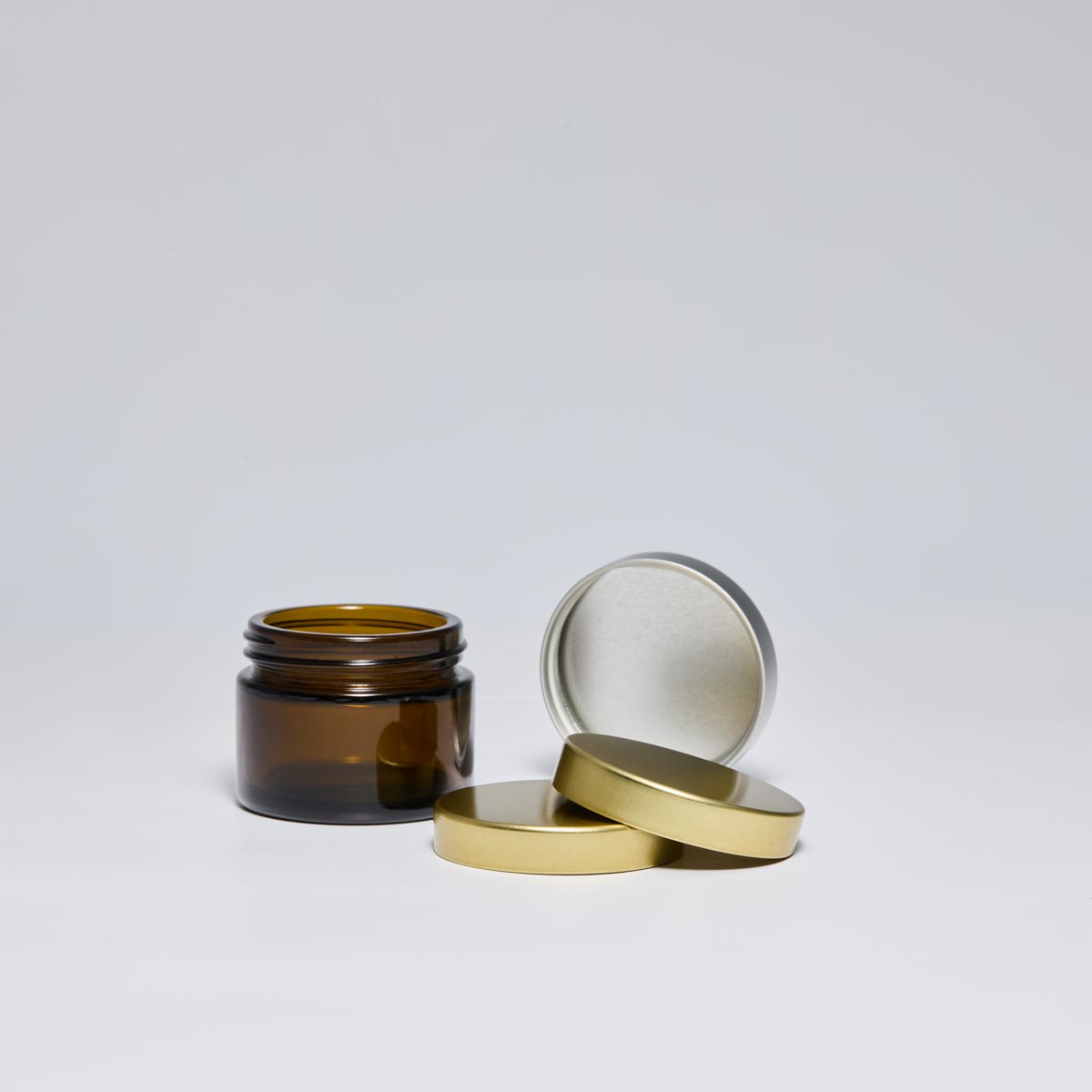

Apothecary packaging must protect a product while communicating care, heritage, and quality at first glance. A tinplate cap can support that balance on a glass jar: its metal finish creates a considered presentation, while a correctly specified closure helps make everyday opening and storage practical. For brands choosing packaging, the attraction is not appearance alone; it is the way a tinplate cap can align the container, product, and customer experience.

The preference makes sense when the brand needs a closure that feels compatible with glass, works with the intended jar finish, and suits the product’s positioning. A tinplate cap offers a broad canvas for color and finish, but the right choice still depends on dimensions, liner, filling process, and use conditions. Understanding these reasons helps packaging teams distinguish a deliberate specification from a purely decorative decision.
Brand presentation and shelf appeal
A metal finish complements apothecary glass
Apothecary jars often use clear or tinted glass to make contents visible and give the pack a familiar, crafted character. A tinplate cap adds a defined top surface that can coordinate with the glass, label, and brand palette. Its smooth, reflective, matte, or colored finish can create contrast without hiding the product, so the complete package feels intentional. For a line of related products, a consistent tinplate cap also helps maintain visual continuity across jar sizes.
That design flexibility matters in categories where customers compare packaging quickly, including botanical preparations, bath products, candles, and specialty foods. A tinplate cap can signal a restrained, traditional, or premium aesthetic depending on its color and surface treatment. The metal closure is not a substitute for clear labeling or product quality, but it can reinforce those cues. Brands should evaluate the actual finish alongside printed labels and glass samples, because lighting and color can change how the assembled jar appears.
Presentation remains tied to functional fit
A polished look only works when the tinplate cap matches the jar opening and sits evenly. Closure diameter, thread or lug configuration, skirt depth, and neck finish all influence the finished appearance. If the fit is wrong, the cap may appear crooked, feel difficult to apply, or fail to create the intended seal. Packaging teams therefore treat the tinplate cap as part of the jar system, rather than selecting it as an isolated styling accessory.
Sampling is useful before committing to a production run. Teams can inspect how the tinplate cap aligns with the glass shoulder, whether the finish suits the label, and how the closure feels during opening. A representative sample also makes it easier to check handling on filling equipment. These practical checks protect the visual concept from small mismatches that can become obvious when jars are packed, displayed, and used repeatedly.
Protection, handling, and product compatibility
The closure contributes to package performance
A tinplate cap may help shield a jar opening from dust and routine environmental exposure when paired with a suitable liner and correctly applied. The cap itself does not determine the full barrier or seal performance: jar finish, liner material, application torque, and product characteristics all matter. Brands should define what protection the product requires, then verify that the selected tinplate cap and liner meet those requirements under the intended filling and storage conditions.
This distinction is important for products sensitive to moisture, aroma loss, or contamination. A tinplate cap should not be assumed to make a package airtight or suitable for every formulation. The closure specification needs to account for product contact, temperature, storage duration, and distribution handling. When risk is higher, packaging and quality teams can assess compatibility and sealing performance through appropriate testing before approving the tinplate cap for commercial use.
Everyday use shapes customer experience
Customers judge a jar by more than its appearance. They notice whether the tinplate cap opens smoothly, can be replaced easily, and feels secure between uses. For products accessed frequently, usability can influence satisfaction and repeat handling. A closure that is too tight, too loose, or awkward to grip may undermine an otherwise attractive package, so teams should include representative users and realistic opening cycles in evaluation.
The product’s environment matters as well. A tinplate cap used in a bathroom, workshop, or retail display may face different humidity, residue, or handling conditions than one used for a dry pantry product. Consider how the cap and liner respond to the contents and expected storage, rather than relying on appearance alone. This helps brands choose a tinplate cap that is appropriate to the product’s routine use and the customer’s expectations.
Specification and sourcing decisions
Match dimensions and components to the jar
Begin by confirming the jar’s neck finish and the closure dimensions required for that finish. A tinplate cap should be assessed with the exact glass container, not a jar that merely looks similar. Teams should also review liner type, sealing method, application settings, and whether the closure is intended for manual or automated packing. Documenting these details gives procurement and production a shared basis for evaluating a tinplate cap sample.
Compatibility review should include the formula and the planned filling process. A tinplate cap and liner need to suit product contact and any expected heat, cooling, or transport conditions. If the jar will be opened repeatedly, teams should assess reclosure behavior; if it is a single-use presentation, tamper evidence may also be relevant. Defining these requirements early helps avoid choosing a tinplate cap on finish alone and reduces late changes to artwork or packaging operations.
Balance design priorities with operational needs
The final specification should connect brand objectives with practical constraints. A tinplate cap may support a particular color story or premium look, while production needs repeatable fit, manageable application, and consistent incoming quality. Ask packaging partners for dimensional information, finish options, liner details, and samples for evaluation. Then review the tinplate cap in context with the actual jar, label, and filling setup before approving it.
For example, a small-batch botanical balm may place greater emphasis on tactile presentation and easy reclosure, while a larger-volume product may prioritize predictable line handling and component consistency. In both cases, a tinplate cap can be a suitable option if the closure specification matches the use case. The decision is not that metal is automatically superior; it is whether the tinplate cap meets defined visual, technical, and operational requirements for that package.
FAQ
Why is a tinplate cap popular for apothecary jars?
Brands often value the tinplate cap because its metal finish pairs naturally with glass and offers useful design flexibility. It can support a coordinated, traditional presentation while functioning as a closure. The best result depends on selecting a tinplate cap that fits the jar finish and suits the contents, rather than treating appearance as the only criterion.
Does a tinplate cap make a glass jar airtight?
Not by itself. Seal performance depends on the jar opening, liner, application, and product requirements. A tinplate cap should be evaluated as part of the complete packaging system, with testing appropriate to the product and storage conditions. Do not assume every tinplate cap provides the same barrier or sealing result.
What should brands check before ordering?
Confirm the neck finish, closure dimensions, liner, application method, product compatibility, and intended use. Review samples on the actual jar and check appearance, fit, and handling. A tinplate cap should meet documented technical needs as well as the brand’s design goals, and its performance should be validated before production approval.