Tinplate Material: Properties & Applications

Premium Unishell Caps & Sealing Liners contact us

tinplate material

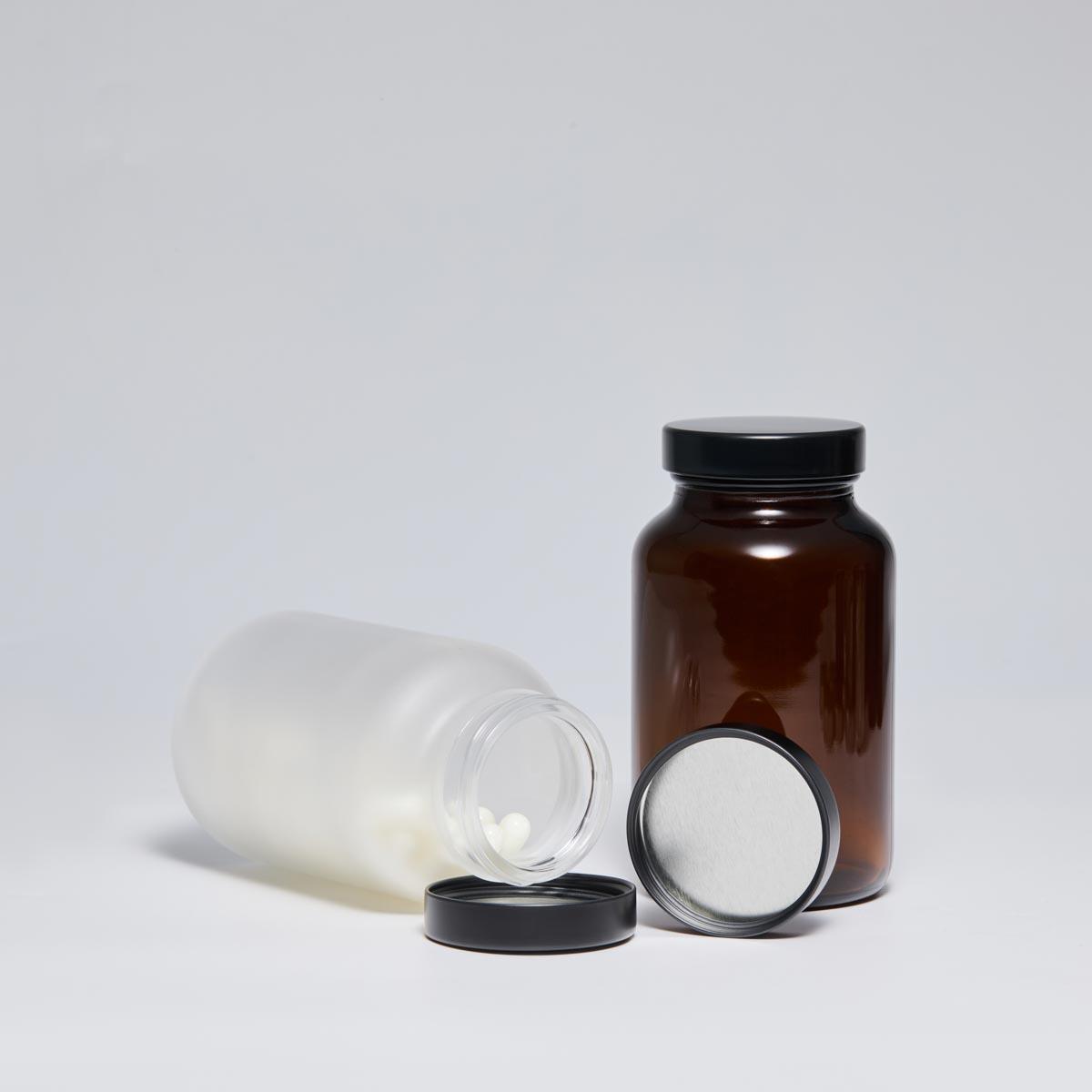
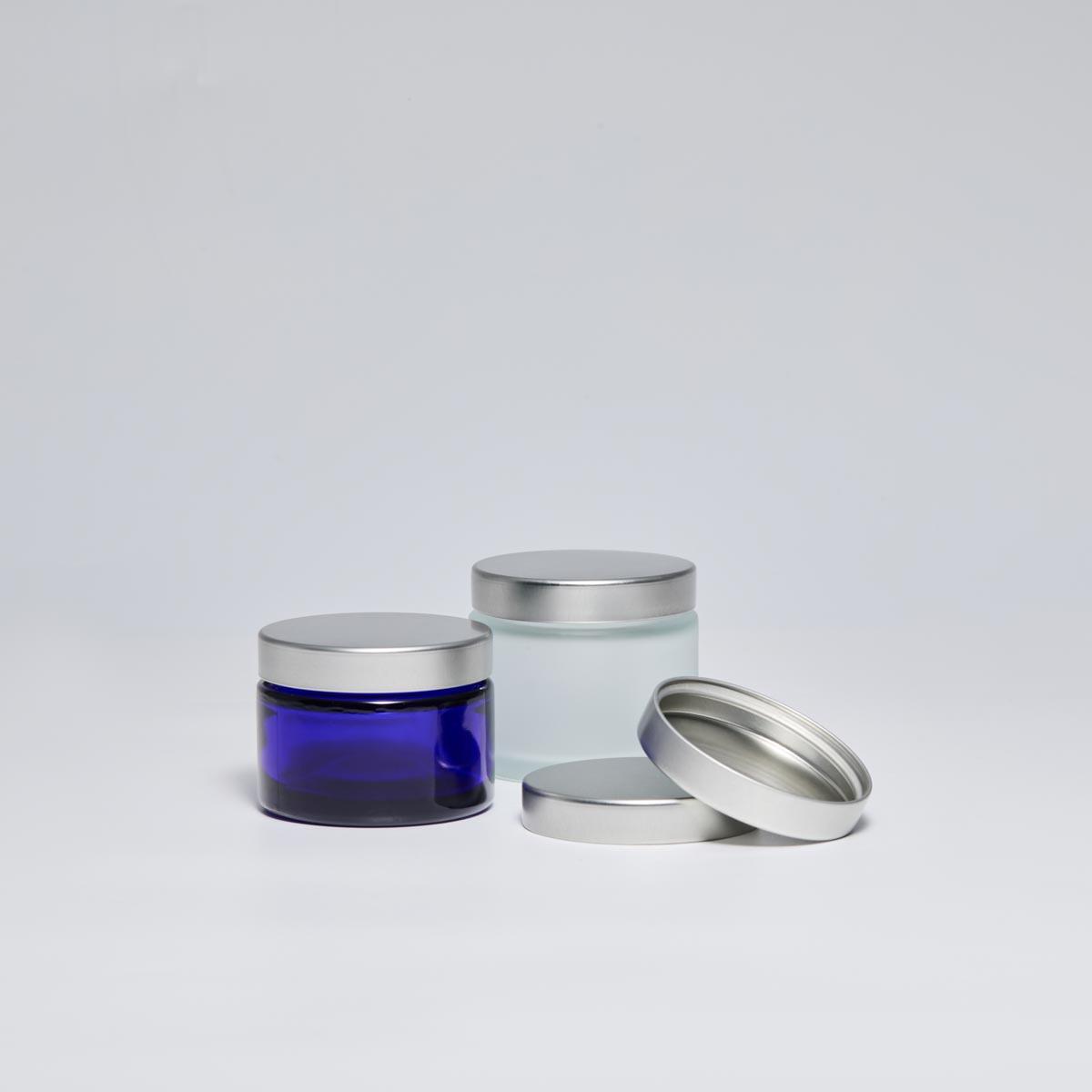
Tinplate material is a versatile steel product consisting of thin steel sheets coated with a layer of tin through an electroplating process. This unique composite structure combines the strength and formability of steel with the corrosion resistance and aesthetic appeal of tin. The tinplate material serves as an essential packaging solution across multiple industries, offering exceptional protection for contents while maintaining cost-effectiveness. The tin coating typically ranges from 2.8 to 11.2 grams per square meter, providing a protective barrier that prevents rust and contamination. Manufactured through cold rolling processes, tinplate material achieves precise thickness control, usually between 0.15 and 0.50 millimeters, making it ideal for forming into various container shapes. The technological features of tinplate material include excellent welding and soldering capabilities, superior printing surfaces for branding, and outstanding mechanical properties that allow deep drawing and complex forming operations. Its non-toxic nature makes it particularly suitable for food and beverage packaging, where safety and hygiene are paramount. The tinplate material also demonstrates remarkable resistance to light, oxygen, and moisture, ensuring extended shelf life for packaged products. Applications span food cans, beverage containers, aerosol cans, paint containers, and decorative tins. The material's recyclability adds environmental value, as tinplate material can be recovered and reprocessed indefinitely without quality degradation, supporting sustainable manufacturing practices and circular economy initiatives across global markets.

New Products

Choosing tinplate material delivers multiple practical benefits that directly impact your bottom line and product quality. The material provides superior product preservation, extending shelf life significantly compared to alternative packaging options, which reduces waste and improves inventory management for your business. The hermetic sealing capability of tinplate material ensures complete protection against external contaminants, moisture, and light exposure, maintaining product freshness and quality throughout distribution and storage. From an operational perspective, tinplate material offers exceptional manufacturing efficiency through high-speed production lines, reducing per-unit costs while maintaining consistent quality standards. The material's formability allows you to create distinctive package designs that enhance brand recognition and shelf appeal, giving you competitive advantages in crowded marketplaces. The tinplate material withstands temperature extremes during processing, including sterilization and pasteurization, making it perfect for preserved foods and beverages that require heat treatment. Your supply chain benefits from the material's durability, as packages resist denting and damage during transportation, minimizing product loss and customer complaints. The printing receptivity of tinplate material enables vibrant, high-resolution graphics that attract consumers and communicate brand values effectively. Economic advantages include lower total packaging costs when considering performance, protection, and longevity compared to alternatives. The material's complete recyclability aligns with corporate sustainability goals while reducing disposal costs and environmental impact. The tinplate material requires no special handling or storage conditions, simplifying logistics and warehouse operations. Its proven track record across decades of use provides reliability and confidence for decision-makers evaluating packaging investments, while established global supply chains ensure consistent availability and competitive pricing for your procurement needs.

Tips And Tricks

The Engineering of a Perfect Seal: Decoding Uniseel Technical Drawings for Global Packaging Compatibility

07

Jun

The Engineering of a Perfect Seal: Decoding Uniseel Technical Drawings for Global Packaging Compatibility

View More
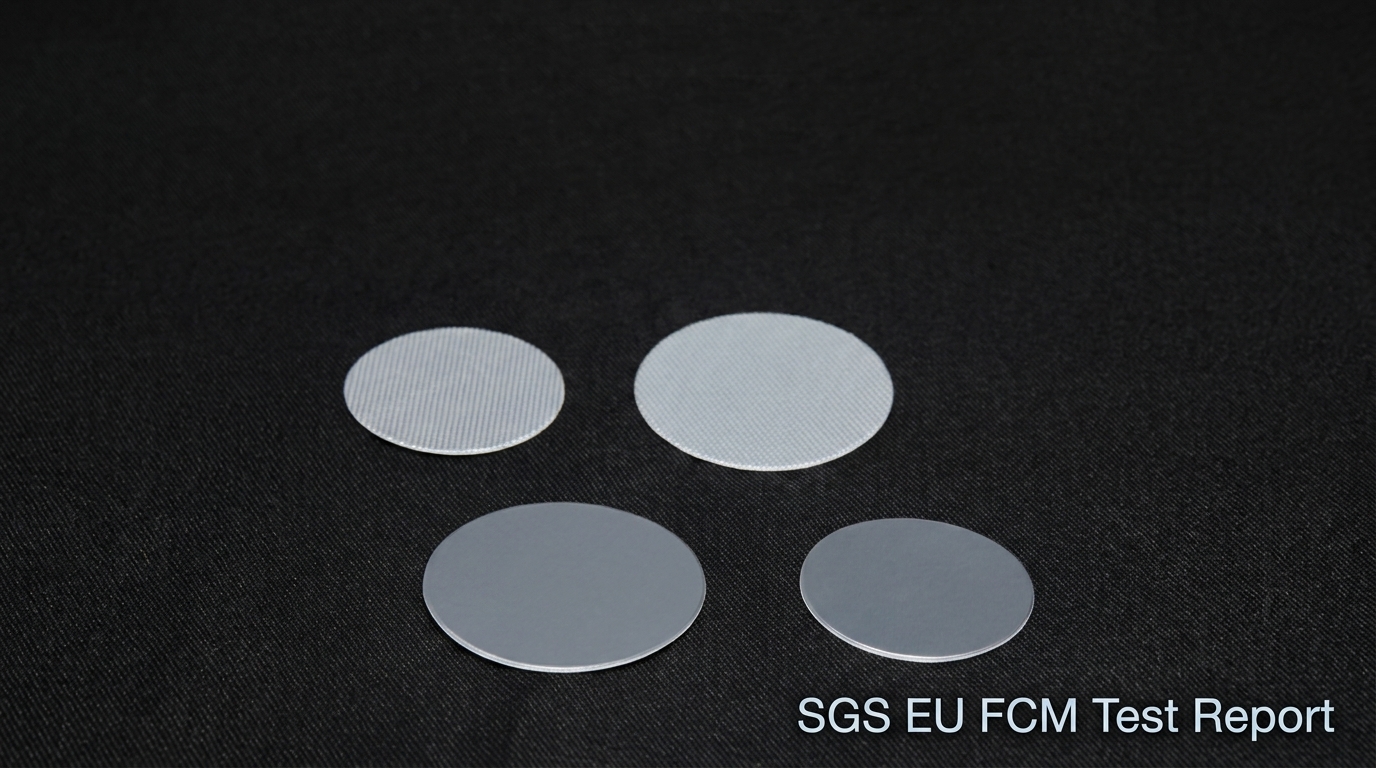
The Critical Barrier: Decoding the SGS EU FCM Report for Uniseel IHS Aluminum Foil Liners

08

Jun

The Critical Barrier: Decoding the SGS EU FCM Report for Uniseel IHS Aluminum Foil Liners

View More
Troubleshooting IHS Sealing: Expert FAQ on Induction Heat Seal Liner Optimization

07

Jun

Troubleshooting IHS Sealing: Expert FAQ on Induction Heat Seal Liner Optimization

View More
An Open Letter to Our Partners: Why We Ship Every Packaging Sample with a Technical Commitment

07

Jun

An Open Letter to Our Partners: Why We Ship Every Packaging Sample with a Technical Commitment

View More

Get a Free Quote

Our representative will contact you soon.
Email
Mobile/WhatsApp
Name
Company Name
Message
0/1000

tinplate material

Exceptional Barrier Protection and Product Safety

Exceptional Barrier Protection and Product Safety

The tinplate material delivers unmatched barrier properties that safeguard your products against environmental factors threatening quality and safety. The tin coating creates an impermeable shield preventing oxygen transmission, which is critical for maintaining freshness in food products and preventing oxidation in sensitive contents. This barrier functionality extends to moisture protection, eliminating rust formation on the steel substrate while keeping humidity away from packaged goods. The non-reactive nature of tin ensures no flavor transfer or chemical interaction with contents, preserving taste profiles and product integrity throughout shelf life. For food applications, the tinplate material meets stringent safety regulations worldwide, providing peace of mind for manufacturers and consumers alike. The material's light-blocking properties protect photosensitive products from degradation, particularly important for beverages, oils, and pharmaceutical items. This comprehensive protection system reduces spoilage rates dramatically, translating to lower return rates, enhanced customer satisfaction, and stronger brand reputation. The hermetic sealing achieved with tinplate material containers creates vacuum environments ideal for preserved foods, eliminating bacterial growth without chemical preservatives. This protective performance remains consistent across varying storage conditions and extended timeframes, ensuring product quality from production through consumption.
Superior Formability and Design Versatility

Superior Formability and Design Versatility

The tinplate material offers outstanding formability characteristics that enable diverse packaging solutions tailored to specific product requirements and branding objectives. The material's ductility allows complex shaping operations including deep drawing, embossing, and intricate detail formation without cracking or material failure. Manufacturers can produce cylindrical cans, rectangular containers, irregularly shaped decorative tins, and custom designs that differentiate products in competitive markets. The consistent thickness and mechanical properties of tinplate material ensure uniform forming results across high-volume production runs, maintaining tight dimensional tolerances essential for automated filling and sealing operations. The smooth surface finish provides an ideal substrate for advanced printing techniques, including lithography and digital printing, enabling photographic-quality graphics and vibrant color reproduction that enhance brand visibility. This design flexibility extends to structural features like easy-open ends, resealable closures, and ergonomic shapes that improve user experience and convenience. The tinplate material accommodates various finishing options including lacquering, varnishing, and specialty coatings that add functional benefits or aesthetic enhancements. This versatility empowers brands to create distinctive packaging identities while maintaining the protective and functional benefits inherent to the material, supporting marketing objectives alongside practical packaging requirements.
Environmental Sustainability and Economic Efficiency

Environmental Sustainability and Economic Efficiency

The tinplate material stands as an environmentally responsible packaging choice that aligns profitability with sustainability objectives through comprehensive lifecycle advantages. As a permanently recyclable material, tinplate material can be recovered from waste streams and reprocessed infinitely without degrading quality or performance characteristics, supporting circular economy principles and reducing raw material demands. Magnetic separation technology enables efficient sorting of tinplate material from mixed waste, achieving high recovery rates that exceed many alternative packaging materials. The recycling process requires significantly less energy than primary steel production, reducing carbon footprint and environmental impact while generating economic value from post-consumer waste. From a cost perspective, the tinplate material delivers exceptional value through long service life, damage resistance, and protection performance that minimizes product loss throughout supply chains. The material's light weight relative to protective capability reduces transportation costs and emissions compared to heavier packaging alternatives like glass. Established global manufacturing infrastructure and standardized production processes ensure competitive pricing and reliable supply availability for businesses of all sizes. The durability of tinplate material packages enables reuse opportunities for decorative and gift packaging applications, extending product lifecycle and enhancing perceived value. These combined environmental and economic benefits make tinplate material a strategic choice for forward-thinking organizations balancing performance requirements with corporate responsibility commitments and cost management objectives.
Tinplate Material: Properties & Applications

Get a Free Quote

Our representative will contact you soon.
Email
Mobile/WhatsApp
Name
Company Name
Message
0/1000