
 EN
EN

A defective ihs liner can compromise your entire production line and damage your brand reputation. The ihs liner serves as a critical component in sealing pet plastic containers, providing tamper evidence and product protection. Identifying defects early prevents costly recalls, customer complaints, and regulatory violations. Understanding the signs of a failing ihs liner is essential for maintaining consistent product quality and consumer trust.
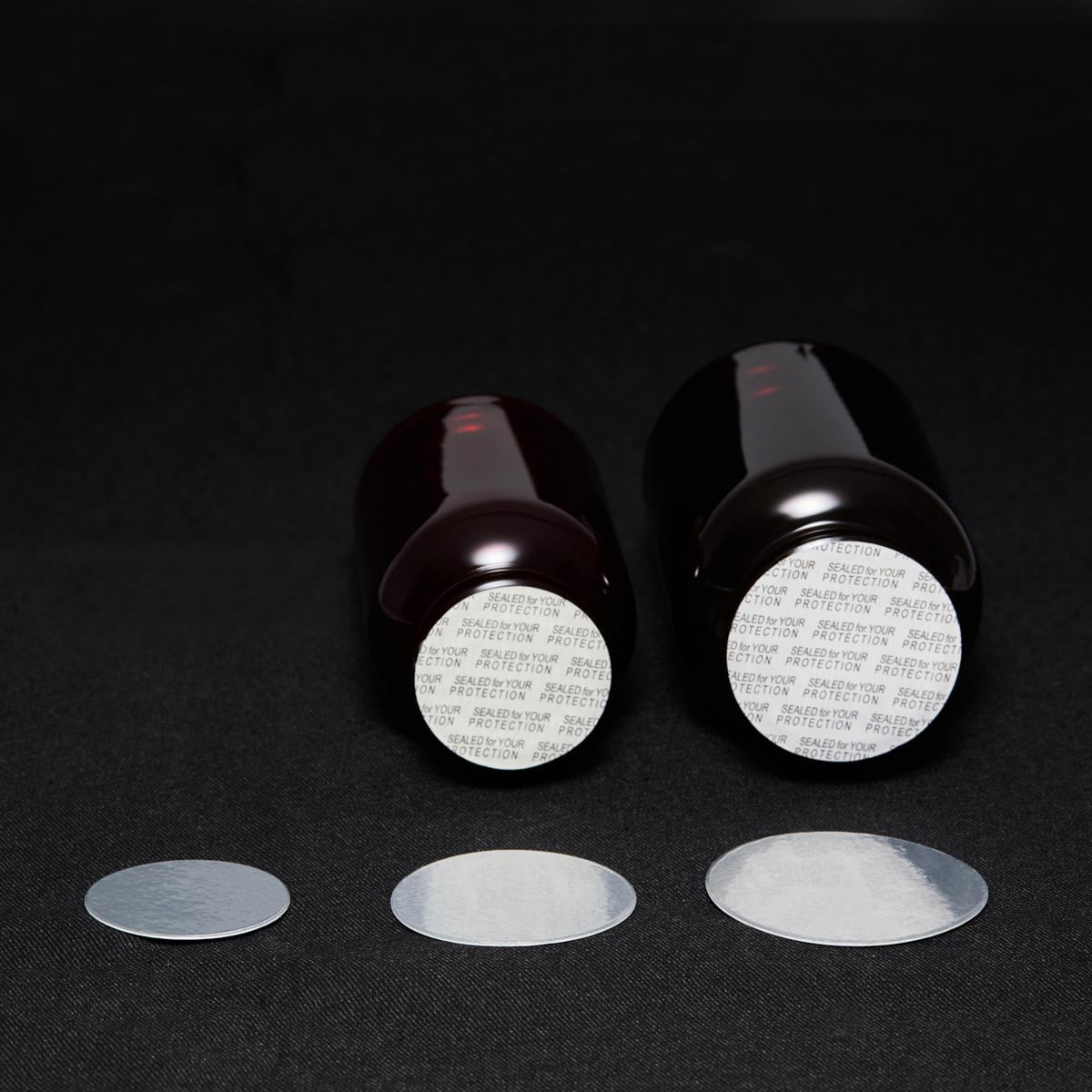
Manufacturing environments demand precision and reliability. The ihs liner must perform consistently across thousands of production cycles. When an ihs liner fails to seal properly, moisture ingress, product contamination, and loss of tamper evidence become real risks. Production managers and quality inspectors need practical knowledge to spot defects before containers reach distribution channels.
Visual Indicators of Defective IHS Liner Performance
Visible Seal Deterioration and Surface Defects
A compromised ihs liner often displays visible surface degradation. Look for cracks, peeling, or separation along the seal perimeter where the ihs liner adheres to the container opening. Discoloration patterns indicate uneven heat distribution or material breakdown. When the ihs liner shows white spots, cloudiness, or translucent patches, the sealing compound may have degraded or oxidized. These visual cues signal that the ihs liner is not forming a complete, airtight barrier.
Incomplete Seal Formation and Edge Gaps
A properly functioning ihs liner creates a uniform, continuous seal around the entire container perimeter. If the ihs liner leaves gaps, thin spots, or incomplete coverage, sealing failure is imminent. Run your fingernail along the seal edge; a defective ihs liner may separate or flake away easily. Uneven thickness in the ihs liner film indicates inconsistent material application or temperature fluctuations during the sealing process. Containers with these defects should be rejected immediately, as the ihs liner cannot provide adequate product protection.
Functional Testing Methods for IHS Liner Defect Detection
Seal Strength and Tamper Evidence Testing
Place sealed containers in a controlled environment and apply gradual pressure to test ihs liner integrity. A defective ihs liner will separate or tear under minimal force, revealing poor adhesion or material fatigue. The ihs liner should maintain its seal barrier even when containers are dropped from a standard height or subjected to thermal cycling. Test tamper evidence by attempting to remove the seal manually; a functioning ihs liner resists removal and shows obvious signs of tampering if disturbed. Batch-test samples every hour to catch ihs liner defects before they spread through production.
Moisture Ingress and Shelf-Life Validation
Place filled containers with a defective ihs liner in humidity chambers and monitor for moisture penetration. If the ihs liner fails, internal product degradation will occur within days or weeks, depending on product sensitivity. Conduct accelerated aging tests by storing sealed containers at elevated temperatures; a weak ihs liner will show visible condensation, product discoloration, or separation within 48 hours. Real-world shelf-life validation confirms whether your ihs liner maintains product integrity throughout the intended storage period. This testing is critical for ensuring the ihs liner meets regulatory and customer expectations.
Root Causes and Preventive Measures for IHS Liner Failure
Equipment Setup and Temperature Control Issues
Improper sealing temperature is the primary cause of defective ihs liner performance. If the equipment runs too cold, the ihs liner compound will not activate fully, creating weak adhesion. Conversely, excessive heat can degrade the ihs liner material, causing brittleness and premature failure. Regular calibration of heating elements ensures consistent ihs liner activation. Check equipment pressure settings weekly; inadequate sealing pressure prevents the ihs liner from achieving full contact with the container rim, resulting in partial or failed seals.
Material Quality and Supply Chain Oversight
Defective ihs liner products can originate from manufacturing inconsistencies or storage degradation. Verify that your ihs liner supplier maintains strict quality control and conducts batch testing. Store ihs liner materials in climate-controlled conditions; exposure to extreme humidity or temperature fluctuations compromises the sealing compound's chemical properties. Inspect incoming ihs liner batches upon arrival, checking for visible defects, proper labeling, and documentation of manufacturing dates. Establish a maximum shelf-life policy for ihs liner inventory to prevent the use of aged or degraded materials on your production line.
FAQ
How often should I test the ihs liner for defects?
Conduct functional ihs liner testing every production shift, with additional sampling whenever you change container designs, suppliers, or equipment settings. Start each shift with a sample batch of five to ten containers sealed with the ihs liner; verify seal strength and visual integrity before running full production. Increase testing frequency if you detect any anomalies in ihs liner performance, environmental changes, or equipment maintenance.
What causes an ihs liner to fail suddenly during production?
An ihs liner can fail suddenly due to temperature fluctuations, humidity spikes, equipment misalignment, or contamination on the container rim. If production halts or container specifications change, verify that sealing parameters match the ihs liner's requirements. Check that equipment nozzles are clean and that the ihs liner is applied at the correct height and angle for optimal seal formation.
Can a defective ihs liner be repaired or must containers be discarded?
A defective ihs liner cannot be reliably repaired without compromising product safety and regulatory compliance. Containers with failed ihs liner seals should be discarded or reprocessed only if your facility has validated resealing protocols. Attempting to reseal containers or ignoring ihs liner defects risks product recalls, customer harm, and legal liability.