
 EN
EN



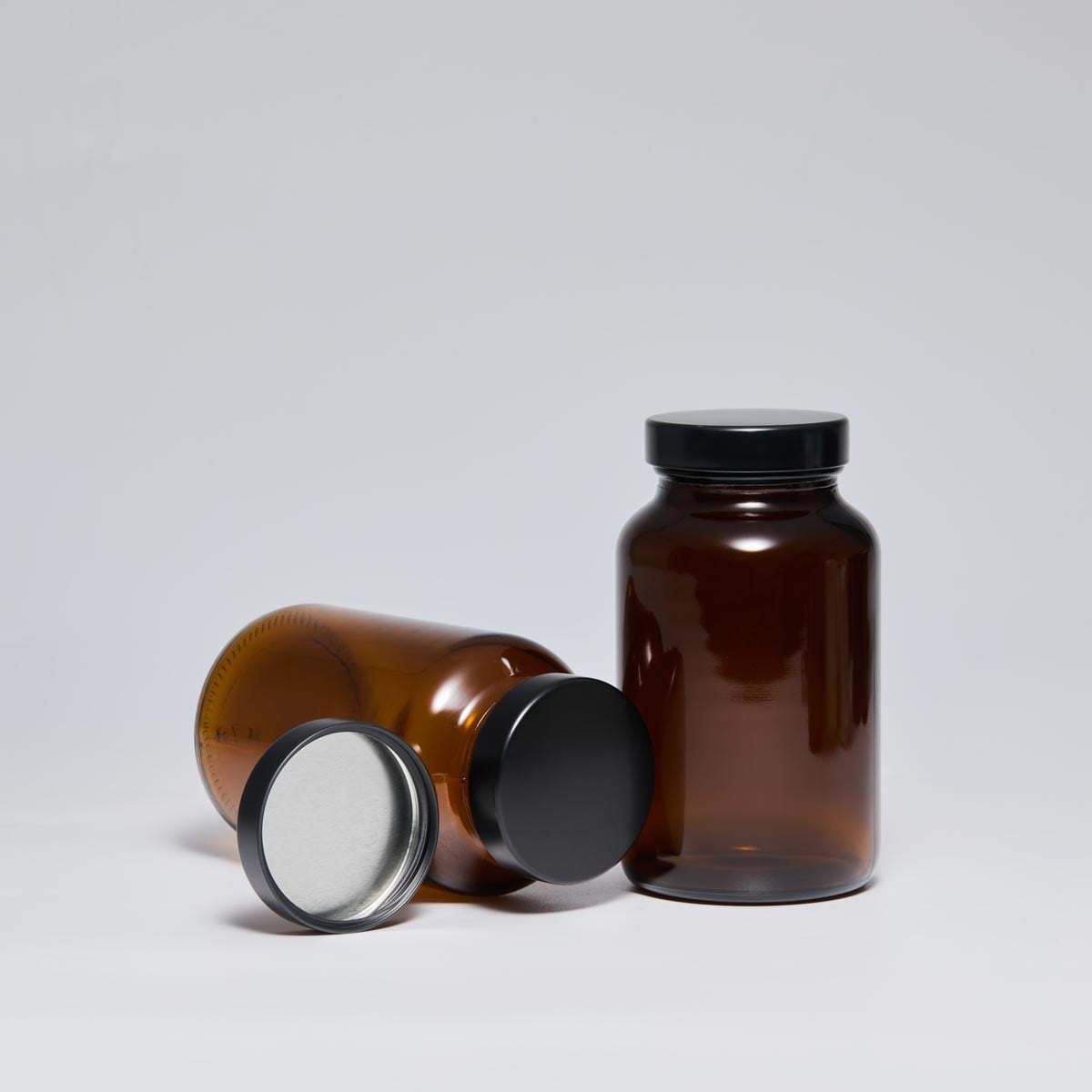
The shift from plastic to metal closures represents one of the most significant packaging transformations in the eco-luxury sector today. As premium brands increasingly prioritize sustainability alongside elegance, metal closures have emerged as the material of choice for discerning manufacturers and consumers alike. This transition reflects deeper market forces: growing environmental consciousness, regulatory pressure on single-use plastics, and the premium positioning that metal closures naturally convey. Understanding why metal closures are becoming the default choice reveals important trends about brand differentiation, consumer values, and the future of luxury packaging.

Metal closures now dominate conversations in the eco-luxury beauty, wellness, and supplement industries because they simultaneously solve multiple brand challenges. They eliminate the plastic stigma that contradicts sustainability messaging, they create a tactile premium experience that justifies higher price points, and they deliver measurable environmental benefits that resonate with conscious consumers. The adoption of metal closures accelerates as supply chains mature and manufacturers recognize that the investment in transitioning to metal closures generates significant competitive advantage in today's market.
Environmental and Sustainability Advantages of Metal Closures
Recyclability and Circular Economy Impact
Metal closures outperform plastic alternatives in end-of-life recyclability. While many plastic closures languish in landfills or contaminate recycling streams, metal closures integrate seamlessly into established aluminum and steel recycling infrastructure. This fundamental difference drives the eco-luxury sector's preference for metal closures. Recycling metal closures requires minimal additional processing, and the material retains its properties through multiple recycling cycles without degradation. Brands that specify metal closures can authentically market their packaging as part of a circular economy, transforming product closure design from a liability into a selling point that reinforces brand values.
Reducing Microplastic Contamination
Plastic closures contribute to microplastic pollution, particularly when products are used and discarded near water sources or in sensitive ecosystems. Metal closures eliminate this contamination vector entirely. The eco-luxury consumer increasingly researches packaging impact as thoroughly as product composition, making this distinction meaningful. When luxury skincare brands or supplement manufacturers specify metal closures instead of plastic alternatives, they demonstrate genuine commitment to environmental stewardship that extends beyond marketing claims. This authenticity builds lasting brand loyalty among eco-conscious buyers who verify packaging choices before making premium purchases.
Premium Positioning and Consumer Psychology
Tactile Experience and Perceived Value
Metal closures deliver an immediate sensory experience that plastic cannot replicate. The weight, temperature, and sound of metal closures signal quality and durability to consumers the moment they touch a product. This tactile communication justifies premium pricing in ways that are difficult to quantify but readily felt by users. Luxury brands recognize that metal closures contribute disproportionately to perceived value relative to their material cost. When consumers purchase eco-luxury products, they expect packaging that reflects the premium positioning of the product inside. Metal closures meet this expectation by creating an unboxing experience that feels intentional, careful, and deserving of the investment required.
Brand Differentiation in Crowded Markets
The eco-luxury sector faces intense competition from established mass-market brands entering the sustainability space. Metal closures provide a visible, tangible differentiator that clearly distinguishes premium eco-conscious brands from greenwashing competitors. When a luxury supplement brand or high-end personal care company specifies metal closures, that decision communicates across every customer touchpoint. The visual distinctiveness of metal closures on shelves, in unboxing videos, and in social media content creates brand recognition that reinforces positioning. This differentiation becomes particularly valuable as more consumers actively seek genuinely sustainable products, and metal closures serve as a credible signal in that search process.
Technical and Market Adoption Factors
Supply Chain Maturation and Accessibility
Metal closures have transitioned from specialty items to readily accessible components as manufacturers worldwide developed capacity to serve growing demand. This supply chain maturation removes historical barriers to adoption and enables even emerging eco-luxury brands to specify metal closures without prohibitive lead times or minimum order volumes. Standardized metal closure designs ensure compatibility with existing filling equipment, reducing the capital investment required for brands to transition from plastic. The professionalization of metal closure suppliers means that quality, consistency, and cost predictability have improved substantially, making metal closures the rational choice from both sustainability and operational perspectives.
Regulatory Tailwinds Supporting Metal Closure Adoption
Regulatory initiatives restricting single-use plastics accelerate the structural shift toward metal closures. New regulations in Europe, North America, and Asia create compliance pressures that make the transition to metal closures increasingly mandatory rather than optional. Brands operating in multiple markets find that specifying metal closures globally simplifies compliance and supply chain complexity. As regulations tighten and environmental standards become more stringent, the cost differential between metal closures and compliant plastic alternatives narrows further. This regulatory environment transforms metal closures from a premium choice into a practical necessity, amplifying their adoption across the eco-luxury sector and beyond.
FAQ
Are metal closures truly more sustainable than modern recycled plastic alternatives?
Metal closures possess inherent sustainability advantages because they recycle indefinitely without quality degradation, whereas recycled plastic degrades progressively and often downcycles into lower-value applications. Metal closures integrate into established infrastructure, face fewer contamination issues in recycling streams, and generate zero microplastic pollution during product use or disposal. Even recycled plastic closures require virgin content in blends and eventually reach end-of-life. For eco-luxury brands committed to authentic sustainability messaging, metal closures provide measurable advantages that transcend greenwashing and deliver genuine environmental benefit.
How do metal closures impact production timelines and product launch schedules?
Metal closures no longer introduce significant delays compared to plastic alternatives. Mature supply chains deliver consistent lead times, and standard designs accommodate existing filling machinery without retooling. Brands can transition to metal closures without postponing product launches or incurring substantial equipment modifications. The standardization of metal closure specifications means that design flexibility and production speed remain comparable to plastic alternatives while delivering the sustainability and premium positioning benefits that drive the transition. This accessibility removes the historical excuse that metal closures were impractical for scaling eco-luxury brands.
What cost considerations should brands evaluate when switching to metal closures?
While metal closures typically carry higher per-unit material costs than conventional plastic, the premium pricing that metal closures enable often offsets or exceeds material cost differentials. Brands report that consumers willingly absorb closure cost premiums when packaging authentically reflects sustainability commitment and delivers genuine luxury experience. Beyond direct material costs, metal closures reduce regulatory risk, enhance brand positioning, support premium pricing strategy, and eliminate future compliance expenses as plastic restrictions intensify. For eco-luxury brands, the financial analysis typically favors metal closures when total lifecycle costs, brand value, and risk mitigation are incorporated into the decision framework.