Premium Tinplate Solutions for Packaging

Premium Unishell Caps & Sealing Liners contact us

tinplate

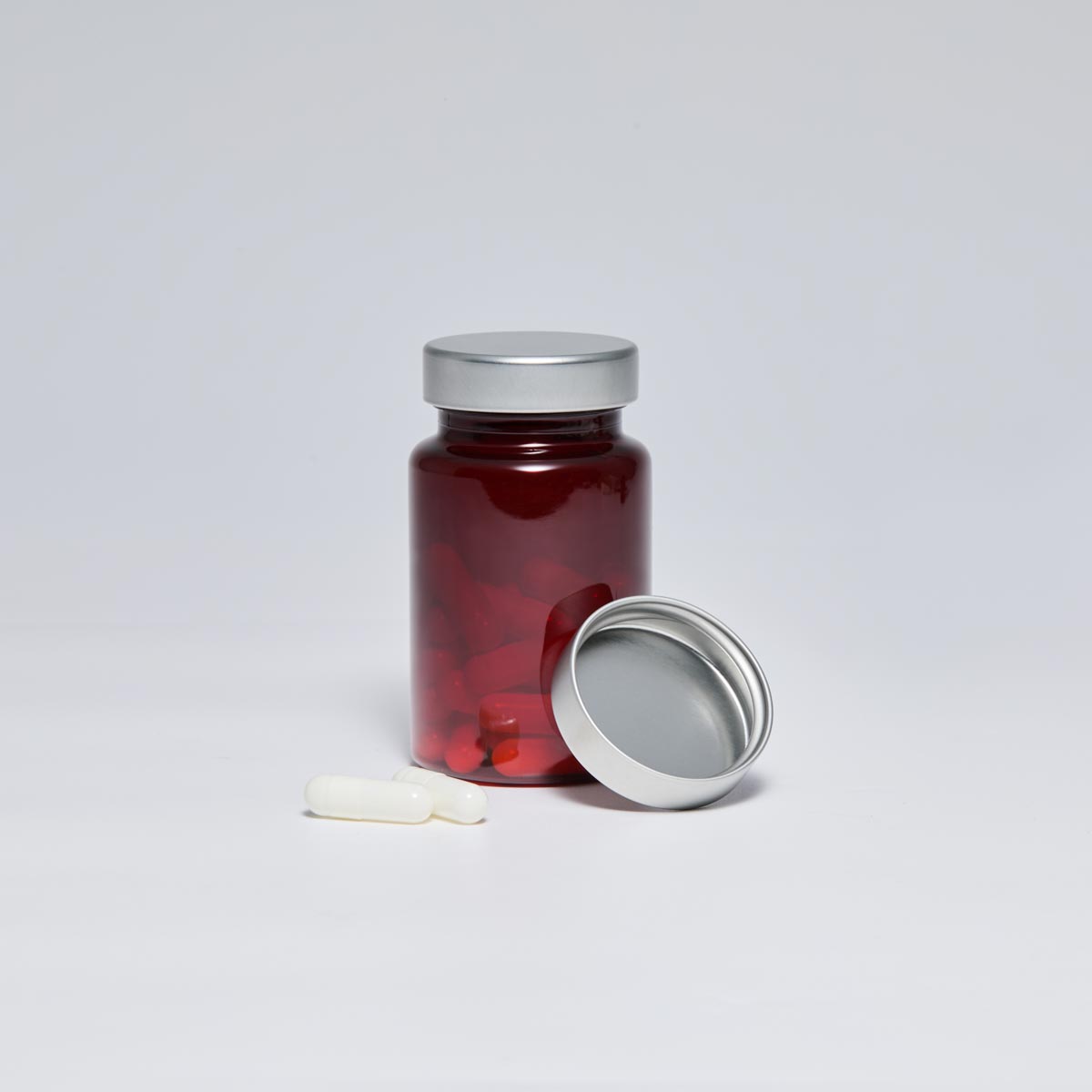
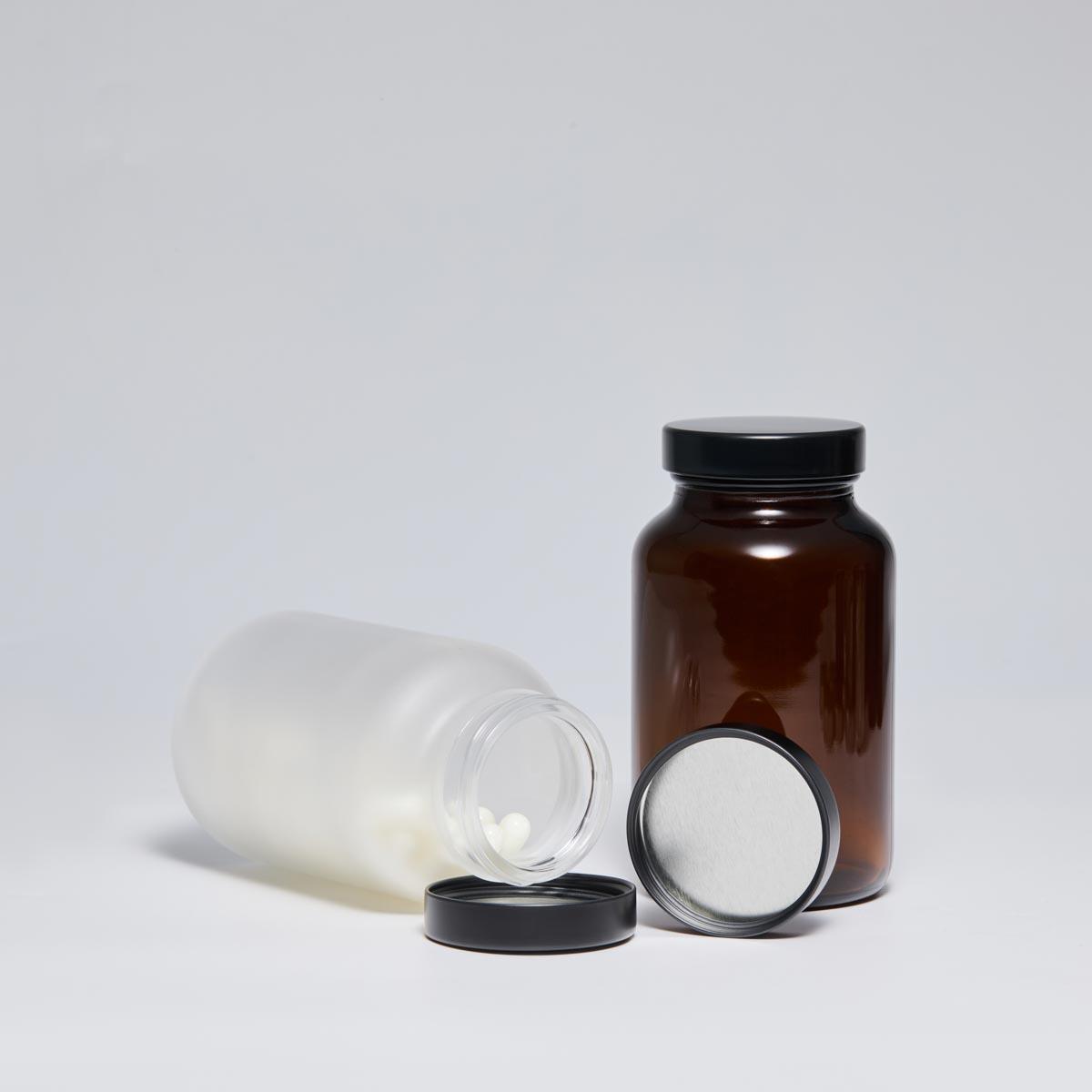
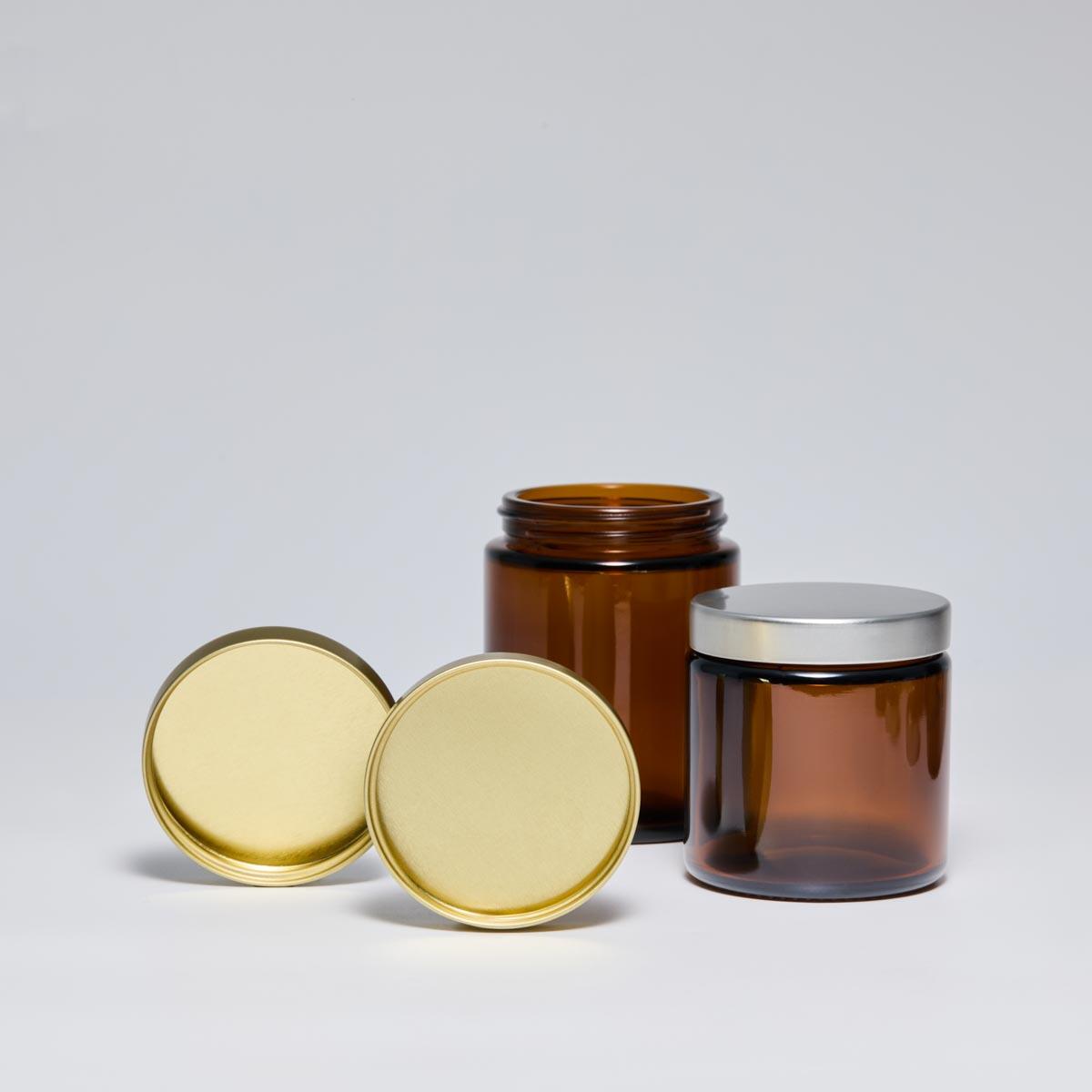
Tinplate is a thin steel sheet coated with a layer of tin through electroplating or hot-dipping processes, creating a versatile material that combines the strength of steel with the corrosion resistance of tin. This composite material typically consists of low-carbon steel as the base metal, covered with a tin coating ranging from 2.8 to 11.2 grams per square meter on each side. Tinplate serves as an essential packaging material across multiple industries due to its unique combination of protective properties and formability. The main functions of tinplate include providing an effective barrier against moisture, oxygen, and light, which makes it ideal for preserving food products, beverages, and other perishable goods. Technologically, tinplate features excellent weldability, allowing manufacturers to create seamless containers through various joining methods. The material exhibits superior printability, enabling high-quality graphics and branding directly on the surface. Tinplate demonstrates remarkable mechanical strength while maintaining flexibility for deep drawing and forming complex shapes. Applications span numerous sectors including food canning, beverage containers, aerosol cans, paint containers, and decorative tins. The material is widely used for packaging vegetables, fruits, meat, fish, dairy products, and ready-to-eat meals. Beyond food packaging, tinplate finds applications in manufacturing metal closures, crown caps, twist-off caps, and promotional packaging. Its recyclability makes tinplate an environmentally responsible choice, as it can be recycled indefinitely without losing quality, supporting sustainable packaging initiatives across global markets.


New Product Releases

Choosing tinplate for your packaging needs delivers multiple practical benefits that directly impact your bottom line and product quality. The material provides exceptional product protection, ensuring contents remain fresh and uncontaminated throughout extended storage periods and distribution channels. This superior barrier performance reduces product waste and returns, saving money while protecting your brand reputation. Tinplate offers remarkable durability that withstands rough handling during transportation and storage, minimizing damage-related losses. The material's rigidity maintains package integrity, preventing dents and deformations that could compromise seal quality or visual appeal. From an operational perspective, tinplate processes efficiently on high-speed production lines, supporting automated filling, sealing, and labeling operations that maximize throughput. The material's consistent quality ensures reliable performance across manufacturing runs, reducing downtime and quality control issues. Tinplate containers stack efficiently, optimizing warehouse space utilization and transportation costs compared to bulkier packaging alternatives. The material's temperature resistance allows for various sterilization and pasteurization processes, making it suitable for hot-fill applications and retort processing. For marketing purposes, tinplate accepts premium printing and embossing techniques that create distinctive shelf presence and enhance brand recognition. The lustrous metallic surface provides an attractive base for vibrant colors and detailed graphics that capture consumer attention. Economically, tinplate represents a cost-effective packaging solution when considering its protective performance, longevity, and reusability potential. Consumers appreciate tinplate packaging for its convenience, as containers feature easy-open ends and resealable options. The material's complete recyclability aligns with growing environmental consciousness, helping brands meet sustainability goals while appealing to eco-minded consumers. Tinplate's proven track record across decades of use provides confidence in its reliability and safety for food contact applications.

Tips And Tricks

Verified Industrial Excellence: Inside the Patent-Driven Manufacturing of Shengxiang  and Uniseel

07

Jun

Verified Industrial Excellence: Inside the Patent-Driven Manufacturing of Shengxiang and Uniseel

View More
The Engineering of a Perfect Seal: Decoding Uniseel Technical Drawings for Global Packaging Compatibility

07

Jun

The Engineering of a Perfect Seal: Decoding Uniseel Technical Drawings for Global Packaging Compatibility

View More
Verified Safety: Decoding the SGS FDA Test Report for Uniseel Silver Unishell Caps

08

Jun

Verified Safety: Decoding the SGS FDA Test Report for Uniseel Silver Unishell Caps

View More
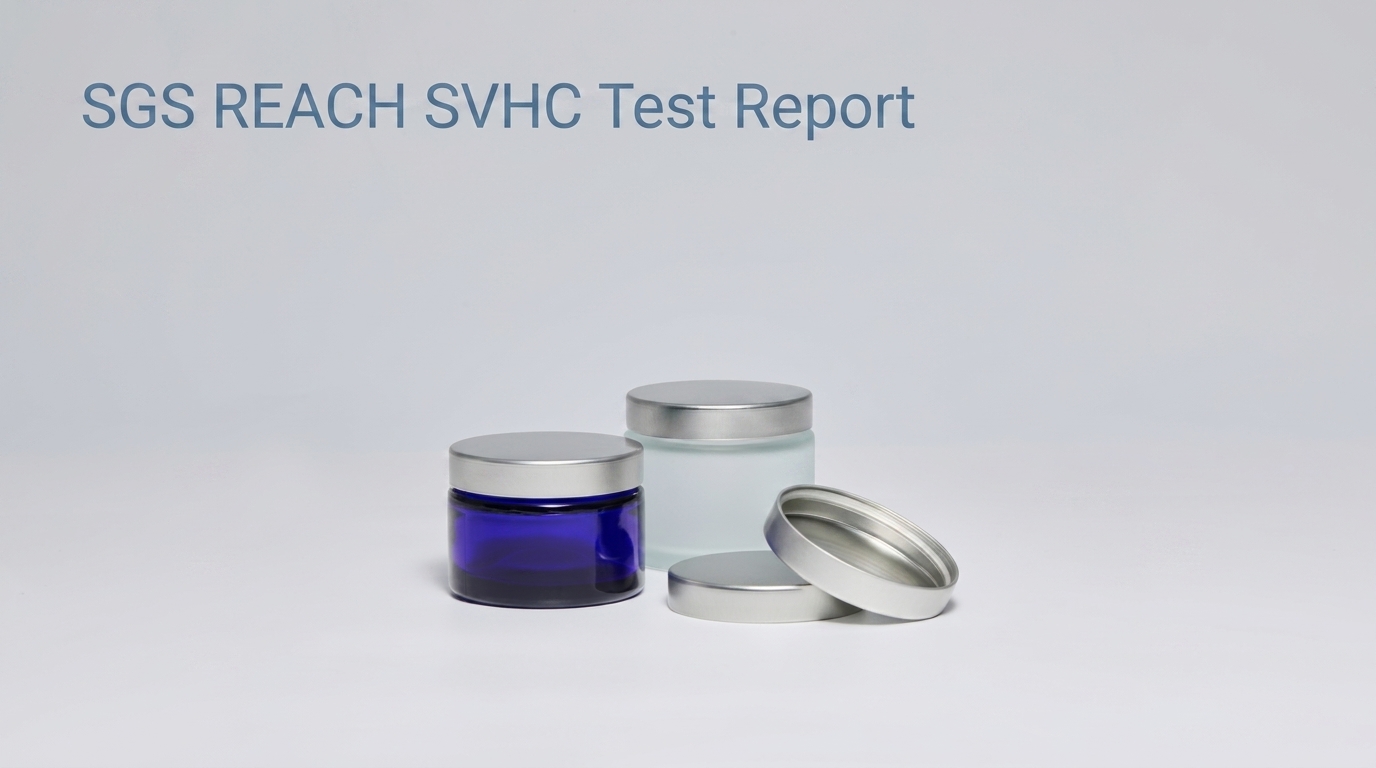
Beyond Compliance: Decoding the SGS REACH SVHC Test Report for Uniseel Silver Unishell Caps

03

Jun

Beyond Compliance: Decoding the SGS REACH SVHC Test Report for Uniseel Silver Unishell Caps

View More

Get a Free Quote

Our representative will contact you soon.
Email
Mobile/WhatsApp
Name
Company Name
Message
0/1000

tinplate

Superior Corrosion Resistance and Food Safety

Superior Corrosion Resistance and Food Safety

Tinplate delivers unmatched corrosion resistance through its tin coating, which acts as a sacrificial layer protecting the underlying steel from rust and degradation. This protective mechanism ensures that packaged products maintain their quality, taste, and nutritional value without metallic contamination or off-flavors. The tin coating creates a chemically stable surface that resists interaction with acidic foods, alkaline substances, and moisture, making tinplate suitable for diverse product formulations. Food safety authorities worldwide approve tinplate for direct food contact because the tin layer is non-toxic and provides an inert barrier between contents and the steel substrate. The material meets stringent international standards for food packaging, including FDA regulations and European Union directives. Manufacturers can apply additional protective lacquers or coatings to tinplate surfaces for enhanced compatibility with specific products, such as highly acidic tomato-based foods or sulfur-containing vegetables. This customization capability allows brands to optimize packaging performance for their unique product requirements while maintaining the fundamental protective benefits of tinplate. The corrosion resistance translates to extended shelf life for packaged goods, reducing spoilage rates and enabling longer distribution chains that reach broader markets.
Exceptional Formability and Manufacturing Versatility

Exceptional Formability and Manufacturing Versatility

Tinplate exhibits outstanding formability that enables manufacturers to create packaging in virtually any shape or size, from simple cylindrical cans to complex decorative containers with intricate details. The material's ductility allows for deep drawing operations that form seamless bodies without compromising structural integrity or coating continuity. This manufacturing flexibility supports innovative package designs that differentiate products on crowded retail shelves while maintaining functional performance. Tinplate readily accepts various forming processes including stamping, embossing, curling, and beading, which create structural reinforcements and aesthetic features. The material's consistent mechanical properties ensure reliable processing on automated equipment, supporting high-volume production with minimal reject rates. Manufacturers can efficiently weld, solder, or mechanically join tinplate components to create complete packages with hermetic seals that preserve product freshness. The thin gauge of tinplate reduces material weight and transportation costs without sacrificing strength or protection. Different temper grades of tinplate accommodate specific forming requirements, from rigid containers that maintain precise dimensions to flexible materials for easy-open ends and closures. This manufacturing versatility enables cost-effective production of diverse packaging formats, helping brands optimize their packaging strategy across product lines while leveraging economies of scale in material procurement and processing equipment.
Environmental Sustainability and Circular Economy Benefits

Environmental Sustainability and Circular Economy Benefits

Tinplate stands as one of the most environmentally sustainable packaging materials available, offering complete recyclability that supports circular economy principles and reduces environmental impact. Steel, the primary component of tinplate, ranks as the world's most recycled material, with established collection and processing infrastructure in virtually every market. Recycled tinplate maintains identical properties to virgin material, allowing endless recycling cycles without quality degradation or downcycling into lesser applications. The recycling process for tinplate requires significantly less energy compared to producing new steel from iron ore, resulting in substantial carbon footprint reduction and resource conservation. Magnetic properties of tinplate facilitate easy separation from mixed waste streams, improving recycling efficiency and recovery rates. When consumers dispose of tinplate packaging in recycling bins, the material re-enters manufacturing cycles within weeks, creating closed-loop systems that minimize waste and environmental burden. Beyond recyclability, tinplate production has become increasingly sustainable through energy-efficient manufacturing processes and reduced coating weights that maintain performance while using fewer raw materials. The durability of tinplate packaging enables reuse applications, with many consumers repurposing decorative tins for storage and organization long after consuming original contents. This extended useful life further reduces environmental impact by displacing single-use alternatives and creating value beyond initial packaging function.
Premium Tinplate Solutions for Packaging

Get a Free Quote

Our representative will contact you soon.
Email
Mobile/WhatsApp
Name
Company Name
Message
0/1000