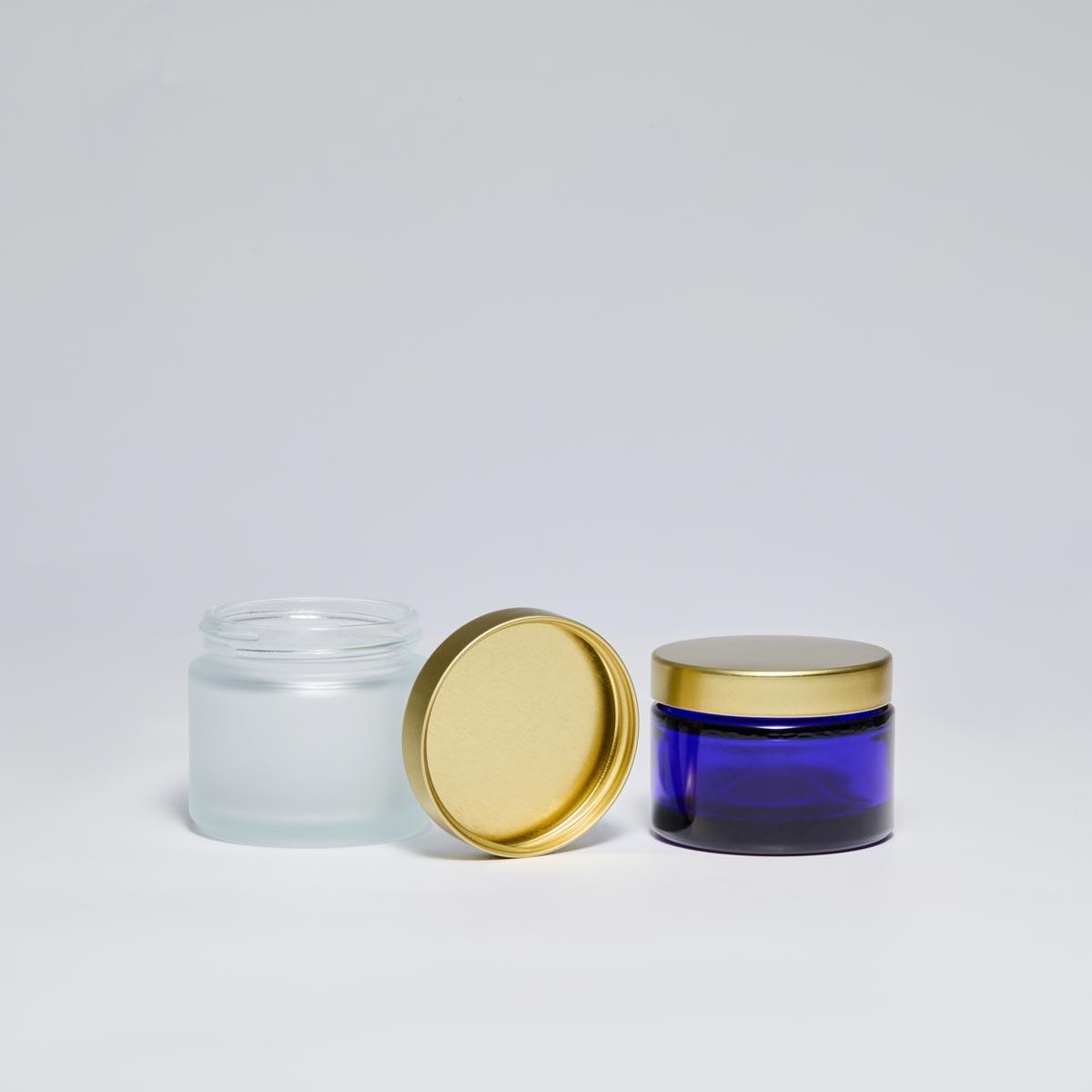
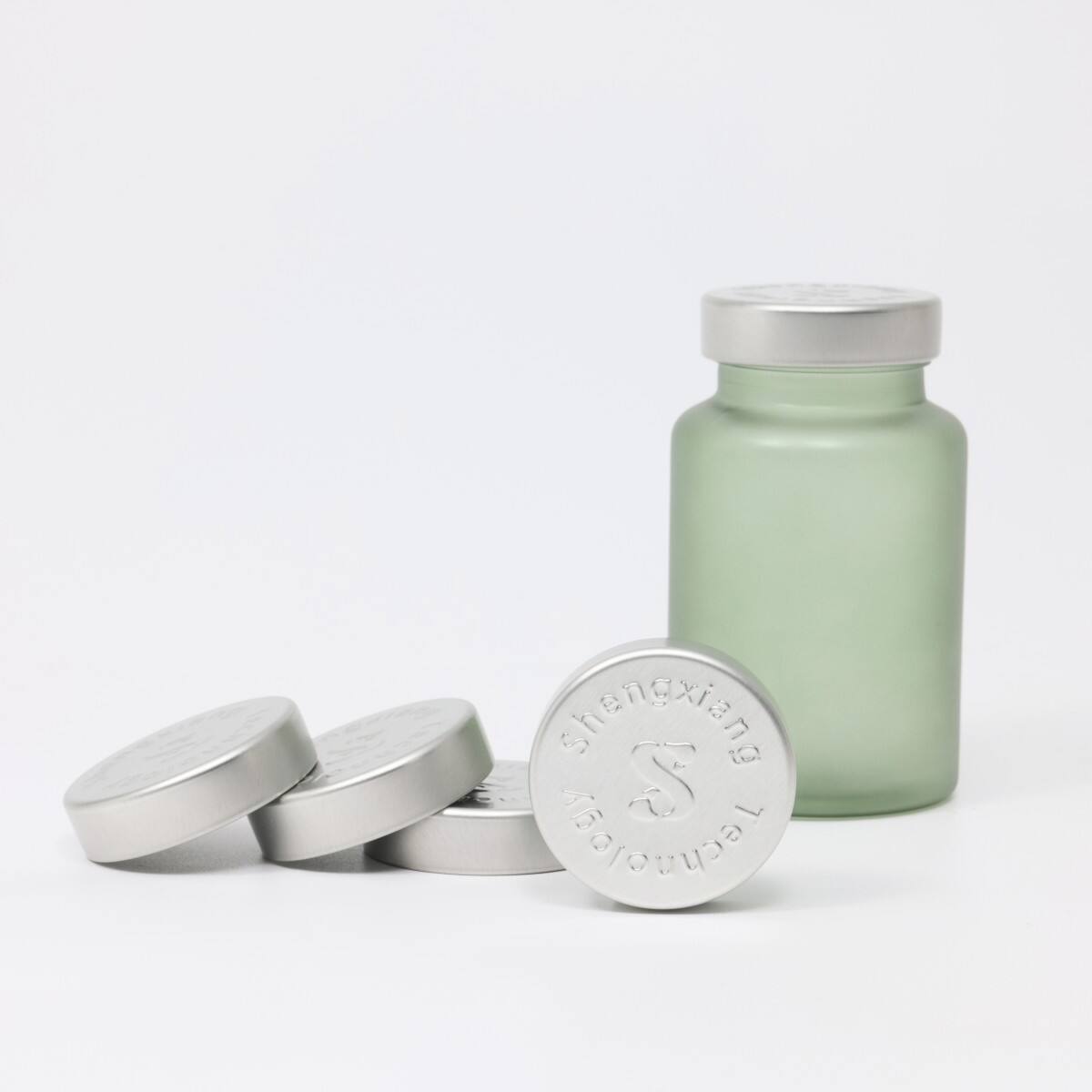
Without BPA Products: Safe & Durable Solutions

Premium Unishell Caps & Sealing Liners contact us

without bpa

Products labeled without bpa have become increasingly important in today's health-conscious marketplace, representing a commitment to consumer safety and environmental responsibility. BPA, or bisphenol A, is a chemical compound traditionally used in manufacturing plastics and resins, but extensive research has linked it to potential health concerns including hormonal disruption, developmental issues, and various chronic conditions. Items without bpa are manufactured using alternative materials and processes that eliminate this controversial chemical entirely. These products span numerous categories including water bottles, food storage containers, baby bottles, kitchen utensils, and packaging materials. The main function of choosing without bpa products is to provide consumers with safer alternatives that maintain durability and functionality while eliminating exposure to potentially harmful substances. Technological features include advanced polymer formulations, alternative plasticizers, and innovative manufacturing techniques that achieve the same strength, clarity, and heat resistance as traditional plastics. Applications extend across residential, commercial, and industrial settings where food contact, beverage storage, and daily use items require materials that won't leach chemicals into contents. Without bpa certification has become a standard quality marker, with manufacturers investing in rigorous testing and compliance measures to ensure their products meet safety standards established by regulatory bodies worldwide, making these items essential for families, health-focused individuals, and businesses prioritizing customer wellbeing.
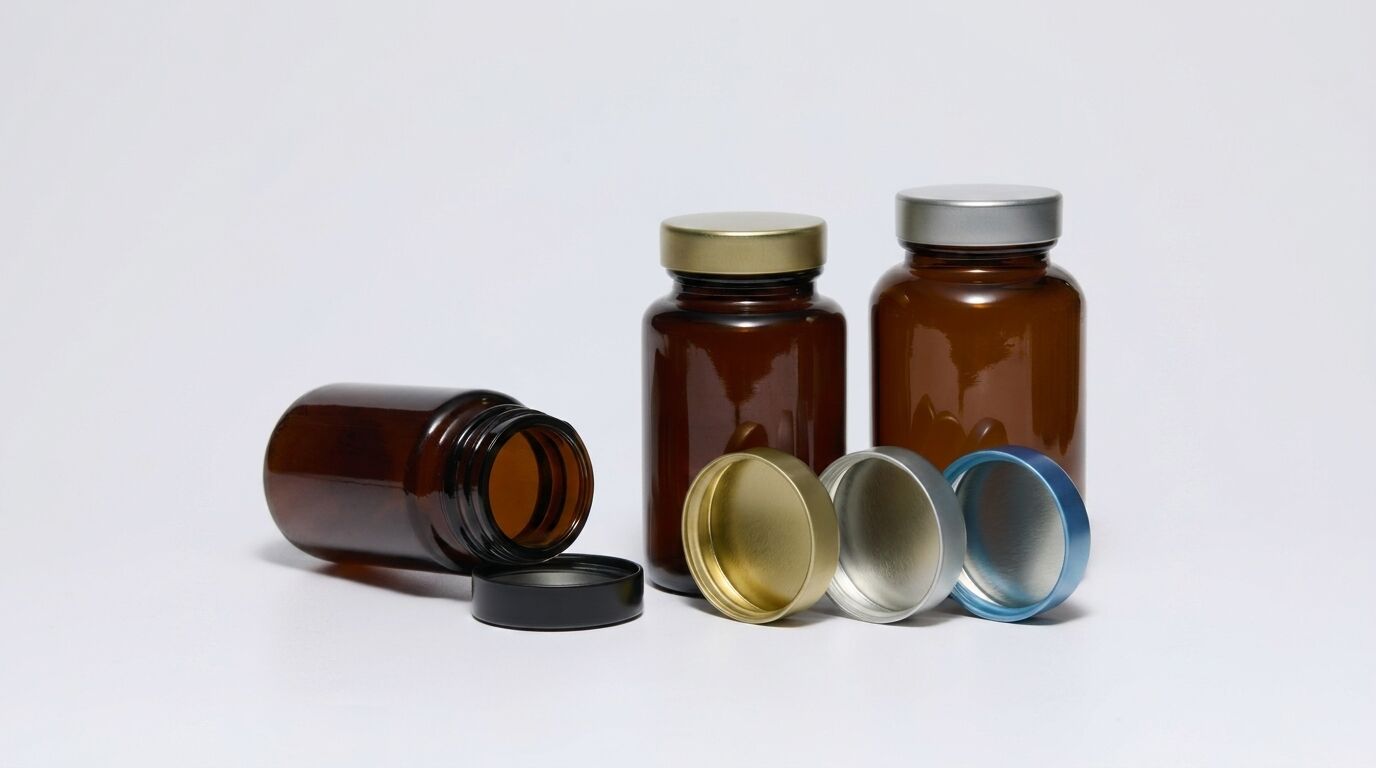
New Product Recommendations

Choosing products without bpa delivers significant health protection benefits that directly impact your family's wellbeing and long-term wellness. These items eliminate the risk of chemical migration into food and beverages, particularly important when containers are heated or used repeatedly. Parents especially value without bpa baby products because infants and children are more vulnerable to chemical exposure during critical developmental stages. From an operational perspective, modern without bpa products offer comparable or superior durability compared to traditional plastic alternatives, with manufacturers utilizing advanced materials that resist cracking, staining, and odor absorption. These products maintain their integrity through repeated washing cycles, temperature fluctuations, and daily wear, providing excellent long-term value. The application suitability of without bpa items extends across diverse environments from home kitchens to professional food service operations, outdoor recreation, and healthcare facilities. Decision-making becomes simpler when you understand that without bpa products meet stringent international safety standards while offering the same convenience and versatility you expect from everyday items. Many without bpa alternatives also demonstrate improved environmental profiles, as manufacturers often incorporate recycled content or design products for better end-of-life recyclability. The economic benefits become apparent through reduced health risks and potential medical costs associated with chemical exposure. Additionally, without bpa certification provides peace of mind and transparency, allowing consumers to make informed purchasing decisions based on verified safety data rather than marketing claims alone. Businesses that stock without bpa inventory demonstrate corporate responsibility and respond to growing consumer demand for safer products, potentially increasing customer loyalty and market share in health-conscious demographics.

Latest News

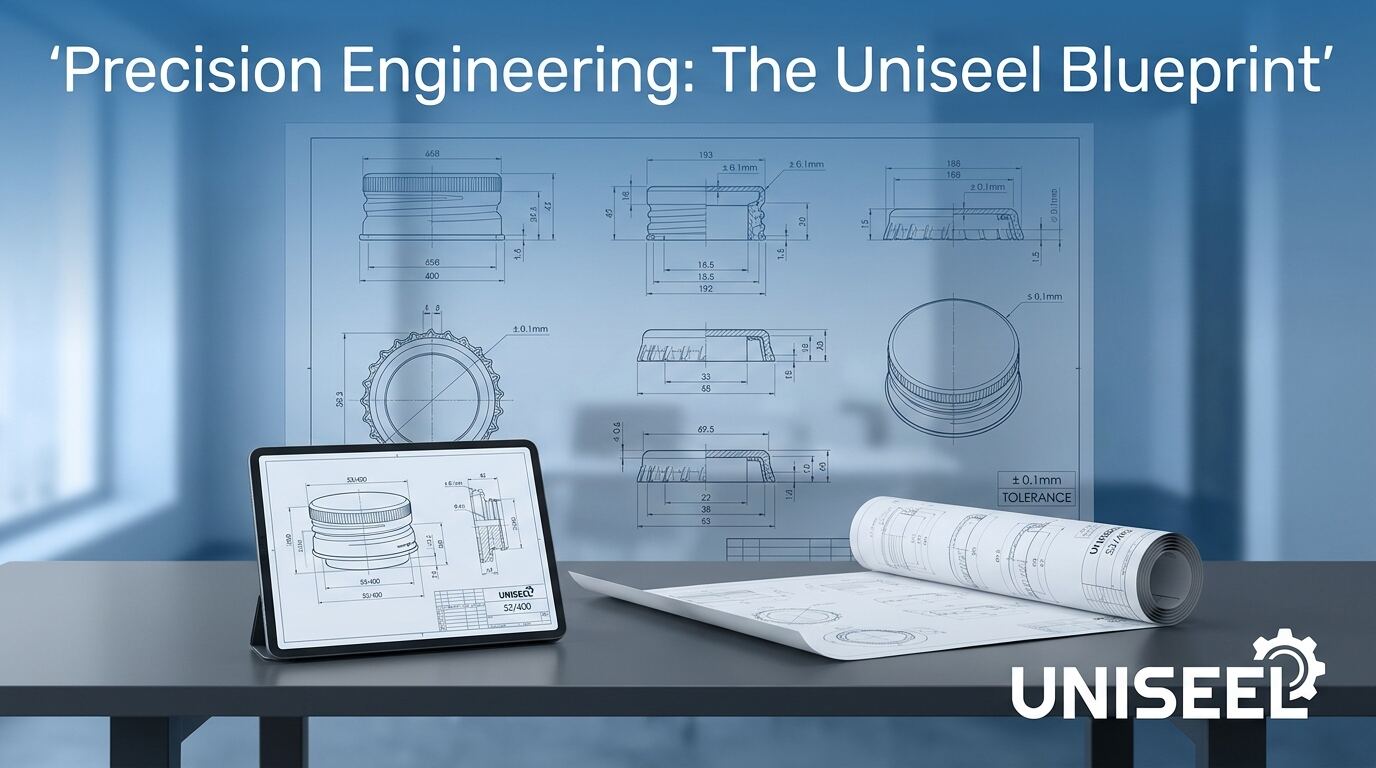
The Engineering of a Perfect Seal: Decoding Uniseel Technical Drawings for Global Packaging Compatibility

07

Jun

The Engineering of a Perfect Seal: Decoding Uniseel Technical Drawings for Global Packaging Compatibility

View More
Choosing the Right Closure: A Comprehensive Guide to Bottle Cap Types and the Technical Advantage of Unishell Closures

07

Jun

Choosing the Right Closure: A Comprehensive Guide to Bottle Cap Types and the Technical Advantage of Unishell Closures

View More
Ensuring Environmental Compliance: A Deep Dive into the SGS RoHS Test Report for Uniseel Silver Unishell Caps

08

Jun

Ensuring Environmental Compliance: A Deep Dive into the SGS RoHS Test Report for Uniseel Silver Unishell Caps

View More
Why We Reject the ±0.25mm Industry Standard: Uniseel's Quest for ±0.1mm Capping Perfection

07

Jun

Why We Reject the ±0.25mm Industry Standard: Uniseel's Quest for ±0.1mm Capping Perfection

Discover why Uniseel rejects standard ±0.25mm tolerances to enforce a strict ±0.1mm capping precision. Backed by ISO 9001 and key patents, we ensure seamless sealing integrity.
View More

Get a Free Quote

Our representative will contact you soon.
Email
Mobile/WhatsApp
Name
Company Name
Message
0/1000

without bpa

Enhanced Safety for Daily Use

Enhanced Safety for Daily Use

Products manufactured without bpa provide exceptional safety advantages for everyday applications where traditional plastics once dominated. This feature becomes particularly crucial in items that come into contact with food, beverages, or are used by vulnerable populations including pregnant women, infants, and children. Without bpa construction eliminates the risk of endocrine-disrupting chemicals leaching into contents, especially under conditions that increase migration rates such as heating, microwaving, or exposure to acidic foods. Modern without bpa formulations utilize safe alternative materials like Tritan copolyester, polypropylene, polyethylene, and stainless steel that maintain structural integrity without compromising health. These materials undergo rigorous third-party testing to verify they contain no estrogenic or androgenic activity, ensuring complete safety assurance. For families making health-conscious choices, without bpa certification offers verifiable protection backed by scientific testing rather than unsubstantiated marketing promises. The practical benefit extends beyond initial purchase to long-term use, as without bpa products maintain their safety profile throughout their entire lifespan, even after years of regular washing, heating, and normal wear that might degrade inferior materials.
Superior Durability and Performance

Superior Durability and Performance

Modern products without bpa demonstrate remarkable durability characteristics that match or exceed traditional plastic performance while maintaining safety standards. Manufacturers have invested substantially in developing advanced polymer technologies that deliver the clarity, flexibility, impact resistance, and heat tolerance consumers expect without relying on bisphenol A compounds. Without bpa water bottles, for instance, can withstand repeated drops, temperature extremes, and dishwasher cycles without cracking, clouding, or degrading. Food storage containers without bpa resist staining from tomato-based sauces, maintain airtight seals after hundreds of uses, and tolerate both freezer and microwave conditions safely. This performance reliability translates directly into cost savings as products last longer and require less frequent replacement. Professional kitchens and food service operations particularly benefit from without bpa commercial-grade products that endure intensive daily use while meeting health department requirements. The engineering advances behind without bpa manufacturing have produced materials with improved scratch resistance, better odor resistance, and enhanced chemical resistance compared to older plastic formulations. These performance characteristics ensure that choosing without bpa products doesn't require compromising on functionality, convenience, or aesthetic appeal.
Environmental and Regulatory Compliance

Environmental and Regulatory Compliance

Selecting products without bpa aligns with both environmental sustainability goals and evolving regulatory requirements across global markets. Many jurisdictions have implemented restrictions or outright bans on bpa in certain product categories, particularly those intended for children, making without bpa certification essential for regulatory compliance and market access. Manufacturers producing without bpa items often incorporate broader environmental considerations into their design and production processes, including using recycled materials, reducing packaging waste, and creating products designed for recyclability at end of life. This comprehensive approach to product development resonates with environmentally conscious consumers who evaluate purchases based on total lifecycle impact rather than single attributes alone. From a business perspective, stocking without bpa inventory future-proofs against tightening regulations and shifting consumer preferences toward safer, more sustainable products. The transparency associated with without bpa certification also builds brand trust and customer confidence, as manufacturers must provide documentation and testing results to substantiate their claims. This accountability creates a marketplace advantage for products genuinely without bpa while helping consumers avoid greenwashing and misleading marketing. Organizations from schools to hospitals increasingly specify without bpa requirements in purchasing policies, creating institutional demand that drives continued innovation and availability across product categories.
Without BPA Products: Safe & Durable Solutions

Get a Free Quote

Our representative will contact you soon.
Email
Mobile/WhatsApp
Name
Company Name
Message
0/1000