
 EN




Sourcing Metallurgical Excellence: Why Uniseel Engineers Premium Unishell Caps Exclusively with WINSteel (Wuhan Baosteel Nippon Steel Tinplate)
A Deep-Dive Technical and Compliance Analysis into Sino-Japanese Joint Venture Tinplate (SGS RoHS Certified / Report No. CANEC25031969702) for High-Precision Metal Packaging
• Primary Target Keywords: WINSteel tinplate, Wuhan Baosteel Nippon Steel, premium tinplate sheet for closures, unishell cap raw material, electrolytic tinplate coil ETP, SGS RoHS certified metal cap material, precision metal closure manufacturing |
1. Introduction: Why Material Purity Dictates Metal Closure Performance
In high-precision metal packaging, the structural integrity and sealing reliability of a bottle closure are determined long before the stamping press engages or the internal thread is formed. For Hangzhou Uniseel Technology Co., Ltd. (Uniseel), an international manufacturing leader specializing in tinplate metal closures and industry-standard unishell caps, precision engineering begins at the atomic level of the raw steel substrate.
A continuous-thread metal closure—especially the sophisticated unishell cap featuring a rolled-in internal thread with a completely smooth, sleek exterior wall—undergoes severe multi-stage mechanical deformation. During high-speed progressive stamping, drawing, pre-curling, and thread rolling, the metal sheet is subjected to extreme tensile stresses and localized elongation. If the raw tinplate exhibits microscopic grain irregularities, non-metallic inclusions, uneven tin coating, or erratic hardness fluctuations, the consequences in automated capping lines are catastrophic: thread cracking, micro-pinholes, lacquer flaking, uneven torque application, and inevitable product leakage or oxidation.
To eliminate these manufacturing vulnerabilities and guarantee an airtight seal across millions of production units, Uniseel strictly refuses secondary, commercial-grade, or unvetted steel stock. Instead, 100% of the prime tinplate sheets used in Uniseel unishell caps are sourced exclusively from Wuhan Baosteel Nippon Steel Tinplate Co., Ltd. (WINSteel). This technical report examines the metallurgical pedigree of WINSteel, analyzes its official SGS European Union RoHS test verification (Report No. CANEC25031969702), and details how this elite material enables Uniseel's industry-leading ±0.1 mm internal thread tolerance.
2. Pedigree of WINSteel: The Metallurgy Powerhouse of Baosteel and Nippon Steel
Wuhan Baosteel Nippon Steel Tinplate Co., Ltd. (WINSteel) represents the pinnacle of Sino-Japanese metallurgical engineering. Established as a premier joint venture between two of the world's most revered steel conglomerates—China's Baowu Steel Group (Baosteel, the world's largest steelmaker) and Japan's Nippon Steel Corporation (pioneers of advanced ultra-clean steelmaking)—WINSteel was specifically engineered to produce ultra-high-grade electrolytic tinplate (ETP) and tin-free steel (TFS) for the most demanding global packaging sectors.
Heritage Dimension |
Founding Partner / Operational Backbone |
Technical Advantage for Metal Packaging |
Parent Conglomerate 1 |
China Baowu Steel Group (Baosteel / 武钢集团) |
Unrivaled supply chain scale, state-of-the-art continuous casting mills, and premium high-purity iron ore sourcing. |
Parent Conglomerate 2 |
Nippon Steel Corporation (日本制铁株式会社) |
Proprietary Japanese continuous annealing (CA) metallurgical recipes, specialized tin-refining processes, and world-class surface passivation technology. |
Operational Philosophy |
Integrated Sino-Japanese Joint Venture (WINSteel) |
Strict Japanese Total Quality Management (TQM) protocols applied directly at the modern production base in Qingshan District, Wuhan, China. |
Global Tier Standing |
Tier-1 Prime Packaging Material Supplier |
Chosen by leading global brand owners across infant nutrition, premium pharmaceuticals, aerosol cans, and international beverage giants. |
Unlike generic commodity steel mills that repurpose commercial cold-rolled coils, WINSteel operates dedicated, computerized electrolytic tinning lines (ETL) incorporating high-speed automated defect detection systems, ensuring that every square meter of steel sheet meets strict international packaging standards.
3. Verified Compliance: Deconstructing SGS RoHS Test Report No. CANEC25031969702
For international buyers in pharmaceuticals, health supplements, cosmetics, and food packaging, regulatory safety is an uncompromising baseline. Uniseel's raw WINSteel electrolytic tinplate sheets have been independently evaluated by SGS-CSTC Standards Technical Services Co., Ltd. (Guangzhou Branch), the world's leading inspection, verification, and testing organization.
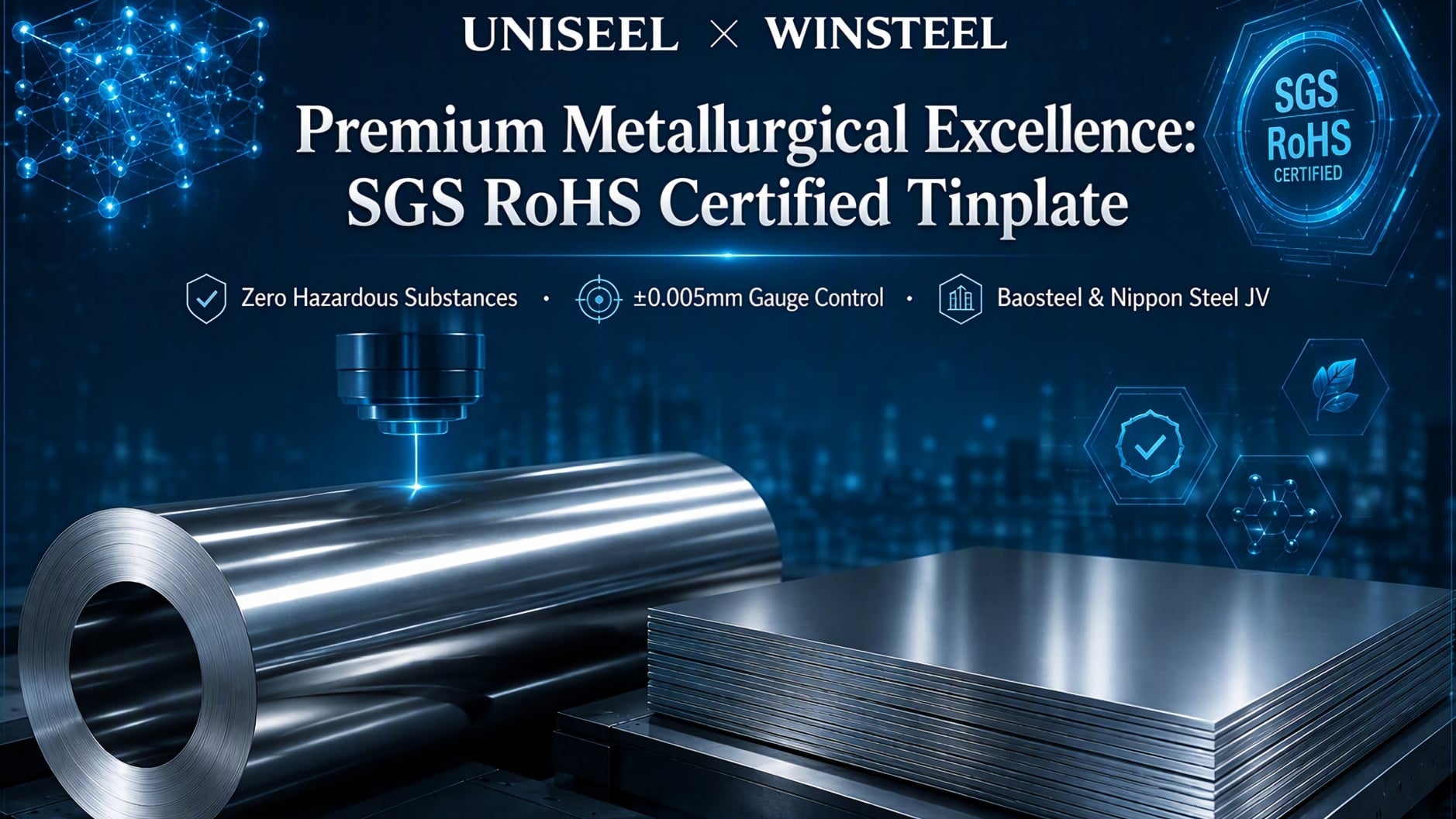
Under SGS Test Report No. CANEC25031969702 (Sample: CAN25-0319697-0001.C001, Tested December 22, 2025 to January 09, 2026; Issued January 12, 2026), WINSteel tinplate was tested against the European Union RoHS Directive 2011/65/EU Annex II and its amendment Directive (EU) 2015/863.
Tested Hazardous Substance |
EU RoHS Limit (mg/kg) |
Method Detection Limit (MDL) |
SGS Test Result (A1) |
Compliance Status |
|
Lead (Pb) / 铅 |
1000 mg/kg |
2 mg/kg |
ND (Not Detected) |
COMPLIANT (符合) |
|
Mercury (Hg) / 汞 |
1000 mg/kg |
2 mg/kg |
ND (Not Detected) |
COMPLIANT (符合) |
|
Cadmium (Cd) / 镉 |
100 mg/kg |
2 mg/kg |
ND (Not Detected) |
COMPLIANT (符合) |
|
Hexavalent Chromium (Cr(VI)) |
Negative / <0.10 µg/cm² |
0.10 µg/cm² |
ND (Negative) |
COMPLIANT (符合) |
|
Polybrominated Biphenyls (PBBs, 10 congeners) |
1000 mg/kg |
5 - 25 mg/kg |
ND (Not Detected) |
COMPLIANT (符合) |
|
Polybrominated Diphenyl Ethers (PBDEs, 10 congeners) |
1000 mg/kg |
5 - 25 mg/kg |
ND (Not Detected) |
COMPLIANT (符合) |
|
Bis(2-ethylhexyl) phthalate (DEHP) |
1000 mg/kg |
50 mg/kg |
ND (Not Detected) |
COMPLIANT (符合) |
|
Butyl benzyl phthalate (BBP) |
1000 mg/kg |
50 mg/kg |
ND (Not Detected) |
COMPLIANT (符合) |
|
Dibutyl phthalate (DBP) |
1000 mg/kg |
50 mg/kg |
ND (Not Detected) |
COMPLIANT (符合) |
|
Diisobutyl phthalate (DIBP) |
1000 mg/kg |
50 mg/kg |
ND (Not Detected) |
COMPLIANT (符合) |
|
🔬 Official SGS Testing Conclusion | |||||
4. Technical Superiority: Why WINSteel Tinplate Excels in Unishell Cap Forming
The physical superiority of WINSteel electrolytic tinplate translates directly into tangible engineering advantages across Uniseel's precision automated stamping lines:
A. Ultra-Clean Metallurgy & Exceptional Deep-Drawing Ductility
WINSteel utilizes advanced vacuum degassing and ladle refining technology, drastically reducing non-metallic inclusions (such as sulfur and phosphorus). The resulting steel matrix exhibits an ultra-fine, isotropic grain structure with outstanding elongation rates (35%). During the progressive stamping of 38/400, 45/400, 53/400, and 70/400 unishell caps, the metal flows uniformly without localized necking, orange-peel texture, or micro-fractures along the deep skirt.
B. Micro-Tolerance Gauge Uniformity (Thickness Consistency)
Standard commercial tinplate exhibits thickness variations of ±0.015 mm to ±0.020 mm across a single coil. In contrast, WINSteel's computerized continuous cold rolling mills maintain an ultra-tight gauge tolerance of ±0.005 mm. This micrometer-level uniformity is the absolute physical prerequisite for Uniseel's patented progressive stamping dies (ZL 2023 2 3287198.X) to maintain an overall cap internal thread dimension tolerance within ±0.1 mm.
C. Pure, Dense Electrolytic Tin Crystal Layer & Corrosion Resistance
WINSteel's high-speed electrolytic plating process deposits a highly uniform, dense crystalline tin coating (e.g., 2.8/2.8 g/m² or 5.6/5.6 g/m²). The tin layer undergoes computerized reflow melting, forming a micro-thin FeSn2 alloy layer at the iron-tin interface. This provides superior galvanic barrier protection, preventing rust even in challenging humid, saline, or acidic packaging environments.
D. Superior Surface Energy for Organic Lacquer & Coating Adhesion
Before metal caps are formed, tinplate sheets receive protective organic epoxy-phenolic, polyester, or organosol base lacquers and custom decorative printing. WINSteel's specialized chemical passivation creates a stable chromium-oxide/tin-oxide surface with optimal surface energy. Lacquer adhesion tests (cross-hatch grid test ISO 2409 Class 0) achieve 100% adhesion retention with zero coating delamination during thread rolling.
5. Comparative Metallurgy: WINSteel vs. Generic Commercial-Grade Tinplate
To help procurement managers understand why material selection dictates total cost of ownership, the following matrix compares genuine WINSteel tinplate against generic low-cost steel stock:
Performance Parameter |
WINSteel Prime ETP (Used by Uniseel) |
Generic / Secondary Market Tinplate |
Impact on Capping Line & End-User |
Substrate Cleanliness |
Vacuum-degassed, ultra-low inclusion steel substrate. |
High inclusion count, irregular carbon segregation. |
Zero pinholing vs. high risk of micro-fractures and gas leakage. |
Thickness Tolerance |
Strict ±0.005 mm cross-sheet uniformity. |
Fluctuates by ±0.015 mm to ±0.025 mm. |
Stable ±0.1 mm thread fit vs. capping machine jamming and inconsistent torque. |
Tin Coating Density |
Dense, continuous tin layer with refined FeSn2 alloy. |
Porous tin layer with microscopic bare iron spots. |
Superior shelf life (3+ years) vs. premature oxidation and rust spots. |
Coating / Ink Adhesion |
100% adhesion under MEK rub and cross-hatch tests. |
Frequent lacquer flaking along stamped curl edges. |
Flawless luxury aesthetic vs. contaminated product and customer complaints. |
Regulatory Traceability |
100% mill heat-number traceability with SGS RoHS/FDA reports. |
Mixed scrap batches with zero authentic mill test certificates. |
Guaranteed customs clearance vs. audit failure and regulatory recall risks. |
6. The Uniseel Integration: Transforming Premium Steel into Flawless Closures
Raw material excellence is the foundation; precision manufacturing is the structure. Uniseel integrates WINSteel tinplate into an end-to-end quality-controlled production ecosystem:
- Incoming Material Mill-Cert Verification: Every incoming coil or sheet pack is checked for heat number verification, gauge precision (micrometer testing across 9 grid points), surface roughness, and tin coating weight.
- Dust-Free Lacquering & Thermal Curing: Raw sheets are coated with FDA-compliant, PFAS-free food-contact lacquers in a cleanroom coating line, followed by precision multi-zone thermal curing.
- Intelligent Precision Stamping: Using Uniseel's proprietary multi-station progressive stamping lines (ZL 2023 2 3287198.X), blanks are drawn, trimmed, pre-curled, and internally threaded in a single continuous automated cycle.
- 100% Optical Machine Vision Inspection: Automated high-speed vision inspection cameras inspect 100% of finished caps for thread integrity, lacquer scratches, curl uniformity, and liner seating.
- Palletized Protective Export Packaging: Finished caps are packed with food-grade polyethylene liners inside heavy-duty cartons, palletized with corner edge protectors, stretch-wrapped, and cross-strapped for intercontinental ocean transit.
7. Global Compliance & Brand Trust: Building Sustainable Supply Chains
In the modern regulatory landscape, brand owners cannot afford supply chain opacity. By pairing WINSteel's certified raw material with Uniseel's ISO 9001:2015 quality management system (Certificate No. 07625Q1617R0S-ZJ/001) and TÜV Rheinland factory audit verification (MIC-ASI263162), we provide global clients with complete compliance peace of mind:
- EU Market Readiness: European Union: Full compliance with EU Packaging and Packaging Waste Regulation (PPWR), Regulation (EU) 10/2011, and RoHS Directive (EU) 2015/863.
- North American Assurance: United States: Full compliance with US FDA 21 CFR 175.300 (resinous and polymeric coatings for food contact), California Proposition 65, and Section 301 customs traceability.
- Circular Economy Leadership: Sustainability & Circularity: Steel is the world's most recycled packaging material. WINSteel tinplate is 100% infinitely recyclable without loss of metallurgical properties, supporting global circular economy goals.
8. Frequently Asked Questions (FAQ)
Q1: What is WINSteel and why is it considered a premier tinplate manufacturer?
WINSteel (Wuhan Baosteel Nippon Steel Tinplate Co., Ltd.) is a high-end Sino-Japanese joint venture between China Baowu Steel Group (Baosteel) and Nippon Steel Corporation. It combines Baosteel's world-class steelmaking scale with Nippon Steel's advanced metallurgical, continuous annealing, and electrolytic tinning technology, producing top-tier tinplate recognized globally for packaging excellence.
Q2: What specific SGS testing has been conducted on Uniseel's WINSteel raw material?
WINSteel tinplate used in Uniseel closures has been rigorously tested by SGS under Test Report No. CANEC25031969702 (issued January 12, 2026). The testing verified complete compliance with EU RoHS Directive 2011/65/EU Annex II and amendment (EU) 2015/863, with zero detected traces (ND) of lead, mercury, cadmium, hexavalent chromium, PBBs, PBDEs, or phthalates (DEHP, BBP, DBP, DIBP).
Q3: How does WINSteel tinplate prevent thread cracking during unishell cap manufacturing?
Unishell caps require severe mechanical drawing and thread curling. WINSteel tinplate features vacuum-degassed, ultra-clean steel with an isotropic grain structure and high ductility (35% elongation). This ensures smooth metal flow during high-speed multi-station progressive stamping, completely preventing micro-cracking along the internal thread.
Q4: Why is thickness uniformity critical for automated high-speed capping lines?
Thickness variations cause fluctuating capping torque and machine jamming. WINSteel's tight gauge tolerance of ±0.005 mm allows Uniseel to maintain a strict ±0.1 mm internal thread dimension tolerance. This ensures seamless, jam-free application on client automated filling and capping machinery.
Q5: Does Uniseel use secondary, overstocked, or generic commodity tinplate?
No. Uniseel enforces a strict zero-secondary-material policy. 100% of our unishell caps and continuous-thread closures are manufactured from certified prime WINSteel coils and sheets, accompanied by verifiable mill test certificates and traceable heat numbers.
Q6: How does WINSteel tinplate perform in terms of corrosion resistance and shelf life?
WINSteel applies a dense, computerized electrolytic tin coating and refined FeSn2 alloy boundary layer. When combined with Uniseel's cleanroom organic lacquer coatings, our metal closures provide superior resistance against humidity, salt spray, and acidic product formulations, ensuring 3+ years of shelf stability.
Q7: Is WINSteel tinplate compliant with FDA food-contact regulations?
Yes. WINSteel electrolytic tinplate and the internal protective lacquers utilized by Uniseel comply with US FDA 21 CFR 175.300 standards, making our closures completely safe for direct and indirect food, beverage, nutraceutical, and pharmaceutical packaging.
Q8: What closure sizes are produced using WINSteel tinplate at Uniseel?
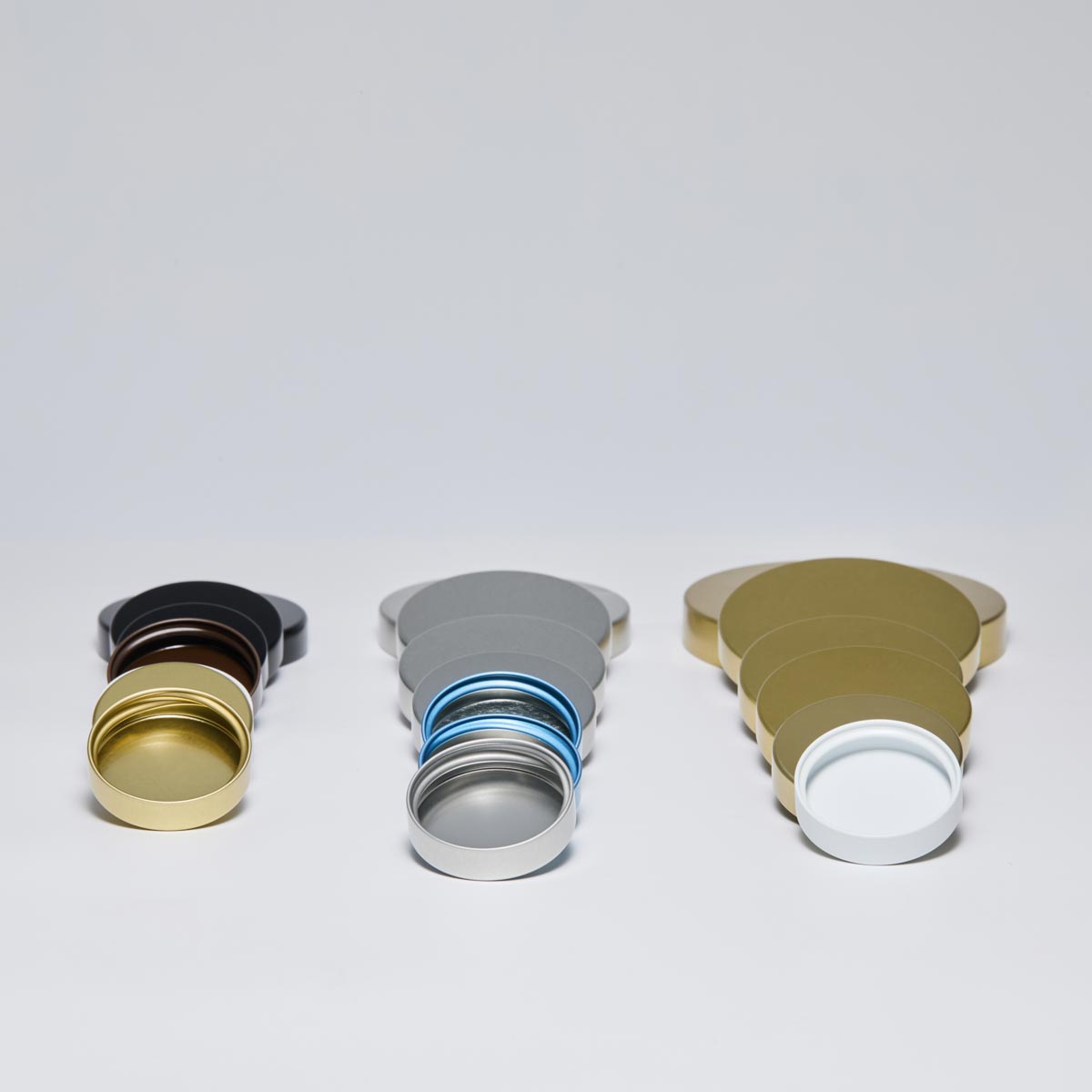
Uniseel manufactures a comprehensive range of standard and custom neck finishes using WINSteel material, including 38/400, 45/400, 53/400, 58/400, 70/400, and 89/400, available in continuous thread (CT) and sleek unishell internal-thread configurations.
Q9: What liner options are compatible with Uniseel's WINSteel metal closures?
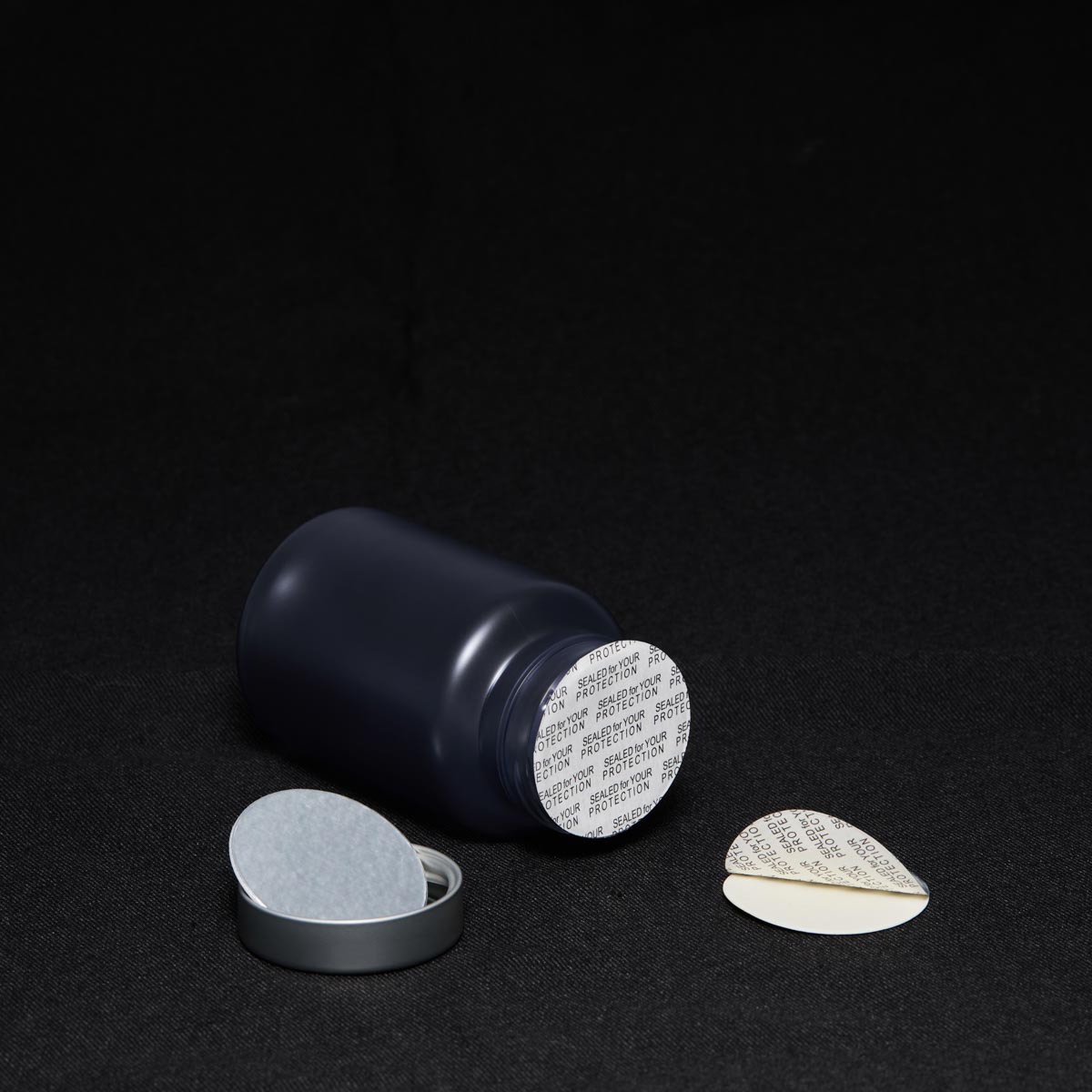
Our closures can be paired with high-performance sealing liners including Pressure Sensitive (PS) foam liners (for dry powders and nutraceuticals), Induction Heat Seal (IHS) aluminum foil liners (for hermetic tamper evidence), and expanded EPE foam liners (for cosmetics and liquids).
Q10: How can I verify the material test report for my specific production batch?
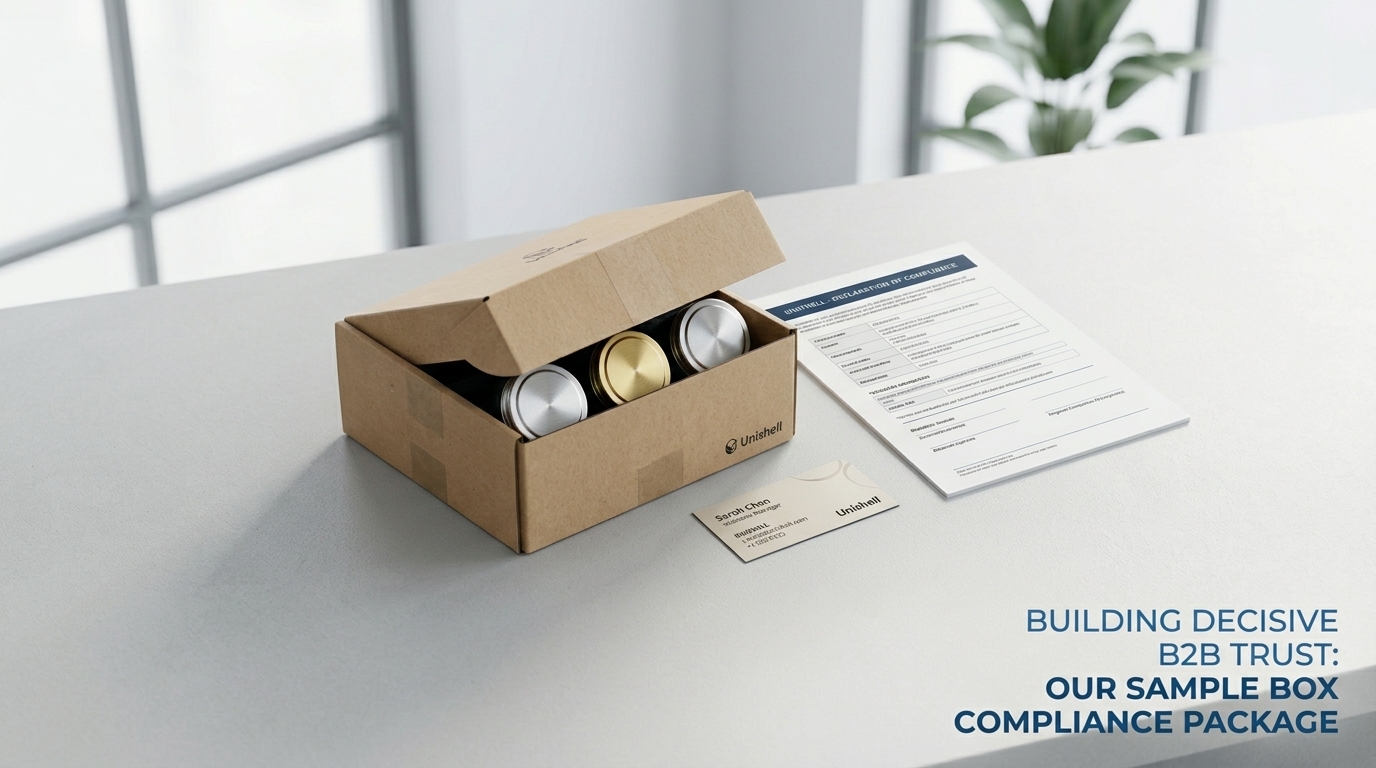
Upon request, Uniseel provides authentic Mill Test Certificates (MTC) from WINSteel alongside corresponding SGS RoHS and FDA test reports for every commercial production batch, ensuring complete supply chain transparency for your quality audits.
Uniseel—Unified Quality, Sealed for Safety.